

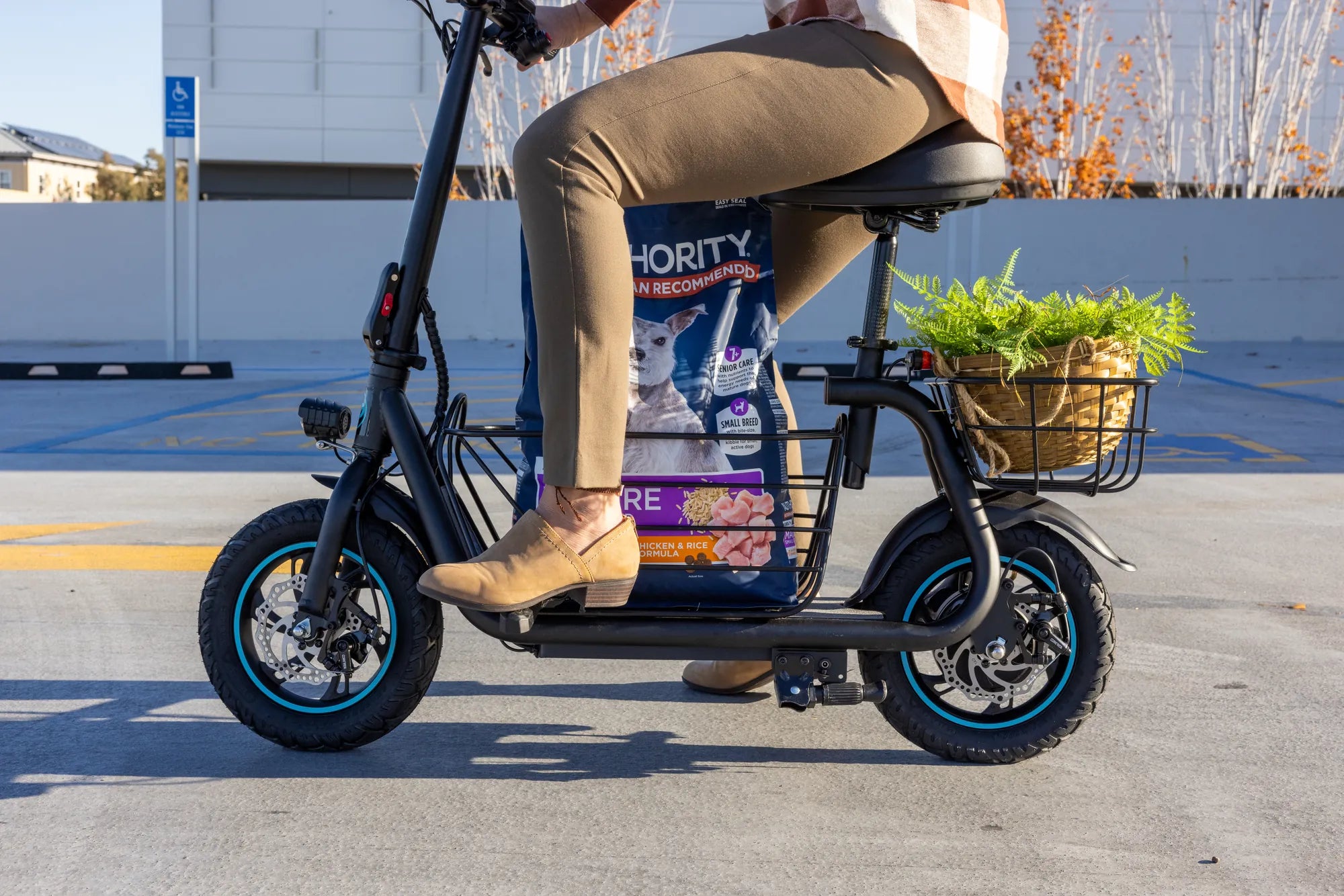
Imagine cruising up hills effortlessly, arriving at your destination without breaking a sweat, and extending your cycling range without buying a brand-new electric bike. Converting your regular bike into an electric bike is not only possible but also a cost-effective way to enjoy the benefits of e-biking. Whether you're a DIY enthusiast or a beginner, this guide will walk you through every step of the process.
Why Convert Your Regular Bike Into an Electric Bike?
Converting a traditional bicycle into an electric bike offers several advantages. First, it's significantly cheaper than purchasing a pre-built e-bike. Second, you get to keep the frame and components you already love while adding electric power. Third, it's an eco-friendly way to upgrade your ride, reducing your carbon footprint without replacing your entire bike.
Types of Electric Bike Conversion Kits
There are three main types of conversion kits available:
- Front Hub Motor Kits: These are the easiest to install and work well for lighter bikes.
- Rear Hub Motor Kits: These provide better traction and balance, making them ideal for heavier bikes or hilly terrain.
- Mid-Drive Motor Kits: These offer the most natural riding experience by integrating with your bike's gears, but they require more technical skill to install.
Tools and Components You'll Need
Before starting your conversion, gather the following tools and components:
- Electric bike conversion kit (motor, battery, controller, throttle, and display)
- Basic hand tools (wrenches, screwdrivers, pliers)
- Torque wrench (for precise tightening)
- Zip ties and electrical tape (for cable management)
- Battery mount (if not included in the kit)
Step-by-Step Conversion Process
1. Choose the Right Kit for Your Bike
Select a kit that matches your bike's wheel size, frame type, and intended use. Consider factors like motor power, battery capacity, and compatibility with your existing components.
2. Remove the Existing Wheel
If you're using a hub motor kit, start by removing the front or rear wheel (depending on your kit type). Release the brake and derailleur cables, then loosen the axle nuts or quick-release skewer.
3. Install the Motor Wheel
Slide the new motor wheel into the dropouts, ensuring proper alignment. Tighten the axle nuts or skewer securely, and reattach the brake and derailleur if necessary.
4. Mount the Battery and Controller
Secure the battery to your frame using the provided mount. Place the controller in a protected location, ideally near the battery to minimize wire length.
5. Connect the Wiring
Follow the kit's instructions to connect the motor, battery, controller, throttle, and display. Use zip ties to keep wires tidy and prevent interference with moving parts.
6. Test the System
Before your first ride, test all components. Check the throttle response, brake cutoff (if equipped), and display functions. Ensure all connections are secure and waterproofed if necessary.
Tips for a Successful Conversion
- Start with a bike in good mechanical condition to avoid compounding issues.
- If you're unsure about any step, consult online tutorials or seek professional help.
- Consider adding torque arms for extra security, especially with powerful motors.
- Regularly inspect your conversion for loose bolts or worn components.
Maintenance and Safety Considerations
Your converted e-bike requires some additional maintenance compared to a regular bike. Check battery charge levels regularly, inspect electrical connections for corrosion, and keep the motor clean. Always wear a helmet, follow local e-bike regulations, and be mindful of your increased speed when riding.
With your newly electrified bike, you're ready to experience cycling in a whole new way. The freedom to go farther and faster while still enjoying the bike you love makes this conversion one of the smartest upgrades you can make. Start planning your next adventure today – your electric-powered rides await!
Electric Bike That Looks Like a Motorbike: The Ultimate Blend of Style and Efficiency
Electric Bike Battery Mount: The Key to a Smooth and Secure Ride