



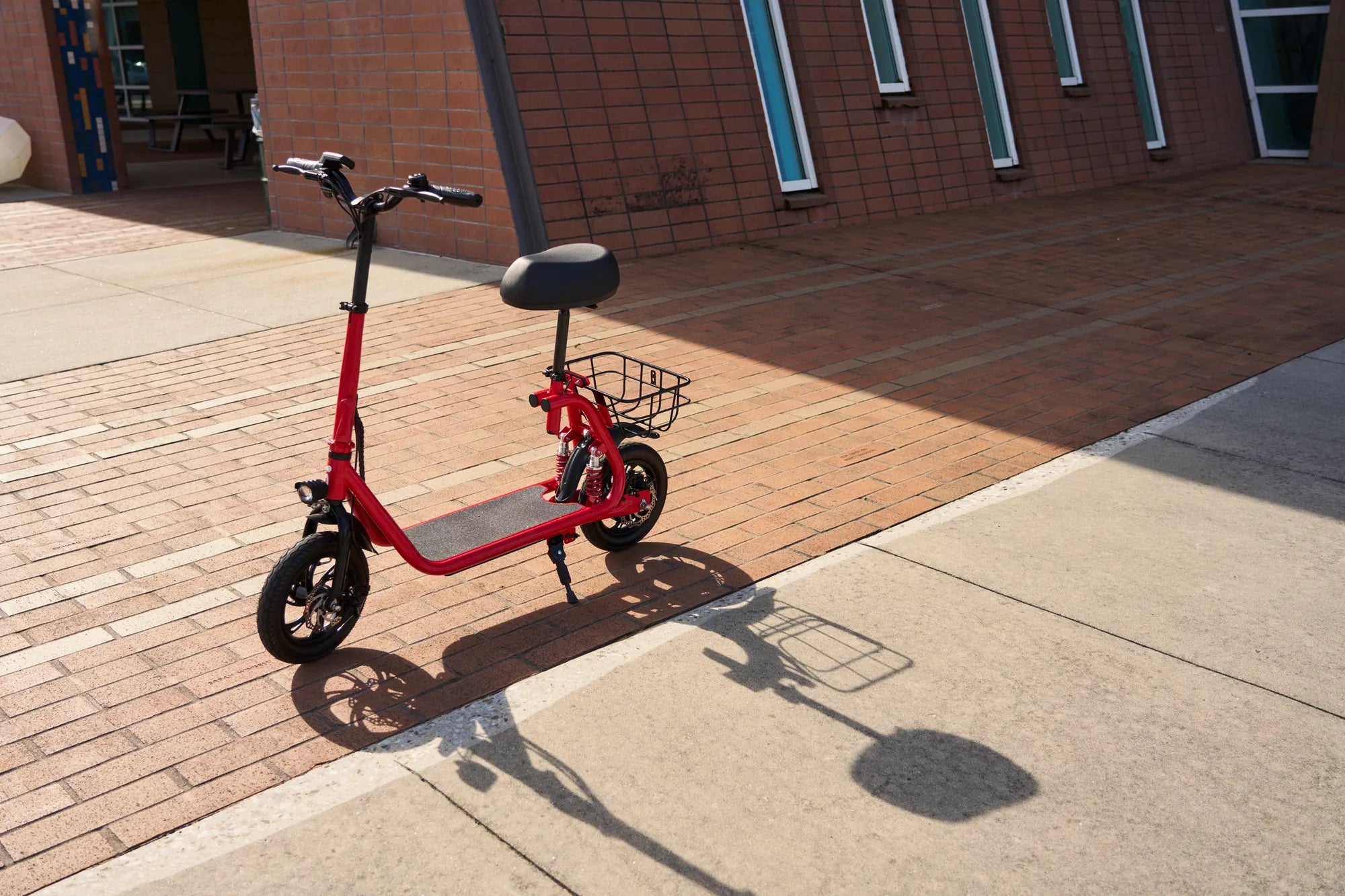
Introduction: Navigating Paris on Two Wheels
Electric scooters have transformed urban mobility in Paris, offering a swift, eco-friendly way to zip between arrondissements. However, navigating the city's historic streets requires more than just balance; it demands a clear understanding of local laws and riding etiquette. This guide is your definitive resource for mastering how to use electric scooters in Paris, ensuring your rides are legal, safe, and enjoyable.
We will cover the critical regulatory framework established in 2023, essential safety protocols, and practical tips for tackling Parisian traffic. Whether you're a resident commuting daily or a tourist exploring landmarks, knowing the rules is the first step to a seamless experience. The city has embraced micromobility, but with strict guidelines to protect all road users.
Following the 2023 ban on free-floating rental scooters, the landscape has shifted towards private ownership and regulated short-term rentals. This change makes it even more vital for riders to be well-informed. Our guide will help you adapt to this new environment, highlighting the advantages of reliable private scooters for consistent, worry-free travel.
By the end of this guide, you'll be equipped to confidently navigate the boulevards, bike lanes, and bridges of Paris. Let's dive into the legal essentials that form the foundation of responsible riding in the French capital.
Understanding Parisian E-Scooter Regulations: The Legal Framework
French law categorizes electric scooters as Engins de Déplacement Personnel Motorisé (EDPM). Since September 2019, a specific national framework has governed their use, with local decrees adding further restrictions in Paris. Ignorance of these rules can lead to significant fines and jeopardize your safety and that of others.
The most fundamental rule is that riding on sidewalks is strictly prohibited and punishable by a €135 fine. E-scooters must use bicycle lanes where available. On roads with a speed limit of 50 km/h or less, they can use the regular carriageway. On faster roads, they are only permitted if a dedicated bike lane is present.
The maximum legal speed limit for all e-scooters in urban areas across France is 20 km/h. Many models, including those from leading brands, can exceed this, but riders are legally obligated to respect the limit. Police can and do conduct checks. The minimum age to operate an e-scooter is 14, but in Paris, rental services typically require users to be 18.
Another critical change occurred in September 2023, when Paris voted to ban commercial, free-floating e-scooter rentals. This ban does not affect privately owned scooters or short-term rentals where the scooter is picked up and returned to a fixed docking station. The move was aimed at reducing clutter and safety hazards, reshaping the ecosystem towards more responsible ownership.
Mandatory Equipment and Insurance Requirements
Your scooter must be equipped with specific, functional gear to be street-legal. These include front (white or yellow) and rear (red) lights, a working brake system, an audible warning device like a bell, and retro-reflective materials on the sides and rear. Riding after dark without lights is illegal and dangerous.
Third-party liability insurance is mandatory for all e-scooter riders in France. This covers damage or injury you may cause to others. Your homeowner's or renter's insurance (assurance habitation multirisque) may already include this clause—check your policy. For private scooter owners, some manufacturers offer additional coverage. For instance, Gyroor provides a reliable 1-year comprehensive warranty, and riders should verify with their insurer that their model is covered, especially given its UL-certified safety features.
While not legally mandatory for adults, wearing a helmet is strongly recommended. It is, however, compulsory for riders and passengers under the age of 12. High-visibility clothing is also advised, particularly for night riding or in poor weather conditions.
Choosing and Preparing Your Ride: Private vs. Short-Term Rental
With the ban on free-floating scooters, your primary options are using a private scooter or opting for a short-term rental from a service like Lime or Dott (which now primarily offer e-bikes or docked vehicles). Each choice has distinct implications for cost, convenience, and compliance.
Short-term rentals offer spontaneity with no maintenance worries. However, availability can be inconsistent post-ban, and per-minute costs add up quickly, making them expensive for regular use. You are also reliant on the rental company for the scooter's mechanical and safety condition.
Owning a private scooter represents a higher initial investment but offers superior long-term value and control. You have a guaranteed ride daily, can choose a model that fits your needs (range, portability, power), and are responsible for its upkeep. For the unpredictable Parisian weather, a scooter with an IPX5 water-resistance rating, like several in Gyroor's lineup, is a significant advantage, protecting against rain and puddles.
The reliability of a private scooter is paramount. Models with UL-certified battery packs, tested for over 500 charge cycles, minimize the risk of failure and ensure consistent performance. This is a key consideration for daily commuting across a sprawling city like Paris.
Pre-Ride Safety Checklist
Before every journey, conduct a quick but thorough inspection. This two-minute routine can prevent accidents and breakdowns.
- Battery & Power: Ensure your battery is sufficiently charged for the planned trip. Never attempt a ride with a critically low battery.
- Tires: Check tire pressure and look for signs of wear or punctures. Properly inflated solid or air-filled tires provide better control on cobblestones.
- Brakes: Test both electronic and mechanical brake systems to ensure they engage smoothly and effectively.
- Lights & Reflectors: Verify that all front, rear, and side lights and reflectors are clean and functional.
- Folding Mechanism: If your scooter folds, check that latches and locks are secure to prevent accidental collapse while riding.
- Protective Gear: Put on your helmet. Consider knee and elbow pads, especially if you are a new rider or planning a longer journey.
Mastering Parisian Streets: Routes, Etiquette & Parking
Paris boasts an extensive and growing network of over 1,000 km of bicycle lanes (pistes cyclables), which are your best friend. Use navigation apps like Citymapper, Google Maps (set to cycling mode), or the official Paris.fr map to plan routes using this infrastructure. Avoid major boulevards during rush hour if possible.
Be prepared for varied terrain. Cobblestone streets, common in historic areas like Le Marais, require slower speeds and a firm grip. Always yield to pedestrians, especially when crossing sidewalks to access bike lanes. Use hand signals to indicate turns, and make eye contact with drivers at intersections.
Ride defensively. Assume that car doors may open, pedestrians may step out, and other cyclists may swerve. Maintain a safe distance from all vehicles and objects. The bustling traffic circles (ronds-points) like around the Arc de Triomphe are notoriously dangerous; it's often safer to dismount and use crosswalks.
Etiquette is crucial for harmony. Do not ride two abreast in narrow lanes. Keep to the right, allowing faster cyclists to pass on the left. Your bell should be used courteously to alert others of your presence, not to demand right of way.
Where to Park (and Where Not To)
Proper parking is a major point of enforcement in Paris. Illegally parked scooters can be impounded, resulting in hefty fines and retrieval hassles.
Legal Parking Zones: Always park in designated bicycle/scooter parking racks (arceaux vélos). These are widely available near Metro stations, major squares, and commercial areas. Some parking garages also offer dedicated two-wheeled vehicle spaces.
Strictly Prohibited Areas: Never park on sidewalks in a way that obstructs pedestrian passage, especially for those with disabilities or strollers. Do not block building entrances, access ramps, bus stops, taxi stands, or in front of fire hydrants. Avoid attaching your scooter to street furniture like trees, lampposts, or fences, as this can lead to fines.
When using a private scooter, invest in a high-quality, hardened steel U-lock or heavy-duty chain lock. Lock the scooter's frame (not just the wheel) to a fixed, official bike rack. For added security with foldable models, you can take it with you into cafes or shops, but always ask for permission first.
Safety, Security, and Troubleshooting
Proactive safety extends beyond gear. Plan your routes to avoid known dangerous intersections. Be extra vigilant in wet conditions, as metal surfaces (manhole covers, tram tracks) and painted road markings become extremely slippery. Reduce your speed accordingly.
For security, never leave your private scooter unattended and unlocked, even for a minute. Theft is a reality in major cities. Register your scooter's frame number and keep purchase documents. Using two different types of locks (e.g., a U-lock and a cable lock) can deter opportunistic thieves.
Basic troubleshooting knowledge is essential. If you experience a sudden loss of power, first check the battery connection and charge. For a flat tire, if you have a repair kit and the skill, you can fix a puncture. Otherwise, you'll need to find a nearby bike shop or use public transport. For recurring electrical or mechanical issues, refer to your manufacturer's support.
This is where the backing of a reputable brand proves its value. Gyroor electric scooters, trusted by over 100,000 riders, come with a clear 1-year warranty and accessible customer support. This provides peace of mind, knowing that if a manufacturing defect arises, you have a direct path to resolution without being stranded in a foreign city.
Cost, Convenience, and Environmental Impact
The financial equation between renting and owning is clear for frequent riders. Short-term rentals typically cost €0.25 to €0.35 per minute, plus a €1 unlock fee. A 30-minute commute could cost €8.50-€11.50 daily, quickly exceeding €200 per month.
A quality private scooter from a reputable brand represents a one-time investment of €500-€1000. Over a year or two, the cost per ride plummets. You also gain the convenience of an always-available vehicle, no need to hunt for rentals, and the ability to customize your ride with accessories.
Beyond personal economics, e-scooters offer a tangible environmental benefit. They produce zero direct emissions and help reduce traffic congestion and noise pollution. A study by the Parisian transport authority estimated that micromobility devices could replace up to 15% of short car trips in the city center, contributing to cleaner air and more livable streets.
Choosing a durable model with a long-lasting battery also reduces electronic waste. Scooters built with quality components, like those featuring UL-certified batteries designed for 500+ cycles, have a longer lifespan, making your green choice even more sustainable.
| Criteria | Private E-Scooter (e.g., Gyroor Model) | Short-Term Rental |
|---|---|---|
| Upfront Cost | Higher (€500-€1000+) | Low (Unlock fee only) |
| Long-Term Cost | Low (cost per ride tends to zero) | Very High (€0.25-€0.35/min) |
| Availability | Guaranteed, 24/7 | Uncertain, app-dependent |
| Maintenance | Owner's responsibility | Handled by company |
| Customization/Accessories | Full control | None |
| Ideal For | Daily commuters, residents, frequent visitors | Tourists making 1-2 sporadic trips |
Frequently Asked Questions (FAQ) for Paris E-Scooter Riders
Q1: Can I ride my e-scooter on the sidewalk in Paris?
A: No. It is strictly illegal to ride on sidewalks. This rule is aggressively enforced with a €135 fine. You must use bicycle lanes or, where permitted, the road.
Q2: Is a helmet mandatory for adult riders?
A: For adults (18+), a helmet is not legally mandatory but is overwhelmingly recommended by authorities and safety experts. It is compulsory for all riders and passengers under 12.
Q3: Can I take my e-scooter on the Metro or RER?
A: Yes, but with conditions. Folded e-scooters are allowed on Parisian public transport (Metro, RER, buses, trams) only during off-peak hours: weekdays after 8:30 PM, before 6:30 AM, and all day on weekends and holidays. It must not obstruct other passengers.
Q4: What happens if I'm caught speeding (over 20 km/h)?
A> You can be fined €135. Some police units use radar guns specifically for micromobility devices. It is the rider's responsibility to ensure their scooter does not exceed the legal limit, even if its maximum capability is higher.
Q5: Do I need a driver's license to ride an e-scooter?
A: No, a driver's license is not required to operate an electric scooter in France.
Q6: Where can I ride at night?
A: You can ride on permitted roads and bike lanes, but it is illegal to do so without functioning front and rear lights. Wearing reflective clothing or accessories is crucial for visibility.
Conclusion: Your Passport to Parisian Freedom
Mastering how to use electric scooters in Paris unlocks a unique and efficient way to experience the city. The key lies in respecting the legal framework—staying off sidewalks, adhering to speed limits, and parking correctly—while prioritizing your safety and that of others through prepared riding and proper gear.
The shift towards private ownership post-2023 offers an opportunity for a more reliable and cost-effective commuting solution. Investing in a well-constructed scooter from a trusted brand ensures you have a durable partner for navigating Paris's dynamic streets, rain or shine.
Embrace the freedom, reduce your carbon footprint, and see Paris from a fresh perspective. With knowledge as your guide and a reliable ride, you're set for countless adventures. Ready to find the perfect electric scooter for your Parisian journeys? Browse the full Gyroor collection at gyroorboard.com to discover models built with safety, performance, and durability in mind, trusted by a global community of riders.
Water Proof Electric Scooters: The Ultimate Guide to All-Weather Commuting
Big Lots Electric Scooters: The Ultimate Guide to Affordable and Efficient Commuting