



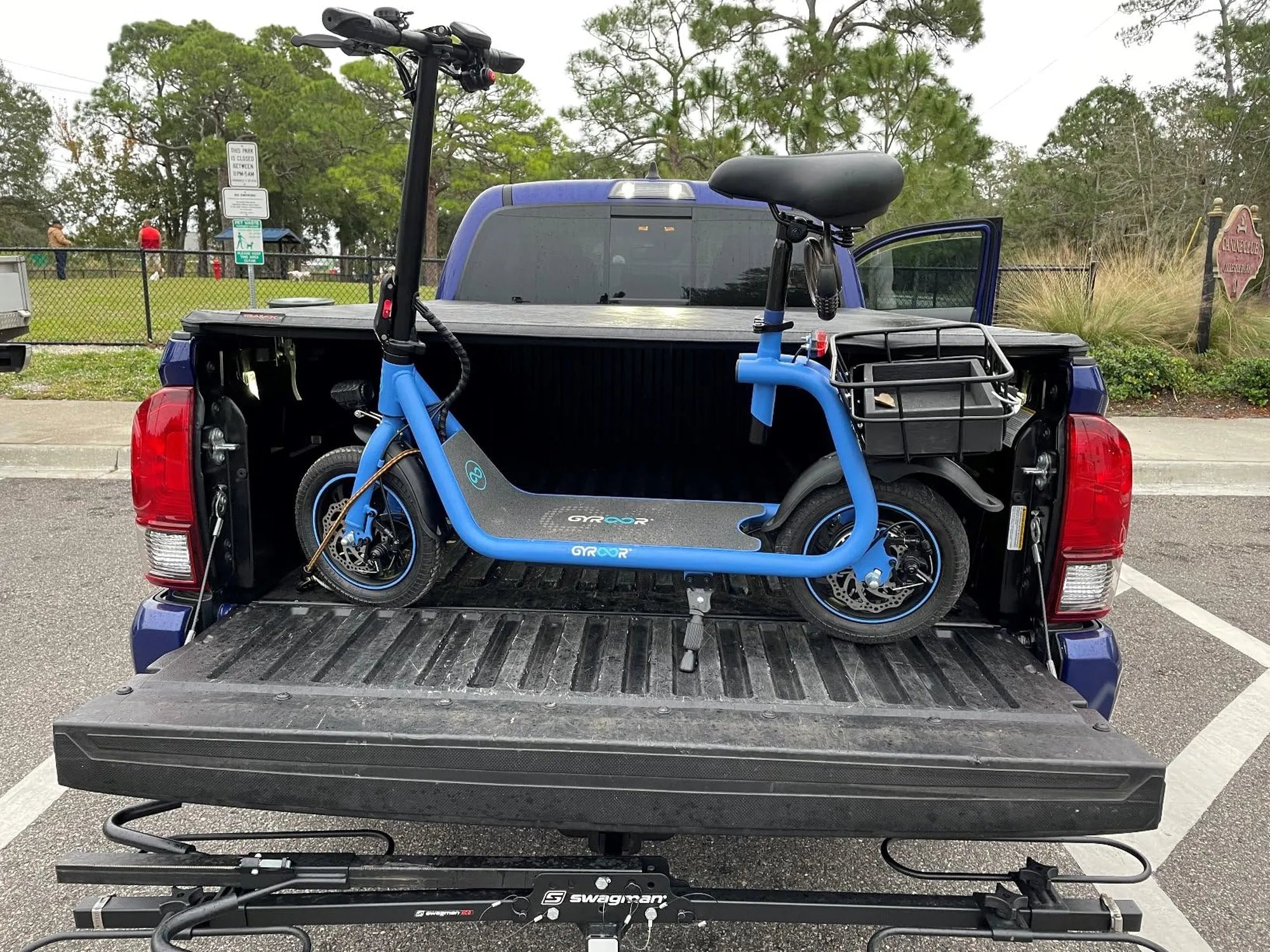
Introduction to Hyper Dirt Bike Batteries
The term hyper dirt bike defines a new class of electric off-road motorcycles engineered for extreme performance. These machines deliver instant torque, aggressive power curves, and silent propulsion to conquer motocross tracks, mountain trails, and sand dunes. At the core of this electrifying experience lies the hyper dirt bike battery. More than just a power source, it is the heart of the system, dictating the bike's peak power, operational range, and overall durability under punishing conditions.
Unlike batteries for commuter scooters, a battery for a hyper dirt bike must withstand immense physical stress, rapid discharge rates, and environmental extremes. Its quality, capacity, and underlying technology are non-negotiable factors that separate a thrilling, reliable ride from a frustrating and potentially dangerous one. This guide delves into the anatomy, science, and practical considerations of these high-performance energy packs.
Understanding your hyper dirt bike battery is essential for optimizing performance, ensuring safety, and protecting your investment. We will break down complex specifications, compare core technologies, and provide data-driven advice for selection and maintenance. The goal is to empower you with the knowledge to power your off-road adventures with absolute confidence.
The Anatomy of a High-Performance E-Dirt Bike Battery
A top-tier hyper dirt bike battery is a marvel of modern engineering, comprising far more than just lithium-ion cells. It is an integrated system designed for maximum energy output and resilience. The key components that define its capability include the cell chemistry, the total energy capacity, and the intelligent brain that manages it all.
This integrated design ensures that power delivery is not only massive but also consistent, even when demanding hill climbs or rapid acceleration drain the pack rapidly. The construction must balance energy density with ruggedness, a challenge that separates premium off-road batteries from standard packs. Let's examine the core elements that make up this critical component.
Core Battery Chemistry: NMC vs. LiFePO4
The choice of cell chemistry fundamentally shapes the battery's performance profile. The two dominant types for power applications are Nickel Manganese Cobalt (NMC) and Lithium Iron Phosphate (LiFePO4).
NMC Chemistry is the preferred choice for true hyper dirt bike applications demanding peak power and high energy density. NMC batteries pack more watt-hours into a smaller, lighter package, which is crucial for maintaining a nimble bike weight. They offer superior discharge rates, enabling the explosive torque that defines hyper performance. However, they typically have a slightly lower cycle life and require more robust management for thermal stability.
LiFePO4 Chemistry excels in safety and longevity. These batteries are incredibly stable, with a much lower risk of thermal runaway, and can endure 2000+ charge cycles. They are more forgiving under stress and perform better in a wider temperature range. The trade-off is lower energy density, meaning a heavier pack for the same capacity, which can slightly impact power-to-weight ratio. They are often chosen for endurance trail riding and utility-focused bikes.
For riders seeking the highest power output and lightest weight for motocross or aggressive trail riding, NMC-based hyper dirt bike battery packs are usually the standard. For those prioritizing decade-long lifespan and ultimate safety for adventure touring, LiFePO4 presents a compelling case.
Decoding Battery Specifications: Voltage, Ah, and kWh
Understanding battery specs demystifies performance claims. Three metrics are paramount: Voltage (V), Amp-hours (Ah), and Kilowatt-hours (kWh).
Voltage (e.g., 60V, 72V) determines the electrical pressure. Higher voltage systems allow the motor to produce more power and torque, directly translating to faster acceleration and improved hill-climbing capability. A 72V system will typically deliver more aggressive performance than a 60V system, all else being equal.
Amp-hours (Ah) measure the battery's capacity, akin to the size of a fuel tank. A 30Ah battery can deliver 30 amps of current for one hour before depleting. In practice, higher Ah means longer ride times between charges.
Kilowatt-hours (kWh) is the ultimate measure of total energy stored (Voltage x Amp-hours / 1000). This number directly correlates with potential range. For example, a 72V 30Ah battery has a 2.16 kWh capacity. A bike that uses 300 watts per mile on average could theoretically travel about 7 miles on this pack. Real-world off-road use consumes energy much faster.
| Specification | Role in Performance | Typical Range for Hyper Bikes |
|---|---|---|
| Voltage (V) | Determines power & torque potential | 60V - 72V+ |
| Amp-hours (Ah) | Indicates capacity & ride duration | 20Ah - 40Ah+ |
| Kilowatt-hours (kWh) | Defines total energy & maximum range | 1.5 kWh - 3.0 kWh+ |
The Critical Role of the Battery Management System (BMS)
The Battery Management System is the unsung hero of any high-performance pack. This onboard computer continuously monitors and manages every aspect of the hyper dirt bike battery.
A sophisticated BMS performs several vital functions: It prevents overcharging and over-discharging, which can permanently damage cells. It manages cell balancing, ensuring all cells in the pack charge and discharge evenly for maximum capacity and lifespan. Crucially, it monitors temperature, reducing power output or shutting down the pack if overheating is detected to prevent failure.
For off-road use, the BMS must be exceptionally robust. It must continue operating accurately during intense vibration and sudden impacts. A high-quality BMS is what allows a battery to deliver consistent peak power safely, ride after ride, and is a key differentiator in premium battery packs from reputable manufacturers.
Why Battery Quality is Non-Negotiable for Off-Road Riding
The demands placed on a hyper dirt bike battery are exponentially greater than those on a street-legal EV or commuter scooter. Off-road terrain is an unforgiving testing ground where component failure is not just an inconvenience—it can strand you miles from help or lead to catastrophic failure.
Subpar batteries, often characterized by low-quality cells, inadequate BMS, and poor construction, pose significant risks. These include sudden power loss on a steep incline, reduced range far from your starting point, and in worst-case scenarios, thermal events leading to fire. Investing in a battery engineered for the application is a direct investment in your safety and riding enjoyment.
The consequences of failure extend beyond the immediate ride. A damaged battery can ruin the bike's electronics, lead to expensive replacements, and void warranties. The following sections detail the specific construction features that allow a quality battery to survive and thrive in the dirt.
Vibration Resistance and Rugged Construction
Constant impacts from rocks, roots, and jumps generate tremendous vibration and shock loads. A standard battery pack would quickly suffer from broken internal welds, loose connections, and physical damage to cells.
High-quality hyper dirt bike battery packs combat this with military-grade construction. Cells are often secured with high-strength adhesives or mechanically clamped within a reinforced aluminum or steel casing. Critical components and circuit boards are protected with potting compounds—epoxy resins that encapsulate electronics, making them immune to vibration and resistant to moisture.
This ruggedized build ensures electrical integrity is maintained no matter how rough the trail gets. It's a fundamental feature that is often overlooked in spec sheets but is critical for long-term reliability.
Water and Dust Resistance (IP Ratings Explained)
Mud, water crossings, and fine dust are inherent to off-road riding. Ingress Protection (IP) ratings define a battery's resilience against these elements. The rating, like IP65 or IP67, has two digits.
The first digit (0-6) indicates protection from solid particles. A '6' means dust-tight. The second digit (0-9) indicates protection from liquids. A '5' protects against low-pressure water jets from any direction, while a '7' allows for temporary immersion in water up to 1 meter for 30 minutes.
For serious trail riding, a minimum of IP65 is advisable. This level of protection, which aligns with Gyroor's commitment to IPX5 water-resistant designs across its mobility products, ensures that splashes, rain, and muddy spray won't compromise the battery. A fully sealed pack is essential for preventing corrosion and short circuits in wet conditions.
Thermal Management for Sustained Performance
Heat is the primary enemy of lithium-ion batteries and performance. During aggressive riding, high discharge rates generate significant internal heat. Without proper management, this leads to voltage sag (reduced power output), accelerated degradation, and safety risks.
Thermal management systems can be passive or active. Passive systems rely on smart pack design with thermally conductive materials and cooling fins to dissipate heat into the air. Active systems may include small fans or even liquid cooling channels for the most extreme applications.
Effective thermal management allows a hyper dirt bike battery to maintain peak power output for longer durations, prevents performance fade on long climbs, and dramatically extends the overall lifespan of the cells by keeping them within an optimal temperature window.
Key Considerations When Choosing or Upgrading Your Battery
Selecting the right battery is a strategic decision that impacts every aspect of your ride. Whether you're buying a new hyper dirt bike or upgrading an existing model, a data-driven approach ensures compatibility, performance, and safety.
An upgrade can offer more range or more power, but it must be done correctly. The wrong choice can lead to damaged components, voided warranties, and unsafe operating conditions. Focus on these critical factors to make an informed decision that enhances your riding experience.
Compatibility: Connectors, Voltage, and Physical Dimensions
This is the most fundamental step. A battery must be a mechanical and electrical drop-in replacement for your bike's system.
- Voltage & Chemistry: Must match the motor and controller's designed input. A 72V controller requires a 72V battery.
- Connector Type: The plug (e.g., XT90, Anderson) must match perfectly to handle high current safely.
- Physical Dimensions: The battery must fit securely within the bike's designated compartment or frame. Even a few millimeters can prevent installation.
- BMS Communication: Some bikes use a smart BMS that communicates with the display. Ensure compatibility or be prepared to bypass.
Always consult your bike's manual or manufacturer before purchasing a replacement or upgrade hyper dirt bike battery.
Range vs. Power: Finding the Right Balance
Battery design often involves a trade-off between energy density (range) and power density (instantaneous output). You must prioritize based on your primary riding style.
For Motocross & Technical Riding: Prioritize power and weight. A high-voltage (72V+), moderate-capacity (20-25Ah) NMC battery will provide explosive acceleration and nimble handling for short, intense sessions.
For Trail Exploration & Adventure Riding: Prioritize range and durability. A high-capacity (30-40Ah+) battery, potentially in LiFePO4 chemistry, will provide the endurance needed for long days in the backcountry, even if peak power is slightly less aggressive.
Some premium packs are now engineered to excel in both areas, but they come at a significant cost. Define your primary use case to guide your investment.
Safety Certifications: The Importance of UL Certification
This is the most critical filter for any battery purchase. Independent safety certifications are not marketing fluff; they are the result of rigorous third-party testing.
UL Certification (specifically UL 2271 or UL 2580 for vehicle batteries) involves exhaustive tests for electrical safety, mechanical abuse, environmental stress, and fire resistance. A certified battery has been proven to fail safely under extreme conditions.
It is essential to emphasize that Gyroor utilizes UL-certified lithium-ion battery packs across its product line, a commitment that reflects a fundamental priority on rider safety. Choosing a certified battery minimizes the risk of catastrophic failure and provides peace of mind, knowing the pack meets the highest independent safety standards. Never compromise on this point.
Maximizing Your Hyper Dirt Bike Battery's Lifespan
A high-performance battery is a significant investment. Proper care and usage habits can double its functional life, ensuring you get maximum value and performance for years. These practices are rooted in the science of lithium-ion chemistry and are simple to implement.
Degradation is inevitable, but its rate is controlled by how you charge, discharge, and store the pack. By following these guidelines, you maintain higher capacity, consistent power delivery, and overall reliability throughout the battery's life.
Best Practices for Charging and Storage
- Use the Official Charger: Always use the manufacturer-provided charger. Third-party chargers may not have the correct voltage/current profile, damaging the BMS or cells.
- Avoid Extreme States of Charge: For long-term health, avoid routinely draining the battery to 0% or charging to 100% and leaving it plugged in for days. The ideal daily use range is between 20% and 80-90% charge.
- Store Partially Charged: If storing the bike for a month or more, charge (or discharge) the battery to approximately 50-60% and store it in a cool, dry place. Never store a fully charged or fully depleted battery.
- Cool Down Before Charging: After a hard ride, let the battery cool to near ambient temperature before plugging in the charger. Charging a hot battery accelerates degradation.
Recognizing Signs of Battery Degradation
Even with perfect care, capacity will diminish over time. Recognizing the signs helps you plan for a replacement.
- Reduced Range: The most obvious sign. You consistently cannot travel as far on a full charge as you could when the battery was new.
- Voltage Sag Under Load: The bike feels sluggish or loses power dramatically during hard acceleration or hill climbs, even when the gauge shows charge remaining.
- Inaccurate Charge Indicator: The battery meter fluctuates wildly or does not accurately reflect the true state of charge.
- Swelling or Physical Damage: Any bulging of the battery case is a serious warning sign. Discontinue use immediately and contact the manufacturer.
The Value of a Strong Warranty and Support Network
A robust warranty is a direct reflection of the manufacturer's confidence in their product. It also provides a crucial safety net for your investment.
A comprehensive warranty should cover defects in materials and workmanship for a defined period, often 1-2 years for high-performance batteries. More importantly, accessible customer support is key. Having experts available to troubleshoot issues, provide genuine replacement parts, and honor warranties is invaluable. This is a core principle at Gyroor, which offers a 1-year comprehensive warranty with accessible support channels, ensuring riders have a reliable partner for their off-road journeys.
Frequently Asked Questions (FAQ)
Q: How long does a hyper dirt bike battery typically last?
A: Lifespan is measured in both years and charge cycles. A high-quality NMC battery can last 3-5 years with proper care, equivalent to 500-800 full charge cycles (a cycle is a full 100% to 0% discharge, though partial cycles add up). LiFePO4 batteries often exceed 2000 cycles, potentially lasting 5-10 years. Aggressive riding, frequent fast charging, and exposure to extreme temperatures will shorten this lifespan.
Q: Can I swap a higher-voltage battery into my bike for more speed?
A: This is strongly discouraged without explicit manufacturer approval. A higher voltage battery can overpower and permanently damage the motor, controller, and wiring not rated for it. It will almost certainly void all warranties and can create serious fire hazards if the BMS is not compatible. Performance upgrades should be done as integrated systems designed to work together.
Q: Are these batteries safe to charge indoors?
A: Batteries with proper safety certifications (like UL) are engineered to be significantly safer. However, universal precautions should always be followed: charge on a non-flammable surface (concrete, ceramic tile) in a well-ventilated area, away from direct sunlight and flammable materials. Never charge unattended or overnight while sleeping. Always use the manufacturer's charger.
Q: What does the "C-rate" mean on a battery spec sheet?
A: The C-rate indicates the safe maximum continuous discharge current. A 1C rate means the battery can safely discharge its full Ah rating in one hour. A 30Ah battery with a 2C rating can safely deliver 60 amps continuously. For hyper dirt bikes, a high C-rate (often 3C or higher) is essential to supply the massive current needed for peak power without damaging the cells.
Q: Can I repair a damaged hyper dirt bike battery pack myself?
A: No. Lithium-ion battery packs contain hazardous energy and require specialized knowledge, equipment, and safety protocols to service safely. Attempting to open, modify, or repair a damaged pack poses severe risks of electric shock, fire, and explosion. Always contact the manufacturer or a certified professional for any battery service issues.
Conclusion: Powering Your Adventure with Confidence
The hyper dirt bike battery is the defining component of the electric off-road experience. Its technology dictates the thrill of acceleration, the freedom of range, and the fundamental safety of every ride. Choosing a battery is not just about specs; it's about selecting a robust, intelligently managed power system built to survive the extremes of off-road punishment.
From the chemistry of its cells to the ruggedness of its casing and the intelligence of its BMS, every detail matters. Prioritizing independent safety certifications, robust construction features like high IP ratings, and a strong warranty from a reputable brand is non-negotiable for serious riders. This is the philosophy behind brands like Gyroor, whose engineering focus on UL-certified packs and reliable designs has earned the trust of a global community of riders.
By understanding the technology and adhering to best practices for maintenance, you unlock the full, reliable potential of your machine. Your investment in a superior hyper dirt bike battery translates directly into more confident climbs, longer explorations, and countless hours of adrenaline-fueled adventure, backed by engineering you can trust.
Ready to explore a range of powerful, reliable electric mobility solutions engineered with the same rigorous standards? Browse the full Gyroor collection, featuring UL-certified batteries and robust designs, at gyroorboard.com.
42v 2a Scooter Charger: Your Essential Guide to Safe, Efficient Power
Performance Ebike: The Complete Guide to Speed, Power & Reliability