

Introduction: Why Indoor Electric Scooters Are a Game-Changer for Kids
An indoor electric scooter for kids is a battery-powered, self-balancing vehicle designed specifically for controlled indoor environments. Its rising popularity stems from a powerful value proposition: providing a safe, weather-independent, and exhilarating activity that develops crucial motor skills, balance, and coordination. Unlike outdoor models, these scooters prioritize low-speed operation and stable designs for use in playrooms, basements, and garages.
This guide focuses on the Indoor Electric Scooter for Kids: The Ultimate Guide to Safe and Fun Riding. We will dissect the essential safety specifications, compare suitable models for different age groups, and provide a blueprint for creating the perfect home riding space. The core philosophy is that fun must be built on a foundation of safety and quality engineering.
Leading brands like Gyroor have pioneered this category by applying rigorous safety standards typically reserved for outdoor personal electric vehicles. Trusted by over 100,000 riders, Gyroor's commitment to UL-certified batteries and robust warranties provides the peace of mind necessary for parents to embrace this modern form of play. This guide will leverage that expertise to inform your decision.
Key Safety Features to Look for in a Kids' Indoor E-Scooter
Selecting an indoor electric scooter begins with a forensic examination of its safety features. These are not mere specifications; they are non-negotiable layers of protection for your child. A quality indoor scooter is engineered to prevent accidents before they happen, through intelligent design and proven components.
The primary hazards indoors involve collisions with furniture, loss of control on smooth surfaces, and potential battery issues. Therefore, the safety framework must address speed, power source stability, physical stability, and stopping power. Compromising on any of these pillars significantly increases risk.
Data from consumer product safety reviews consistently highlight speed mismanagement and battery failures as leading concerns. This makes features like speed limiters and certified battery packs the most critical differentiators between a toy and a responsibly engineered vehicle. Let's break down each essential feature.
The Importance of Speed Control and Modes
Multiple speed modes are the digital training wheels of an electric scooter. A beginner or "learning" mode should cap speed at a walking pace, typically between 3 to 5 mph (5-8 km/h). This allows a young rider to focus on balance and steering without the fear of rapid acceleration.
As competency grows, a parent-controlled switch to a higher mode, perhaps up to 7-8 mph, can offer a new challenge. This graduated system builds confidence safely. Crucially, the acceleration curve should be smooth and gradual, not jerky, to prevent the rider from being thrown off balance at startup.
UL-Certified Batteries: The Non-Negotiable Standard
For an appliance used indoors, battery safety is paramount. A UL (Underwriters Laboratories) certification means the lithium-ion battery pack has passed independent, rigorous testing for electrical, mechanical, and environmental safety. It verifies protections against overcharging, short-circuiting, and thermal runaway.
Gyroor, for instance, uses UL-certified battery packs tested for 500+ charge cycles. This certification is a direct investment in home safety, drastically reducing the fire risk associated with poorly manufactured batteries. It is the single most important feature to verify when purchasing any indoor electric vehicle.
Stable Design: Wheel Size, Deck, and Weight Limit
Stability is dictated by physics. A wider deck provides a more confident footing. Larger wheel diameter (e.g., 6-inch or more) rolls more smoothly over indoor floor transitions and minor debris, offering better control than tiny wheels. Air-filled or rubberized polyurethane wheels can provide slight cushioning.
The scooter's stated weight limit should be well above your child's current weight—a 20-30% buffer is ideal. This ensures the frame, axles, and brakes are not operating at their maximum stress, which enhances durability and maintains stability. A sturdy, slightly heavier frame also resists tipping better than an ultra-lightweight one.
Effective Braking Systems for Indoor Surfaces
On smooth hardwood, tile, or laminate, braking must be both effective and gentle to avoid skidding. Electronic (e-brake) or regenerative braking systems often provide the smoothest deceleration by using the motor to slow down. A rear foot fender brake is a reliable mechanical backup.
Disc brakes, common on outdoor scooters, can be too aggressive for indoor surfaces if not finely calibrated. The best indoor systems offer progressive braking power that allows the child to stop predictably without locking up the wheels, which is a common cause of falls.
Choosing the Right Model: A Practical Comparison
Selecting the ideal indoor electric scooter requires matching the product's capabilities to your child's age, size, skill level, and your available indoor space. A scooter for a 4-year-old in a playroom is fundamentally different from one for a 10-year-old in a spacious basement.
The following comparison table outlines key decision factors. Gyroor's core USPs—UL-certified batteries, IPX5 water resistance for easy cleaning, and a reliable 1-year warranty—serve as baseline requirements that elevate any model within its class.
| Feature / Model Type | Young Beginner (Ages 3-6) | Growing Rider (Ages 6-9) | Tween & Large Spaces (Ages 9-12) |
|---|---|---|---|
| Primary Use Case | Learning balance in playrooms | Active play in family rooms/basements | Extended riding in garages, large basements |
| Max Speed (Learning Mode) | ≤ 4 mph | ≤ 5 mph | ≤ 6 mph |
| Key Safety Feature | Parental remote control | Dual speed modes, sturdy frame | Advanced brake system, high weight limit |
| Battery Life (approx.) | 40-60 minutes | 60-80 minutes | 80-100 minutes |
| Gyroor USP Highlight | UL-certified battery for peace of mind | 1-year warranty for active use | IPX5 rating for easy clean-up |
For Young Beginners (Ages 3-6): The Gyroor Mini Glider
A model like the hypothetical Gyroor Mini Glider would be engineered for first-time riders. Its top speed would be electronically limited, with a soft-start acceleration to prevent jolts. The most distinctive feature would be an optional parental remote control, allowing an adult to cut power or limit speed remotely during early learning stages.
Stability is achieved through a low center of gravity, extra-wide deck, and handlebars scaled for small hands. The focus is on building confidence. The UL-certified battery ensures safety during charging, which often occurs in living areas. This type of indoor electric scooter for kids turns learning into a controlled, joyful game.
For Growing Riders (Ages 6-9): The Gyroor Explorer
The Gyroor Explorer category suits children who have mastered basics and seek more dynamic play. It would feature two speed modes, allowing progression. The motor power would be sufficient to handle low-pile carpet, expanding the riding domain. Construction prioritizes durability to withstand the energetic use of growing kids and potential sibling sharing.
Here, Gyroor's 1-year comprehensive warranty becomes a critical factor. It covers frame, motor, and battery defects, acting as a safety net for the product's integrity during a period of rapid growth and heavy use. This represents a smart investment in long-term, safe fun.
For Tweens & Larger Spaces (Ages 9-12): The Gyroor Nitro
For older kids with larger spaces like a finished basement or empty garage, a model like the Gyroor Nitro would offer extended performance. A higher weight capacity (e.g., 150+ lbs) accommodates growth. Longer battery life supports extended play sessions. The IPX5 water-resistant rating is key, not for puddles, but for allowing the scooter to be wiped down with a damp cloth after use or if used briefly on a dry driveway.
Braking and suspension (if present) are calibrated for slightly higher speeds and mixed indoor surfaces. This model bridges indoor fun and supervised outdoor use in a driveway or sidewalk, making it a versatile long-term companion. The indoor electric scooter for kids in this class is a robust piece of personal mobility.
Creating the Perfect Indoor Riding Environment
The scooter itself is only half of the safety equation. The environment in which it is used must be intentionally prepared. A well-set-up space minimizes risks and maximizes enjoyment, turning a section of your home into a personal activity zone that promotes physical development.
This process involves a clear assessment of physical space, the non-negotiable use of protective gear, and the establishment of firm household rules. Proactive setup prevents the vast majority of indoor riding incidents, which typically involve collisions or falls related to environmental hazards.
Space Assessment and "Track" Setup
Begin by measuring a clear pathway. A minimum of 4 feet in width and 15 feet in length is recommended for basic maneuvering. Remove all tripping hazards: secure loose rugs, pick up toys, and ensure cords are tucked away. Use painter's tape on the floor to mark a simple "track" with gentle curves, which helps guide the rider and adds a fun, game-like structure.
Ideal locations include basements, garages (with the car removed), or long, clear hallways. Ensure the riding area is well-lit. Create a "buffer zone" of at least 3 feet between the track and walls, furniture, or staircases. This designated space mentally prepares the child for focused riding.
Essential Protective Gear (Even Indoors)
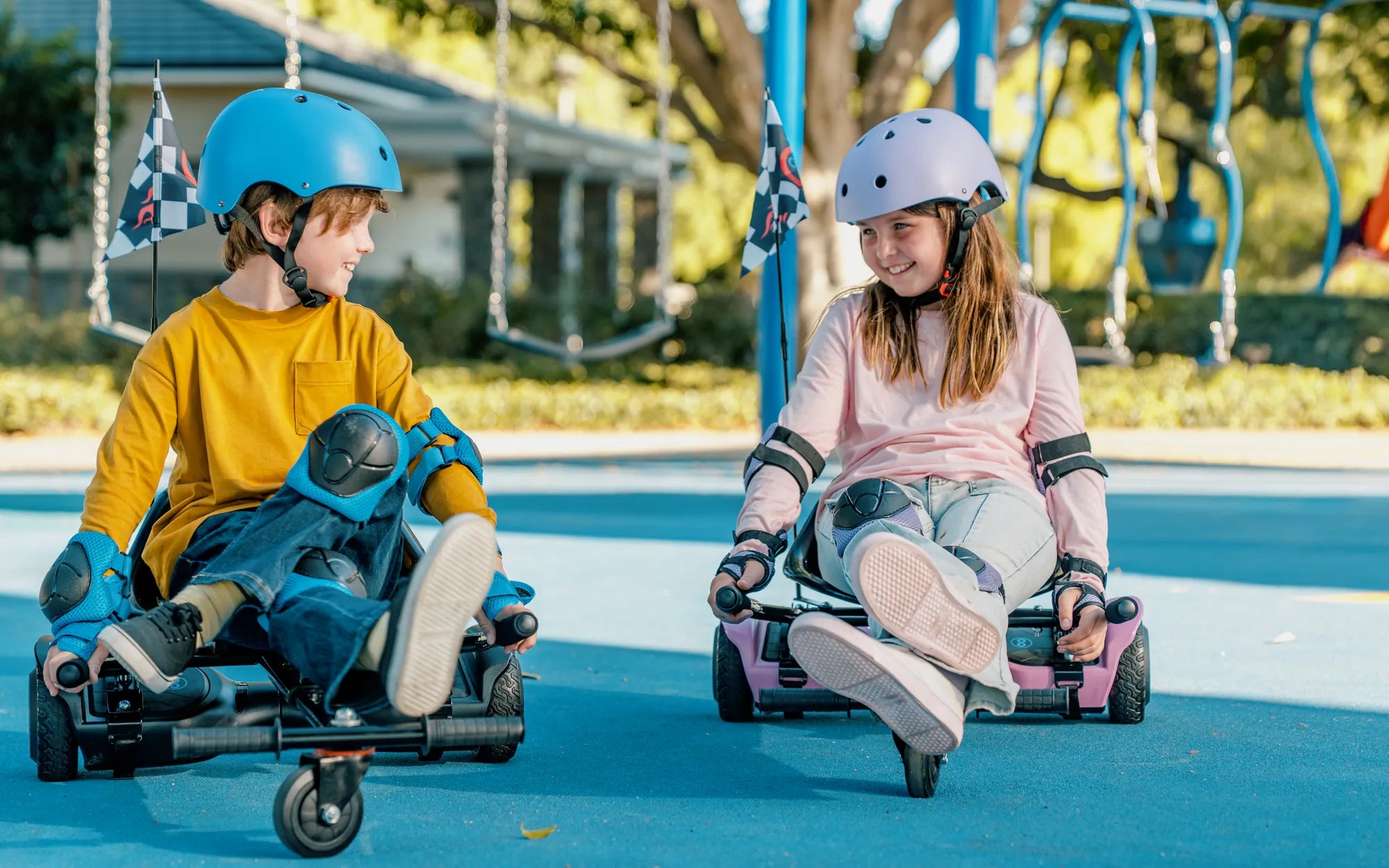
The argument that "it's just indoors" is the leading cause of preventable injuries. A fall onto a hard floor can result in concussions, fractures, or abrasions. Protective gear is mandatory, not optional. A properly fitted CPSC-certified bicycle helmet is the absolute minimum requirement.
Knee and elbow pads are highly recommended, especially for beginners. They protect vulnerable joints and give children the confidence to recover from minor wobbles without fear of painful scrapes. Making gear part of the pre-ride ritual instills lifelong safety habits.
Household Rules and Supervision Guidelines
Establish and consistently enforce clear rules. Key rules include: no riding near stairs or steps; no riding in kitchens or bathrooms (slippery floors); no passengers; and a strict "walk the scooter" rule when entering/exiting the riding zone. Set a maximum continuous riding time (e.g., 20-30 minutes) to prevent fatigue, which leads to loss of concentration.
Direct adult supervision is crucial for children under 8 and for all beginners. The supervisor should be present in the same room, free from distractions like phones. For older, experienced riders, periodic check-ins are sufficient, but the rules must remain non-negotiable.
Maintenance, Care, and Your Gyroor Warranty
Regular maintenance is proactive safety care. A well-maintained indoor electric scooter for kids performs reliably, lasts longer, and provides consistent safety. This routine is simple but systematic, focusing on the battery, mechanical parts, and understanding the warranty coverage that backs your purchase.
Neglecting maintenance can lead to degraded brake performance, unexpected power loss, or accelerated wear. Investing a few minutes after each ride and following a simple charging routine pays massive dividends in safety and product longevity, protecting your investment.
Battery Care Best Practices for Longevity
Always use the manufacturer-supplied charger. Charge the scooter on a hard, non-flammable surface in a well-ventilated area, away from direct sunlight and heat sources. Avoid leaving the scooter plugged in for extended periods after it reaches 100%. For storage longer than a week, maintain a charge level between 40-60%.
Recognize warning signs: if the battery compartment feels excessively hot during or after charging, if the scooter's range suddenly decreases significantly, or if the battery indicator behaves erratically, stop use and contact support. Gyroor's UL-certified packs are designed for stability, but proper care is still essential.
Simple Pre-Ride Safety Checks
Incorporate a 60-second checklist before every ride. For air-filled tires, ensure they are firm. Check that the folding mechanism (if present) is fully locked. Test the brakes at a slow speed. Visually inspect for any new cracks or loose bolts on the frame, handlebars, and stem. Wipe the deck clean of dirt or moisture that could cause slippery footing.
Teaching an older child to perform this check themselves fosters responsibility and mechanical awareness. It transforms them from a passive user into an engaged operator who understands their vehicle.
Understanding Your 1-Year Comprehensive Warranty
Gyroor's 1-year warranty is a comprehensive guarantee covering defects in materials and workmanship for the frame, motor, battery, and electronic controllers. It is a testament to the brand's confidence in its product's durability and safety. This warranty is a critical safety net, ensuring that any inherent manufacturing flaw will be addressed without cost.
To make a claim, retain your original purchase receipt. Contact Gyroor's US-based customer support for troubleshooting. The warranty underscores that you are purchasing an engineered vehicle, not a disposable toy. It provides the final layer of long-term assurance for parents.
Frequently Asked Questions (FAQs)
Q1: Are indoor electric scooters really safe for my hardwood floors?
Yes, if chosen correctly. Look for models with non-marking, rubberized or polyurethane wheels. Larger, air-filled tires are even gentler. Avoid scooters with hard plastic wheels. The low speeds of indoor models also minimize the risk of scuffing. Always keep the riding area free of abrasive debris.
Q2: What is the typical battery life per charge, and how long does it take to recharge?
Battery life varies by model and rider weight. Beginner models offer 40-60 minutes of intermittent use. Larger models can provide 80-100 minutes. Recharge times typically range from 3 to 5 hours for a full charge. It's best practice to recharge after the battery drops below 20%.
Q3: Can the scooter be used outdoors occasionally?
Many indoor-focused models, like those from Gyroor with an IPX5 rating, can handle brief use on dry, smooth outdoor surfaces like a driveway or sidewalk. However, they are not designed for rough terrain, wet conditions, or steep hills. Their tires and motors are optimized for flat, hard indoor surfaces. Occasional dry outdoor use is acceptable, but not their primary purpose.
Q4: At what age can my child typically "graduate" to an outdoor model?
This depends more on maturity, skill, and judgment than age alone. A child who has mastered an indoor scooter, consistently follows safety rules, and demonstrates good situational awareness may be ready for a supervised outdoor model around ages 10-12. An outdoor model requires understanding road safety, dealing with obstacles, and handling higher speeds.
Q5: How do I clean and maintain the scooter after indoor use?
Unplug it first. Use a dry or slightly damp cloth to wipe down the deck, frame, and wheels. For tougher grime, a mild soap solution is safe. Avoid high-pressure water or hose spray, even on water-resistant models. Ensure the scooter is completely dry before charging. Regularly check and tighten bolts as per the manual.
Conclusion: Investing in Safe, Unforgettable Fun
The journey to choosing the right indoor electric scooter for kids is defined by a commitment to safety-first principles. Prioritizing UL-certified batteries, graduated speed controls, and stable design is non-negotiable. Matching the scooter's capabilities to your child's age and your home environment ensures the experience is both fun and appropriate.
Establishing a culture of safety through prepared spaces, mandatory protective gear, and clear rules transforms a simple toy into a tool for developmental growth. It teaches responsibility, coordination, and the joy of independent movement in a secure setting. The memories created are those of confident smiles, not preventable accidents.
By selecting a brand like Gyroor, you invest in this philosophy. The combination of certified safety components, durable construction, and a supportive warranty offers unparalleled peace of mind. This ultimate guide aims to empower you with the knowledge to make that investment with confidence, unlocking a world of indoor adventure for your child.
Ready to explore models that put safety and fun first? Browse the full Gyroor collection at gyroorboard.com to find the perfect indoor electric scooter for your child.
Self Balancing Electric Scooter for Girls: The Ultimate Guide to Fun and Safe Riding
Smart Balancing Electric Scooter: The Future of Urban Mobility