

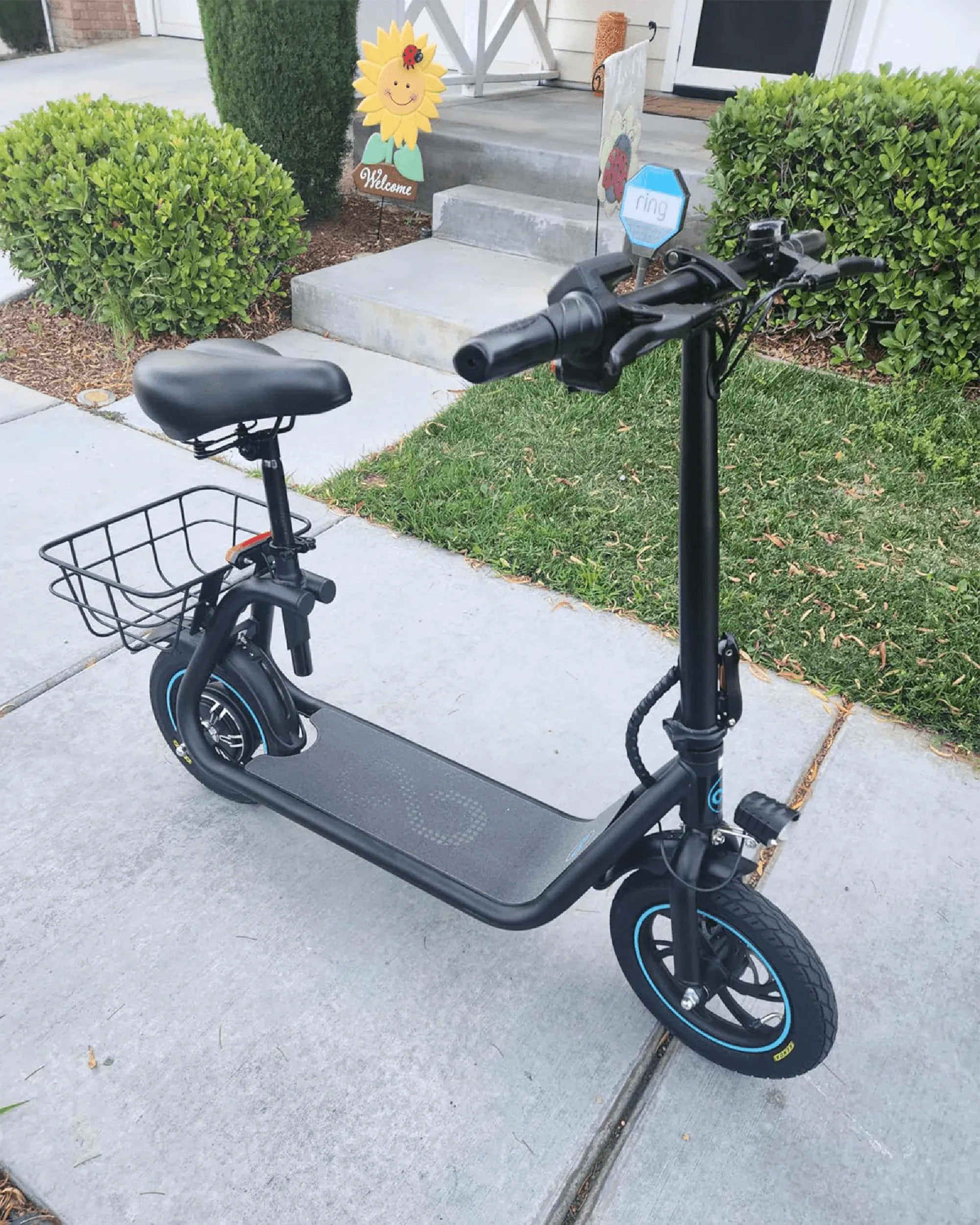
From bustling city streets to quiet suburban neighborhoods, the scooter has become a ubiquitous symbol of convenience and fun. But who was the mastermind behind this ingenious invention? The story of the scooter's creation is a tale of innovation, perseverance, and a dash of serendipity.
The Early Days of Personal Transportation
Long before the scooter became a global phenomenon, inventors were tinkering with ways to make personal transportation more efficient. The late 19th and early 20th centuries saw a flurry of activity as creative minds sought to bridge the gap between walking and full-sized vehicles. It was during this era of experimentation that the foundational ideas for the scooter began to take shape.
The Birth of a New Concept
The first recognizable scooter designs emerged in the early 1900s, combining elements from bicycles with innovative new features. These early prototypes featured small wheels, a narrow platform, and handlebars for steering. While several inventors contributed to the development of this new transportation method, one individual stands out as the true pioneer of the modern scooter.
The Visionary Behind the Design
The inventor of the scooter as we know it today was a mechanical engineer with a passion for efficient urban mobility. Frustrated by the limitations of existing transportation options, this innovator set out to create a device that was lightweight, portable, and easy to use. The breakthrough came with the development of a folding mechanism that allowed the scooter to be carried when not in use, making it perfect for commuters.
Evolution of the Scooter Design
Over the decades, the scooter underwent numerous refinements and improvements. Early models were made of heavy materials, but advancements in metallurgy and manufacturing techniques led to lighter, more durable designs. The addition of brakes, better suspension systems, and improved wheel technology transformed the scooter from a novelty item into a serious mode of transportation.
The Scooter's Rise to Popularity
World War II played a significant role in popularizing scooters, as fuel shortages made efficient personal transportation essential. Post-war economic booms saw scooters become symbols of freedom and mobility for young people around the world. The simple, affordable design made them accessible to a wide range of users, from students to office workers.
Modern Innovations and Future Possibilities
Today's scooters incorporate cutting-edge technology, with electric motors, digital displays, and smart connectivity features. The basic concept remains true to the original inventor's vision, but the possibilities for future development seem limitless. From urban commuting solutions to high-performance recreational models, the scooter continues to evolve.
As cities become more congested and environmental concerns grow, the humble scooter may hold the key to sustainable urban mobility. The inventor's original vision of efficient, portable transportation has never been more relevant, proving that great ideas truly stand the test of time.
Dirt Bike Kit: The Ultimate Guide to Upgrading Your Ride
Street Legal Dirt Bike for Adults: The Ultimate Off-Road Adventure Machine