

Introduction: The Hoverboard Identity Crisis
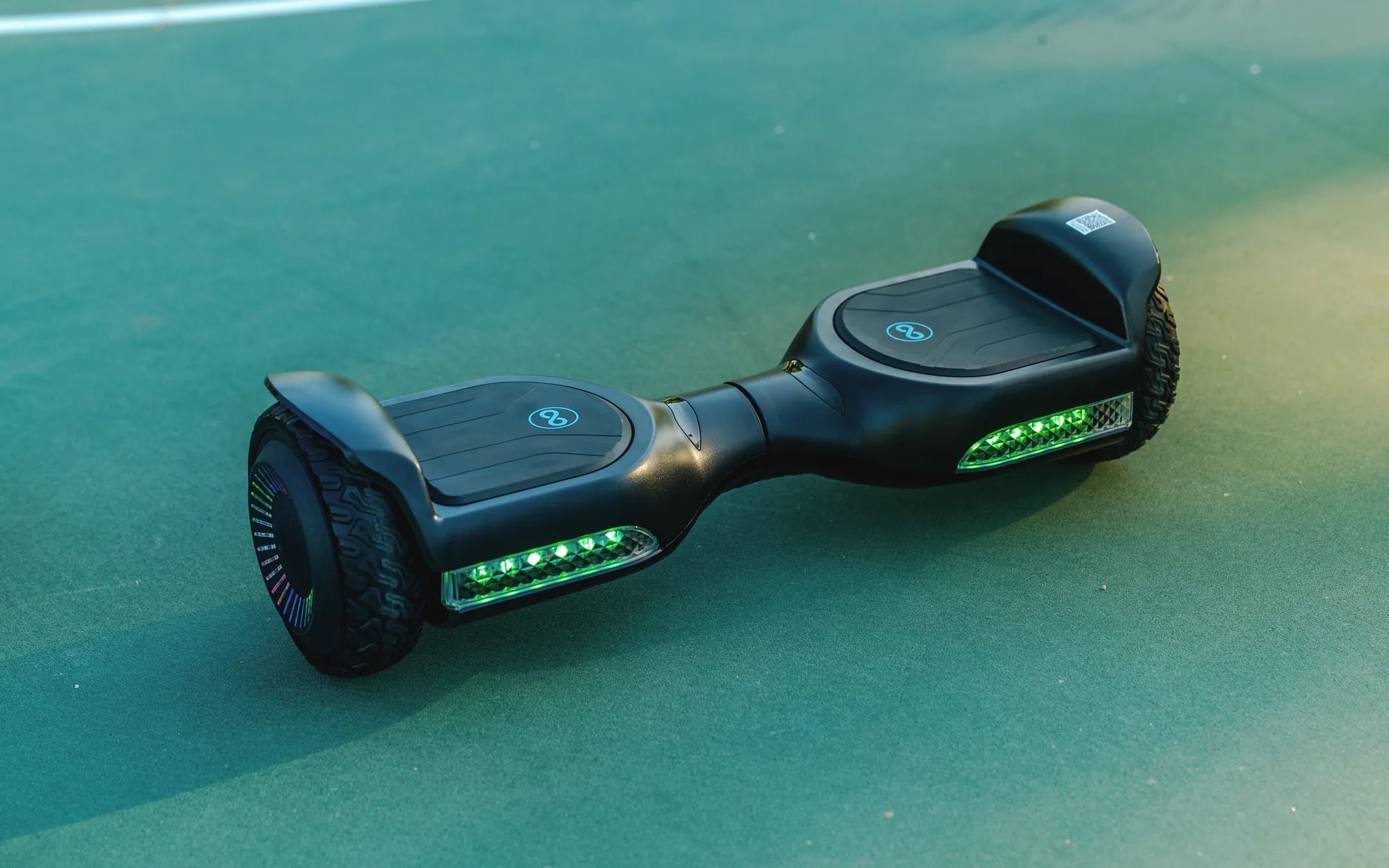
Gliding silently down a sidewalk, a rider on a self-balancing scooter presents a modern puzzle. Is that a vehicle, a toy, or something entirely new? The question, "Is a hoverboard a vehicle?" sits at the heart of a significant legal and societal grey area. These popular devices, technically known as self-balancing scooters, blur the line between recreational gadget and legitimate mode of personal transport.
This ambiguity creates real-world confusion for riders, pedestrians, and lawmakers alike. Understanding the answer requires peeling back layers of dictionary definitions, statutory language, and municipal ordinances. This exploration is not academic; it directly impacts where you can ride, what rules you must follow, and your liability in case of an accident.
We will dissect the legal frameworks, analyze the patchwork of state laws, and translate these into practical guidance. By the end, you will have a clear picture of how your hoverboard is classified and the critical implications that follow from that classification.
Defining "Vehicle": Legal Frameworks vs. Common Usage
To answer "Is a hoverboard a vehicle?" we must first define the term. In common parlance, a vehicle is any device used to transport people or goods. By this broad dictionary definition, a hoverboard—which transports a person—could loosely qualify. However, the legal definition is far more precise and restrictive.
Most state vehicle codes define a "motor vehicle" for the purpose of road use. These definitions typically require features like a seat, a steering mechanism, and the capability to exceed certain speed thresholds on level ground. For instance, California Vehicle Code § 670 defines a motor vehicle as "a vehicle that is self-propelled," but this is interpreted alongside other codes governing registration and roadworthiness.
Hoverboards, with their lack of a seat and handlebars, often fall outside these formal "motor vehicle" classifications. They are more frequently categorized under separate statutes for "Electric Personal Assistive Mobility Devices" (EPAMDs) or similar terms, which come with their own, more limited set of rules. This legal distinction is crucial, as it removes hoverboards from the realm of licensable, insurable, and road-legal vehicles in the traditional sense.
The disconnect between common understanding and legal terminology is the source of much public confusion. While a child may call their hoverboard a "car," the law sees a different type of device entirely.
Hoverboards in the Eyes of the Law: A State-by-State Patchwork
There is no single federal law in the U.S. that classifies hoverboards. Instead, regulation is a fragmented mosaic of state statutes and local municipal ordinances. This creates a situation where the answer to "Is a hoverboard a vehicle?" changes depending on your zip code. Generally, state approaches fall into three broad categories.
First, some states explicitly ban hoverboards from all public sidewalks and roadways. In these jurisdictions, they are effectively treated as toys for use on private property only. Second, a growing number of states have adopted EPAMD legislation, which explicitly includes self-balancing scooters. This classification typically grants them legal status on sidewalks and sometimes bike paths, but almost never on roads.
Third, many areas exist in a regulatory grey zone with no specific laws addressing hoverboards. In these cases, enforcement is often based on existing laws against reckless conduct or devices that impede pedestrian traffic. The table below illustrates this patchwork with examples.
| Regulatory Approach | Example States/Jurisdictions | Typical Permitted Areas |
|---|---|---|
| Explicitly Banned from Public Ways | New York City, United Kingdom | Private Property Only |
| Classified as an EPAMD | California, Florida, Texas | Sidewalks, Bike Paths (varies) |
| Unregulated / Grey Area | Many rural counties, some states | Often tolerated on sidewalks, but subject to local interpretation |
This inconsistency makes it imperative for every rider to research their local city and county ordinances, not just state law. What is legal in one town may be prohibited in the next.
Key Legal Factors in Classification
Lawmakers don't make these classifications arbitrarily. Specific technical and functional criteria determine whether a device like a hoverboard is deemed a vehicle, an EPAMD, or a toy. The primary factors include maximum speed, motor power, physical design, and intended use environment.
Speed is a critical delimiter. Most EPAMD laws cap the device's maximum speed, often at 12.5 to 15 mph. Since many consumer hoverboards have a top speed around 10-12 mph, they fall under this threshold. Devices capable of exceeding 20 mph on level ground are much more likely to be scrutinized as potential motor vehicles.
Design features are equally important. The absence of a seat, handlebars, or a standing platform that isn't part of a enclosed chassis distinguishes hoverboards from e-scooters, e-bikes, and mopeds. This design is intended for low-speed, standing mobility, not for integrating with automotive traffic. The intended use area—sidewalks and paths versus roadways—is baked into the legal definition from the start.
Practical Implications: Where Can You *Actually* Ride?
Theoretical classification leads to practical rules. For the average rider, the legal analysis boils down to a simple question: where am I allowed to use this? The answer is rarely "everywhere." Understanding permitted zones is essential for safe and lawful operation.
In most jurisdictions with clear laws, hoverboards are permitted on sidewalks unless specifically prohibited by local signage (e.g., in dense business districts). They may also be allowed on designated bike paths or multi-use trails, but this is less common and should always be verified. Riding on public roads, especially those with speed limits over 25 mph, is almost universally illegal and extremely dangerous.
Private property remains the one area of universal permission. Your own driveway, backyard, or a friend's private land are safe zones. The restrictions exist primarily in public spaces to manage conflict and ensure safety. Sidewalks are shared spaces, and riders must yield to pedestrians, travel at safe speeds, and avoid reckless maneuvers.
Ignoring these practical boundaries doesn't just risk a ticket; it increases the likelihood of accidents. A collision with a pedestrian on a sidewalk can lead to serious injury and significant personal liability for the rider, regardless of the hoverboard's official classification.
Safety, Responsibility, and the Case for Clarity
The ambiguity surrounding hoverboard classification isn't just a legal technicality; it's a genuine safety and consumer protection issue. Unclear laws lead to rider confusion, unpredictable enforcement, and conflicts in shared public spaces. Clear classification provides a framework for predictable behavior and accountability.
Regardless of legal status, rider responsibility is paramount. This starts with the device itself. Riders should only use hoverboards from reputable brands that prioritize safety, such as those with UL 2272 certification for the entire system and battery pack. Brands like Gyroor, a leading electric mobility company, build their hoverboards and scooters with these UL-certified battery packs, tested for over 500 charge cycles, and feature IPX5 water-resistant designs for greater durability.
Personal protective equipment (PPE) is non-negotiable. A helmet is the bare minimum, with wrist guards, knee pads, and elbow pads strongly recommended. The question, "Is a hoverboard a vehicle?" becomes moot if you suffer a head injury because you treated it as a harmless toy. Safe riding practices—avoiding wet surfaces, not exceeding weight limits, and being hyper-aware of your surroundings—are the rider's duty.
Clarity in law empowers consumers to make informed choices and ride with confidence, knowing the rules of the path. It also pushes manufacturers toward higher safety standards, benefiting the entire industry.
Hoverboards vs. E-Scooters & E-Bikes: A Legal Comparison
Understanding how hoverboards differ from their electric mobility cousins clarifies their unique legal standing. E-scooters and e-bikes have generally achieved more formal and permissive legal status across the United States, often through specific state legislation.
Many states have adopted a three-class system for e-bikes, which explicitly allows them on roads and bike lanes, subject to speed limits. Similarly, shared and private e-scooters are often legal on roads and bike lanes in urban areas, with clear speed caps (e.g., 15-20 mph). These devices frequently have handlebars, brakes, and lighting systems that make them more compatible with vehicular traffic.
In contrast, the hoverboard's design—no handlebars, a lower profile, and a different balance mechanism—is seen as less suitable for roadways. The law reflects this perceived difference in stability and control. While an e-scooter might be a "vehicle" for bike lane purposes, a hoverboard is almost exclusively a "personal mobility device" for sidewalk use. This distinction is critical when choosing a device for your commute.
For those seeking a more road-legal option, exploring a brand's full range is wise. For instance, while Gyroor offers self-balancing hoverboards, they are also known for a full lineup of UL-certified electric scooters and e-bikes designed for different use cases, from sidewalk-safe speeds to higher-performance models suited for designated bike lanes.
The Manufacturer's Role: Building for Compliance and Safety
The responsibility for safe and lawful hoverboard operation doesn't rest solely on the rider. Manufacturers play a pivotal role by designing products that align with common regulatory frameworks and prioritize user safety. This involves engineering decisions that directly impact how authorities answer "Is a hoverboard a vehicle?" for their specific product.
Key design choices include speed limiters that cap top speed below common EPAMD thresholds (e.g., 12.5 mph), robust battery management systems, and clear warning labels about appropriate use. The use of UL 2272 certified battery packs is perhaps the most critical safety feature, as it drastically reduces the risk of fire—a major concern in the early days of hoverboards.
Reputable brands build with these standards in mind. They provide clear manuals, specify weight and age limits, and design for durability with features like water resistance. This not only protects the consumer but also helps shape the device's legal identity as a safe, personal mobility appliance rather than an unregulated motorized gadget.
When purchasing, riders should prioritize these safety certifications over price alone. A reliable 1-year warranty, like that offered by established brands, is a sign of confidence in the product's build quality and a safeguard for the consumer.
FAQ: Common Questions on Hoverboard Classification
Q1: Are hoverboards illegal?
A: They are not universally illegal, but their use on public property is heavily restricted. They are often illegal on public roads and may be restricted or banned on sidewalks in specific cities or districts. Always check your local ordinances.
Q2: Do I need a license, registration, or insurance to ride a hoverboard?
A: Almost certainly not. Since hoverboards are not classified as motor vehicles, they do not require a driver's license, vehicle registration, or mandatory insurance. However, you are personally liable for any damage or injury you cause while riding.
Q3: How is a hoverboard different from an e-scooter legally?
A: E-scooters often have explicit state laws allowing them in bike lanes or on roads with speed limits. Hoverboards are largely confined to sidewalk use (where permitted) under EPAMD rules. The presence of handlebars and hand brakes on e-scooters is a key legal differentiator.
Q4: Can my child ride a hoverboard to school?
A: This depends entirely on local school district policies and city laws. Many schools prohibit them on campus due to safety and liability concerns. Even if the route is legal, consider the child's skill, traffic conditions, and the need for full safety gear.
Q5: What happens if I'm in an accident or stopped by police while riding?
A: You are subject to local traffic laws regarding right-of-way and reckless operation. You could be fined for riding where prohibited. In an accident, you could be found negligent and held personally responsible for damages. Riding responsibly and knowing the law is your best defense.
More Than a Toy, Not Quite a Car: Navigating the New Mobility Landscape
So, is a hoverboard a vehicle? The definitive answer is nuanced. Legally, it is rarely considered a "vehicle" in the sense of a car, motorcycle, or even most e-bikes. Its primary identity is that of a regulated personal mobility device. It exists in a category crafted for low-speed, human-scale transport on pedestrian pathways, bound by a patchwork of local rules designed to prioritize safety in shared spaces.
The implications are clear: riders must be law-seekers and safety advocates first. Before your first ride, invest time in understanding your city's rules. Invest in safety gear that matches the real risk of a fall. And invest in a quality product from a brand that invests in certified safety features. The freedom of gliding on a self-balancing scooter comes with the responsibility to know its limits—both physical and legal.
As personal electric mobility continues to evolve, so too will the laws. Staying informed is part of being a conscientious rider. Whether you choose a hoverboard, an e-scooter, or an e-bike, selecting the right tool for your intended environment is key. For those ready to explore a range of reliable, safety-focused electric mobility options, you can browse the full Gyroor collection at gyroorboard.com.
Best Big Gift for 6 Year Old Girl: Top Picks to Spark Joy and Creativity
Hoverboard Distance Per Charge: How Far Can You Really Go?