


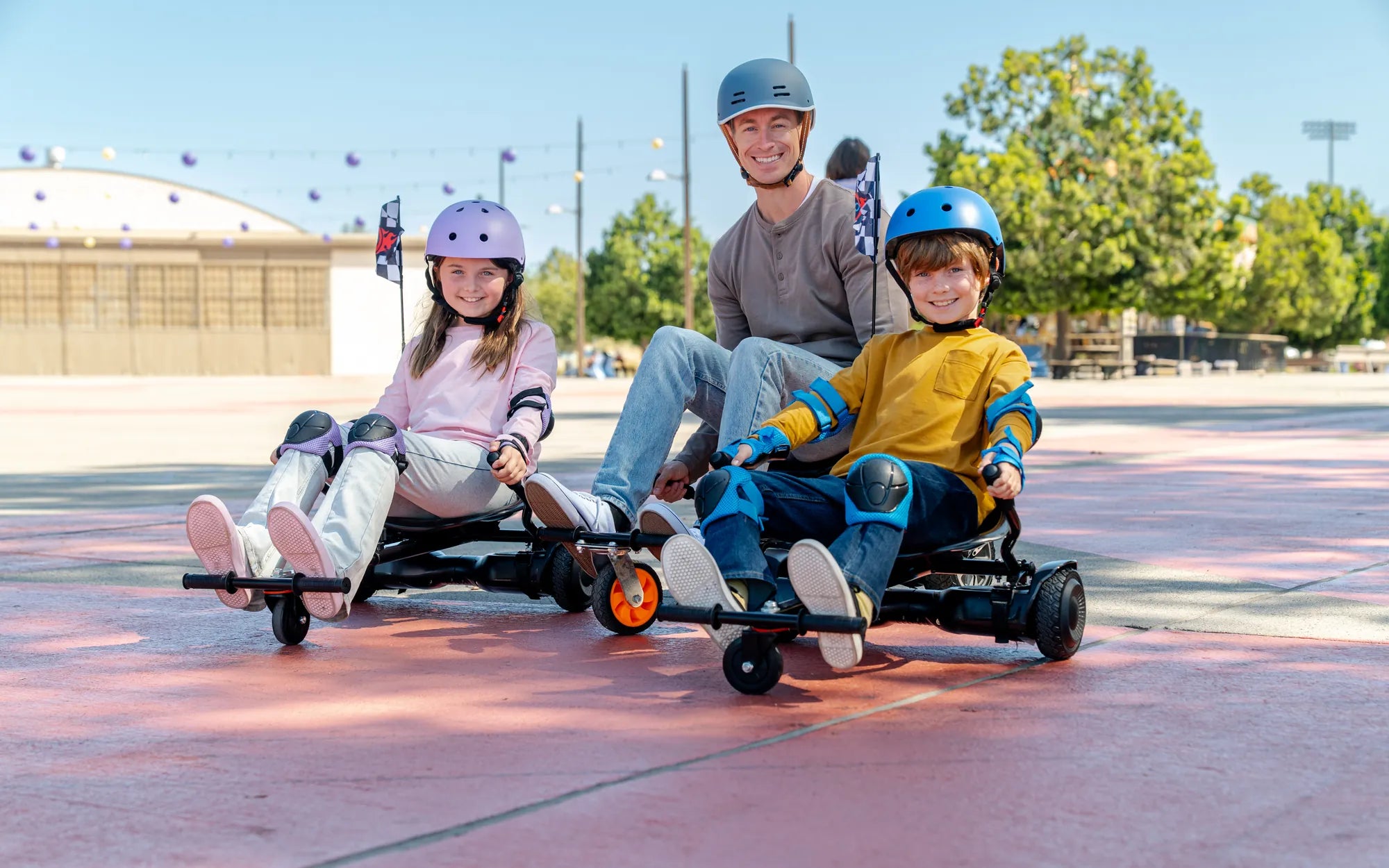
Hoverboarding isn't just a trendy way to commute—it might also be a secret workout in disguise. If you've ever wondered, "Is hoverboarding exercise?" the answer might surprise you. While it may not replace your gym routine entirely, hoverboarding engages multiple muscle groups, improves balance, and can even help burn calories. Let's explore how this futuristic activity can contribute to your fitness goals.
The Physical Demands of Hoverboarding
At first glance, hoverboarding seems effortless, but maintaining balance and control requires significant physical effort. Your core muscles work constantly to stabilize your body, while your legs and ankles adjust to subtle shifts in weight. Even your arms play a role in maintaining equilibrium as they naturally move to counterbalance your body.
Muscle Groups Activated During Hoverboarding
- Core muscles: Your abdominal and back muscles engage continuously to maintain posture and balance
- Leg muscles: Calves, quadriceps, and hamstrings work to control speed and direction
- Ankle stabilizers: Small muscles around your ankles strengthen as they make constant micro-adjustments
- Glutes: Your buttocks activate to help maintain proper stance and control
Calorie Burn and Cardiovascular Benefits
While hoverboarding won't give you the same intense cardio workout as running, it does elevate your heart rate and burn calories. A casual hoverboarding session can burn between 150-300 calories per hour, depending on your weight and intensity. More aggressive riding that includes turns, inclines, or tricks can increase this calorie expenditure significantly.
Factors That Affect Calorie Burn
| Factor | Impact on Calorie Burn |
|---|---|
| Rider weight | Heavier individuals burn more calories |
| Speed | Faster riding increases energy expenditure |
| Terrain | Uneven surfaces and inclines boost intensity |
| Duration | Longer sessions naturally burn more calories |
Balance and Coordination Benefits
One of the most significant fitness benefits of hoverboarding is the improvement in balance and coordination. Learning to hoverboard requires developing proprioception—your body's awareness of its position in space. This skill translates to better performance in other sports and activities, and can even help prevent falls as you age.
How Hoverboarding Improves Neuromuscular Control
- Challenges your vestibular system (inner ear balance)
- Strengthens neural pathways between brain and muscles
- Enhances reaction time to unexpected movements
- Develops bilateral coordination (using both sides of the body together)
Comparing Hoverboarding to Traditional Exercises
While hoverboarding shouldn't replace all forms of exercise, it offers unique benefits that complement traditional workouts. Unlike static exercises, hoverboarding combines elements of balance, coordination, and light cardio in a dynamic, engaging activity that many find more enjoyable than conventional workouts.
Exercise Comparison Chart
| Activity | Calories/Hour | Primary Benefits |
|---|---|---|
| Hoverboarding | 150-300 | Balance, coordination, core strength |
| Walking | 200-400 | Cardiovascular, lower body strength |
| Cycling | 400-600 | Leg strength, endurance |
| Yoga | 150-400 | Flexibility, core strength, stress relief |
Safety Considerations for Exercise Hoverboarding
To maximize the fitness benefits while minimizing injury risk, proper safety precautions are essential. Always wear protective gear including a helmet, wrist guards, and knee pads. Start with short sessions and gradually increase duration as your muscles adapt to the new demands. Avoid overly challenging terrain until you've mastered basic control.
Safety Checklist
- Wear appropriate protective gear
- Choose smooth, open surfaces for learning
- Maintain proper posture—knees slightly bent, core engaged
- Stay hydrated during longer sessions
- Listen to your body and rest when needed
Making Hoverboarding More Challenging
Once you've mastered basic hoverboarding, you can increase the exercise intensity by incorporating challenges. Try riding on different surfaces, practicing turns and maneuvers, or even attempting simple tricks (safely). These variations engage different muscle groups and increase the cardiovascular demand.
Advanced Hoverboarding Techniques for Fitness
- Figure-eight patterns to work oblique muscles
- Hill climbing for increased leg engagement
- One-legged riding to challenge balance
- Backward riding to activate different muscle groups
- Interval training—alternating between fast and slow segments
So, is hoverboarding exercise? Absolutely—it's a low-impact activity that strengthens muscles, improves balance, and burns calories while being incredibly fun. Whether you're looking for a new way to stay active or just want to add some variety to your fitness routine, hoverboarding offers surprising health benefits that make it more than just a cool way to get around.
Hoverboards Market: Trends, Growth, and Future Outlook
Hoverboards That Hover Off the Ground: The Future of Personal Transportation