



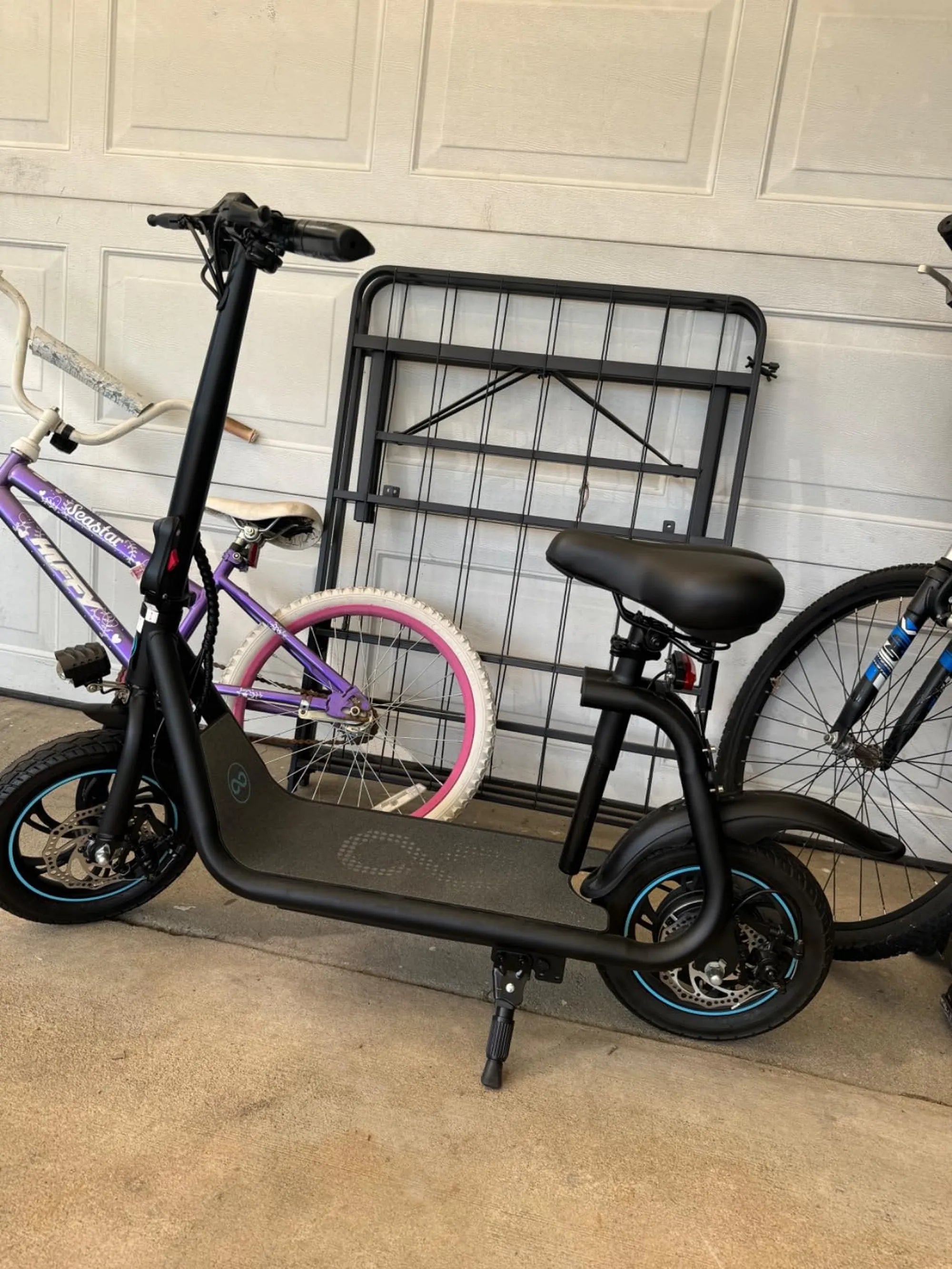
Ever wondered if balancing on an electric scooter is as tricky as it looks? The answer depends on your experience, the scooter's design, and how well you prepare. While it might seem daunting at first, mastering the art of balancing on an electric scooter is entirely achievable with the right approach. Let’s dive into the details and uncover the secrets to riding with confidence.
Why Balancing on an Electric Scooter Can Be Challenging
Electric scooters are designed for convenience and speed, but their compact size and two-wheeled structure can make balancing a bit tricky, especially for beginners. Unlike bicycles, which rely on momentum and handlebar steering for stability, electric scooters require a combination of body positioning, weight distribution, and subtle adjustments to stay upright.
Factors that influence balance include:
- Wheel Size: Smaller wheels are less stable but more maneuverable, while larger wheels provide better balance.
- Deck Width: A wider deck offers more space for foot placement, improving stability.
- Speed: Higher speeds can make balancing easier due to gyroscopic effects, but slow speeds require more control.
- Terrain: Uneven surfaces, gravel, or wet roads can disrupt balance.
Tips for Mastering Balance on an Electric Scooter
If you're struggling to stay upright, these practical tips will help you gain confidence:
1. Start on a Flat, Smooth Surface
Begin your practice in an open area with no traffic or obstacles. A smooth parking lot or empty sidewalk is ideal. Avoid hills or rough terrain until you're comfortable.
2. Maintain a Proper Stance
Stand with one foot slightly forward and the other foot positioned behind for stability. Keep your knees slightly bent to absorb shocks and maintain flexibility.
3. Use Your Arms for Balance
Hold the handlebars firmly but not too tightly. Your arms act as stabilizers—use them to make small adjustments as needed.
4. Look Ahead, Not Down
Focusing on the ground directly in front of you can throw off your balance. Instead, look several feet ahead to anticipate turns and obstacles.
5. Practice Slow Turns
Leaning slightly into turns helps maintain balance. Start with wide, slow turns before attempting sharper maneuvers.
Common Mistakes That Affect Balance
Many beginners struggle because of these avoidable errors:
- Standing Too Stiffly: Locked knees make it harder to adjust to bumps or shifts in weight.
- Overcorrecting: Jerky movements can destabilize the scooter—small, smooth adjustments work best.
- Improper Foot Placement: Crowding the front or back of the deck reduces control.
- Ignoring Speed Control: Going too fast or too slow can both make balancing harder.
How Long Does It Take to Get Comfortable?
Most riders feel confident within a few hours of practice. However, mastering advanced techniques like off-road riding or sharp turns may take weeks. The key is consistency—regular practice builds muscle memory and reflexes.
Final Thoughts: Balancing Is Easier Than You Think
While balancing on an electric scooter might seem intimidating at first, it’s a skill that improves quickly with practice. By following the right techniques and avoiding common pitfalls, you’ll be gliding effortlessly in no time. Ready to take your first ride? Grab your helmet, find a safe spot, and start practicing—you’ll be surprised how fast you pick it up!
Best Electric Scooter for Ladies: Top Picks for Style, Comfort, and Performance
Best Electric Scooter for Ladies: Top Picks for Style, Comfort, and Performance