



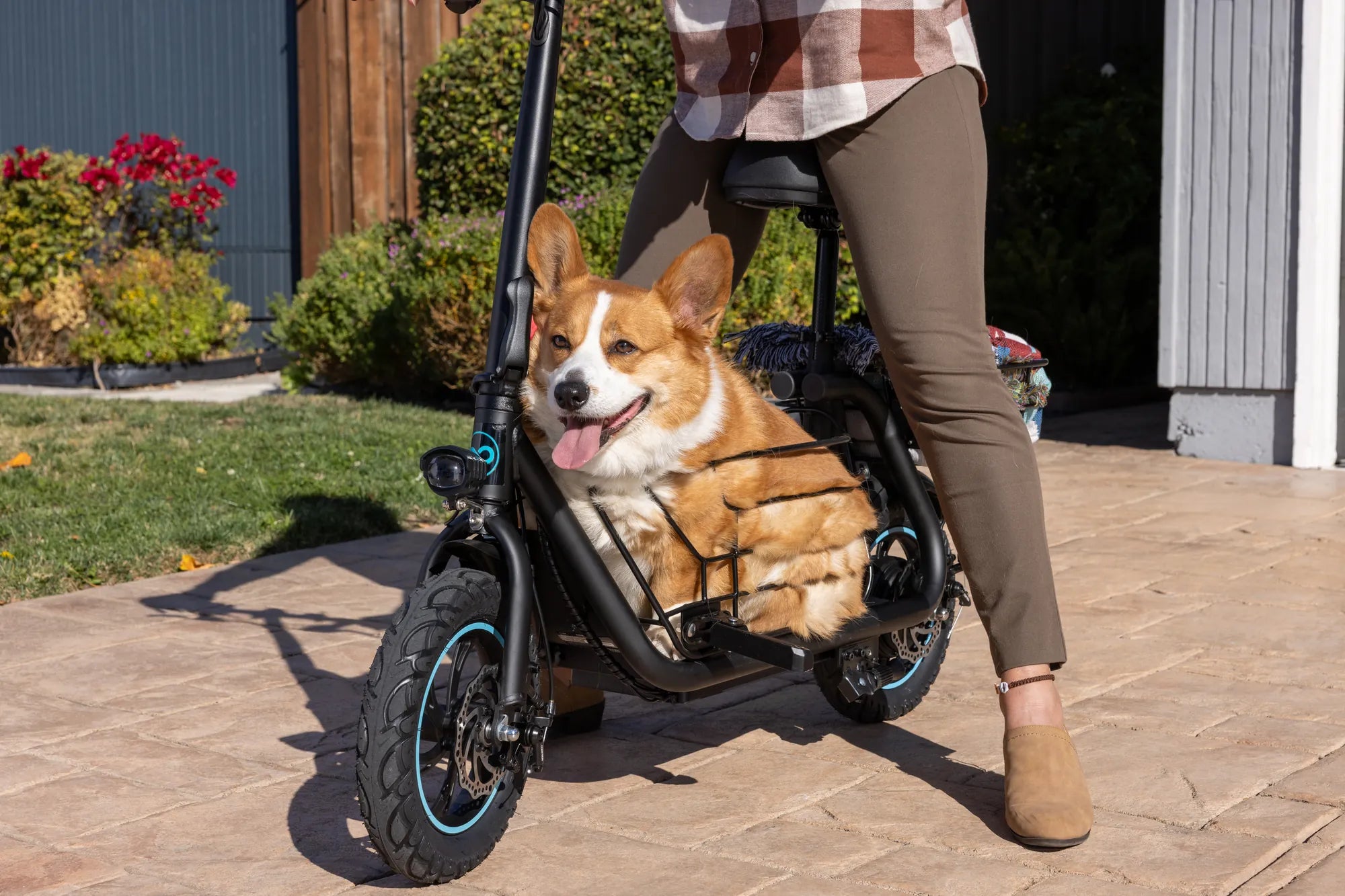
Electric bikes (e-bikes) are revolutionizing urban transportation, offering an eco-friendly and efficient way to navigate city streets. But as their popularity grows, so do questions about their legality. Is it illegal to ride an electric bike on the road? The answer isn't as straightforward as you might think. Let's dive into the laws, classifications, and safety measures that every e-bike rider should know.
Understanding Electric Bike Classifications
Before determining whether riding an e-bike on the road is illegal, it's essential to understand how these bikes are classified. Most regions categorize e-bikes into three main classes:
- Class 1: Pedal-assist only, with no throttle, and a maximum speed of 20 mph.
- Class 2: Throttle-assisted, with a maximum speed of 20 mph.
- Class 3: Pedal-assist only, with a maximum speed of 28 mph.
These classifications often dictate where and how e-bikes can be ridden. For example, Class 1 and 2 e-bikes are typically allowed on bike paths, while Class 3 may be restricted to roads.
Legal Considerations for Riding an E-Bike on the Road
The legality of riding an electric bike on the road depends on local and national regulations. In many places, e-bikes are treated similarly to traditional bicycles, meaning they are permitted on roads and bike lanes. However, some jurisdictions impose stricter rules, such as:
- Requiring riders to wear helmets.
- Setting age restrictions for e-bike operators.
- Mandating registration or insurance for higher-speed e-bikes.
It's crucial to research the specific laws in your area to avoid fines or legal trouble. Ignorance of the law is rarely an acceptable defense.
Safety Tips for E-Bike Riders
Even if riding an e-bike on the road is legal in your area, safety should always be a top priority. Here are some tips to ensure a smooth and secure ride:
- Always wear a helmet, regardless of local requirements.
- Obey traffic laws, including stop signs and traffic signals.
- Use hand signals to communicate your intentions to other road users.
- Stay visible by wearing reflective gear and using lights at night.
By following these guidelines, you can enjoy the benefits of e-biking while minimizing risks.
Common Misconceptions About E-Bike Legality
Many people assume that e-bikes are subject to the same rules as motorcycles or scooters, but this isn't always the case. Here are some common myths debunked:
- Myth: E-bikes require a driver's license. Reality: Most regions do not require a license for Class 1 or 2 e-bikes.
- Myth: E-bikes are banned from bike lanes. Reality: Many areas allow e-bikes in bike lanes, provided they meet certain criteria.
- Myth: E-bikes are too fast to be safe. Reality: When ridden responsibly, e-bikes are just as safe as traditional bicycles.
Understanding these nuances can help you ride confidently and legally.
What to Do If You're Unsure About Local Laws
If you're uncertain about the legality of riding an e-bike on the road in your area, take these steps:
- Check your local government's transportation or cycling website for official guidelines.
- Consult with a local bike shop or cycling advocacy group.
- Reach out to law enforcement for clarification.
Staying informed is the best way to avoid legal issues and enjoy your e-bike to the fullest.
Riding an electric bike on the road can be a liberating experience, but it's essential to know the rules of the road. By understanding the classifications, legal requirements, and safety measures, you can ride with confidence and peace of mind. Whether you're commuting to work or exploring scenic routes, staying informed ensures your e-bike adventures are both legal and enjoyable.
Moving Life Electric Scooter Batteries: The Future of Urban Mobility
How to Make a Regular Bike Electric: A Step-by-Step Guide