



Introduction: Why a Self-Balancing Scooter is More Than Just a Toy
Parents seeking active, screen-free play for their children have a powerful ally in the kids 2 wheel self balancing scooter. This innovative device transcends the label of a simple toy, serving as a practical tool that builds core strength, balance, and coordination through engaging outdoor activity. For the discerning parent, the choice of brand is paramount, as safety and durability are non-negotiable. This guide positions the kids 2 wheel self balancing scooter as a worthwhile investment in your child's development and fun.
Leading brands like Gyroor have engineered these scooters with a focus on the rigorous demands of young riders. Trusted by over 100,000 riders across North America and Europe, Gyroor exemplifies the marriage of fun and safety. This ultimate guide will equip you with the knowledge to select the right model, ensure safe operation, and understand the significant benefits this activity offers.
What is a Kids 2-Wheel Self-Balancing Scooter?
A kids 2 wheel self balancing scooter is a battery-powered, hands-free personal transporter. It features two wheels aligned on a single axis, with standing platforms on either side of a central column. Unlike a kick scooter, it has no handlebars. Unlike a hoverboard, its wheels are not housed within a single deck but are separated, offering a distinct riding experience that emphasizes dynamic balance.
The fundamental operation is intuitive: riders control speed and direction by leaning. To move forward, lean slightly forward; to slow down or reverse, lean back. Turning is achieved by applying subtle pressure with one foot forward and the other foot back. This "lean-to-steer" mechanism makes the ride feel natural and responsive once the basic balance is mastered.
How It Works: The Tech Behind the Fun
The magic of the self-balancing scooter lies in its internal gyroscopic sensors and intelligent control system. These sensors, similar to those in your smartphone, constantly detect the scooter's angle and tilt relative to the ground. This data is processed hundreds of times per second by a central microprocessor.
When the rider leans, the sensors detect the shift in the center of gravity. The processor instantly commands the electric motors inside each wheel to spin at precisely the right speed to catch the rider and move in the intended direction. Pressure-sensitive footpads provide additional directional input for smooth, controlled turns. This mature technology creates a stable and manageable learning curve for most children.
Key Benefits for Child Development and Family Fun
The value of a kids 2 wheel self balancing scooter extends far beyond simple amusement. It delivers tangible developmental advantages that support a child's physical growth and confidence, making it a standout choice for proactive parents.
Boosts Physical Coordination & Core Strength
Riding a self-balancing scooter is a full-body workout in disguise. Maintaining stability requires constant, subtle engagement of the core abdominal and back muscles. This improves overall posture and trunk stability. Furthermore, the act of balancing while in motion sharpens proprioception—the body's sense of its position in space—and enhances fine motor skills, reflexes, and overall coordination.
Encourages Outdoor Activity & Confidence
In an age dominated by screens, these scooters provide a compelling reason to go outside. Mastering the skill delivers a powerful sense of achievement, boosting self-esteem and resilience. It encourages exploration of neighborhoods and parks and often becomes a social activity, fostering friendships as kids ride together. The confidence gained from mastering a challenging physical skill can positively impact other areas of a child's life.
A Practical and Compact Transport Option
For family outings, trips to the park, or navigating a large neighborhood, a self-balancing scooter is a practical tool. It is significantly more portable than a bicycle, often light enough for a parent to carry if needed. Its electric, rechargeable nature makes it ready for adventure without physical exertion from the child during transit, saving their energy for play at the destination.
The Essential Safety & Buying Checklist for Parents
Not all kids 2 wheel self balancing scooters are created equal. This checklist provides a step-by-step framework to evaluate any model, using industry-leading standards as a benchmark for safety and quality.
Non-Negotiable Safety Features
First and foremost, insist on a UL-certified battery pack. This independent certification ensures the battery has passed rigorous tests for overcharge protection, short-circuit prevention, and overall electrical safety, drastically reducing fire risk. The scooter must also have a robust frame construction from materials like reinforced aluminum alloy. Non-slip footpad texture is critical for secure footing, and beginner-friendly speed modes with a manageable maximum speed (often around 7-10 mph for kids) are essential for safe learning.
Durability and Weather Readiness
Children ride in real-world conditions. An IPX5 water-resistant rating is a key indicator of durability. This means the scooter can withstand water jets from any direction, protecting its internal electronics from puddles, wet grass, and light rain. Without this protection, moisture ingress can lead to immediate failure or dangerous electrical shorts. Look for quality, air-filled or solid rubber tires that can handle cracks and bumps.
Age, Weight, and Performance Specifications
Match the scooter's specifications to your child's size. For younger riders (ages 6-10), a motor in the 200W-300W range with a lower top speed and a weight limit of around 150 lbs is typical. For older kids and teens (10+), more powerful 300W+ dual motors and higher weight capacities (up to 220 lbs) provide better performance on inclines. Always choose a scooter where your child's weight is comfortably within the middle of the manufacturer's stated limit.
The Importance of Warranty and Support
A comprehensive warranty is a brand's vote of confidence in its product. A clear 1-year warranty on the scooter, like that offered by Gyroor, provides crucial peace of mind. Equally important is accessible customer support. Knowing you can get help with troubleshooting, firmware updates, or replacement parts from a knowledgeable, US-based team is invaluable for a product in this category.
Gyroor's Commitment: Safety and Reliability Engineered for Kids
Gyroor's approach to the kids 2 wheel self balancing scooter category directly addresses the core concerns of safety-conscious parents, building every model to exceed the essential checklist.
UL-Certified Battery: Our #1 Priority
Every Gyroor scooter is powered by a UL-certified battery pack, tested for over 500 charge cycles. This is the non-negotiable foundation of their safety philosophy. For parents, this certification means independent verification that the battery's management system will prevent overheating, overcharging, and cell failure, ensuring long-term reliability and eliminating a primary safety worry associated with lesser products.
Built to Last: IPX5 and Rugged Design
Gyroor designs for real childhood adventures. The IPX5 water-resistant rating is standard across their relevant models, shielding the sophisticated electronics from everyday wet conditions. This is complemented by a reinforced steering column, durable ABS plastic body panels, and high-traction, wear-resistant tires. This combination ensures the scooter can withstand the bumps, scrapes, and occasional spills of active play.
Peace of Mind with Every Ride: The Gyroor Warranty
The Gyroor 1-year warranty is a straightforward promise of quality and support. It covers manufacturing defects and provides a clear channel for assistance. Backed by a brand with a 4.5/5 average customer rating, this warranty transforms a purchase from a simple transaction into a trusted partnership for your child's mobility and fun.
Getting Started: A Parent's Guide to First Rides & Training
A positive first experience is key to building confidence and ensuring safety. Follow this structured protocol to help your child learn effectively.
Choosing the Right Practice Environment
Begin on a smooth, flat, paved surface free of traffic and major obstacles. An empty tennis or basketball court, a clean driveway, or a quiet cul-de-sac are ideal. Avoid hills, gravel, sand, or grassy areas during the initial learning phase, as these surfaces require more advanced control and can be frustrating for a beginner.
Essential Safety Gear is Mandatory
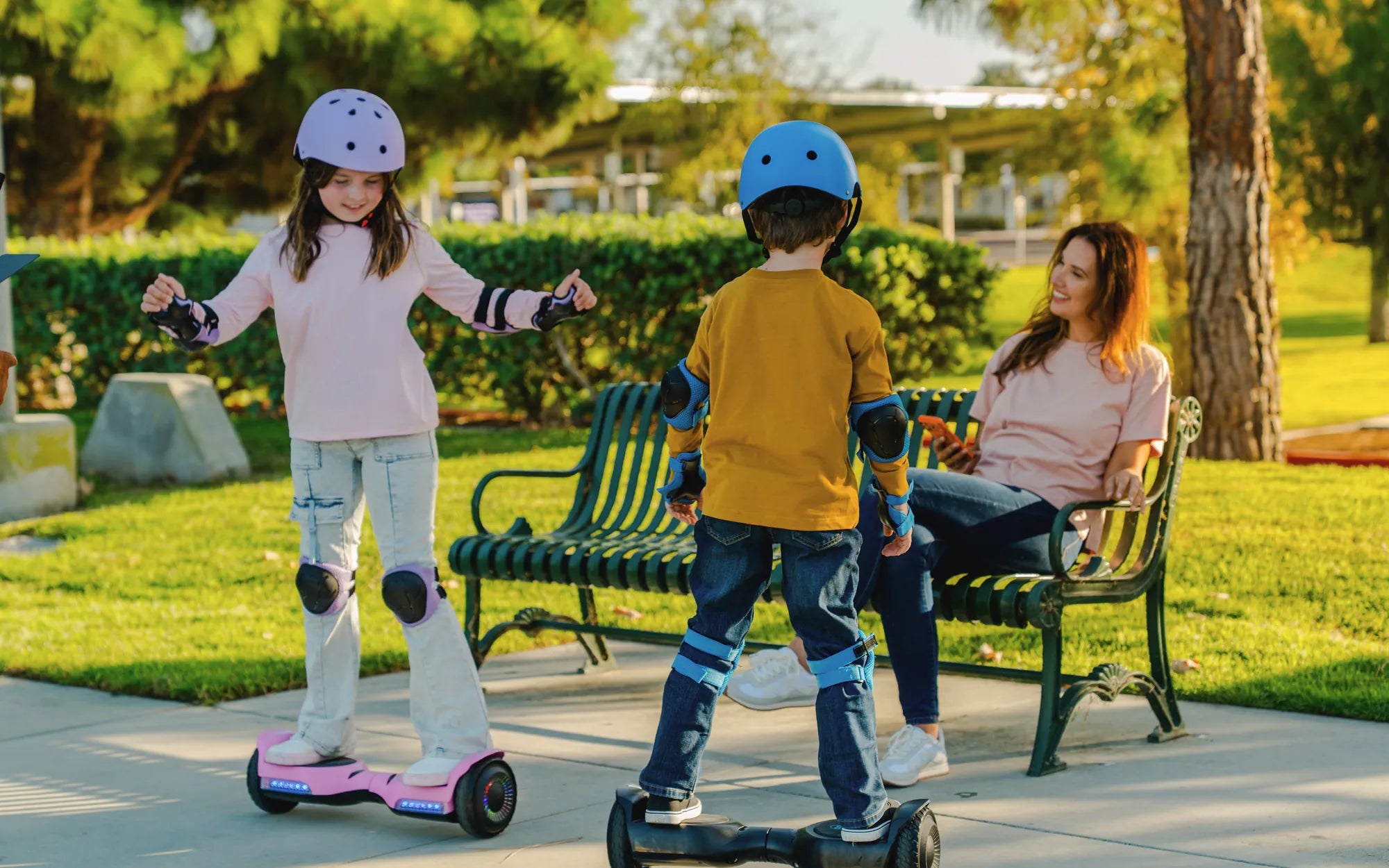
Before the scooter is even turned on, full safety gear must be worn. This is non-negotiable. The kit must include a CPSC-certified bicycle helmet, knee pads, elbow pads, and wrist guards. This protective equipment is the most important investment you can make alongside the scooter itself and should be worn for every single ride.
Step-by-Step Learning Protocol
1. Mounting/Dismounting: With the scooter off, have your child practice stepping on and off while holding a wall or your hand. 2. Finding Balance: Turn the scooter on and, with support, have them find the neutral "balance point" where it stays still. 3. Gentle Movement: Encourage a tiny forward lean to move slowly for just a few feet, focusing on stopping by leaning back. 4. Mastering Stop/Start: Practice moving 10 feet and stopping smoothly until it becomes instinctive. 5. Learning Turns: Once straight-line travel is comfortable, introduce gentle turns by applying slight foot pressure. Celebrate small victories and keep sessions short and positive.
Comparison: Key Features Across Different Rider Needs
The table below outlines how to match scooter specifications to your child's age and intended use, using general performance tiers.
| Rider Profile | Recommended Age | Motor Power | Max Speed | Key Features Focus | Ideal Use Case |
|---|---|---|---|---|---|
| Young Beginner | 6 - 9 years | 200W - 250W | 6 - 8 mph | Beginner speed mode, lower deck, light weight, robust frame | Supervised play in driveways, smooth park paths |
| Active Child | 9 - 12 years | 300W (Dual) | 9 - 10 mph | IPX5 water resistance, UL battery, improved range (8-10 mi), better hill climb | Neighborhood exploration, riding with friends, varied terrain |
| Older Kid/Teen | 12+ years | 350W+ (Dual) | 10 - 12 mph | Higher weight capacity, extended range (10+ mi), Bluetooth speaker options, app connectivity | Commuting to nearby friends' houses, family trail rides, longer adventures |
Frequently Asked Questions (FAQs) for Concerned Parents
What is the right age for a self-balancing scooter?
Most manufacturers recommend ages 6 and up. However, readiness depends more on the child's coordination, confidence, and ability to follow safety instructions than on age alone. A physically coordinated 5-year-old with good balance may be ready, while a cautious 7-year-old might need more time.
How long does the battery last, and what's the charge time?
On a single charge, most kids' models offer a range between 6 and 10 miles, depending on rider weight, terrain, and speed. Charge time typically ranges from 2 to 4 hours for a full charge. High-quality, UL-certified batteries like those from Gyroor maintain their range and health over hundreds of charge cycles.
Is it difficult for kids to learn?
Most children learn the basics within 30 to 60 minutes of guided practice. The learning curve is often shorter for kids than for adults, as they tend to have a lower center of gravity and less fear of falling. Using the step-by-step protocol outlined in this guide will accelerate the process and build confidence safely.
Can it be used indoors?
It is generally not recommended for use on hard indoor flooring (wood, tile, laminate) as the tires can leave scuff marks. Furthermore, the limited space and presence of furniture and hard surfaces increase the risk of collisions and injury. These scooters are best enjoyed in open outdoor or garage spaces.
What maintenance does it require?
Regular maintenance is minimal but important. Keep the tire pressure at the recommended PSI (for air-filled tires), regularly check for loose screws or bolts, and clean the footpads and body with a damp cloth. Avoid high-pressure water jets. Store the scooter in a cool, dry place and avoid leaving the battery fully depleted for extended periods.
Investing in Fun, Development, and Adventure
Choosing the right kids 2 wheel self balancing scooter is an investment that pays dividends in your child's physical health, confidence, and enjoyment of the outdoors. By prioritizing verified safety features like UL-certified batteries, demanding durability through IPX5 water resistance, and selecting a model backed by a strong warranty and support system, you can purchase with absolute confidence. Brands like Gyroor have built their reputation on these very principles, offering parents a trusted pathway to modern, active play.
Empower your child's sense of adventure and development with a tool designed for both safety and excitement. Explore a range of models engineered to meet the highest standards and find the perfect fit for your young rider's next adventure.
Ready to choose a scooter you can trust? Browse the full Gyroor collection at gyroorboard.com and discover models built with safety as the core feature.
Self Balancing Mini Scooter: The Future of Urban Mobility
12 Days of Christmas Gift Ideas for Kids: Creative and Fun Presents