



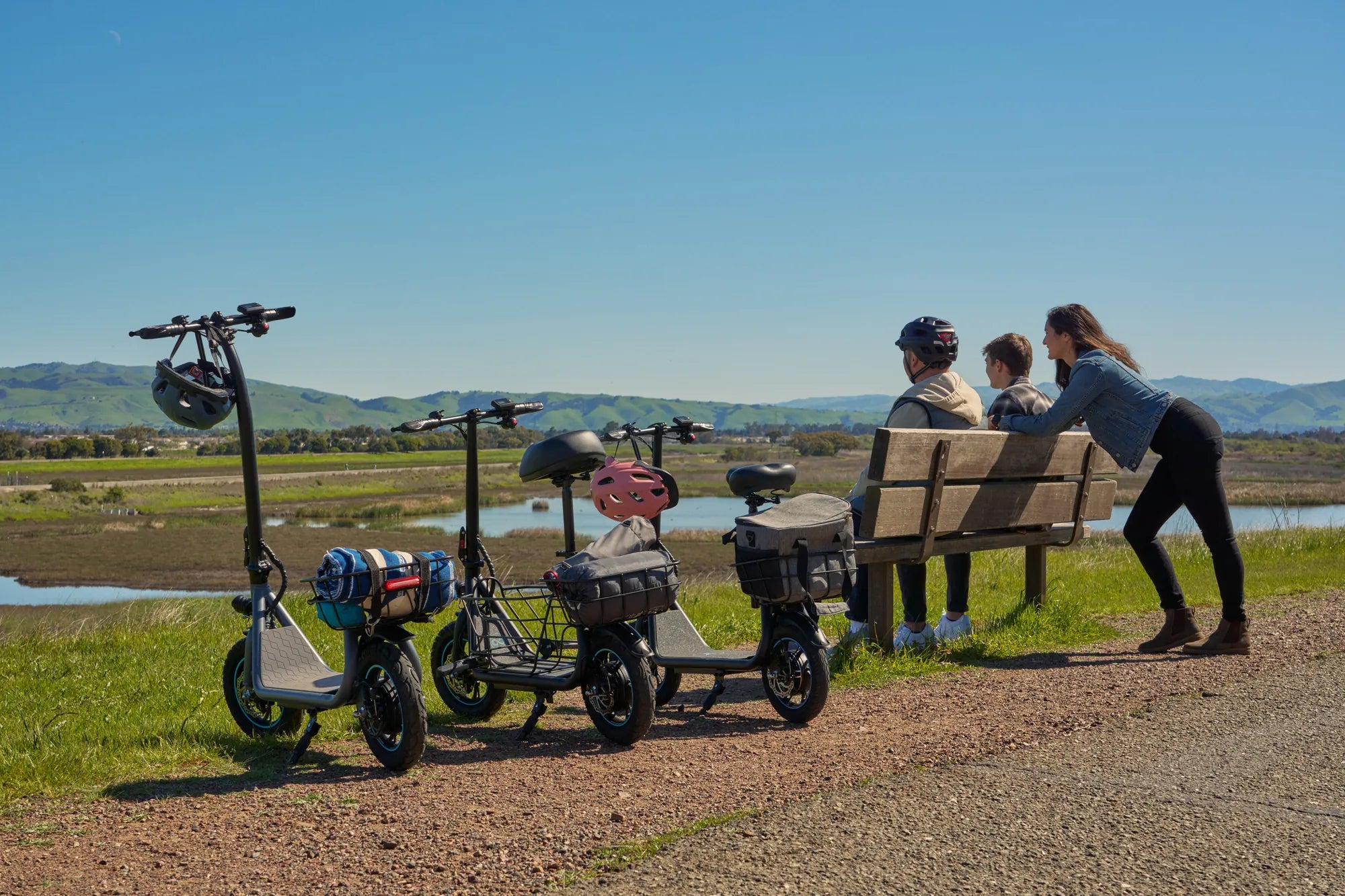
Introduction: The World of Kids' Dirt Bikes for 4-Year-Olds
Introducing a child to their first kids dirt bike at 4 years old is a thrilling milestone that opens a world of outdoor adventure. This decision goes beyond purchasing a toy; it's about investing in an activity that builds foundational motor skills, confidence, and a lifelong appreciation for active play. The right kids dirt bike for a 4 year old can transform a hesitant beginner into a confident young rider.
Navigating the market requires understanding critical distinctions in power, size, and safety. Parents must evaluate electric versus gas-powered models, balance bikes versus pedal starters, and prioritize features that ensure control and durability. The goal is to match the machine's capability to the child's physical development and coordination level.
Safety is the non-negotiable cornerstone of this journey. A proper fit, essential protective gear, and supervised learning environments are as important as the bike itself. This guide provides the data-driven insights needed to make an informed choice, ensuring the first riding experiences are positive, safe, and immensely fun.
We will explore the developmental benefits, break down key specifications, compare top models, and outline a complete safety protocol. By the end, you'll know exactly how to select, gear up, and start your 4-year-old on a path to responsible and joyful riding.
Why a Dirt Bike is a Fantastic Choice for a 4-Year-Old
Riding a kids dirt bike offers a 4 year old unparalleled developmental advantages that extend far beyond simple recreation. At this age, children experience rapid growth in coordination, balance, and spatial awareness. Operating a lightweight, manageable bike directly enhances these gross motor skills through constant micro-adjustments in posture and steering.
Mentally, riding demands focus and quick decision-making. A child learns to assess terrain, control speed, and navigate obstacles, which builds cognitive skills like risk assessment and problem-solving. This focused, outdoor activity also provides a healthy alternative to screen time, promoting an active lifestyle from an early age.
The experience fosters emotional resilience and independence. Mastering a new skill, such as completing a turn or navigating a gentle slope, provides a tangible sense of achievement. This boosts self-esteem and teaches the value of practice and perseverance in a fun, engaging context.
Furthermore, family rides or practice sessions become valuable bonding time. Sharing this hobby encourages communication, trust, and shared goals. It's an investment in a healthy, active family dynamic centered around outdoor adventure and skill development.
Key Features to Look for in a 4-Year-Old's Dirt Bike
Selecting the ideal kids dirt bike for a 4 year old requires careful analysis of specific features that guarantee safety and suitability. The primary considerations are size, power source, and integrated safety technology. These elements work together to create a bike that a child can control confidently and parents can trust.
Weight is a critical but often overlooked factor. A bike that is too heavy can be difficult for a 4-year-old to maneuver or pick up after a tip-over, leading to frustration. Look for models constructed with lightweight yet durable materials like aluminum alloy frames, which offer strength without excessive bulk.
Adjustability is key for growth. Features like an adjustable seat height and handlebars allow the bike to adapt to your child over a season or two, providing better value. Similarly, power settings that can be limited initially and increased as skills improve extend the bike's useful life and match the child's progression.
Size and Fit: The #1 Priority
The correct size is the most important safety feature. An ill-fitting bike is difficult to control and increases the risk of falls. The gold standard is the "flat-foot rule": when seated, the child should be able to place both feet flat on the ground with a slight bend in the knees.
To determine fit, measure your child's inseam. The seat height of the bike should be 1 to 2 inches less than this measurement. For most 4-year-olds, an inseam between 16 and 20 inches is common, corresponding to a seat height of 14 to 18 inches. Always refer to the manufacturer's size chart, as leg length trumps age.
A bike that is too tall forces the child to tiptoe, compromising balance during stops. Conversely, a bike that is too small cramps the riding position and becomes outgrown quickly. Proper fit ensures the child can stabilize the bike easily, building confidence from the very first ride.
Power Source: Electric vs. Gas-Powered
The choice between electric and gas power is fundamental. For a 4-year-old beginner, electric bikes present significant advantages. They operate quietly, eliminating noise intimidation and making them neighborhood-friendly. They produce zero exhaust fumes, which is better for the child's health and the environment.
Electric motors deliver instant, smooth torque, which is easier for a young rider to manage than the clutch and throttle coordination required by gas engines. Maintenance is vastly simpler—no oil changes, air filters, or spark plugs. Simply charge the battery. Brands like Gyroor prioritize safety with UL-certified battery packs, ensuring reliable power for over 500 charge cycles.
Gas-powered bikes, typically 50cc models, offer more raw power and longer ride times but come with complexities. They require fuel mixing, regular engine maintenance, and are louder. They are generally better suited for older children or those with direct, expert supervision in dedicated riding areas, not for the typical 4-year-old's first bike.
Essential Safety Features
Modern kids dirt bikes for 4 year olds incorporate crucial safety technology. A speed limiter or parental remote control is mandatory. This allows parents to set a very low maximum speed (e.g., 5 mph) for initial learning and increase it as the child's skill advances, ensuring they are never overwhelmed.
Automatic motor cut-off brakes are a vital feature. When the brake lever is pressed, the motor power is immediately interrupted, helping to prevent accidental acceleration. This gives the child a simple, intuitive way to stop the bike's power.
Durable construction with padded handlebars, a fully covered chain guard, and flexible plastic body panels helps minimize injury from incidental contact. A keyed ignition or start code prevents unauthorized use. For electric models, look for an IPX5 water-resistance rating, like those on Gyroor models, which protects against water splashes from puddles or light rain.
Top Recommended Picks for 2024
The market offers several excellent paths for a 4-year-old's first bike. The best choice depends on your child's personality, your access to riding areas, and your comfort with maintenance. The following comparison table outlines the primary options.
| Bike Type | Best For | Key Advantages | Considerations |
|---|---|---|---|
| Electric Mini Bike (e.g., Gyroor Warrior Mini) | Most 4-year-old beginners | Quiet, clean, low maintenance, parental speed control, instant start | Limited run time per charge (30-60 mins), requires charging |
| Balance Bike (No Pedals) | Mastering core balance & steering | Lightweight, simple, builds foundational skills, no power to manage | Child must propel themselves, may outgrow quickly, no motor |
| 50cc Gas-Powered Mini Bike | Older/more experienced 4-year-olds with expert supervision | Longer ride time, more power, authentic engine sound/feel | Loud, requires fuel/oil mix, more complex maintenance, heavier |
The Best Electric Starter Bike: Gyroor Warrior Mini
For a premier electric introduction, a model like the Gyroor Warrior Mini exemplifies ideal features for a 4 year old. Its design centers on safety and manageability, with a lightweight frame that a small rider can easily handle. The UL-certified battery ensures safe, reliable power, a critical consideration for parents.
It includes multiple speed modes controllable via a parental remote, allowing you to lock the speed to a safe crawl during the learning phase. The IPX5 water-resistant rating means a ride through a grassy field or a shallow puddle won't damage the electronics, adding to durability and fun.
The bike's power delivery is smooth and predictable, preventing jerky starts that can scare a beginner. Coupled with a reliable disc brake and automatic motor cut-off, it provides multiple layers of safety. The 1-year warranty offered by trusted brands like Gyroor provides peace of mind regarding manufacturing quality and durability.
The Classic Training Option: A Quality Balance Bike
A pedal-less balance bike remains one of the most effective tools for teaching the fundamental skills of riding: balance, steering, and leaning. By using their feet to push and glide, children develop an innate sense of two-wheel balance without the complication of pedals or power.
This foundational skill translates directly to any future bike, whether a pedal bicycle or a powered dirt bike. Starting on a balance bike can significantly shorten the learning curve for a powered bike later, as the child only needs to learn throttle control, not balance.
Look for a balance bike with air-filled tires (for better traction and shock absorption), an adjustable seat, and a hand brake. This introduces braking concepts early. It's a lower-cost, zero-maintenance entry point that focuses purely on skill development.
The Gas-Powered Entry: 50cc Mini Bike (with Heavy Caveats)
A small 50cc gas-powered dirt bike represents the traditional entry into motocross. It offers a more authentic riding experience with longer run times and increased power. However, it is not generally recommended as a *first* bike for a typical 4-year-old.
These bikes require understanding of a manual clutch and throttle coordination, which is a significant cognitive and physical leap. They are louder, which can be frightening or disruptive, and they emit exhaust fumes. Maintenance is more involved, requiring fuel-oil mixture and periodic engine care.
If this is the chosen path, it is imperative only for children with direct, constant supervision from an adult experienced with motorcycles. Riding should be strictly limited to controlled, private environments. The added complexity introduces more variables where safety can be compromised.
Gear Up: The Non-Negotiable Safety Kit
The bike is only half the equation; proper safety gear is absolutely essential. Every ride, even in the driveway, requires a full complement of protective equipment. This gear is designed to minimize injury from falls, debris, and impacts.
Helmet: This is the most critical piece. It must be a youth-specific, DOT-certified motocross helmet—not a bicycle helmet. It should fit snugly without pinching. A full-face helmet provides the best protection for the chin and face.
Goggles: Dirt, dust, and insects are hazards. Goggles protect the eyes and ensure clear vision. Look for anti-fog, scratch-resistant lenses with a comfortable, secure strap.
Gloves: Youth motocross gloves protect hands from blisters, handlebar vibration, and abrasion in a fall. They improve grip on the handlebars as well.
Boots: Over-the-ankle motocross boots are crucial. They support ankle joints, protect feet from impact, and provide grip for the footpegs. Stiff soles prevent foot fatigue.
Jersey and Pants: Long-sleeve jerseys and durable pants (often made of polyester or nylon) protect skin from sun, scratches, and minor abrasions. Motocross-specific gear is designed for mobility and breathability.
Body Armor/Chest Protector: For more ambitious riding on uneven terrain, a youth chest protector guards the torso, back, and sometimes shoulders against roost and impacts.
Getting Started: First Rides and Parental Guidance
The first few riding sessions set the tone for your child's entire experience. Patience and a structured approach are key. Begin in a completely safe, controlled environment—a flat, open, grassy field or an empty parking lot with a smooth surface. Avoid areas with slopes, traffic, or hard obstacles nearby.
Before the child gets on, conduct a pre-ride check. Ensure the tires are properly inflated, the brakes work, all bolts are tight, and the battery is charged (for electric bikes). Explain each part you're checking to build their understanding of the machine.
Start with the bike powered off. Have the child sit on it, find the balance point, and practice putting their feet down. Then, with the power on and set to the slowest speed mode, have them practice simply rolling forward a few feet and using the brake to stop. Repeat this until it's instinctive.
Focus on one skill at a time: starting, stopping, gentle turning. Keep sessions short (15-20 minutes) to match a 4-year-old's attention span. Always end on a positive note, with praise for what they did well. Your calm, encouraging presence is their biggest safety feature.
Frequently Asked Questions (FAQ)
What is the right size dirt bike for a 4-year-old?
The right size is determined by inseam, not age. Measure your child's inseam. The bike's seat height should be 1-2 inches less than this measurement. For most 4-year-olds, a seat height between 14 and 18 inches is appropriate. The child must be able to place both feet flat on the ground while seated.
Are electric dirt bikes powerful enough for real riding?
Yes, modern electric kids dirt bikes provide more than enough power for a 4-year-old. They offer smooth, instant torque perfect for learning. Their speed is appropriately limited for safety (often 5-15 mph max), which is ideal for beginners. They excel on grass, dirt paths, and light trails.
How do I maintain an electric kids' dirt bike?
Maintenance is minimal. Keep the battery charged, avoiding complete depletion. Store the bike in a dry place. Regularly check and tighten bolts, keep the chain lubricated (if applicable), and ensure tire pressure is correct. Wipe down the bike after muddy rides. Follow the manufacturer's specific guidelines for battery care.
Where is it safe for my child to ride?
Start on private, controlled property: a flat backyard, empty driveway, or a designated open field. Never on public roads, sidewalks, or near traffic. As skills advance, explore designated off-road trails, BMX tracks, or private motocross parks that allow beginner riders. Always have explicit permission to ride on any land.
Can my 4-year-old learn on a gas bike if an electric one seems too simple?
While possible, it is not advisable for a first-time rider. The operational complexity—clutch, throttle, gear shifting, loud noise, and maintenance—creates a steeper, more frustrating learning curve and greater safety risks. An electric bike allows them to master riding fundamentals (balance, steering, braking) first in a simpler, quieter, and more controllable environment.
Fostering a Lifelong Passion Safely
Choosing the perfect kids dirt bike for a 4 year old is an exercise in prioritizing safety, fit, and manageable fun over sheer power or aesthetics. By selecting a correctly sized bike with robust safety features, like those found in quality electric models, and pairing it with non-negotiable protective gear, you lay the foundation for countless hours of joyful, confident riding.
This journey is about gradual progression. Celebrate small victories—the first successful stop, the first completed circle—and focus on building skill and confidence at your child's own pace. The right start can ignite a passion for outdoor activity, mechanics, and motorsports that lasts a lifetime.
Remember, the bike is a tool for development and adventure. Your guidance, patience, and emphasis on safety are what truly empower your young rider. By making informed choices now, you open the door to a world of adventure where fun and safety ride together.
Ready to explore a range of youth-friendly, safety-focused electric ride-ons? Browse the full Gyroor collection, trusted by over 100,000 riders, at gyroorboard.com to find the perfect match for your young adventurer's first wheels.
250cc Dirt Bike for Sale Under $500: The Ultimate Budget Buyer's Guide
E-Bike Rankings: The Definitive Guide to Top Models and How to Choose