


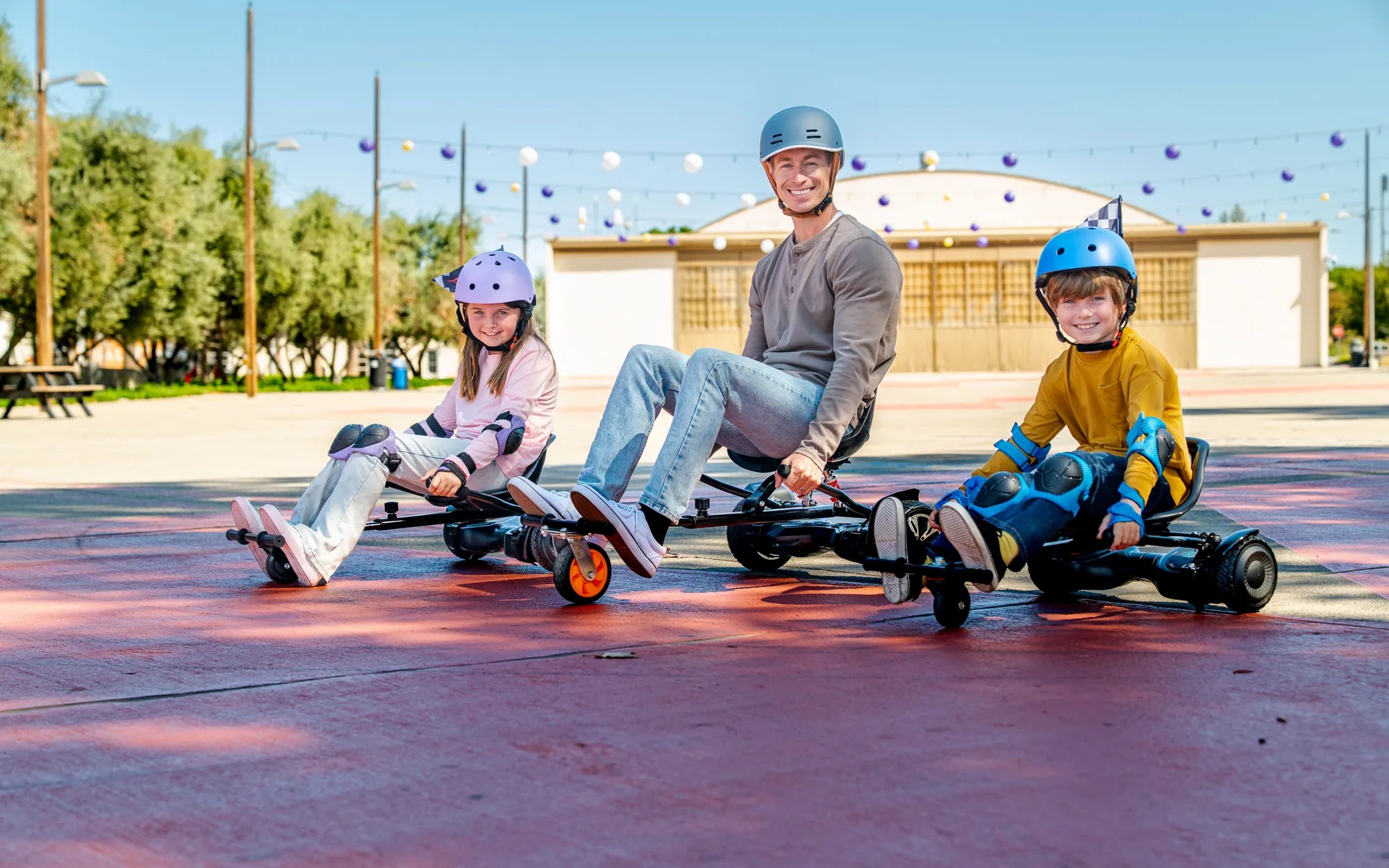
Choosing the right kids electric scoter 8+ is a significant decision that blends excitement with responsibility. This guide cuts through the noise to deliver a data-driven, safety-first framework for parents. You'll learn how to evaluate critical safety components, match scooter specifications to your child's development, and establish protocols for safe riding. We'll demystify technical terms, compare key features, and provide actionable steps to ensure this new mode of transport is both thrilling and secure for your young rider.
Why an Electric Scooter is a Developmentally Sound Choice for Kids 8+
For children aged eight and older, an electric scooter represents more than just a toy; it's a tool for developmental growth and practical mobility. At this age, children have typically developed the necessary motor skills, balance, and cognitive judgment to handle a powered vehicle under supervision. Riding an e-scooter actively engages core muscles, enhances proprioception (body awareness), and refines coordination in a dynamic environment.
Psychologically, it fosters a sense of independence and responsibility. Mastering the controls of a kids electric scooter 8+ builds confidence as children learn to navigate their environment with a new set of rules. It also encourages outdoor physical activity in an era dominated by screens, promoting cardiovascular health and spatial awareness.
From a practical standpoint, these scooters offer families a convenient solution for short-distance travel. They are ideal for trips to the local park, accompanying parents on neighborhood errands, or simply exploring safe pathways. Compared to a traditional kick scooter, the electric assist reduces fatigue, allowing for longer, more enjoyable excursions without compromising the physical engagement of balancing and steering.
Non-Negotiable Safety Features: A Technical Deep Dive
Safety is the paramount concern, and it begins with the scooter's fundamental engineering. Parents must look beyond marketing claims and verify the presence of certified, high-integrity components. The construction quality directly correlates with the margin of safety during unexpected events like a sudden stop or a minor collision.
A robust braking system is the first critical layer. A dual-brake setup, combining an electronic brake (which uses the motor to slow down) and a mechanical disc or rear fender brake, provides redundancy. This ensures reliable stopping power even if one system is compromised or on wet surfaces. The braking response should be progressive, not jarring, to prevent the rider from being thrown forward.
The frame and deck construction must inspire confidence. Look for aerospace-grade aluminum or reinforced steel frames that resist flexing. The deck should have a pronounced, slip-resistant texture to maintain foot placement during turns and over bumps. A low center of gravity, achieved through smart battery placement, significantly improves stability and handling for young riders.
The Critical Importance of UL-Certified Batteries and IPX Water Resistance
The battery is the heart of the scooter and its most critical safety component. A UL-certified battery pack has undergone rigorous independent testing by Underwriters Laboratories for electrical, mechanical, and fire safety. This certification verifies protections against overcharging, short-circuiting, and thermal runaway—a key concern with lithium-ion batteries. Brands like Gyroor use these UL-certified packs, which are tested for over 500 charge cycles, ensuring long-term reliability and peace of mind.
Water resistance, measured by the IP (Ingress Protection) rating, is equally vital for durability and electrical safety. An IPX5 rating, for example, means the scooter can withstand water jets from any direction. This level of protection guards against puddles, light rain, and wet roads, preventing water ingress that could damage electronics or cause a short circuit. It's a fundamental feature for a product designed for outdoor use by children.
The Parent's Buying Checklist: Evaluating the Perfect Model
Selecting the ideal kids electric scooter 8+ requires a systematic evaluation against your child's specific needs and your local environment. Use this checklist to compare models objectively and avoid being swayed by superficial features.
- Motor Power & Performance: For riders 8+, a motor in the 100W to 150W range typically offers a balanced blend of power and control. It provides adequate torque for gentle inclines (6-10% grades) without excessive speed that could overwhelm a beginner.
- Weight Capacity & Build: Always choose a scooter with a maximum weight capacity at least 20-30 lbs above your child's current weight. This ensures the frame, wheels, and motor are not overstressed, which preserves longevity and safe handling characteristics.
- Wheel Type & Size: Larger, air-filled (pneumatic) tires (8-8.5 inches) offer superior shock absorption and traction on uneven surfaces. Solid (airless) tires are maintenance-free and puncture-proof but provide a firmer ride. Consider your primary riding terrain.
- Adjustability & Ergonomics: Adjustable handlebar height is crucial for accommodating growth spurts. Proper ergonomics—where the child can stand comfortably with a slight bend in the knees and reach the controls easily—is essential for control and fatigue reduction.
Mastering Speed Settings and Parental Control Locks
Speed management is the cornerstone of safe initiation. The best kids electric scooter 8+ models feature multiple speed modes (e.g., Beginner: 5 mph, Medium: 8 mph, Advanced: 10-12 mph). This allows a child to progressively build skill and confidence in a controlled manner.
However, the presence of a secure parental control lock is non-negotiable. This feature, often a PIN code set via a display or a physical key, allows parents to lock the scooter into a lower speed mode permanently. It prevents the child from accidentally—or intentionally—switching to a dangerous top speed before they have mastered the fundamentals. This technological safeguard is a critical tool for enforcing the rules you set.
Comparative Analysis: Key Models and Features for Ages 8-12
The table below provides a data-driven comparison of common scooter configurations suitable for the 8+ age bracket, highlighting how different features cater to varying priorities such as comfort, safety control, and terrain handling.
| Feature / Priority | Urban Commuter Model | All-Terrain Explorer | Lightweight Beginner |
|---|---|---|---|
| Ideal Use Case | Smooth pavements, sidewalks, bike paths | Park trails, gravel paths, mild off-road | First-time riders, controlled environments |
| Typical Motor Power | 120W | 150W | 100W |
| Wheel Type & Size | 8.5" Solid Rubber | 8.5" Air-Filled (Pneumatic) | 8" Solid Rubber |
| Max Speed (Lockable) | 10 mph | 12 mph | 7.5 mph |
| Key Safety Highlight | Bright LED lights, responsive e-brake | Dual suspension, disc brake | Simplified controls, slow start mode |
| Primary Advantage | Low maintenance, reliable for daily use | Superior comfort and traction on bumps | Easiest to learn, highly manageable |
Gyroor's Engineering Philosophy: Safety as a Foundation, Not a Feature
For a brand trusted by over 100,000 riders across North America and Europe, safety is engineered into the product from the first blueprint. Gyroor's approach for the kids electric scooter 8+ category is defined by certifiable safeguards and durable design. This commitment is evidenced by the standard use of UL-certified battery packs in their models, a specification that addresses the foremost concern of battery fire risk.
Beyond the battery, the IPX5 water-resistant rating is applied to relevant models, ensuring the electrical systems are protected from the elements. The brand's 1-year comprehensive warranty on the motor, battery, and controller is a testament to their confidence in component longevity and reliability. This warranty, backed by accessible US-based customer support, provides a tangible safety net for parents, ensuring help is available if technical issues arise.
The design ethos focuses on stability and control. Features like wide, textured decks, low center-of-gravity battery placement, and progressive braking systems are not afterthoughts but core design principles. This results in a kids electric scooter 8+ that behaves predictably, giving young riders the best possible platform to develop their skills safely.
Establishing Safe Riding Protocols: Training and Community Etiquette
The safest scooter is only as safe as the rider using it. A structured training program is essential. Begin in a vast, empty, and smooth area like a vacant parking lot or a quiet cul-de-sac. Before switching the power on, have your child practice simply standing on the deck, kicking off, and using the mechanical brake to stop, familiarizing themselves with the balance point.
Gear is non-negotiable. A properly fitted CPSC-certified bicycle helmet is mandatory. Elbow and knee pads are highly recommended, especially during the learning phase. Bright or reflective clothing increases visibility to others.
Establish clear rules of the road from day one. These should include: always riding on sidewalks or designated bike paths (never on roads with traffic), yielding right-of-way to pedestrians, slowing down at intersections and driveways, avoiding riding at dusk or in the dark without enhanced lights, and never carrying passengers. Constant adult supervision is required until the child demonstrates consistent mastery of all controls and rules.
Maintenance and Care: Ensuring Long-Term Performance and Safety
Regular maintenance is a safety practice. A simple pre-ride checklist takes 30 seconds and can prevent accidents. Teach your child to participate: check tire pressure (for pneumatic tires) or for wear/debris (for solid tires), test that both brakes engage firmly, ensure the handlebar and stem are tight and not wobbly, and verify that all lights are functional.
Battery care is crucial for performance and lifespan. Follow the manufacturer's charging instructions precisely. Typically, this involves not leaving the scooter plugged in for extended periods after it's fully charged, storing it in a cool, dry place (not in a freezing car or direct summer sun), and avoiding completely draining the battery before recharging. A well-maintained UL-certified battery should provide reliable performance for years.
Periodically inspect the scooter for any signs of damage, loose bolts, or unusual sounds. Tighten any fasteners as needed. Keep the scooter clean by wiping it down with a damp cloth; avoid high-pressure hoses even on water-resistant models to prevent forcing water into seals.
Frequently Asked Questions (FAQs)
Q1: What is the ideal age for a child's first electric scooter?
A: While readiness varies, age 8 is a common baseline. Key indicators include the child's physical coordination, ability to follow complex safety instructions, and demonstrated responsibility. The child should be comfortable on a traditional kick scooter first.
Q2: How far can a typical kids electric scooter 8+ travel on one charge?
A>Range varies by battery capacity, rider weight, terrain, and speed. Most models for this age group offer a range between 6 and 10 miles per charge. This is ample for neighborhood adventures and can be extended by using lower speed modes.
Q3: Can it handle hills?
A>Moderate inclines, yes. A scooter with a 150W motor can typically handle grades of up to 10-12%. Steeper hills may reduce speed significantly or require occasional kicking assist. It's important to manage expectations; these are not designed for steep, sustained climbs.
Q4: How difficult is assembly?
A>Most quality scooters arrive 90% pre-assembled. Final assembly usually involves attaching the handlebars to the stem and tightening a few bolts with included tools—a process that takes 10-15 minutes. Always follow the provided instructions and ensure all connections are secure before the first ride.
Q5: What is the most important safety feature after a good helmet?
A>The braking system. Redundant, reliable brakes are your child's primary tool for avoiding collisions. A dual-brake system (electronic + mechanical) and a scooter with a speed limiter or parental lock function are the most critical hardware-based safety features on the scooter itself.
Empowering Young Riders with Confidence and Responsibility
The journey to selecting and using a kids electric scooter 8+ is a collaborative one between parent and child, rooted in informed choices and clear boundaries. By prioritizing certified safety components like UL batteries, seeking out models with enforceable parental controls, and committing to thorough training and gear, you transform a simple purchase into an opportunity for growth. This balanced approach allows the natural excitement and freedom of riding to flourish within a framework of security and responsibility. The right scooter becomes a gateway to outdoor adventure, physical activity, and cherished family moments, all built on a foundation of safety.
Ready to explore models that put safety and reliability first? Browse the full Gyroor collection, featuring UL-certified batteries, robust parental controls, and IPX5 water-resistant designs, at gyroorboard.com.
Hoverboard Tricks for Beginners: Master the Basics and Impress Your Friends
Hoverboard Run Time: How Long Can You Ride Before Needing a Charge?