

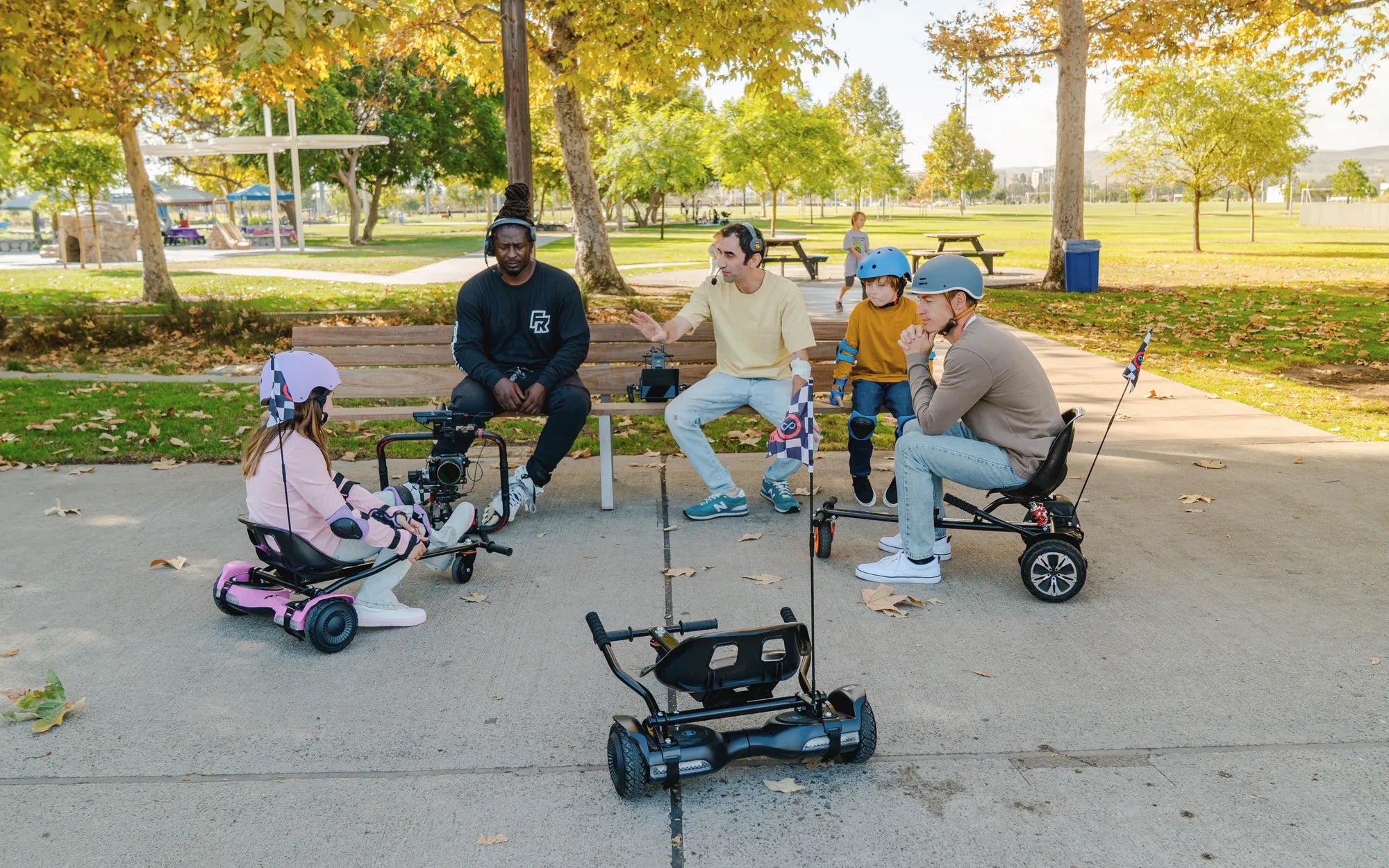
Introduction: Why a Seated Electric Scooter is a Game-Changer for Kids 5-8
Choosing the right first electric vehicle for your child is a significant decision. For parents of children aged 5 to 8, a kids electric scooter with seat age 5-8 represents the perfect blend of thrilling independence and secure, manageable fun. This guide cuts through the marketing noise to deliver the facts you need.
You will learn how to prioritize safety features, understand technical specifications, and select a model that matches your child's development. We focus on data-driven comparisons and practical advice, highlighting why engineering from reputable brands matters. The goal is to empower you with knowledge, ensuring your child's riding experience is both joyful and safe.
Brands like Gyroor have built trust by focusing on this specific age group. With over 100,000 riders globally, their approach combines UL-certified battery safety with designs tested for real-world use by children. This guide will reference these principles as a benchmark for what to look for in any model you consider.
Key Safety Features Every Parent Must Prioritize
Safety is non-negotiable. The core engineering of a scooter determines its fundamental safety profile. Start by verifying the battery certification. A UL-certified battery pack, like those used in Gyroor models, has undergone rigorous testing for over 500 charge cycles, drastically reducing fire risk—a paramount concern for any parent.
Speed control is the next critical feature. A quality kids electric scooter with seat age 5-8 will have an adjustable speed limiter, typically with 2 or 3 modes. For beginners, a beginner mode capped at 3-4 mph is essential. As skills improve, parents can unlock higher speeds, usually maxing out at a safe 7-9 mph for this age bracket.
The braking system must be redundant and intuitive. Look for a combination of a disc brake and an electronic brake. The disc brake provides reliable, mechanical stopping power, while the e-brake acts as a secondary system. This dual setup ensures a child can stop safely even if one system is engaged.
Finally, examine the physical stability. A wide, textured deck provides secure footing. Pneumatic (air-filled) tires offer better shock absorption and traction on uneven surfaces compared to solid rubber tires. A low center of gravity, aided by the seat, also contributes significantly to stability, preventing tip-overs.
The Gyroor Advantage: Engineering for Young Riders
Gyroor designs its scooters with a clear understanding of a child's needs and a parent's concerns. This focus translates into specific advantages that set a high standard for the category. Their commitment begins with the power source: every model uses a UL-certified battery, providing a foundational layer of safety that cheaper alternatives often lack.
Durability is engineered for play. An IPX5 water-resistant rating means the scooter can withstand water jets from any direction. This makes it resilient against puddles, wet grass, or light rain, ensuring a minor splash doesn't end the fun or damage the electronics. It’s a feature that speaks to real-world, messy childhood adventures.
Support and warranty offer peace of mind. Gyroor backs its products with a robust 1-year warranty and accessible US-based customer support. For parents, this means help is available if any issues arise, protecting your investment. The design is also thoughtful: ergonomic seats, intuitive thumb throttles, and bright LED lights for visibility are all standard.
This holistic approach—from certified components to user-friendly design—exemplifies what to seek in a kids electric scooter with seat age 5-8. It’s not just about specs; it’s about creating a reliable product that withstands the test of an active child’s daily use.
Choosing the Right Model: A Parent's Comparison Checklist
Navigating different models requires a structured comparison. Use the following checklist to evaluate options based on your child's size, skill level, and where they'll ride. The table below outlines key specifications to compare directly.
| Feature | Importance for Age 5-8 | What to Look For |
|---|---|---|
| Max Speed & Modes | Critical for safety and skill progression. | Adjustable limiter (3 modes ideal). Max speed of 7-9 mph. |
| Motor Power | Determines hill-climbing ability and smooth start. | 150W to 200W motor for adequate torque on gentle inclines. |
| Battery Range | Affects duration of play per charge. | 6-10 miles per charge. Ensure battery is UL-certified. |
| Weight Limit | Ensures scooter is rated for your child's size. | Minimum 120 lbs capacity to accommodate growth. |
| Tire Type | Impacts ride comfort and traction. | Pneumatic (air-filled) tires preferred for shock absorption. |
| Special Features | Enhances safety and fun. | LED lights, carry handle, digital display, app connectivity. |
For a smaller 5-year-old, prioritize a lower minimum speed and a lightweight frame. A 7- or 8-year-old with some experience might benefit from a more powerful motor for driveway hills and a longer battery range. Always cross-reference the manufacturer's recommended age and weight with your child's specifics.
The seat itself is a major differentiator. Look for a padded, ergonomically shaped seat that is height-adjustable or well-positioned for the scooter's deck height. A poorly positioned seat can affect balance and control. The best kids electric scooter with seat age 5-8 integrates the seat into the overall design for stability.
Developmental Benefits and Riding Readiness
Riding an electric scooter is more than play; it's a developmental activity. It enhances gross motor skills, coordination, and balance. The seated position offers a stable learning platform, building confidence before transitioning to standing scooters or bicycles. It teaches spatial awareness and basic rules of the road in a controlled manner.
Assess your child's readiness. Key indicators include the ability to follow multi-step instructions, understand cause-and-effect (e.g., throttle makes it go, brake makes it stop), and demonstrate reasonable coordination. Most children in the 5-8 range are excellent candidates, especially if they have experience with balance bikes or non-motorized scooters.
Supervised practice is the bridge to independence. Start in a completely safe, open, and flat area like an empty parking lot or a smooth driveway. Use the slowest speed mode exclusively until your child demonstrates mastery of starting, steering, and stopping without panic. This foundational phase is crucial for building safe habits.
The sense of accomplishment a child gains from mastering their own vehicle is significant. It fosters independence and responsibility. By choosing a well-engineered scooter, you provide a tool for this growth that minimizes unnecessary risk and maximizes the positive experience.
Beyond the Specs: Practical Tips for a Great Riding Experience
Ownership begins with proper assembly and setup. Most scooters require minimal assembly—often just attaching the handlebars and charging the battery. Always follow the manufacturer's instructions precisely. Use the included tools, and ensure all bolts are tightened securely before the first ride. A pre-ride check of tire pressure, brake function, and loose parts should become a routine.
Safety gear is mandatory, not optional. A properly fitted CPSC-certified bicycle helmet is the absolute minimum. Strongly consider knee and elbow pads, especially during the learning phase. Make wearing this gear a non-negotiable rule before the scooter is turned on. This instills a lifelong safety mindset.
Establish clear family rules for riding. These should include: always riding under adult supervision, staying on sidewalks or designated paths away from vehicle traffic, avoiding wet or sandy surfaces that reduce traction, and respecting pedestrian right-of-way. Set a good example by following these rules yourself if you ride an adult model.
Maintenance ensures longevity and safety. Adhere to battery charging best practices: avoid leaving the scooter plugged in for extended periods after it's fully charged, and store it in a cool, dry place. Regularly inspect the brakes, tires, and frame for wear. Clean the scooter with a damp cloth, avoiding direct water spray on electronic components despite water-resistant ratings.
Frequently Asked Questions (FAQs) for Concerned Parents
What is the appropriate age to start on a seated electric scooter?
Manufacturer recommendations are the best guide, but most models labeled for ages 5-8 are suitable. Readiness depends more on individual maturity, coordination, and ability to follow safety rules than on age alone. A responsible 5-year-old may be ready, while some 8-year-olds might need more time.
How long does the battery last, and how long does it take to charge?
A quality scooter like those from Gyroor offers 6 to 10 miles of range on a full charge, which translates to 45-90 minutes of continuous riding. Charging time typically ranges from 3 to 5 hours. Teach your child to monitor the battery indicator and plan rides accordingly.
Is assembly difficult, and is the scooter portable?
Assembly is generally straightforward, often taking less than 15 minutes with basic tools. Portability varies. Most kids electric scooter with seat age 5-8 models weigh between 20 and 30 pounds. Some feature a folding mechanism or a carry handle, which is invaluable for transporting it in a car trunk.
Can it handle hills or slight inclines?
This depends on motor power. A 150W-200W motor can handle gentle slopes and typical driveway inclines. Steeper hills may reduce speed and drain the battery faster. Always supervise your child on any incline and practice braking on slopes before allowing independent riding.
What happens if it gets wet?
An IPX5 water-resistant rating, as found on Gyroor scooters, means it can handle splashes from puddles and light rain. However, it is not submersible. Avoid deep puddles, heavy downpours, and never hose it down directly. Always dry the scooter off after riding in damp conditions.
Conclusion: Investing in Confidence and Joy
The right kids electric scooter with seat age 5-8 is more than a toy; it's a catalyst for outdoor activity, developmental growth, and cherished childhood memories. The investment pays dividends in your child's smile and burgeoning confidence. This guide has equipped you with the criteria to make a choice centered on verified safety and durable performance.
Prioritizing brands that invest in certified components, thoughtful design, and strong customer support is the surest path to parental peace of mind. It ensures the fun isn't interrupted by preventable mechanical failures or safety concerns. Your child's first foray into electric mobility should be defined by excitement, not anxiety.
Ready to explore models that meet these rigorous standards? Discover a range of UL-certified, child-friendly options designed for safety and durability. Browse the full Gyroor collection at gyroorboard.com to find the perfect scooter that will deliver years of reliable adventure for your young rider.
Best Electric Scooter for Kids Age 11: Top Picks and Buying Guide
Cheapest Way to Buy a Hoverboard: Smart Shopping Tips for Budget Buyers