



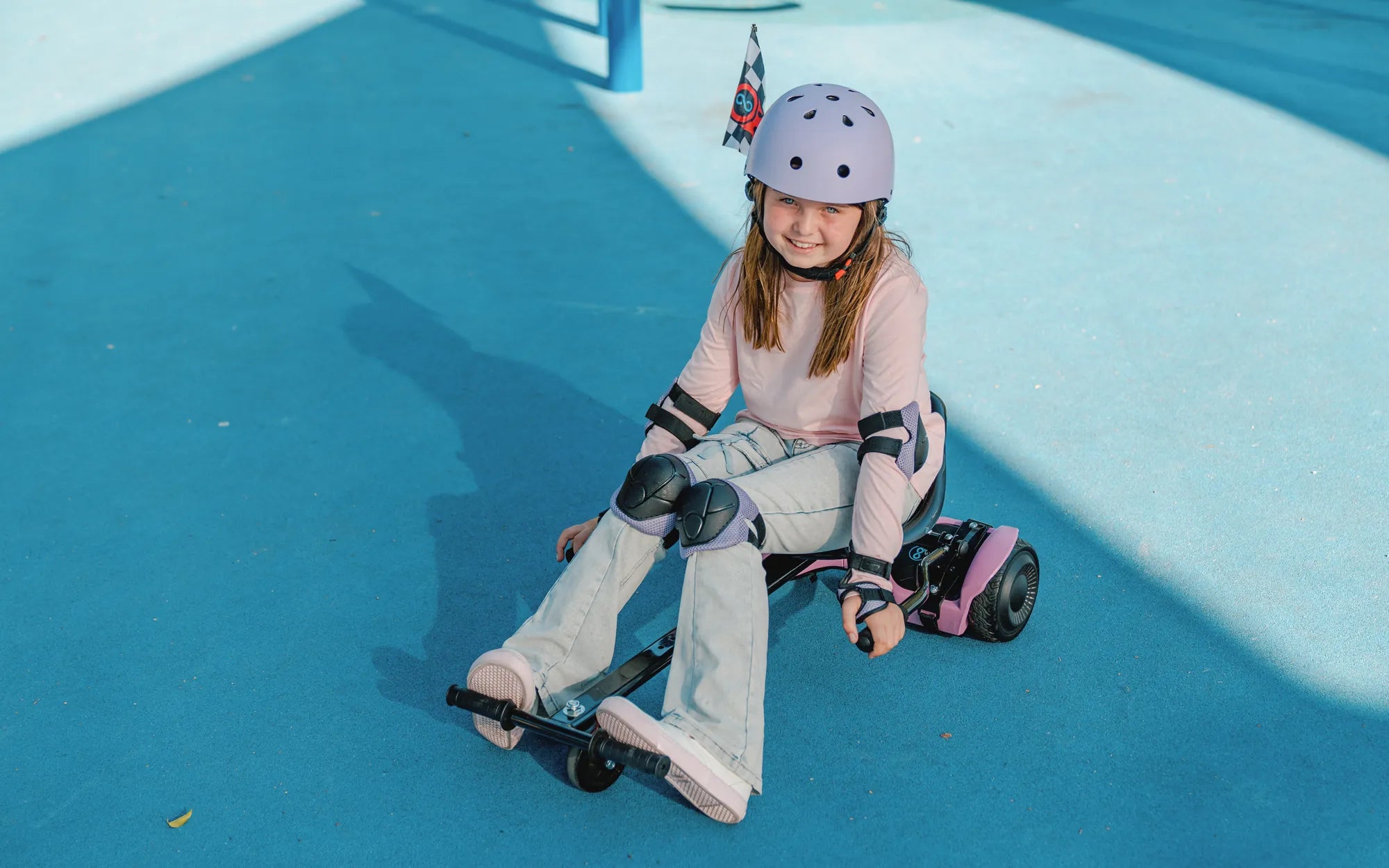
Introduction: Why the Right Kids Scooter Matters More Than You Think
Choosing your child's first or next scooter is a significant decision that extends far beyond a simple toy purchase. It's an investment in their physical development, coordination, and sense of adventurous independence. The right scooter can foster a love for outdoor play, while the wrong choice can lead to frustration, disinterest, or even safety concerns. This guide, centered on the Kids Scooter 5 framework, will walk you through the five most critical factors every parent must evaluate. We'll provide you with the knowledge to navigate specifications, safety standards, and performance features with confidence. As a leader trusted by over 100,000 riders, Gyroor designs every model with these core principles in mind, ensuring the ride is as safe as it is thrilling.
Factor 1: Safety First – Non-Negotiable Features for Peace of Mind
Safety is the paramount concern that should influence every other decision. A scooter must be inherently stable, predictable, and built with reliable components to protect your child. This goes beyond just wearing a helmet; it's about the scooter's fundamental engineering. Brands like Gyroor prioritize this by integrating UL-certified batteries and robust, child-friendly designs from the ground up.
Stable Wheel & Deck Design
The foundation of a safe ride lies in the contact points with the ground. Larger wheels (typically 6-8 inches for kids' models) roll over small cracks and debris more smoothly, enhancing stability. Look for high-rebound PU (polyurethane) wheels rather than hard plastic, as they offer better grip and shock absorption. The deck should be wide enough for a child to stand comfortably with feet side-by-side and feature a pronounced, non-slip surface. A lower deck height lowers the center of gravity, making balancing significantly easier for beginners.
Reliable Braking Systems
Effective braking is non-negotiable. For younger children (typically under 8), a foot fender brake—where pressing down on the rear fender creates friction—is often ideal. It's intuitive and prevents the over-braking that can occur with hand levers. For older, more coordinated kids, a hand-lever activated brake (usually on the rear wheel) provides more precise and powerful stopping power. The best systems are responsive without being jerky, allowing for controlled deceleration.
The Importance of UL-Certification & Warranty
For electric scooters, battery safety is critical. A UL-certification mark means the battery pack has been independently tested by Underwriters Laboratories for safety hazards like overheating, short-circuiting, and fire risk. Never compromise on this. Furthermore, a comprehensive warranty acts as a safety net for the entire scooter. Gyroor's standard 1-year warranty on the vehicle and battery reflects confidence in their build quality and provides parents with long-term peace of mind.
Factor 2: Age & Size Appropriateness – Matching Scooter to Child
A scooter that's too big, too fast, or too complex can be intimidating and dangerous, while one that's too small will be outgrown quickly. Matching the scooter to your child's age, height, and developmental stage ensures they have the control and confidence to enjoy it fully. This Kids Scooter 5 factor is about finding the perfect fit for both today and tomorrow.
Recommended Age Ranges and Specifications
Use the following table as a general guide. Always prioritize your child's individual size, coordination, and maturity over chronological age.
| Age Group | Wheel Config. | Key Features | Max Speed Guide |
|---|---|---|---|
| 2 - 5 years | 3 wheels (often 2 front, 1 rear) | Wide base, extra stability, lean-to-steer or simple handlebar turn, lightweight. | < 3 mph (walking pace) |
| 5 - 8 years | 2 or 3 wheels | Adjustable handlebar height, beginner speed modes, simple braking system. | 6 - 10 mph (with parental controls) |
| 8 - 12 years | 2 wheels | Larger deck & wheels (8"+), more powerful motor, hand brake, enhanced suspension. | 10 - 15 mph (with multiple modes) |
Adjustability for Growing Riders
To maximize your investment, prioritize scooters with easily adjustable handlebar heights. This single feature can extend the usable life of a scooter by 2-3 years. Properly adjusted handlebars (typically at or just below waist height) allow for an upright, comfortable riding posture, which improves control and reduces fatigue. Gyroor models often feature tool-free or simple knob-based adjustment systems for this exact purpose.
Factor 3: Durability & Build Quality – Withstanding the Test of Play
Kids are not gentle. A scooter will encounter curbs, puddles, jumps (whether you approve or not), and inevitable tumbles. Durability isn't a luxury; it's a requirement for both safety and value. High-quality materials and solid construction prevent premature failure of critical components, ensuring the scooter remains safe and functional through years of active use.
Frame Materials: Aluminum vs. Steel
The frame material dictates weight, strength, and corrosion resistance. Aircraft-grade aluminum alloys are the premium choice for most kids' scooters. They offer an excellent strength-to-weight ratio, are naturally rust-resistant, and make the scooter light enough for a child to carry. Heavy-duty steel frames are incredibly strong and often used in heavy-duty components but add significant weight, which can hinder portability for a child.
Water and Weather Resistance (IPX5 Rating Explained)
An IPX5 water-resistant rating is a major advantage for a kids' product. The "IP" stands for Ingress Protection. The "X" means it's not specifically rated for dust. The "5" means it can withstand water jets (6.3mm nozzle) from any direction without harmful effects. In practical terms, an IPX5-rated scooter like many from Gyroor can safely handle riding through puddles, getting caught in light rain, or being hosed down for cleaning. This protects the electronic components and motor from water damage, greatly enhancing longevity.
Factor 4: Performance & Ride Experience – Where Fun Meets Function
Once safety and fit are assured, performance defines the fun. A smooth, responsive ride encourages continued use and skill development. This involves balancing power with control, and understanding how specifications translate to real-world riding on your child's typical routes.
Motor Power and Speed Settings
Motor power, measured in watts (W), determines acceleration and hill-climbing ability. For kids aged 5-8, a 100W-150W motor is typically sufficient. For riders 8+, a 200W-350W motor provides more power for moderate inclines. Crucially, look for scooters with multiple speed modes (e.g., Beginner (5 mph), Intermediate (10 mph), Advanced (15 mph)). These allow your child to start slowly and safely, graduating to higher speeds only as their skill and judgment develop, a feature common in Gyroor's electric models.
Battery Life and Real-World Range
Battery capacity, measured in Watt-hours (Wh) or often listed as Voltage (V) and Amp-hours (Ah), dictates range. A higher number generally means longer run time. However, real-world range is affected by rider weight, terrain, temperature, and speed. A scooter rated for 10 miles might provide 6-8 miles for an active child using higher speeds. For most kids, a range of 6-10 miles per charge is more than adequate for daily adventures and ensures the scooter isn't constantly needing a recharge.
Factor 5: Portability, Extras, and Parental Considerations
The final factor addresses the practicalities of ownership for the whole family. How easy is it to transport or store? What extra features add genuine value versus being mere gimmicks? These considerations impact daily convenience and overall satisfaction.
Folding Mechanisms and Weight
A folding scooter is a blessing for storage in a closet or transport in a car trunk. However, the mechanism must be robust, secure, and simple enough for an adult to operate—not the child, for safety. Check that the latch locks positively and doesn't have small parts that could pinch. The overall weight of the scooter is also key; a 15-pound scooter is far more manageable for a 7-year-old to maneuver when not riding than a 25-pound one.
Lighting, App Connectivity, and Other Features
Integrated LED headlights and taillights are highly recommended for visibility during dusk rides. Some electric models offer basic app connectivity, which can be useful for parents to lock the scooter, set a speed limit, or monitor battery life via Bluetooth. Other valuable extras include a bell or horn, a kickstand, and a carrying strap. Focus on features that enhance safety, security, or convenience, rather than flashy but non-essential add-ons.
The Gyroor Advantage: Engineered for Confidence from the Ground Up
When you evaluate options through the Kids Scooter 5 lens, Gyroor scooters consistently meet and exceed the criteria. Each model is engineered with the understanding that a kids' product must be safe first, durable second, and fun always. This is achieved through the integration of UL-certified battery packs, tested for over 500 charge cycles, into IPX5 water-resistant chassis built from lightweight aluminum. The 1-year warranty and accessible customer support provide a tangible commitment to your family's satisfaction. It’s a holistic approach that builds confidence, not just in the product, but in every ride your child takes.
Frequently Asked Questions (FAQs)
Q: What is the best age for a child's first electric scooter?
A: Most children are ready for a very low-speed electric scooter around age 5 or 6, but readiness depends more on physical coordination, balance, and the ability to understand and follow safety rules. Always start with the slowest speed setting and supervise closely.
Q: How do I ensure my child rides safely?
A>Always mandate a properly fitted helmet, plus knee and elbow pads. Start practice in a safe, car-free environment like an empty parking lot or smooth driveway. Use and enforce beginner speed modes. Teach them basic road safety rules, even for sidewalk riding.
Q: What maintenance does an electric scooter need?
A>Perform regular checks: ensure tires are properly inflated (if air-filled), test brakes for responsiveness, listen for unusual noises, and tighten any bolts that may loosen from vibration. Keep the scooter clean and dry, and store it in a cool, dry place away from extreme temperatures.
Q: Can the scooter handle hills or rough pavement?
A>Capability depends on motor torque and wheel size. A scooter with a 250W+ motor and larger, air-filled tires will handle gentle hills and rougher pavement much better than a model with small, solid tires and a weak motor. Check the manufacturer's specifications for gradeability.
Q: How long does the battery last before needing replacement?
A>Quality lithium-ion batteries, like the UL-certified ones used by Gyroor, are typically rated for 500+ full charge cycles. With average use, this can translate to 2-4 years before a noticeable reduction in range. Proper care (avoiding full discharges, not storing in extreme heat/cold) extends battery life.
Conclusion: Investing in Joy, Adventure, and Safe Exploration
Selecting the perfect kids scooter is an investment that pays dividends in laughter, outdoor activity, and growing confidence. By applying the Kids Scooter 5 framework—prioritizing Safety, Age Appropriateness, Durability, Performance, and Practical Features—you move beyond marketing claims to make a truly informed choice. It’s a choice that values secure construction and certified components, ensuring the adventures are memorable for all the right reasons. Ready to find a ride that masters all five factors? Explore the thoughtfully designed, safety-first collection engineered for young explorers.
Browse the full Gyroor collection at gyroorboard.com
Portable Scooter for Kids: The Ultimate Guide to Fun and Convenience
Beginner Scooter Tricks for Kids: Fun and Safe Ways to Get Started