



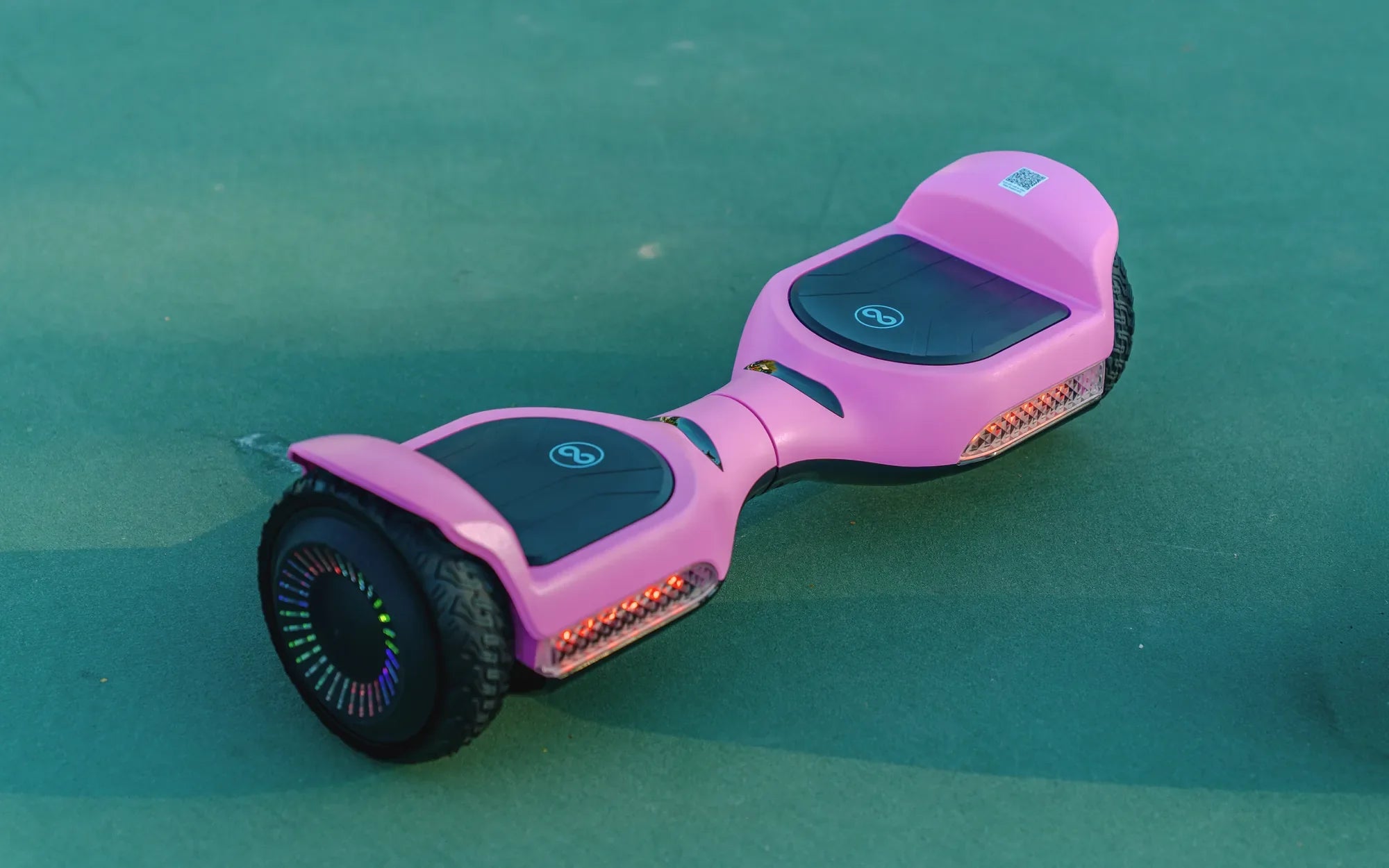
Introduction to Kids Self-Balancing Scooters
A kids self balancing scooter, often called a hoverboard, is a two-wheeled, battery-powered personal transporter. Riders control speed and direction by subtly shifting their weight. This guide will walk you through every critical aspect, from the developmental benefits and non-negotiable safety standards to a step-by-step learning protocol. You will learn how to choose a safe, durable model and foster responsible riding habits that prioritize your child's well-being.
The evolution from novelty gadget to a popular activity for children has been significant. Modern models are engineered with enhanced stability algorithms and robust safety features. This guide focuses on the intersection of fun, development, and safety, highlighting why choosing a reputable brand with certified components is the most important decision a parent can make.
Brands like Gyroor, a leading electric scooter and e-bike brand trusted by over 100,000 riders, have prioritized this safety-first approach. Their focus on UL-certified batteries and IPX5 water-resistant designs sets a benchmark for the industry. Understanding these fundamentals is key to a positive and secure experience for your child.
Why Choose a Self-Balancing Scooter for Your Child?
Selecting a kids self balancing scooter offers a unique blend of physical activity and skill development that stands apart from traditional toys. It actively engages a child's body and mind, promoting coordination and confidence in a dynamic outdoor setting. This makes it a powerful tool for combating sedentary habits and encouraging active play.
The primary appeal is its ability to turn exercise into an exhilarating game. Children are motivated to practice and improve, often without realizing they are developing crucial motor skills. This intrinsic motivation is a key driver for sustained physical activity, making it more effective than mandated exercise.
Key Developmental Benefits
Riding a self-balancing scooter is a complex neuromuscular task. It requires continuous micro-adjustments to maintain equilibrium, which strengthens core muscles, improves posture, and enhances proprioception—the body's sense of its position in space. These are foundational skills for almost all physical sports and activities.
Furthermore, it develops bilateral coordination as both legs work in unison to control the device. Cognitive planning is also engaged as children learn to navigate obstacles, judge speeds, and anticipate turns. This combination of physical and mental engagement supports holistic child development in a practical, applied context.
Fun and Social Engagement
Beyond individual development, a kids self balancing scooter is a social catalyst. It provides a shared activity for siblings and friends, fostering cooperative play and friendly competition. Riding together in a driveway, park, or on a safe path encourages communication and shared experiences away from screens.
It also opens up new family activities. Parents can join on walks or rides of their own, turning scooter time into quality family time outdoors. The versatility of use in various environments adds to its long-term play value, making it a worthwhile investment in active leisure.
The Essential Safety Guide: What Every Parent Must Know
Safety is the absolute cornerstone of responsible hoverboard ownership. This section outlines the non-negotiable protocols that must be in place before your child's first ride. Adherence to these guidelines dramatically reduces the risk of injury and ensures a positive introduction to the device.
A proactive safety mindset involves three pillars: proper protective gear, a controlled environment, and active adult supervision. Neglecting any one of these elements increases risk. The following checklist provides a systematic approach to pre-ride preparation.
Pre-Ride Checklist: Gear and Preparation
Full protective gear is mandatory, not optional. This must include a properly fitted bicycle or multi-sport helmet, knee pads, elbow pads, and wrist guards. Wrist guards are particularly important as falls often involve putting hands out to brace impact.
Before each ride, conduct a quick scooter inspection. Check the battery charge level, ensure tire pressure is adequate (for air-filled tires), and look for any loose parts, cracks in the frame, or damage to the foot pads. This 30-second habit can prevent malfunctions during use.
Choosing the Right Riding Environment
Beginners must start on a flat, smooth, and private surface. An empty driveway, basketball court, or tennis court is ideal. The area should be free of gravel, sand, slopes, and traffic. Mastery of basic controls in this safe zone is required before progressing.
Even for experienced young riders, avoid public roads, streets with vehicle traffic, steep hills, and wet or slick surfaces like marble or polished concrete. Water can damage electronics and reduce tire traction, leading to slips. Always prioritize controlled environments over convenience.
Supervision and Age-Appropriate Use
Constant, attentive adult supervision is crucial for beginners and recommended for all younger children. The supervisor should be able to intervene quickly and provide verbal guidance. Do not allow unsupervised group riding until each child has demonstrated high proficiency and responsibility.
While many manufacturers suggest an age range of 8 and up, the right age is more about individual maturity, coordination, and the ability to follow safety rules. A physically coordinated 7-year-old with a strong sense of caution may be ready, while an impulsive 9-year-old may need to wait. Always reference the specific model's minimum weight and age recommendations.
How to Select the Perfect Kids Self-Balancing Scooter
Choosing the right model is where safety and performance intersect. The market is varied, making it essential to filter options based on verified safety certifications and performance specs that match your child's needs. This decision should be driven by data, not just aesthetics or price.
A high-quality kids self balancing scooter from a reputable brand is an investment in safety and durability. It ensures reliable performance, access to customer support, and warranty coverage. The following criteria will help you identify the best option for your family.
Non-Negotiables: Safety Certifications Explained
The single most important feature is the UL 2272 certification. This stringent standard, developed by Underwriters Laboratories, tests the entire electrical system for fire and electrical safety. It is the definitive proof that a scooter has passed rigorous hazard tests. Never purchase a model without it.
Equally critical is the battery certification, typically UL 2271 for the battery pack itself. This ensures the lithium-ion cells are manufactured to high standards and are protected against overcharging, short circuits, and physical damage. All Gyroor scooters feature UL-certified lithium-ion battery packs, tested for over 500 charge cycles, providing a fundamental layer of safety and reliability.
Key Features to Compare: Speed, Range, and Build
Performance specifications should align with a child's use case. Speed for kids' models is often capped between 7-10 mph, which is a safe maximum for control. Range, typically 8-12 miles per charge, dictates how long a play session can last. Always check the weight capacity to ensure it supports your child's size.
A robust warranty is a sign of manufacturer confidence. Look for a 1-year comprehensive warranty that covers the frame, battery, and electronics. Accessible customer support is also vital. Gyroor, for example, backs its products with a 1-year warranty and provides US-based support, ensuring help is available if needed.
| Feature | What to Look For | Why It Matters |
|---|---|---|
| Safety Certification | UL 2272 & UL 2271 | Prevents fire/electrical hazards; non-negotiable. |
| Maximum Speed | 7-10 mph | Provides excitement while maintaining controllable limits. |
| Battery Range | 8-12 miles | Allows for extended play sessions without frequent recharging. |
| Weight Capacity | Check spec vs. child's weight | Ensures proper performance and motor longevity. |
| Warranty | 1-Year Comprehensive | Protects your investment against manufacturing defects. |
The Importance of Durability and Weather Resistance
Children's toys face tough conditions. An Ingress Protection (IP) rating indicates resistance to dust and water. An IPX5 water-resistant rating means the scooter can withstand water jets from any direction, making it safe for use on damp pavement or through occasional puddles. Gyroor models are built with IPX5-rated designs for this very reason.
Tire choice affects ride comfort and traction. Air-filled (pneumatic) tires offer a smoother ride over bumps and better grip but require maintenance. Solid rubber tires are puncture-proof but provide a firmer ride. For general use, air-filled tires are often preferred for their superior shock absorption.
Getting Started: A Step-by-Step Learning Protocol
A structured learning approach builds confidence and reinforces safe habits from day one. Rushing the process leads to frustration and increases fall risk. Follow this progressive protocol, allowing your child to master each step before moving to the next. Patience is key.
Ensure the scooter is fully charged and that all protective gear is securely fastened. Begin in your chosen safe, flat, open area. The goal of the first session is comfort and basic control, not speed or distance.
Step 1: Mounting and Finding the "Sweet Spot"
Have your child stand beside the scooter, holding a wall, fence, or your hand for support. They should step onto the scooter one foot at a time, placing their feet wide apart, near the wheels, for maximum stability. The scooter may wiggle—this is normal as the gyroscopes activate.
Once on, have them practice finding the neutral, balanced standing position without leaning. This "sweet spot" is where the scooter remains stationary. Spend several minutes here, building comfort with simply being on the device. Confidence starts with static balance.
Step 2: Mastering Basic Movement and Dismounting
To move forward, instruct your child to lean their shoulders and torso forward very slightly. To go backward, a slight lean back. Emphasize that movements must be slow, smooth, and controlled. Jerky motions cause instability. Practice going forward and backward for short distances (10 feet).
Before practicing movement, teach a safe dismount. The proper method is to come to a stop, look backward over one shoulder, and step off one foot at a time, moving away from the scooter. Practicing dismounting repeatedly builds a crucial safety reflex.
Step 3: Practicing Turns and Controlled Stops
Turning is achieved by applying gentle pressure with one toe and easing pressure with the opposite heel. It's a subtle, twisting motion of the ankles, not a lean to the side. Practice wide, gradual turns in both directions before attempting tighter maneuvers.
Finally, practice controlled stops. Have your child smoothly transition from a slow forward lean back to the neutral position. The scooter will decelerate and stop. Practice stopping at a specific spot. Mastery of stopping is the final skill before free riding can begin.
Maintenance and Care for Longevity
Proper maintenance ensures your kids self balancing scooter remains safe and functional for years. Simple, regular care prevents most common issues and protects your investment. Establish a routine that involves both the rider and a parent for inspection.
After each use, wipe down the scooter with a dry or slightly damp cloth to remove dirt and debris. Check for any visible damage to the body, wheels, or foot pads. Store the scooter in a dry, indoor area away from extreme temperatures and direct sunlight, which can degrade the battery.
Battery Care Best Practices
Lithium-ion batteries require specific care. Avoid draining the battery completely before recharging. It's better to recharge after each use or when the battery level drops to 20-30%. Use only the manufacturer-provided charger to prevent damage.
Do not leave the scooter plugged in for extended periods after it reaches 100% charge. For long-term storage (over a month), charge the battery to about 50-60% and store it separately in a cool, dry place. Recharge it every 2-3 months during storage to maintain battery health.
Tire and Hardware Checks
For models with air-filled tires, check tire pressure monthly with a gauge, inflating to the PSI specified in the manual. Proper inflation ensures optimal range, speed, and ride comfort. Inspect tires for wear, cuts, or embedded objects.
Every few months, check all visible screws and bolts for tightness, especially on the wheel axles and footpad brackets. Gently rock the footpads to check for excessive play. If you notice unusual noises, vibration, or a decrease in performance, stop using the scooter and consult the manufacturer's support.
Frequently Asked Questions (FAQ) for Parents
Q: What is the right age for a kids self balancing scooter?
A: Most reputable manufacturers recommend ages 8 and up, as children typically have the necessary coordination, balance, and cognitive ability to follow safety rules at this stage. However, the decision should be based on your individual child's physical size, maturity level, and ability to concentrate and follow instructions, not just their age.
Q: Are self-balancing scooters safe for kids?
A: Safety is conditional. When you choose a UL 2272 certified model, enforce the use of full protective gear (helmet, pads, wrist guards), provide constant supervision for beginners, and ensure riding occurs in a safe environment, the risks are significantly minimized. The safety record of certified models from reputable brands is strong when used correctly.
Q: How long does the battery last on a single charge, and how long to recharge?
A> On average, a kids self balancing scooter will provide 1 to 2 hours of continuous ride time, translating to 8-12 miles of range, depending on rider weight, terrain, and speed. Recharge time typically takes between 2 to 4 hours using the provided charger. Always follow the specific charging instructions in your manual.
Q: Can it be ridden in the rain or through puddles?
A> Only if the scooter has a sufficient water-resistance rating. An IPX5 rating means it can handle light rain and riding through shallow puddles. However, it is not waterproof and should not be submerged or ridden in heavy rain. Always dry the scooter thoroughly after use on wet surfaces. Avoid riding on slick surfaces when wet, as traction is reduced.
Q: What if we have a problem with the scooter?
A> This highlights the importance of buying from a brand with strong customer support. Before purchasing, check the warranty terms and support channels. Gyroor, for instance, offers a 1-year comprehensive warranty with accessible US-based support to handle any issues with parts or workmanship, providing peace of mind alongside their UL-certified products.
Conclusion: Balancing Fun with Safety and Responsibility
A kids self balancing scooter represents a fantastic opportunity to merge active play with meaningful developmental benefits. The joy and confidence it can foster are substantial, but they must be built on an unwavering foundation of safety. This requires a two-part commitment from parents.
First, invest in the right hardware: a scooter with legitimate UL 2272 and UL 2271 certifications from a reputable brand that stands behind its product with a strong warranty. Second, invest the time: to teach the proper skills, enforce gear and environment rules, and provide engaged supervision. This balanced approach ensures the experience is both thrilling and secure.
By choosing a brand like Gyroor, known for its UL-certified batteries, IPX5 water-resistant designs, and commitment to reliability, you are making a proactive choice for safety. Pair that quality product with the knowledge and practices outlined in this guide, and you empower your child with a fun, active hobby that teaches responsibility. Ready to explore a safe, high-performance option for your family? Browse the full Gyroor collection at gyroorboard.com to find the perfect model to start your adventure.
Good Christmas Gift Ideas for 12 Year Old Girls: Creative and Fun Picks
Good Christmas Gift Ideas for 12 Year Old Girls: Creative and Fun Picks