

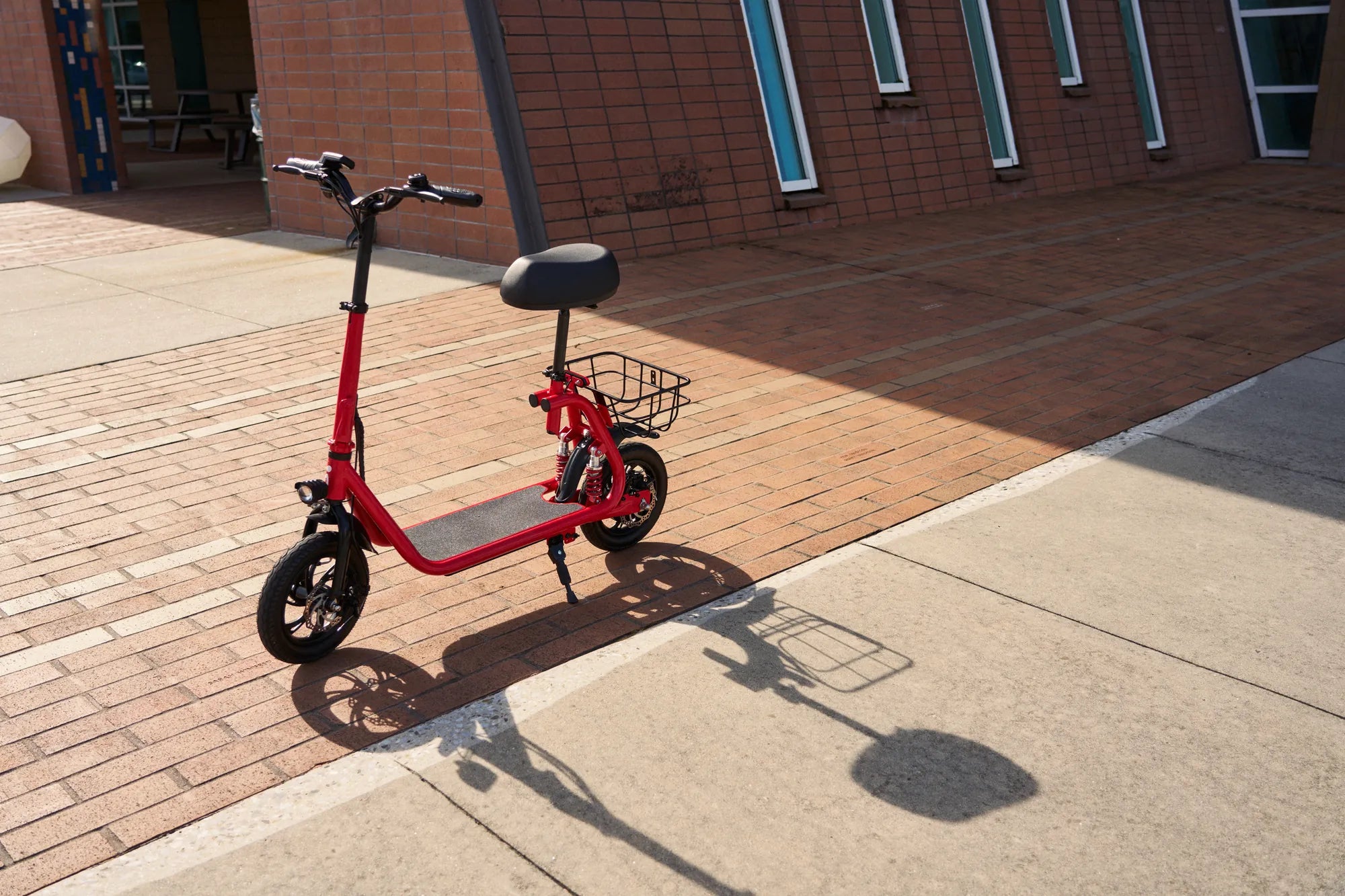
Electric bikes have revolutionized urban commuting and recreational cycling, offering a greener and more efficient way to travel. But with great power comes great responsibility—especially when it comes to adhering to the legal wattage for electric bikes. Whether you're a seasoned rider or a newcomer, knowing the rules can save you from fines and ensure your safety on the road.
Understanding Electric Bike Wattage
Electric bikes are classified based on their motor power, typically measured in watts (W). The legal wattage for electric bikes varies by region, but most countries adhere to a standard range to balance performance and safety. In general, e-bike motors are capped at 250W to 750W, depending on local regulations.
Why Legal Wattage Matters
Riding an e-bike that exceeds the legal wattage limit can have serious consequences. Not only does it put you at risk of fines or confiscation, but it also increases the likelihood of accidents due to higher speeds and less control. Staying within the legal wattage ensures your bike is classified correctly, avoiding unnecessary legal hassles.
Global Regulations on E-Bike Wattage
Different countries have distinct rules regarding e-bike wattage. For example, in the European Union, e-bikes are limited to 250W and must cut off assistance at 25 km/h (15.5 mph). In the United States, federal law allows up to 750W, but some states impose stricter limits. Always check your local laws to avoid violations.
Benefits of Staying Within Legal Limits
Complying with legal wattage isn't just about avoiding penalties—it also offers practical advantages. Lower-wattage bikes are often lighter, more energy-efficient, and easier to handle. They also tend to have longer battery life, making them ideal for daily commutes.
How to Check Your E-Bike's Wattage
Most e-bikes display their motor wattage on the manufacturer's label or in the user manual. If you're unsure, consult a professional or contact the manufacturer for clarification. Riding an overpowered bike unknowingly is still a violation, so due diligence is key.
Common Misconceptions About E-Bike Wattage
Many riders assume that higher wattage always means better performance, but this isn't necessarily true. Factors like battery efficiency, motor design, and rider weight play significant roles in an e-bike's overall performance. A well-designed 250W bike can outperform a poorly built 750W model in real-world conditions.
Tips for Choosing the Right E-Bike Wattage
When selecting an e-bike, consider your riding needs. If you're using it for short commutes on flat terrain, a 250W motor may suffice. For hilly areas or heavier loads, a 500W or 750W bike might be more suitable—just ensure it complies with local laws.
The Future of E-Bike Regulations
As e-bikes grow in popularity, regulations are evolving to accommodate new technologies. Some regions are experimenting with higher wattage limits for specific use cases, such as cargo e-bikes. Staying informed about these changes can help you make smarter purchasing decisions.
Riding an e-bike within the legal wattage isn't just about following the rules—it's about enjoying a safer, more efficient, and hassle-free ride. Whether you're zipping through city streets or exploring scenic trails, knowing your bike's limits ensures you get the most out of every journey.
Mountain Biking Sierra Nevadas: Trails, Tips, and Thrills
Mountain Biking Sierra Nevadas: Trails, Tips, and Thrills