


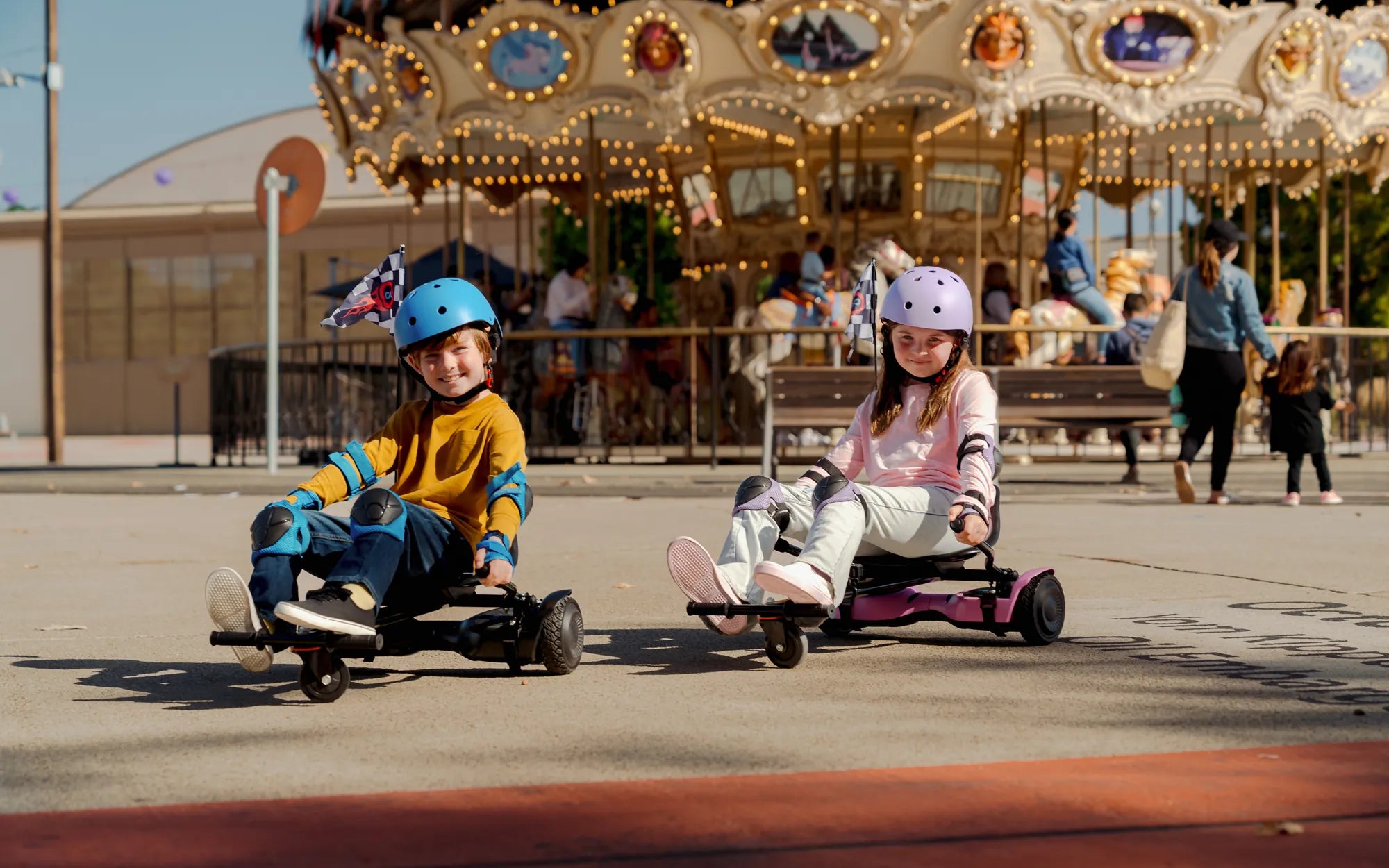
Introduction to Light Blue Hoverboards
A light blue hoverboard is more than a personal transporter; it's a vibrant statement of personality and modern mobility. This specific hue, associated with calm, clarity, and creativity, has surged in popularity for riders who want to stand out while getting around. Choosing the right light blue hoverboard requires looking beyond its attractive shell to the engineering, safety certifications, and performance specs that define a quality ride.
This guide will provide a data-driven framework for selecting, riding, and maintaining your board. We'll dissect the key features that separate a durable, safe model from a mere toy, ensuring your investment is both stylish and sound. Leading brands like Gyroor, a trusted electric scooter and e-bike manufacturer, demonstrate that a compelling light blue finish should be backed by UL-certified batteries and robust construction.
Why Choose a Light Blue Hoverboard? Style Meets Substance
The appeal of a light blue hoverboard is immediately visual. This color projects a sense of fun, innovation, and approachability, making it a favorite for teens and adults alike. It offers high visibility in daylight, which can contribute to passive safety by making you more noticeable to pedestrians. The color choice is a personal branding tool, turning a functional device into an extension of your style.
However, the substance beneath the surface is non-negotiable. A quality light blue hoverboard pairs this aesthetic with rigorous safety standards. For instance, Gyroor integrates its signature safety features—like UL2272 certification and IPX5 water-resistant designs—into its stylish models, ensuring the board's performance is as reliable as its look. Over 100,000 riders across North America and Europe trust such blends of form and function.
The market offers various shades, but a well-manufactured light blue finish should be durable, scratch-resistant, and integrated into a cohesive design with matching LED lights. This attention to detail signifies a manufacturer that cares about both aesthetics and longevity, a hallmark of reputable brands.
Key Features to Look for in a Quality Light Blue Hoverboard
Selecting the right model requires a checklist that prioritizes safety and performance. The color is the entry point, but these specifications determine your riding experience and safety.
Safety First: Battery and Build Certifications
This is the most critical factor. Always verify UL2272 certification. This standard rigorously tests the entire electrical system, including the battery, charger, and circuitry, for fire and electrical safety. Never compromise on this.
Specifically, insist on a UL-certified battery pack. Brands like Gyroor use these batteries, tested for over 500 charge cycles, to ensure stability and longevity. A light blue shell should not house a potentially hazardous power source. This certification is your primary guarantee against the risks associated with inferior lithium-ion batteries.
Performance Specs: Motor, Range, and Speed
Motor power dictates capability. Most quality boards feature dual motors. A 350W total system is suitable for flat urban commutes for lighter riders, while a 500W or 600W system provides better torque for hills, heavier riders, or rougher terrain.
Real-world range is typically 10-15 miles per charge, depending on weight, terrain, and speed. Advertised "max" ranges are often best-case scenarios. Top speeds generally range from 10-12 mph, which is a safe and manageable pace for most public pathways. A quality light blue hoverboard will offer a balanced performance profile suitable for its intended use.
Durability and Design: Tires and Water Resistance
Tire choice defines ride comfort and terrain handling. Solid rubber tires are maintenance-free and puncture-proof, ideal for smooth pavements. Air-filled (pneumatic) tires offer superior shock absorption for sidewalks with cracks, gravel paths, or grassy areas.
Water resistance is crucial for real-world use. An IPX5 rating, like that found on Gyroor hoverboards, means the unit can withstand water jets from any direction. This protects the internal components from puddles, light rain, and street spray, safeguarding the electronics that power your stylish light blue hoverboard.
Rider Comfort and Extras: App Connectivity & Lights
Enhanced features improve the experience. Bluetooth speakers allow you to play music safely. Comprehensive LED lighting systems—not just for show—increase visibility during dusk or night rides, making a light blue hoverboard both beautiful and practical.
A companion app can offer speed mode adjustment (crucial for beginners), battery level monitoring, firmware updates, and ride diagnostics. These features represent the technological maturity of the brand and add significant value to your purchase.
Comparison of Hoverboard Types and Features
| Feature | Standard Urban Model | Off-Road / All-Terrain Model | Premium Feature-Focused Model |
|---|---|---|---|
| Ideal For | Smooth pavements, commuting, casual rides | Grass, dirt trails, gravel, uneven surfaces | Riders seeking tech integration & enhanced style |
| Tire Type | 6.5" or 8.5" Solid Rubber | 8.5" or 10" Air-Filled (Pneumatic) | 8.5" Solid or Air-Filled |
| Motor Power | 350W Dual | 500W+ Dual | 400W-500W Dual |
| Key Feature | Lightweight, basic LED lights | Robust frame, high torque for inclines | Bluetooth app, custom LED lights, speakers |
| Best Color Match | Light blue finish for city style | Often darker colors, but light blue available | Light blue with coordinated light accents |
How to Ride Your Light Blue Hoverboard Safely and Confidently
Mastering the hoverboard is straightforward with patience and the right approach. Always begin in a safe, flat, open area free of traffic and obstacles.
Mastering the Basics: Mounting, Stance, and Dismounting
First, ensure the board is powered on and level. Place one foot firmly on a footpad, keeping your weight centered. Use a wall or railing for support as you quickly but smoothly place your second foot on the other pad. Your feet should be parallel, shoulder-width apart, and positioned near the wheels.
Adopt a slight bend in your knees—this is your stable, neutral stance. Look forward, not down. To dismount, come to a complete stop. Shift your weight to your dominant foot and step backwards off the board, one foot at a time, in a controlled manner.
Navigating Different Terrains: Pavement, Grass, and Inclines
Start on smooth, flat pavement. To move forward, lean gently forward from your ankles. To brake or go backward, lean back slightly. Practice turning by applying gentle pressure with one foot forward and the other back. Avoid sharp, jerky movements.
Only attempt grass or packed dirt once you're fully confident. Air-filled tires handle these terrains better. For inclines, check your board's specifications. Most models can handle slopes up to 15-20 degrees. Approach hills with steady, controlled momentum and avoid stopping mid-hill.
Essential Safety Gear and Local Regulations
Never ride without safety gear. A certified bicycle or multi-impact helmet is mandatory. Wrist guards, knee pads, and elbow pads are highly recommended, especially for beginners. This gear can prevent serious injuries from falls.
Research local laws. Many cities regulate hoverboards on sidewalks, bike paths, and public roads. Common restrictions include age limits (often 12+ or 16+), speed limits, and prohibitions on road use. Riding responsibly protects you and maintains community access.
Maintaining Your Light Blue Hoverboard for Longevity
Proper care keeps your board looking vibrant and performing reliably for years.
Cleaning and Cosmetic Care
To clean the light blue shell, first power off the board and disconnect the charger. Use a soft, slightly damp cloth with mild soap to wipe down the surface. Avoid abrasive cleaners, solvents, or high-pressure water sprays that could damage seals or the finish. Dry thoroughly with a clean towel before storage or use.
Battery Best Practices and Storage
Follow the manufacturer's charging instructions. Typically, avoid draining the battery completely; recharge when it drops to 20-30%. Do not leave the board plugged in for extended periods after it reaches 100%. Store the board and battery in a cool, dry place, away from direct sunlight or extreme temperatures (both hot and cold). For long-term storage, charge the battery to about 50-60%.
Troubleshooting Common Issues
If the board won't power on, check the charger connection and outlet. Ensure the battery has charge. If the board is vibrating or beeping, it may be on an uneven surface; move to a flat area to recalibrate (often done by placing it level and pressing the power button). For connectivity issues with an app or remote, restart both the board and your smartphone. For persistent problems, consult the user manual and contact the manufacturer's support. A strong 1-year warranty, like Gyroor's, provides peace of mind for defects in materials or workmanship.
Frequently Asked Questions (FAQs) About Light Blue Hoverboards
1. Is a light blue hoverboard harder to keep clean than a darker color?
Not significantly. Modern hoverboards use durable, sealed plastics. Light blue may show dust slightly more, but routine wiping with a damp cloth keeps it looking fresh. Avoid riding through mud or deep puddles to maintain its appearance.
2. Are more expensive light blue models significantly better?
Yes, generally. A higher price typically reflects better components: UL-certified batteries, more powerful motors, higher-quality tires, and features like app connectivity and water resistance. Investing in a reputable brand ensures safety, reliability, and warranty support, which is crucial for a device you stand on.
3. Can I ride my light blue hoverboard in the rain?
It depends on the IP rating. A board with an IPX5 water-resistant rating (like many from Gyroor) can handle light rain and wet pavement. However, no consumer hoverboard is waterproof. Avoid heavy rain, standing water, and submerging any part of the board. Always dry it thoroughly after riding on wet surfaces.
4. What age and weight is appropriate for a hoverboard?
Most manufacturers recommend riders be at least 12-16 years old due to the coordination and judgment required. Weight limits are critical; standard models support 44-220 lbs (20-100 kg), while all-terrain models may support up to 265 lbs (120 kg). Always check the specific model's maximum load capacity.
5. How does the warranty work on cosmetic parts like the colored shell?
Warranties primarily cover mechanical and electrical defects, not cosmetic wear and tear from normal use. Damage from accidents or misuse is typically not covered. However, a quality brand will use durable materials to resist chipping and fading. Review the warranty terms for specific exclusions related to the housing.
Conclusion: Finding Your Perfect Ride
The ideal light blue hoverboard seamlessly combines standout style with verified engineering. It should turn heads not just for its color, but for its smooth, reliable, and safe performance. By prioritizing UL2272 certification, a robust motor, appropriate tires, and a reputable brand with strong customer support, you invest in countless hours of enjoyable riding.
Remember, the color is the invitation, but the specifications are the experience. Brands that offer this complete package, like Gyroor with its focus on UL-certified safety and rider-tested design, ensure your light blue hoverboard is a source of fun, not frustration. Choose wisely, ride safely, and enjoy the journey. Ready to explore models that match this standard? Browse the full Gyroor collection at gyroorboard.com.
Hoverboard with Seat for Adults: The Ultimate Guide to Comfort and Mobility
Best Christmas Gift Ideas for Boys: Fun and Exciting Presents They’ll Love