



Introduction: The Evolution of Mobility
Mobility is undergoing a profound transformation. The shift is away from bulky, institutional designs toward agile, personal devices engineered for modern life. This evolution is powered by advancements in battery technology, materials science, and user-centric design.
Lightweight electric wheelchairs and scooters are at the forefront of this change. They represent a key technology empowering independence for a diverse demographic. Users range from seniors and individuals with disabilities to those recovering from temporary injuries and urban commuters seeking efficient last-mile transport.
The core promise is a return to spontaneity and freedom. These devices are designed not just for necessity, but to facilitate an active, engaged lifestyle. They break down barriers, both physical and social, enabling users to navigate the world on their own terms.
This article will dissect the technology, benefits, and selection criteria for these revolutionary devices. You will learn what defines the new generation, how to evaluate safety, and what innovations lie ahead for the future of mobility.
Defining the New Generation: What Makes Them "Lightweight"?
The term "lightweight" in this context is a technical specification, not just a marketing claim. It signifies a fundamental redesign centered on portability without sacrificing performance or durability. The goal is a device that one person can manage independently.
This is achieved through advanced materials. Aircraft-grade aluminum alloys provide exceptional strength-to-weight ratios. Carbon fiber composites are used in high-end models for critical components, offering rigidity and shock absorption while shaving off pounds. These materials replace the heavy steel frames of traditional models.
Equally important is the miniaturization of power systems. Modern lithium-ion battery packs are more energy-dense than ever. A battery half the size and weight of older lead-acid versions can now deliver equal or greater range. Brushless hub motors are integrated directly into the wheels, eliminating bulky external drive trains.
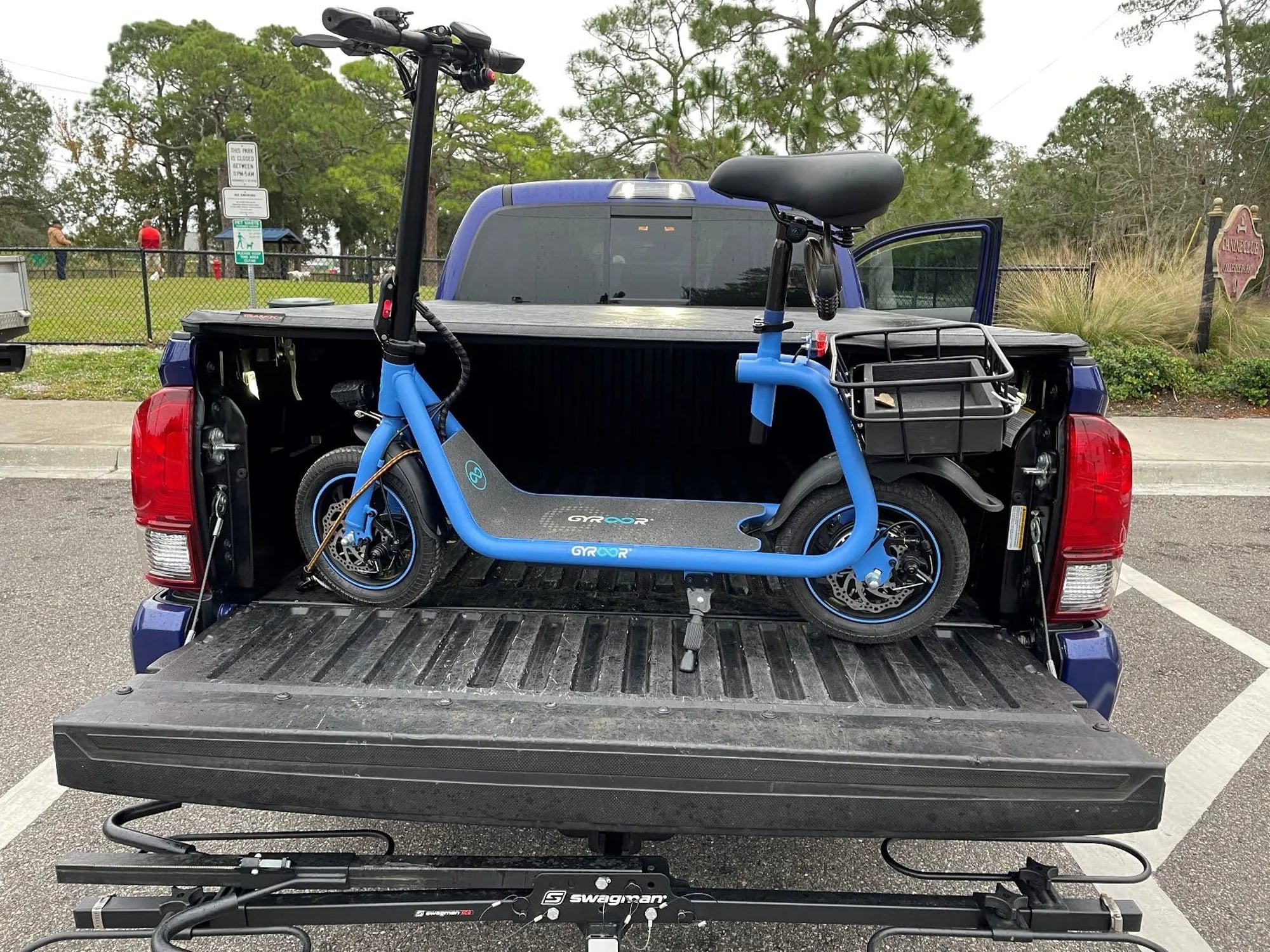
The final component is intelligent folding or disassembly. Engineers have created sophisticated mechanisms that allow a full-sized mobility device to collapse into a compact form in seconds. This makes storage in car trunks, closets, or under desks not just possible, but easy.
Key Features of Modern Lightweight Models
Ultra-compact folding frames are the hallmark of this category. A top-tier lightweight electric wheelchair can fold down to the size of a large suitcase, often weighing under 50 lbs. This directly enables use on public transit, in ride-sharing vehicles, and for air travel.
Swappable battery systems are a game-changer. Instead of being tethered to a charging outlet, users can carry a spare, fully-charged battery pack. This effectively doubles the daily range and eliminates range anxiety for longer outings. It's a feature borrowed from the best personal electric vehicles.
Ergonomics and adjustability are paramount. Controllers are intuitive and can often be mounted on either side. Seating is designed for all-day comfort with breathable materials and customizable positioning. These features reduce user fatigue and make the device adaptable to individual needs.
The real-world benefit is a dramatic reduction in physical strain. For the user, it means less effort to transport the device. For a caregiver or family member, it eliminates the heavy lifting associated with traditional equipment, fostering greater independence for all involved.
The Core Benefits: Beyond Just Portability
The advantages of lightweight electric mobility devices extend far beyond simple ease of transport. They catalyze a significant improvement in quality of life. The primary benefit is a tangible increase in personal independence for daily activities.
Users report a renewed ability to run errands, visit friends, and participate in community events without relying on others for transportation assistance. This autonomy directly combats social isolation, a critical factor in mental and emotional well-being, particularly for seniors.
These devices also reduce the physical and logistical burden on caregivers and family members. The ease of loading a lightweight scooter into a car means spontaneous trips are possible again. This shift can improve relationship dynamics, moving away from a dependency model toward one of shared activity.
Indoor maneuverability is a crucial, often overlooked benefit. Narrow doorways, tight corners in homes or shops, and crowded spaces are navigable with a compact, agile device. This seamless transition between indoor and outdoor environments is essential for practical, integrated daily use.
Safety and Reliability: Non-Negotiable Priorities
When weight is reduced, safety cannot be compromised. Reputable manufacturers achieve this through rigorous engineering and adherence to strict standards. The foundation of safety lies in the battery system.
UL certification for battery packs is essential. It ensures the cells have passed hundreds of tests for overcharge, short circuit, and thermal stability. A brand like Gyroor, for instance, uses UL-certified batteries tested for over 500 charge cycles, providing a benchmark for safety and longevity.
Electromagnetic braking systems offer superior control compared to simple mechanical brakes. They provide smooth, responsive stopping power, even on inclines. Stability is engineered into the chassis through a low center of gravity and a carefully calculated wheelbase, preventing tip-overs.
Build quality and warranty support are the final pillars of reliability. A robust frame, water-resistant components (like an IPX5 rating for protection against water jets), and a comprehensive warranty signal a product built for daily, dependable use. This peace of mind is invaluable for users and their families.
Choosing Your Ideal Model: A Practical Comparison Guide
Selecting the right device requires a clear assessment of individual needs, lifestyle, and physical environment. A one-size-fits-all approach does not apply. The following comparison table and framework will help narrow down the options based on key performance and design criteria.
| Feature / Use Case | Ultra-Lightweight Folding Wheelchair | Compact Travel Scooter | All-Terrain Lightweight Scooter |
|---|---|---|---|
| Primary Use | Indoor/Outdoor, Multi-Modal Transport | Outdoor Errands, Leisure, Travel | Parks, Trails, Uneven Surfaces |
| Avg. Weight (Device) | 45 - 65 lbs | 55 - 85 lbs | 70 - 100 lbs |
| Weight Capacity | 250 - 300 lbs | 300 - 350 lbs | 300 - 400 lbs |
| Range per Charge | 10 - 20 miles | 15 - 30 miles | 20 - 40 miles |
| Top Speed | 4 - 6 mph | 6 - 10 mph | 8 - 15 mph |
| Key Advantage | Folds to smallest size; easiest car transport | Excellent comfort for longer rides; storage | Superior suspension; larger tires for stability |
| Consideration | Smaller wheels less ideal for rough terrain | Requires more storage space when assembled | Heavier; folding may be more complex |
Start by defining the primary use case. Will the device be used mainly indoors, on smooth pavements, or on varied terrain like grass and gravel? An ultra-lightweight wheelchair excels in tight spaces and for travel, while a scooter with suspension is better for outdoor comfort.
Evaluate practical logistics. Consider the weight you can comfortably lift for loading into a vehicle. Measure doorways and storage areas in your home. Check the folded dimensions against your car's trunk space. Compatibility with accessories like oxygen tank holders or shopping baskets is also critical.
Finally, match performance specs to your lifestyle. A user making short trips to a local store may prioritize portability over a 30-mile range. Someone who enjoys day-long outings will need a longer range and a more comfortable seat. Always test-drive a model when possible to assess comfort and controls.
Spotlight on Innovation: Gyroor's Approach to Accessible Mobility
Leading brands in personal electric transport are now applying their expertise to the mobility aid sector. Gyroor, a brand trusted by over 100,000 riders for its electric scooters and e-bikes, exemplifies this crossover. Their engineering philosophy prioritizes safety, reliability, and user-friendly design.
This translates directly into their mobility solutions. A core USP is the use of UL-certified battery packs across their product range. This commitment to verified electrical safety is crucial, providing peace of mind that the power source is stable and durable through hundreds of charge cycles.
Durability for real-world conditions is another key focus. An IPX5 water-resistant rating means the device can withstand rain and splashes, ensuring all-weather confidence. This is a feature often overlooked but essential for maintaining an active, unpredictable schedule.
Supporting the product is a robust 1-year warranty and accessible customer service. For users and families investing in a mobility device, this support network is as important as the hardware itself. It ensures that the device remains a reliable tool for independence, backed by a company with a proven track record in the electric vehicle space.
The Future of Mobility: Trends and Innovations
The next wave of innovation is already taking shape, promising even greater integration, intelligence, and accessibility. Artificial intelligence is set to play a major role. AI-assisted navigation systems with obstacle detection and avoidance can enhance safety in crowded or unfamiliar environments.
Connectivity will transform these devices from simple transports into integrated health and mobility hubs. Imagine a scooter that syncs with a smartwatch to monitor vital signs, suggests route adjustments to avoid fatigue, or can perform remote diagnostics, alerting a service center to potential maintenance needs before a breakdown occurs.
Battery technology continues to advance. Solid-state batteries, on the horizon, promise even higher energy density, faster charging, and improved safety over current lithium-ion cells. This could lead to devices that are lighter, have ranges exceeding 50 miles, and charge in minutes rather than hours.
Modular and adaptive design is another frontier. Future frames may allow users to easily reconfigure their device—swapping a scooter base for a wheelchair-style seat, or adding different tire modules for specific terrains. This would create a truly customizable mobility platform that evolves with the user's changing needs.
Frequently Asked Questions (FAQ)
Q: What is the average weight of a lightweight electric wheelchair?
A: True lightweight models typically range from 45 to 65 pounds for the frame and battery. The lightest premium models can be under 50 pounds, which is a critical threshold for manageable lifting by many individuals.
Q: Can lightweight electric scooters be used on grass or gravel?
A> It depends on the model. Standard compact scooters with small, solid tires may struggle. Look for "all-terrain" or "outdoor" models with larger, pneumatic (air-filled) tires and suspension. These are specifically designed to handle uneven surfaces like packed dirt, grass, and gravel paths safely.
Q: How do I maintain the battery for maximum lifespan?
A> Avoid consistently draining the battery to 0%. Try to recharge when it reaches 20-30% capacity. Store the device in a cool, dry place and avoid leaving it fully discharged for extended periods. For long-term storage, a 50-60% charge is ideal. Always use the manufacturer-provided charger.
Q: Are they approved for airline travel?
A> Many lightweight, foldable models are designed to be airline compliant, but policies vary by carrier. You must check with the airline well in advance. Typically, the battery must be under a certain watt-hour (Wh) rating (often 300Wh), and the device must be stowed in the cargo hold. Always inform the airline you are traveling with a mobility device.
Q: What is the typical cost range, and does insurance cover them?
A> Quality lightweight electric wheelchairs and scooters range from roughly $1,500 to $3,500 or more for advanced models. Medicare Part B may cover a portion if the device is deemed medically necessary for in-home use, but coverage for primarily outdoor mobility is often limited. Private insurance plans vary widely. Always consult your provider and get a prescription and documentation from your doctor.
Embracing Freedom and Independence
The journey through the world of lightweight electric mobility reveals a technology that is fundamentally empowering. It’s not merely about getting from point A to point B; it’s about reclaiming agency over one’s daily life and social interactions. The barriers these devices overcome are both physical and psychological.
The data is clear: advanced materials, safe battery systems, and intelligent design have converged to create tools of remarkable capability. From the ultra-portable folding wheelchair to the comfortable, long-range scooter, there is a solution engineered for nearly every need and lifestyle.
The future promises even greater integration, with smarter, more connected devices that further enhance safety and autonomy. The core mission, however, remains unchanged: to provide reliable, dignified, and accessible mobility to all who seek it.
Ready to explore how a lightweight electric mobility device can change your life or the life of someone you care for? Begin your journey toward greater freedom today. Browse the full Gyroor collection of innovative and reliable personal electric transport solutions at gyroorboard.com.
Customized Electric Scooters: The Future of Personal Urban Mobility
Best Selling Electric Scooters in India 2025: Top Picks and Trends