



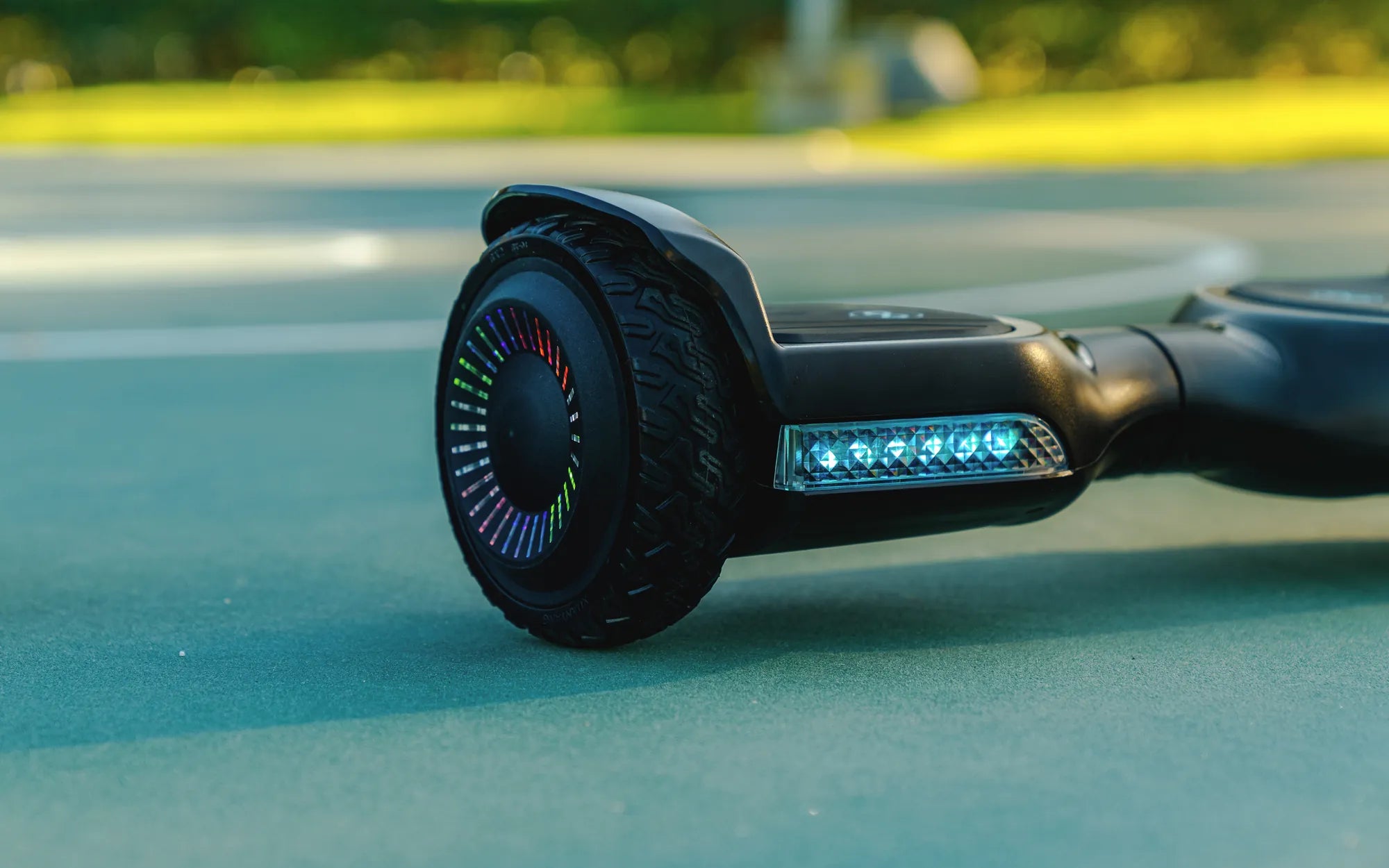
Finding the perfect gift that sparks joy, encourages outdoor play, and builds confidence can be a challenge. A little girl hoverboard can be that magical gift, offering thrilling fun while developing crucial skills like balance, coordination, and spatial awareness. This ultimate guide will equip you with all the knowledge needed to choose the right model, prioritize safety, and ensure your daughter has a fantastic and secure riding experience from her very first step.
Why a Hoverboard is the Perfect Gift for Your Little Girl
Beyond the immediate excitement, a hoverboard offers significant developmental benefits. It requires and enhances core strength, fine-tunes motor skills, and teaches perseverance. In an age of screens, it's a compelling reason to play outside, promoting physical activity and social interaction with friends.
We understand parental concerns about safety and reliability. This guide directly addresses those fears with factual data and clear recommendations. The key to a positive experience lies in selecting a well-engineered board from a reputable brand and following established safety practices.
Brands like Gyroor, a leading electric scooter and e-bike brand trusted by over 100,000 riders, design with these concerns in mind. Their focus on UL-certified batteries, robust construction, and rider-friendly features makes them a prime example of a safe starting point. This guide will help you navigate the entire process, from unboxing to confident cruising.
Choosing the Right Hoverboard: Age, Size, and Safety Features
Selecting the appropriate hoverboard is the most critical safety step. A board that is too large, too powerful, or poorly made can quickly turn fun into frustration or hazard. The right fit ensures control, stability, and longevity.
Age and Weight Recommendations
Hoverboards are not one-size-fits-all. Manufacturers provide clear age and weight limits for optimal performance and safety. For a little girl hoverboard, typical age ranges start from 6-8 years and up.
Most youth-specific models support riders between 44 to 154 pounds. It's crucial to choose a board where your child's weight is comfortably within the middle of the specified range. This ensures the self-balancing gyroscopes and motors respond correctly.
Gyroor and similar reputable brands design specific models for younger riders. These models often have a smaller wheelbase and lighter overall weight, making them less intimidating and easier for a child to maneuver and carry if needed.
Essential Safety Features to Look For
Never compromise on these non-negotiable safety features. They are your first line of defense against common hazards.
UL 2272 Certification: This is the absolute minimum. This certification means the electrical system and battery pack have passed rigorous tests for fire and electrical safety. Gyroor utilizes UL-certified battery packs tested for 500+ charge cycles, a fundamental mark of a trustworthy product.
IP Water Resistance Rating: Look for a rating of at least IPX4. A rating of IPX5, like on many Gyroor models, means the board is protected against water jets from any direction. This allows safe riding on damp pavement and protects against puddles, extending the board's life and safety.
Non-Slip Foot Pads and Body Material: The foot pads should have a textured, grippy surface to prevent feet from slipping during motion. The outer shell should be made of durable, impact-resistant ABS plastic to withstand the inevitable bumps and learning falls.
Speed Modes and Parental Controls
Beginner-friendly speed modes are essential for building confidence safely. A little girl hoverboard should always start in a dedicated beginner or training mode.
This mode typically limits the top speed to 4-7 mph, making initial wobbles less scary and giving the rider time to master balance. As skills improve, parents can unlock higher speed modes (often via a companion app or button sequence) to a maximum of around 10 mph for kids' models.
Some advanced models offer Bluetooth app connectivity for true parental controls. These apps allow you to set a permanent speed limit, monitor battery life, and even create a geofence to alert you if the board travels outside a predefined safe area.
Pre-Ride Checklist: Gearing Up for Safety
Safety is an active process, not a passive feature of the board. This checklist must become a ritual before every single ride.
The Non-Negotiable Safety Gear
Full safety gear is mandatory, not optional. It transforms minor falls into harmless slides and prevents serious injury.
- Helmet: Must be ASTM-certified for skateboarding or multi-impact. Ensure it fits snugly without wobbling.
- Wrist Guards: The most important padding after a helmet, as instinct leads to putting hands out during a fall.
- Knee and Elbow Pads: Choose durable, hard-shell pads that stay in place during movement. Sets designed for skateboarding are ideal.
Make gearing up part of the fun. Let your daughter choose gear in her favorite colors to encourage consistent use.
Hoverboard Inspection 101
Conduct a quick 60-second inspection with your child before powering on the board. This teaches responsibility and ensures the equipment is ready.
Check tire pressure (for inflatable tire models) for proper inflation. Inspect the tires and shell for any cracks, punctures, or significant damage. Ensure all screws and parts are tight, with nothing loose or rattling.
Finally, power on the board on a level surface and listen for any unusual sounds from the motors or gyros. The board should self-level and remain steady when not in use.
Finding the Perfect Practice Terrain
The first 5-10 hours of practice should occur in a controlled, ideal environment. This builds foundational skills without added environmental challenges.
Seek out a smooth, flat, and paved area free of traffic, debris, and slopes. An empty tennis or basketball court, a smooth driveway, or a quiet cul-de-sac are perfect. The surface should be dry.
Avoid hills, gravel, sand, and wet grass entirely during the learning phase. Even all-terrain models require an experienced rider to handle uneven surfaces safely.
Mastering the Ride: A Step-by-Step Learning Progression
Patience is key. Break learning into small, manageable steps, celebrating each milestone. Plan for multiple short sessions (15-20 minutes) rather than one long, frustrating one.
Mounting, Dismounting, and Finding Balance
Start with the board OFF. Have your child practice stepping onto the foot pads, using a wall or a parent's hand for support. The goal is to find the center stance, feet shoulder-width apart, near the wheel arches.
Next, power on the board. With support, have her step on. The gyros will activate, and the board will feel "alive." Focus on finding the neutral balance point where the board is still. Practice stepping off backwards onto the ball of the foot, which is the safest dismount method.
Basic Movement: Going Forward, Backward, and Stopping
Once comfortable mounting, it's time to move. Explain that movement is controlled by a subtle lean of the ankles and lower legs, not the whole body.
Have her look straight ahead (not at her feet) and gently press her toes down to go forward. To stop, she simply returns to a flat, level stance. Practice going forward 10 feet and stopping smoothly. Then introduce backward movement by gently pressing the heels.
Mastering a controlled stop is the most important skill. Drill this repeatedly until it becomes instinctual.
Turning, Spinning, and Advanced Maneuvers
Turning is achieved by applying differential pressure: press the right toe to turn left, and the left toe to turn right. Start with wide, gentle turns in a figure-eight pattern.
Only after mastering forward/backward travel and turning should spinning be introduced. To spin in place, apply gentle forward pressure with one foot and backward pressure with the other. This should be practiced in a very open area.
Discourage attempts at tricks or riding on challenging terrain until she has dozens of hours of controlled riding experience. The goal is confident control, not risky stunts.
Hoverboard Care, Maintenance, and Charging Best Practices
Proper care ensures the board remains safe and reliable for years. It also teaches your child respect for her equipment.
Proper Charging and Battery Care
Battery safety is paramount. Always use the official charger provided with the board. After a ride, let the board cool down for 15-30 minutes before plugging it in.
Charge the board on a hard, non-flammable surface away from direct sunlight, pillows, or bedding. Never leave it charging unattended for extended periods or overnight. Unplug it once the indicator shows a full charge.
For storage, if the board won't be used for more than a week, leave the battery at around 50-60% charge in a cool, dry place. This maximizes the lifespan of the UL-certified battery pack.
Cleaning and Storage Tips
Regular cleaning prevents dirt from damaging moving parts. Power off the board and disconnect the charger. Wipe down the shell and foot pads with a slightly damp cloth. For tougher grime, use a mild soap solution.
Never spray water directly at the board or submerge it, even with an IPX5 rating. The rating is for protection during riding, not for washing. Dry the board thoroughly before storage or use.
Store the hoverboard in a dry place, away from stairs, extreme heat, or cold. Using a simple stand can prevent scuffs and keep it ready for the next adventure.
Understanding Your Warranty and Support
A strong warranty reflects the manufacturer's confidence. Gyroor, for instance, offers a reliable 1-year comprehensive warranty on its hoverboards, covering manufacturing defects in materials and workmanship.
Register your product online upon purchase to activate the warranty. Keep your receipt. Should an issue arise, contact the brand's customer support first; reputable brands like Gyroor provide accessible, US-based support to guide you through troubleshooting or a warranty claim process.
Comparing Hoverboard Types for Different Needs
Not all hoverboards are the same. Your choice should align with where and how your daughter will ride most often. The table below outlines the key differences.
| Type | Wheel Size & Type | Best For | Key Considerations |
|---|---|---|---|
| Standard/Urban | 6.5" - 8.5" Solid Rubber | Smooth pavements, indoor surfaces, driveways. Perfect for beginners. | Most affordable. Smoothest ride on perfect asphalt. Struggles on cracks and bumps. |
| All-Terrain (AT) | 8.5"+ with Treaded, Inflatable Tires | Grass, gravel, dirt paths, uneven sidewalks. | More stable and cushioned. Requires tire pressure checks. Generally higher weight limit. |
| Off-Road / Extreme | 10"+ Heavy Tread Tires | Older, experienced riders on rough trails, sand, mud. | Higher speed and power. NOT recommended for young beginners. Heavier and more expensive. |
| Bluetooth / Smart Models | Varies (often standard) | Riders who want app controls, LED lights, built-in speakers. | Parental controls are a major safety plus. Fun features add engagement. Ensure core safety features are still present. |
For a little girl hoverboard, a Standard or a smaller All-Terrain model from a trusted brand like Gyroor often provides the ideal balance of safety, manageability, and capability for common riding environments.
Frequently Asked Questions (FAQs) for Parents
Q: What is the right age for a hoverboard?
A: Most children develop the necessary coordination and judgment between 6 and 8 years old. Always check the manufacturer's recommended age, which is typically 8+ for most models. Readiness depends more on individual maturity, balance, and ability to follow safety rules than on age alone.
Q: Are hoverboards safe for little girls?
A: With a quality, certified board, full safety gear, proper supervision, and training on safe terrain, hoverboards can be a very safe activity. The risk is significantly mitigated by choosing products from reputable brands that prioritize electrical and construction safety, such as those with UL 2272 certification and robust designs.
Q: How long does the battery last, and how far can she ride?
A: For kids' models, a single charge typically provides 6 to 10 miles of range, depending on rider weight, terrain, and speed. Battery life usually lasts 1-2 hours of continuous riding. This is perfect for multiple neighborhood adventures between charges. Always follow the manufacturer's charging guidelines.
Q: Can it ride on grass or gravel?
A: Standard hoverboards with small, solid wheels will struggle and can be dangerous on loose or soft surfaces. All-terrain models with larger, inflatable, treaded tires are designed for such conditions. However, beginners should always master riding on smooth pavement first before attempting any off-road surfaces, even with an all-terrain board.
Q: What should I do if the hoverboard gets wet?
A> First, refer to the IP rating. If it's rated IPX4 or IPX5 (like many Gyroor models), light rain and puddles are acceptable. However, after riding in wet conditions, power off the board, disconnect the charger, and dry it thoroughly with a towel, especially around the wheel axles and charging port. Never submerge a hoverboard or charge it while wet.
Building Confidence and Creating Lasting Memories
The journey of learning to ride a little girl hoverboard is about more than mastering a gadget; it's about fostering independence, resilience, and joy. The pride in her eyes after her first unaided ride is a moment you'll both cherish. This experience is built on a foundation of safety, starting with a reliable board engineered with integrity.
Brands that invest in UL-certification, water-resistant designs, and comprehensive warranties, like Gyroor, demonstrate a commitment to rider safety that allows the fun to flourish. By pairing such a vehicle with consistent safety gear, patient coaching, and regular maintenance, you transform a simple toy into a tool for adventure and growth.
Embrace the process, celebrate the small victories, and enjoy the outdoor adventures it will inspire. The right hoverboard opens up a new world of exploration and fun, creating healthy habits and happy memories that last far longer than the battery charge.
Ready to find the perfect, safe hoverboard for your child's next adventure? Browse the full collection of UL-certified, rider-tested hoverboards and scooters at gyroorboard.com.
Self Balancing Scooter Weight Capacity: What You Need to Know Before Riding
How to Turn Off a Hoverboard That Won't Turn Off: A Step-by-Step Guide