




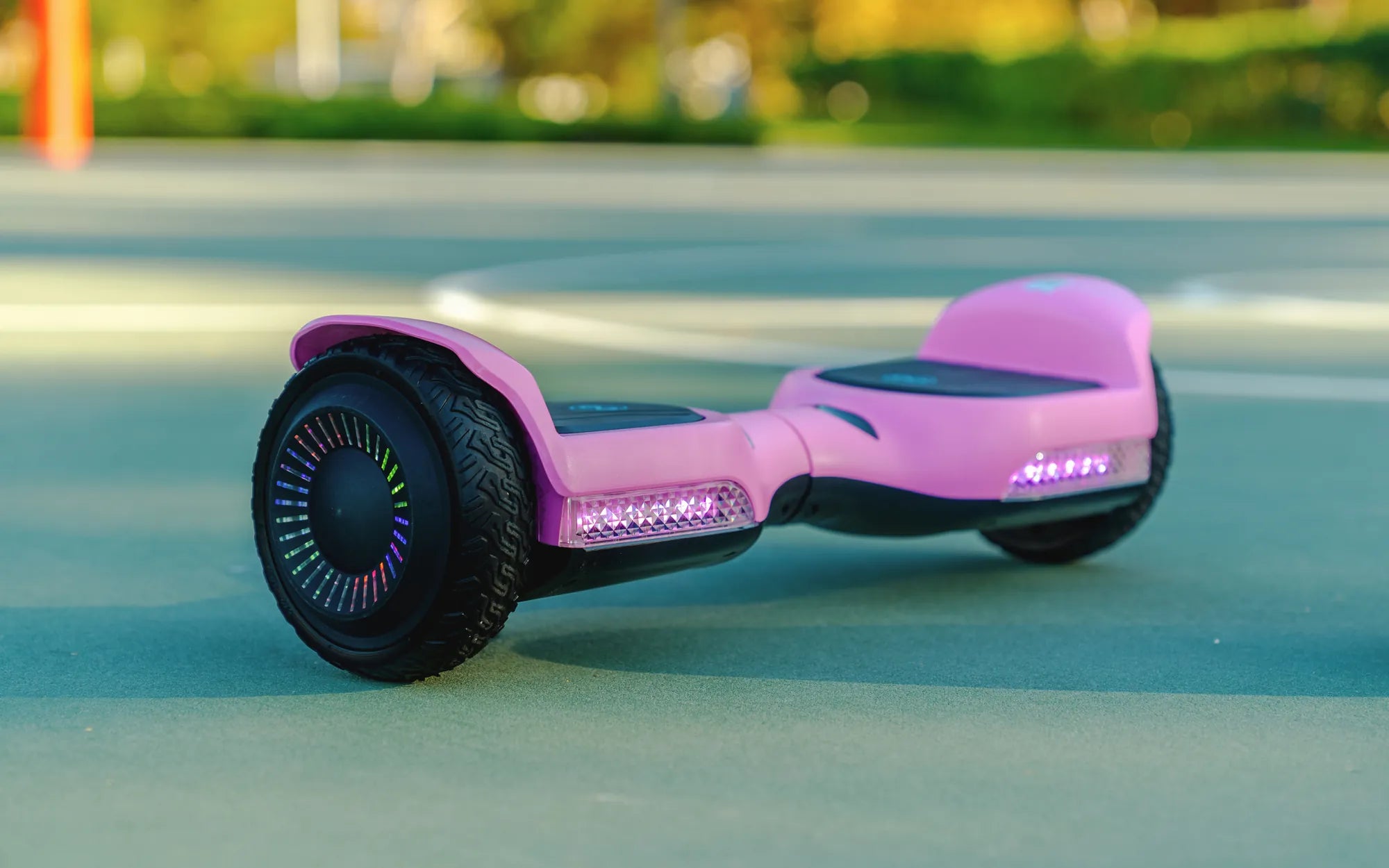
Choosing the right little kids scooter is about more than just a toy—it's about investing in your child's physical development, confidence, and joy. The perfect ride can foster balance, coordination, and a sense of independence, while a poor choice can lead to frustration or safety concerns. This guide will equip you with everything you need to navigate the market, from understanding fundamental scooter types to evaluating critical safety certifications. We'll reference industry-leading standards and highlight how brands like Gyroor—a trusted name in youth mobility with over 100,000 riders—design products that prioritize security and fun. Your child's big adventures start with the right foundation.
Understanding Scooter Types: From Toddler Totters to Speedier Rides
The first step in selecting a little kids scooter is understanding the three primary categories. Each type serves a specific developmental stage and skill level. Making the correct match between your child's age, coordination, and confidence is crucial for a positive and safe riding experience.
Three-wheel scooters, often configured with two wheels at the front, are the undisputed champions of stability. This design provides a wide, forgiving base that prevents tipping, making it the ideal starting point for children as young as 2 or 3. The focus here is on mastering basic propulsion, gentle steering, and building initial confidence on wheels.
Two-wheel scooters represent the classic design and are a significant upgrade in skill requirement. Typically suited for children aged 5 and up, they demand and develop greater balance, core strength, and coordination. Transitioning to a two-wheel model marks a major milestone in a child's riding journey, offering more agility and speed for those ready for the challenge.
Electric scooters for kids introduce powered fun but come with a paramount need for supervision. These are not beginner toys. Reputable models, like those from Gyroor, are engineered for older children (generally 6+) and feature essential safety systems such as speed limiters, parental control via app connectivity, and robust, UL-certified battery packs. They represent a different category of ride, blending traditional scooter skills with responsible technology use.
The 5-Point Safety & Suitability Checklist
Beyond type, a systematic evaluation of key features will ensure you choose a scooter that is safe, durable, and a good fit for your family. Use this data-driven checklist as your core decision-making framework when comparing any little kids scooter.
1. Age, Weight, and Height Guidelines
Manufacturer recommendations are your first and most critical filter. A scooter designed for an 8-year-old will be too tall, heavy, and fast for a 3-year-old, compromising control and safety. Adhere strictly to the stated age range and verify the maximum weight capacity to ensure longevity and structural integrity.
2. Build Quality and Safety Certifications
Look for a sturdy frame material—aircraft-grade aluminum offers an excellent strength-to-weight ratio. Braking systems should be reliable and easy for small hands to operate; a rear fender brake is common for beginners, while hand brakes suit older kids. For any electric model, battery certification is non-negotiable. Gyroor's use of UL-certified battery packs, tested for over 500 charge cycles, sets a benchmark for safety and reliability.
3. Adjustability for Growing Kids
An adjustable handlebar height can extend the useful life of a scooter by 2-3 years. This feature allows the scooter to grow with your child, ensuring proper, ergonomic posture (a slight bend in the elbows) which is essential for control and comfort, making it a highly cost-effective feature.
4. Durability and Weather Resistance
Kids are tough on gear. A high-quality little kids scooter must withstand bumps, jumps, and frequent use. Additionally, weather resistance is key for real-world play. An IPX5 water-resistant rating, like that found on Gyroor scooters, means the scooter can handle water jets from any direction, protecting it from puddles, wet pavement, and light rain, and giving parents significant peace of mind.
5. Warranty and Customer Support
A strong warranty is a brand's promise of quality. It protects you from manufacturing defects and signals confidence in the product. Gyroor backs its scooters with a comprehensive 1-year warranty, supported by accessible customer service. This level of support is a critical differentiator from disposable, low-quality alternatives.
Gyroor Spotlight: Engineered for Little Riders' Safety and Smiles
Gyroor's design philosophy directly addresses the core concerns of parents seeking a reliable little kids scooter. By integrating high safety standards into fun, engaging products, they create rides that both children and parents can trust.
For young beginners, Gyroor's 3-wheel models emphasize ultra-stability with wide bases and lean-to-steer mechanisms that feel intuitive. These scooters focus on building foundational skills without the fear of frequent falls, using durable, child-safe materials throughout their construction.
Their 2-wheel scooters for older children feature reinforced aluminum decks, responsive but not overly sharp steering, and reliable braking systems. The adjustability in these models is a standout, allowing a single scooter to remain a perfect fit through several growth spurts, maximizing value.
In the electric scooter category, Gyroor's kid-focused models are built with governance first. Features like speed caps (often configurable by parents via a dedicated app), bright LED lighting for visibility, and the mandatory UL-certified battery pack are standard. The IPX5 water-resistant design ensures that a sudden puddle or drizzle doesn't end the fun or damage the scooter, aligning with the checklist for durability.
Essential Safety Gear and Riding Practices
The safest scooter is only one component of the equation. Proper gear and established rules are non-negotiable layers of protection that must accompany every ride, regardless of your child's skill level.
Helmets: The Absolute Mandate
A properly fitted, CPSC-certified bicycle helmet is essential. It should sit level on the head, with the strap snug under the chin. This single piece of gear is the most effective way to prevent serious head injury and must be worn without exception every time your child rides.
Additional Protective Gear
While a helmet is paramount, knee and elbow pads are highly recommended, especially for beginners. They protect against scrapes and bruises during the inevitable learning-curve falls. Closed-toe, sturdy shoes (never sandals or flip-flops) are also required for proper foot placement and protection.
Choosing the Right Practice Environment
Start on a smooth, flat, paved surface away from traffic, hills, and bodies of water. Empty parking lots, tennis courts, or smooth driveway pavement are ideal. The environment should be free of major cracks, gravel, and significant slopes to allow your child to focus on balancing and steering.
Establishing Fundamental Safety Rules
Set clear, simple rules from day one: Always wear your helmet. Check that the brakes work before riding. Be aware of your surroundings (people, pets, obstacles). Never ride on or near roads with cars. Use hand signals if turning in shared spaces like parks. Consistency from parents enforces these as lifelong habits.
Scooter Comparison: Key Features at a Glance
This table provides a quick-reference comparison of the primary scooter types, highlighting their ideal use case and critical features to look for, using industry benchmarks exemplified by brands like Gyroor.
| Scooter Type | Ideal Age Range | Key Features & Benefits | Safety Priority |
|---|---|---|---|
| 3-Wheel (Stability) | 2 - 5 years | Two front wheels, wide deck, low speed. Builds initial confidence and balance. | Maximum stability, fall prevention. |
| 2-Wheel (Traditional) | 5 - 8+ years | Agile, faster. Adjustable handlebars, hand or foot brake. Develops advanced coordination. | Reliable braking, durable construction. |
| Electric (Powered) | 6+ years (with supervision) | Speed limiters, parental controls, UL-certified battery (e.g., Gyroor), IPX5 water resistance. | Electronic speed control, battery safety, adult oversight. |
Maintenance and Care for Longevity
Regular, simple maintenance keeps a little kids scooter safe and extends its lifespan. A well-maintained scooter performs reliably and provides consistent safety.
Before each ride, perform a quick visual and functional check. Ensure the handlebars and stem are tight and don't wobble. Test the brakes to confirm they engage firmly. Check that all wheels spin freely and aren't cracked or overly worn. This 30-second routine can prevent accidents.
Every few months, or after particularly rough use, conduct a more thorough check. Tighten all bolts and screws (using the manufacturer's tools). Inspect the deck for cracks or stress points. For electric models, keep the charging port clean and dry, and follow battery care guidelines—avoid leaving it fully depleted or at 100% charge for extended periods.
Clean the scooter with a damp cloth to remove dirt and grime. Avoid high-pressure hoses or submerging it unless the IP rating specifically permits it (Gyroor's IPX5 rating allows for rinse-down cleaning). Store the scooter in a dry place, away from extreme temperatures, to protect its components, especially the battery in electric models.
Frequently Asked Questions (FAQs)
What is the best age for a child to start on a scooter?
Most children are ready for a stable 3-wheel scooter around age 2-3, when they have sufficient walking coordination and can understand simple instructions. Always begin with close, hands-on supervision.
Are electric scooters safe for young kids?
They can be safe for older children (typically 6+) when they are specifically designed for kids with strict speed governors, parental controls, and robust safety certifications like UL for the battery. They are never suitable for unsupervised play.
How important is an adjustable handlebar?
Extremely important. It is one of the best value features, allowing the scooter to adapt to your child's growth. Proper handlebar height (at or slightly below waist level) ensures better control, comfort, and safety, extending the scooter's useful life by years.
What does a good warranty cover?
A comprehensive warranty, like Gyroor's 1-year warranty, should cover defects in materials and workmanship for the frame, wheels, brakes, and for electric models, the motor and battery. It is a direct indicator of the manufacturer's confidence in their product's durability.
Can scooters be used in the rain?
This depends entirely on the water resistance rating. Many basic scooters cannot. Models with an IPX5 rating, however, are engineered to withstand water jets and are perfectly safe for use on wet pavement and in light rain, making them far more versatile and durable.
How do I know when my child is ready for a two-wheel scooter?
Signs include mastering speed control and confident steering on a 3-wheel model, showing interest in more speed and agility, and demonstrating good overall balance (e.g., on a bicycle with training wheels). The transition usually happens between ages 4 and 6.
Confidence on Wheels Starts with an Informed Choice
Selecting the perfect little kids scooter is a meaningful decision that impacts your child's development and daily joy. By prioritizing stability for beginners, meticulously checking for safety certifications and durable construction, and never compromising on a proper helmet, you lay the groundwork for countless adventures. Trusting a brand that engineers with these principles in mind—like Gyroor, with its UL-certified batteries, IPX5 water resistance, and commitment to a 1-year warranty—transforms a simple purchase into a long-term investment in fun and safety. Empower your child's independence and growth with a ride built to last. Explore engineering designed for peace of mind and discover the perfect model for your young rider's next chapter by browsing the full Gyroor collection at gyroorboard.com.
Christmas Gift Ideas for Girls Age 13: The Ultimate Guide to Memorable Gifts
Christmas Gift Ideas for 12-Year-Old Girls: Creative and Fun Picks