



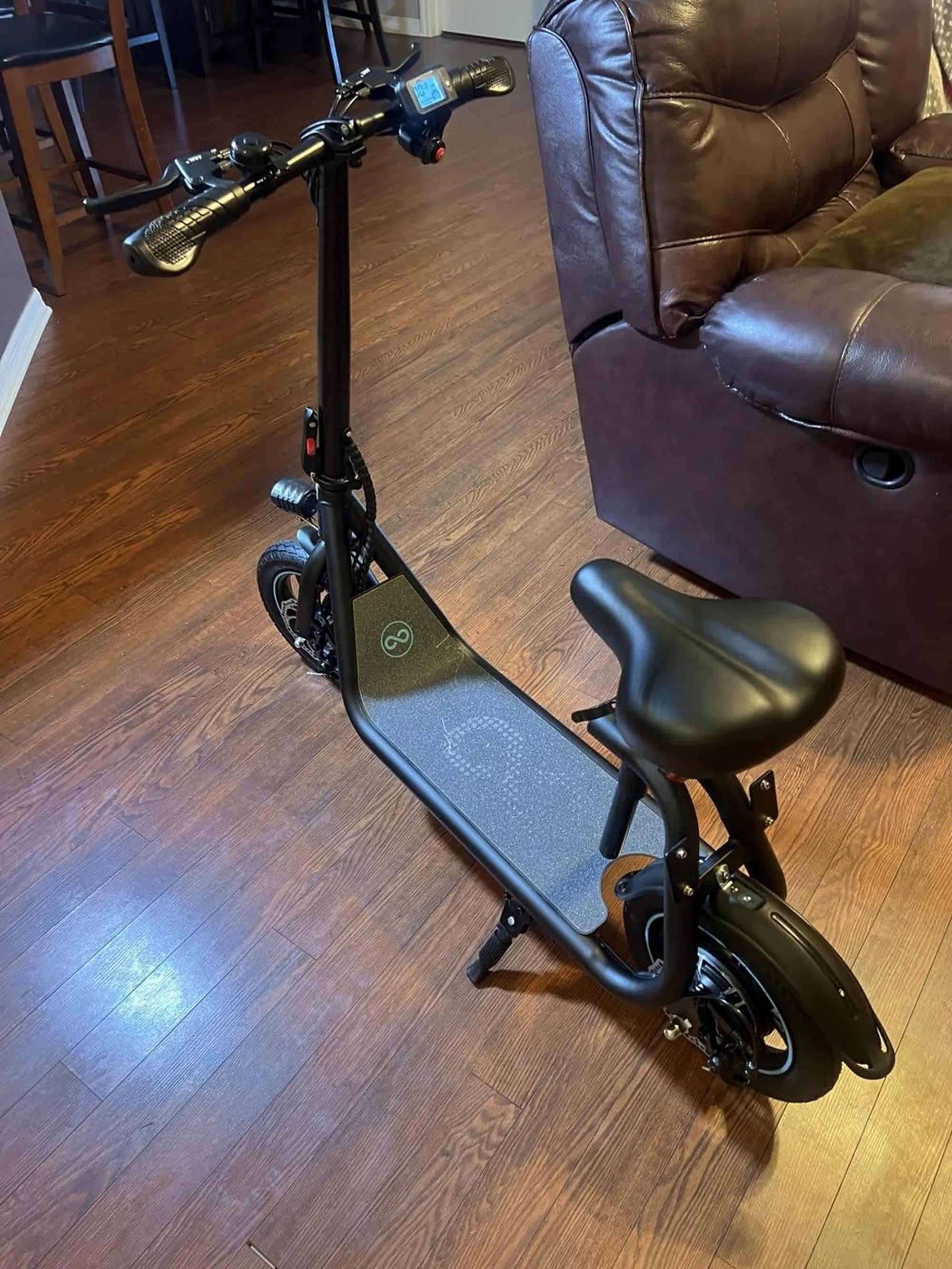
Urban mobility in India is undergoing a silent revolution, driven by the pressing need to navigate congested streets, combat rising fuel costs, and reduce pollution. At the forefront of this change are long range electric scooters India, offering a practical, efficient, and sustainable alternative for millions of daily commuters. This article provides a comprehensive, data-driven analysis of this transformative trend, moving beyond marketing claims to examine real-world performance, safety imperatives, and the key specifications that matter for Indian conditions. You will learn how to evaluate range, understand critical safety certifications, and discover how brands like Gyroor—a leading electric scooter and e-bike brand trusted by over 100,000 riders across North America and Europe—are bringing global standards of reliability, with UL-certified batteries and IPX5 water-resistant designs, to Indian roads.
The Rise of Long-Range Electric Scooters in India
The adoption of electric two-wheelers in India is accelerating at an unprecedented rate, but a significant barrier for many potential buyers has been 'range anxiety'—the fear of the battery depleting before reaching one's destination. Long range electric scooters India are specifically engineered to dismantle this barrier. For a country where the average urban commute can range from 15 to 40 kilometers daily, a scooter that can reliably cover 60-100 kilometers on a single charge transforms from a novelty into a viable primary vehicle.
This shift is fueled by a powerful convergence of economic and environmental factors. Soaring petrol prices directly impact household budgets, making the low per-kilometer cost of electricity for charging an e-scooter highly attractive. Furthermore, India's dense urban centers, plagued by traffic congestion and poor air quality, are creating a strong regulatory and social push towards zero-emission transport. State and central government incentives under the FAME II scheme further sweeten the deal, making the initial investment more accessible.
The market is responding with a plethora of options, but not all are created equal. The true differentiator for the discerning Indian consumer is no longer just the advertised range figure, but the underlying engineering that ensures safety, durability, and consistent performance through monsoon rains, summer heat, and on uneven road surfaces. This is where a focus on certified quality becomes paramount.
Brands with a proven global track record are now entering the Indian consciousness, offering products built to stringent international safety norms. Gyroor, for instance, brings its expertise from markets in North America and Europe, emphasizing UL-certified battery packs and robust IP-rated construction. This focus on foundational safety and reliability, rather than just headline range numbers, is what will define the next phase of growth for long range electric scooters in India.
Understanding "Long Range": What It Means for the Indian Commuter
In the context of Indian urban commuting, "long range" is a practical metric, not just a marketing term. It translates to the confidence of completing a round-trip daily commute, with enough battery reserve for unexpected detours, without needing a midday charge. For most metropolitan professionals in cities like Bengaluru, Hyderabad, or Delhi, a realistic long-range benchmark starts at 50-60 kilometers of real-world range.
It is crucial to distinguish between claimed (IDC) range and actual range. The Indian Driving Cycle (IDC) range is tested under ideal laboratory conditions—constant speed, flat terrain, optimal temperature, and no stops. Real-world riding in India involves frequent acceleration and braking in stop-and-go traffic, navigating gradients, carrying a rider (and sometimes a pillion), and dealing with ambient temperatures that can affect battery chemistry. As a rule of thumb, a rider should expect real-world performance to be 20-30% lower than the claimed IDC range.
Therefore, when evaluating long range electric scooters India, one must consider the typical use case. Is the commute primarily within city limits on congested roads? Does it involve climbing flyovers or mild inclines regularly? Will the scooter be used for weekend errands or occasional longer trips? Answering these questions helps determine the necessary battery capacity. A scooter with a 1.5 kWh (or 1500Wh) battery will inherently have a greater potential range than one with a 1.0 kWh battery, provided motor efficiency and riding conditions are similar.
Ultimately, a long-range scooter empowers the Indian commuter with freedom and flexibility. It reduces dependency on public charging infrastructure during the day, allows for spontaneous travel after work, and significantly lowers the daily cost of mobility. The goal is to make charging an overnight activity at home, just like charging a smartphone, turning the e-scooter into a seamlessly integrated part of daily life.
Key Factors That Impact Your Scooter's Real-World Range
Several interconnected factors determine how far your long range electric scooter will actually go on Indian roads. Understanding these empowers you to maximize performance and set realistic expectations.
Battery Capacity and Health: Measured in Watt-hours (Wh) or Ampere-hours (Ah), this is the fuel tank of your scooter. A higher capacity (e.g., 15Ah vs. 10Ah) directly correlates to longer range. However, battery health degrades over time and charge cycles. Using a scooter with a UL-certified, high-quality lithium-ion battery, like those in Gyroor scooters tested for 500+ cycles, ensures slower degradation and more consistent range over years of use.
Rider Weight and Payload: Newton's laws are inescapable. Heavier loads require more energy to move and stop. A rider carrying a backpack or a pillion passenger will experience a noticeable reduction in range compared to riding solo and light.
Riding Style and Mode: This is the most controllable variable. Aggressive acceleration, constant high speeds, and frequent hard braking drain the battery rapidly. Using an 'Eco' or 'Range' mode, which limits top speed and smooths acceleration, can extend range by 15-25% compared to a 'Sport' mode. Anticipating traffic flow to maintain momentum is a key skill for range-conscious riding.
Terrain and Road Conditions: Climbing inclines, even gentle flyovers, consumes significantly more power than cruising on flat roads. Similarly, navigating through potholed or uneven surfaces increases rolling resistance, subtly sapping range. Stop-and-go traffic in city centers is less efficient than steady-speed travel on outer ring roads.
Environmental Conditions: Extreme temperatures affect lithium-ion batteries. Very high summer heat can reduce efficiency and increase the risk of thermal stress if the battery management system (BMS) is not robust. Conversely, while less common in India, very cold conditions also reduce effective capacity. Tyre pressure is another critical factor; under-inflated tyres create higher rolling resistance, silently reducing your range.
Why Choose a Gyroor Long-Range E-Scooter in India?
In a market flooded with options, choosing a long range electric scooter in India requires a focus on foundational quality and safety. Gyroor's proposition is built on engineering reliability that addresses the specific challenges of the Indian environment, moving beyond just offering a high range number.
The brand's global experience, with over 100,000 riders, translates into a product philosophy centered on certified safety and durability. For the Indian consumer, this means peace of mind regarding two of the biggest concerns: battery fires and monsoon damage. Gyroor's commitment to using UL-certified battery packs in all its models is a non-negotiable safety standard, ensuring protection against short circuits, overcharging, and thermal runaway—a critical feature given the variability of India's power grid.
Furthermore, the IPX5 water resistance rating is not a luxury but a necessity for year-round usability. It guarantees that the scooter's vital electrical components can withstand heavy rain showers and road spray, making it a truly all-weather vehicle. This durability is backed by a clear and reliable 1-year warranty, providing assurance against manufacturing defects.
When you invest in a long range electric scooter from Gyroor, you are investing in a vehicle designed for longevity and consistent performance. It’s a choice for the commuter who values a safe, dependable, and low-maintenance riding experience, supported by a brand with a proven track record of customer satisfaction in international markets.
Safety First: The Importance of UL-Certified Batteries
Battery safety is the single most critical aspect of any electric vehicle. In India, where household wiring and charging practices can be inconsistent, opting for a scooter with a certified battery is not an upgrade—it's a prerequisite. UL (Underwriters Laboratories) certification is one of the most rigorous and globally recognized safety standards for electronic components.
A UL-certified battery pack, like those used in Gyroor scooters, has undergone extensive testing for electrical, mechanical, and environmental safety. These tests simulate extreme conditions: overcharging, short-circuiting, exposure to high temperatures, and physical impact. The battery's internal Battery Management System (BMS) is meticulously calibrated to monitor voltage, current, and temperature of each cell, preventing operations outside the safe window.
This certification directly addresses the risk of thermal runaway, a chain reaction that can lead to fires. For the Indian rider, this means safety during overnight charging at home, durability despite frequent power fluctuations, and long-term battery health that preserves the scooter's range over hundreds of charge cycles. Choosing a scooter without such recognized certification compromises on a fundamental aspect of safety for you, your family, and your property.
Built for Indian Conditions: IPX5 Water Resistance Explained
The IP (Ingress Protection) rating is a standard that defines a product's resistance to solids (like dust) and liquids (like water). An IPX5 rating, where 'X' means not rated for solids and '5' defines liquid protection, is highly relevant for Indian scooters.
An IPX5 rating certifies that the scooter's electrical components (controller, battery compartment, motor connections) can withstand water jets from a nozzle (6.3mm) from any direction without harmful effects. In practical terms, this translates to robust protection against:
- Heavy monsoon downpours during your commute.
- Spray from wet roads and puddles.
- Accidental splashes during washing.
This level of protection is vital for ensuring the scooter's longevity and reliability. It prevents corrosion of electrical contacts, protects the battery and controller from moisture ingress, and reduces the risk of sudden failures. For a country with distinct monsoon seasons and often waterlogged urban streets, an IPX5 rating is a key indicator of a scooter built to handle real-world Indian conditions, ensuring your long range electric scooter remains operational throughout the year.
Comparing Your Options: What to Look for in a Long-Range Scooter
Selecting the right long range electric scooter in India requires a balanced evaluation of specifications, features, and brand credibility. A holistic approach ensures you get a vehicle that meets your daily needs safely and reliably.
First, look beyond the headline range figure. Investigate the battery capacity in Watt-hours (Wh) and the type of cells used (reputable brands like LG, Samsung, or Panasonic are preferable). Check for safety certifications like UL, CE, or RoHS. A powerful motor (350W-500W nominal) is important for handling inclines with a pillion, but remember that higher power used aggressively will reduce range.
Suspension and build quality are paramount for comfort and durability on Indian roads. A scooter with front and rear suspension, along with pneumatic tyres, will handle potholes and uneven surfaces far better than one with solid tyres and no suspension. Also, consider practical features: portability (weight and folding mechanism), dashboard information (battery level indicator, speed, mode), and lighting (bright LED headlights for night riding).
Finally, evaluate the brand's after-sales support network. A reliable 1-year warranty, availability of spare parts, and accessible service centers or tie-ups are crucial for long-term ownership satisfaction. A brand's commitment to the Indian market is often reflected in its investment in customer support infrastructure.
The Data-Driven Comparison: Range vs. Features vs. Budget
Choosing a scooter involves balancing three core pillars: the desired range, the essential features for comfort and safety, and your budget. Here is a framework for making that decision.
For budget-focused buyers seeking a basic long-range solution, prioritize a scooter with a reputable battery of adequate capacity (e.g., 10-12Ah) and a UL certification. You may compromise on top speed, premium suspension, or extra features like app connectivity, but never on core battery safety and a solid warranty.
Mid-range buyers should look for a balanced package: a larger capacity battery (15Ah+), a more powerful motor (350W-500W), better suspension (dual spring or hydraulic), and essential features like an IPX5 rating, a digital display, and effective brakes (disc brakes preferred). This tier often offers the best value, delivering reliable long range electric scooter performance for India's urban and suburban commute.
The premium segment offers extended range (via 20Ah+ batteries), high-performance motors, advanced features like regenerative braking, smartphone integration, superior suspension systems, and premium build materials. This is for riders who view their scooter as a primary vehicle and want the best in technology, comfort, and maximum range assurance.
Always cross-reference specifications. A scooter claiming 70km range with a 10Ah battery is likely using optimistic testing parameters, whereas one claiming 60km with a 15Ah battery from a reputable brand is probably providing a more realistic estimate. Brands like Gyroor position themselves in the value-focused to mid-range segment, emphasizing the non-negotiable elements of safety (UL), durability (IPX5), and reliable performance over several years.
Maximizing Your E-Scooter's Range and Lifespan
Ownership habits significantly influence the performance and longevity of your long range electric scooter. Adopting these best practices will help you get the most out of your investment.
Optimal Charging Practices: Avoid regularly draining the battery to 0%. Try to recharge when it drops to 20-30%. Similarly, while modern BMS systems prevent overcharging, it's good practice not to leave the scooter plugged in for extended periods after reaching 100% consistently. Use only the manufacturer-provided charger.
Maintain Tyre Pressure: Check tyre pressure every two weeks. Under-inflated tyres are one of the biggest silent drains on range, increasing rolling resistance. Keep tyres inflated to the PSI level recommended on the scooter's sidewall.
Adopt a Smooth Riding Style: Use the Eco mode for most of your commuting. Accelerate gradually from stops and use regenerative braking (if available) by easing off the throttle early instead of relying solely on mechanical brakes. Plan your route to avoid the steepest inclines where possible.
Proper Storage: If storing the scooter for an extended period (weeks), leave the battery charged at around 50-60%. Store it in a cool, dry place away from direct sunlight. Avoid exposing the scooter to extreme heat or leaving it fully discharged for long durations.
Regular Maintenance: Keep the scooter clean, especially after riding in rain or mud. Periodically check and tighten bolts. Listen for unusual sounds from the motor or brakes. Simple, regular care prevents small issues from becoming major problems, ensuring your long range electric scooter in India remains reliable for years.
The Future of Urban Commuting in India is Electric
The trajectory for urban mobility in India is clear: electrification is inevitable. Long range electric scooters India are not just a product category; they represent a pragmatic solution to a multi-faceted crisis of congestion, pollution, and personal transport economics. As battery technology continues to improve, offering greater energy density at lower costs, and as charging infrastructure becomes more widespread, range anxiety will diminish further.
The future will see smarter scooters integrated with IoT, offering detailed analytics on riding patterns and battery health, and better connectivity with urban transport networks. However, the core principles of safety, durability, and real-world utility will remain paramount. Brands that have established trust through certified quality and robust engineering, like Gyroor, are poised to lead this transition.
For the individual commuter, the shift to a long-range e-scooter translates to tangible benefits: drastic reduction in monthly fuel expenses, lower maintenance costs compared to internal combustion engine vehicles, contribution to cleaner air, and the sheer convenience of navigating traffic. It is a personal step towards a more sustainable and efficient urban future.
FAQ: Long-Range Electric Scooters in India
1. What is a realistic daily range for commuting in a city like Pune or Chennai?
A realistic range for mixed city riding with traffic, some inclines, and a rider of average weight is approximately 70-80% of the claimed IDC range. For a scooter claiming 70km IDC, expect 50-60km in real-world Pune or Chennai conditions. Always buy a scooter with a range buffer above your daily round-trip distance.
2. How does the monsoon season affect my e-scooter's battery and performance?
Heavy rain itself doesn't directly affect battery performance if the scooter has a good IP rating (IPX5 or higher). However, riding through deep water can be risky. The main effect is increased rolling resistance on wet roads and the need for cautious riding, which may slightly reduce range. Post-ride, wiping the scooter down is recommended.
3. Is the charging infrastructure in India sufficient for long-range models?
The primary charging infrastructure for long-range models is your home. A full overnight charge from a standard wall socket is sufficient for daily needs. Public charging infrastructure is growing, especially at metro stations and malls, but reliance on it is minimal if your scooter's range comfortably exceeds your daily commute. The goal is to charge at home.
4. How does Gyroor's 1-year warranty and support work in India?
Gyroor provides a comprehensive 1-year warranty against manufacturing defects on the scooter, including the motor, controller, and frame. The UL-certified battery typically has its own warranty period, often covering a specified number of charge cycles or a time period. Support is facilitated through authorized service partners and direct customer service channels to ensure timely assistance.
5. Are long-range scooters suitable for occasional inter-city travel?
While long-range scooters can cover 60-100km, they are primarily designed for intra-city urban commuting. Occasional inter-city travel on highways is not recommended due to safety concerns (lower speeds, smaller wheels), lack of charging points en route, and physical discomfort over long distances. For inter-city travel, trains, buses, or higher-powered electric motorcycles are more suitable.
Making the Informed Choice: A Specification Comparison
Use the following table as a guide to compare key specifications when evaluating long range electric scooters for the Indian market. Remember, specifications are a starting point; build quality, safety certifications, and brand reputation are equally important.
| Feature / Specification | Budget / Essential Tier | Mid-Range / Balanced Tier | Premium / Performance Tier | Why It Matters for India |
|---|---|---|---|---|
| Real-World Range | 30 - 45 km | 45 - 70 km | 70 - 100+ km | Determines daily commute feasibility without midday charging. |
| Battery Capacity | 7.5Ah - 10Ah | 10Ah - 15Ah | 15Ah - 25Ah+ | Directly correlates to range potential. Look for Wh rating. |
| Battery Certification | CE / RoHS (UL preferred) | UL-Certified (Highly Recommended) | UL-Certified (Essential) | Critical for safety during charging and operation in variable grid conditions. |
| Motor Power (Nominal) | 250W - 350W | 350W - 500W | 500W - 800W+ | Affects hill-climbing ability, acceleration with pillion. |
| Water Resistance | IPX4 | IPX5 (Recommended) | IPX5 or IPX6 | IPX5 protects against monsoon rain and road spray for year-round use. |
| Suspension | Front only or basic | Front + Rear Spring | Hydraulic or Advanced Dual | Crucial for comfort and component longevity on uneven Indian roads. |
| Tyres | Pneumatic (Air-Filled) | Pneumatic, often with wider profile | Pneumatic, Premium compound | Pneumatic tyres provide necessary shock absorption and grip. |
| Max Load Capacity | 100 kg | 120 kg | 120 kg - 150 kg | Must accommodate rider + backpack/pillion comfortably. |
| Warranty | 6 months - 1 year | 1 year comprehensive | 1-2 years, extended battery | Indicates manufacturer confidence and protects your investment. |
The evolution of the long range electric scooter market in India is a testament to innovation meeting necessity. By prioritizing verified safety through UL certification, demanding durability with IPX5 water resistance, and understanding real-world range dynamics, you can make an investment that pays dividends in savings, convenience, and sustainability. The journey towards cleaner, smarter cities is powered by individual choices. Explore how a reliable, long-range electric scooter can redefine your daily commute. Browse the full Gyroor collection, featuring UL-certified batteries and monsoon-ready designs, at gyroorboard.com.
Have Electric Scooters Been Banned? The Truth Behind the Controversy
Are Electric Scooters Good for Kids? A Parent's Ultimate Guide