

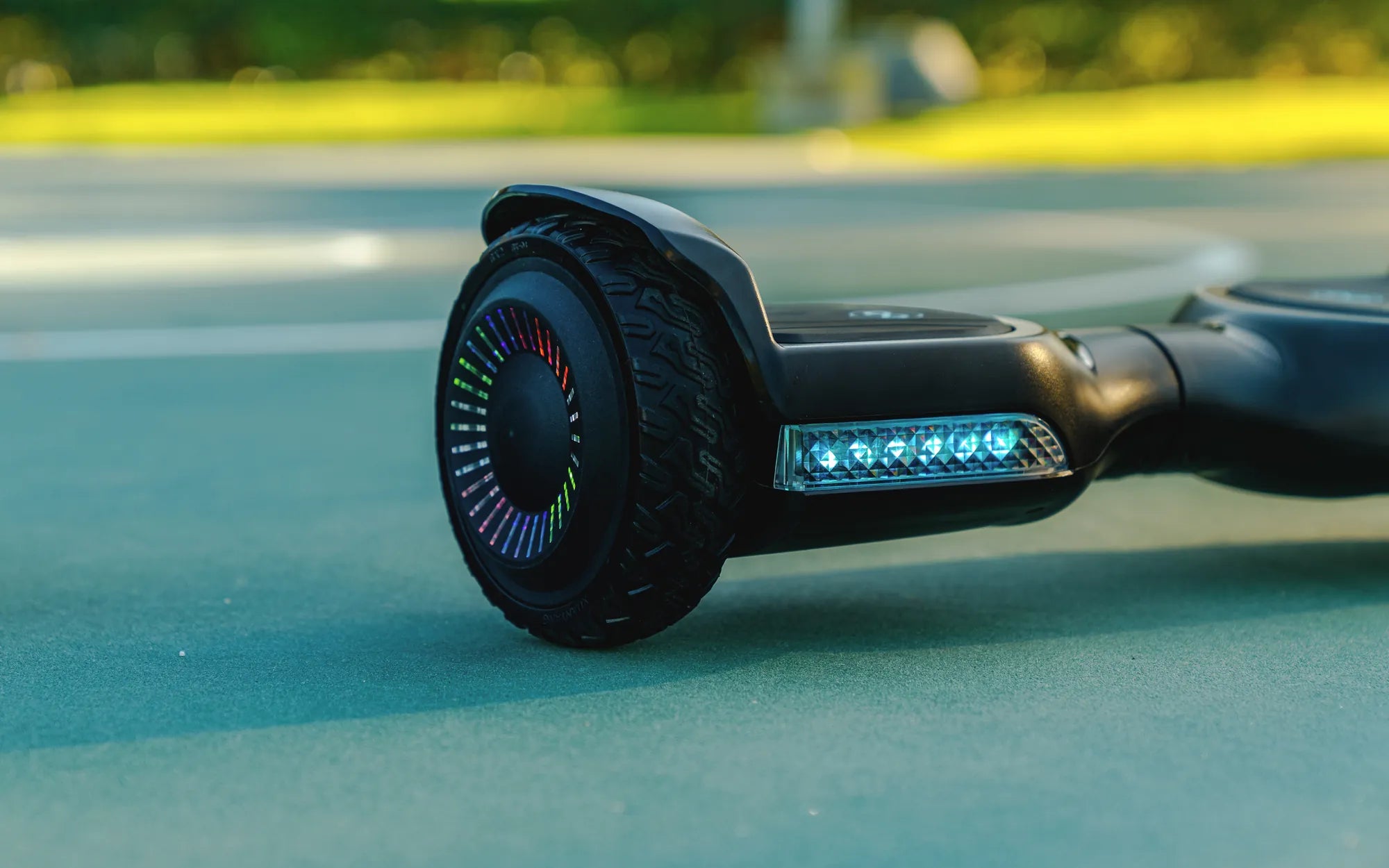
The Dream of a Real Hoverboard
Imagine gliding effortlessly above the ground, defying gravity like the futuristic hoverboards seen in movies. The idea of making a real hoverboard has captivated inventors, engineers, and dreamers for decades. While the concept may seem like pure science fiction, recent advancements in physics and engineering have brought us closer than ever to turning this fantasy into reality.
The Physics Behind Levitation
To understand how a real hoverboard might work, we need to explore the principles of levitation. There are several scientifically viable methods to achieve this effect:
- Magnetic Levitation (Maglev): Uses powerful magnets to create repulsive or attractive forces that lift an object off the ground.
- Air Cushion Technology: Relies on high-pressure air streams to create a cushion between the board and the surface.
- Superconductors: When cooled to extremely low temperatures, certain materials can expel magnetic fields, enabling frictionless levitation.
The Challenges of Making a Real Hoverboard
Despite the exciting possibilities, creating a functional hoverboard presents significant challenges:
- Energy Requirements: Levitation demands immense energy, making portable power sources a major hurdle.
- Stability and Control: Maintaining balance and directional control without physical contact with the ground is incredibly complex.
- Surface Limitations: Most current hoverboard prototypes only work over specific surfaces like magnetic tracks or conductive materials.
Breakthroughs in Hoverboard Technology
Recent years have seen remarkable progress in hoverboard development:
| Technology | Advancement | Current Limitations |
|---|---|---|
| Electromagnetic Systems | More efficient power usage | Requires prepared surfaces |
| Quantum Locking | Stable levitation | Extreme cooling needed |
| Air Propulsion | Works on any surface | Short flight duration |
The Future of Personal Levitation
As technology continues to evolve, making a real hoverboard that's practical for everyday use becomes increasingly plausible. Researchers are exploring innovative solutions like room-temperature superconductors and more efficient battery systems. The day when we can casually hover to work or school might not be as far away as we think.
From science fiction to scientific reality, the quest for a real hoverboard continues to push the boundaries of human ingenuity. Who knows? The next breakthrough could be just around the corner, waiting to revolutionize personal transportation forever.
42 V Hoverboard Charger: The Ultimate Guide to Safe and Efficient Charging
Best Hoverboards for Kids 2025: Top Picks for Fun and Safety