



Imagine a world where every individual, regardless of physical limitations, can move freely and independently. Mobility scooter accessibility is making this vision a reality, empowering millions to reclaim their freedom and participate fully in society. From bustling city streets to serene park pathways, these devices are breaking down barriers and fostering inclusivity. But what exactly makes mobility scooters so transformative, and how can we ensure their accessibility continues to improve? Let’s dive in.
The Importance of Mobility Scooter Accessibility
Mobility scooters are more than just convenient transportation; they are lifelines for individuals with mobility challenges. Whether due to aging, disability, or injury, these devices provide a sense of autonomy that is often taken for granted. Accessibility ensures that users can navigate public spaces, workplaces, and recreational areas without hindrance, promoting a higher quality of life.
Key Features of Accessible Mobility Scooters
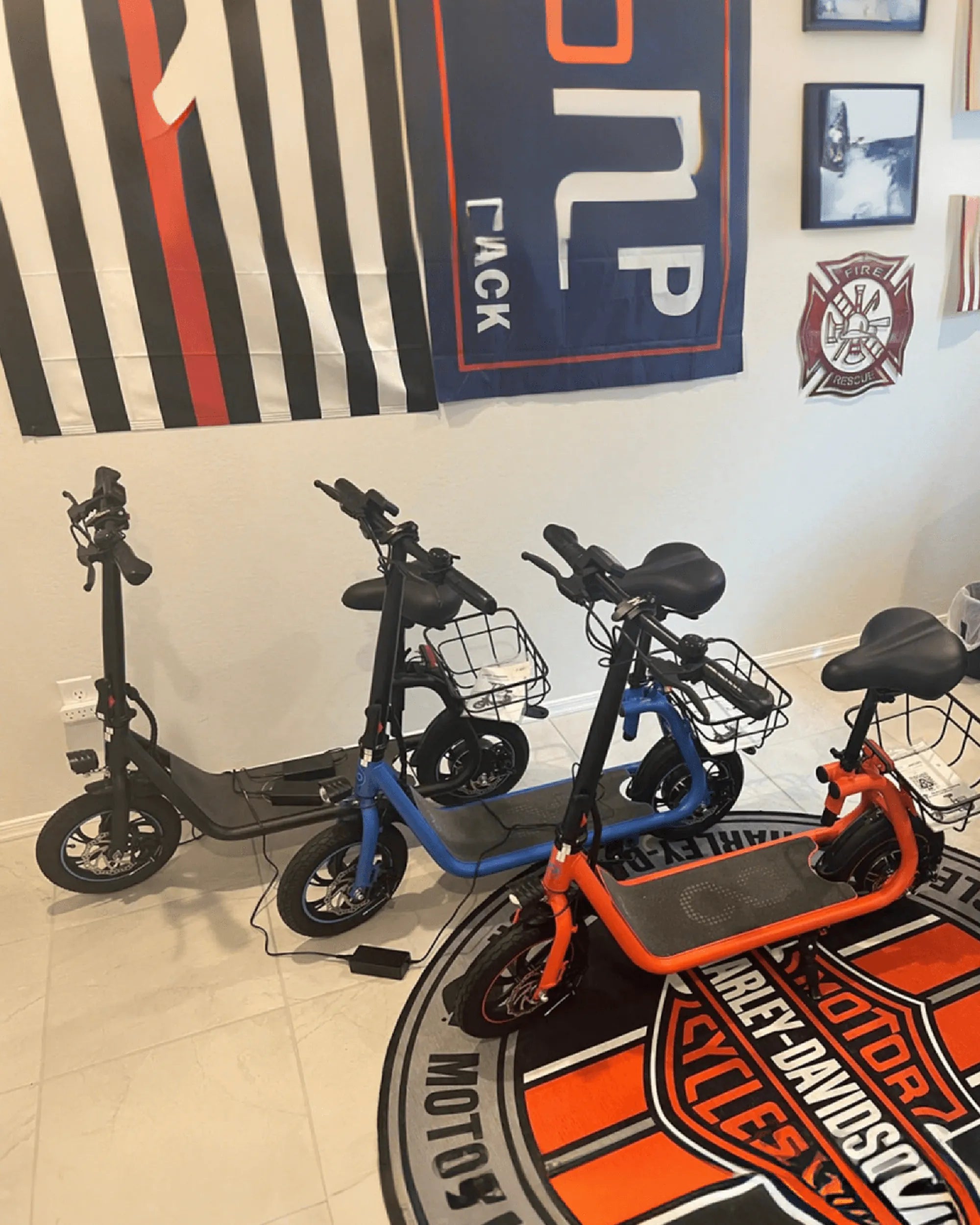
Modern mobility scooters are designed with user needs in mind. Key features include adjustable seats, intuitive controls, and compact designs for easy maneuverability. Many models also offer customizable options, such as enhanced battery life or all-terrain capabilities, to suit diverse lifestyles.
Adjustable Seating and Controls
Comfort is paramount for long-term use. Adjustable seats and armrests accommodate users of varying heights and body types, while intuitive control panels ensure ease of operation for individuals with limited dexterity.
Portability and Storage
Lightweight and foldable designs make mobility scooters easier to transport and store, addressing one of the biggest challenges users face. This feature is particularly beneficial for those who travel frequently or have limited storage space at home.
Challenges in Mobility Scooter Accessibility
Despite their benefits, mobility scooters still face accessibility hurdles. Uneven sidewalks, narrow doorways, and lack of charging stations can limit their usability. Public awareness and infrastructure improvements are critical to overcoming these obstacles.
Infrastructure Limitations
Many cities lack the necessary infrastructure to support mobility scooter users fully. Poorly maintained sidewalks, inadequate ramps, and restricted access to public transportation can create significant barriers.
Social Stigma and Awareness
Misconceptions about mobility scooters persist, often leading to stigma or lack of accommodation. Education and advocacy are essential to fostering a more inclusive environment.
The Future of Mobility Scooter Accessibility
Advancements in technology and policy are paving the way for a more accessible future. Innovations like smart navigation systems, improved battery efficiency, and universal design principles are set to revolutionize the industry.
Technological Innovations
From AI-assisted navigation to solar-powered charging, emerging technologies promise to enhance the functionality and sustainability of mobility scooters. These advancements will make them more accessible to a broader range of users.
Policy and Advocacy
Governments and organizations worldwide are recognizing the importance of mobility scooter accessibility. Policies mandating inclusive infrastructure and funding for research are crucial steps toward universal accessibility.
The journey toward full mobility scooter accessibility is far from over, but the progress made so far is undeniable. By addressing challenges and embracing innovation, we can create a world where everyone has the freedom to move without limits. The future is bright, and every step forward brings us closer to true inclusivity.
Best Electric Scooter in Fatehpur: Top Picks for Eco-Friendly Commuting
Best Electric Scooter in Jhansi: Top Picks for Eco-Friendly Commuting