



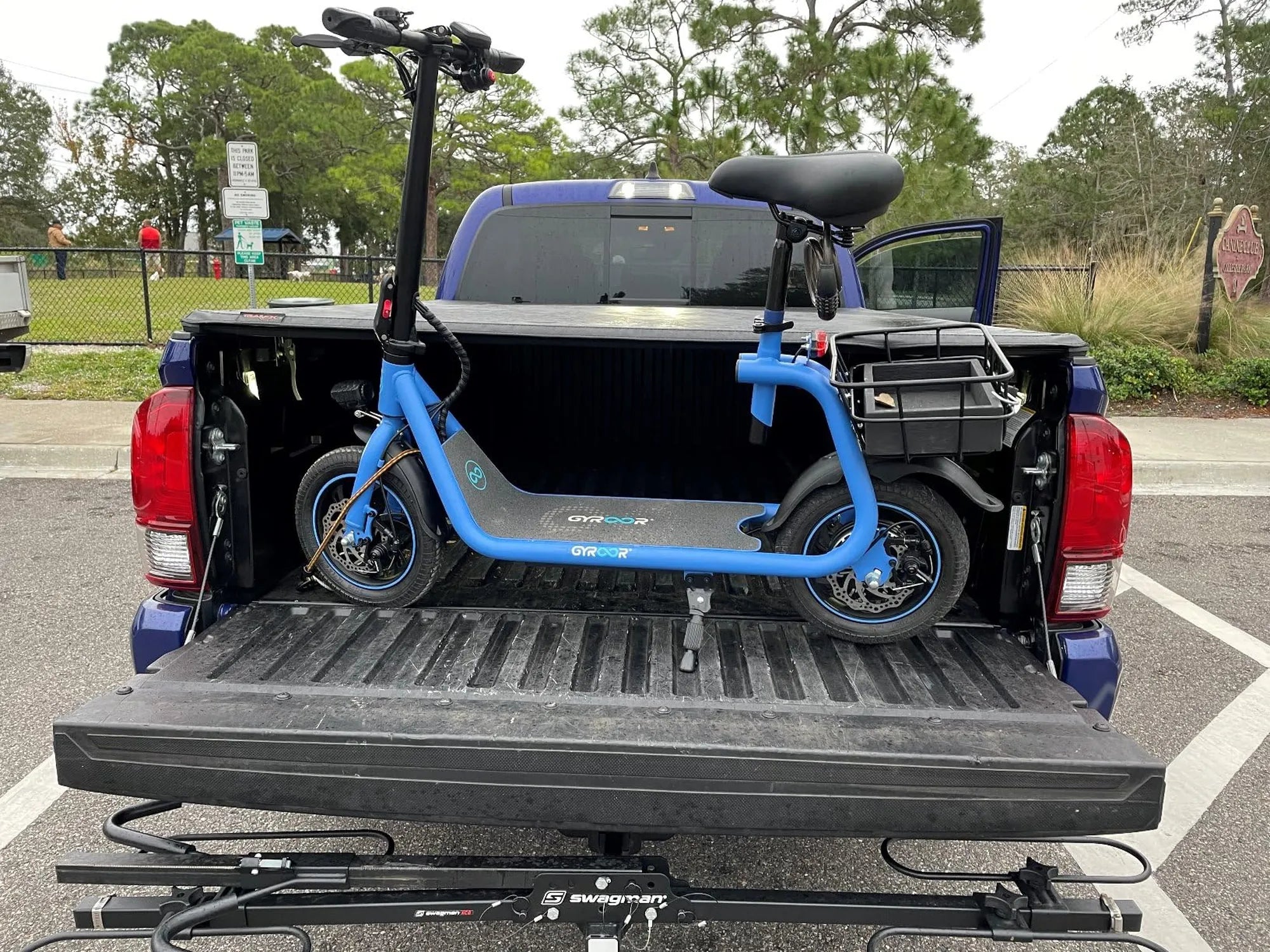
Mobility scooters provide independence and convenience for millions of users, but their performance hinges on one critical component: the battery wiring. Proper wiring ensures efficient power delivery, extends battery life, and prevents safety hazards. Whether you're a user, caregiver, or technician, mastering mobility scooter battery wiring can save time, money, and frustration.
Why Proper Battery Wiring Matters
The wiring in a mobility scooter connects the battery to the motor, controller, and other electrical components. Poor wiring can lead to voltage drops, overheating, or even electrical fires. High-quality connections ensure consistent power flow, which translates to smoother rides and longer battery life.
Types of Mobility Scooter Batteries
Most mobility scooters use either sealed lead-acid (SLA) or lithium-ion batteries. Each type has specific wiring requirements:
- SLA Batteries: Require thicker gauge wires due to higher current draw.
- Lithium-Ion Batteries: Often use lighter wiring but need precise voltage regulation.
Essential Tools for Battery Wiring
Before working on your scooter's wiring, gather these tools:
- Wire strippers and crimpers
- Heat shrink tubing
- Multimeter for voltage testing
- Insulated gloves and safety glasses
Step-by-Step Wiring Guide
Follow these steps to ensure safe and effective battery wiring:
- Disconnect Power: Always turn off the scooter and disconnect the battery before working on wiring.
- Inspect Existing Wiring: Look for frayed wires, loose connections, or corrosion.
- Use Proper Gauge Wires: Match the wire thickness to your scooter's current requirements.
- Secure Connections: Use crimp connectors or soldering for durable joints.
- Test Before Finalizing: Use a multimeter to verify voltage and continuity.
Common Wiring Issues and Fixes
Even with careful installation, problems can arise. Here are some frequent issues:
- Loose Connections: Tighten terminals and use thread-locking adhesive if needed.
- Corrosion: Clean battery terminals with a baking soda solution.
- Voltage Drops: Upgrade to thicker wires or shorten cable runs.
Safety Precautions
Working with battery wiring involves risks. Always:
- Wear protective gear to prevent shocks or burns.
- Avoid short circuits by covering exposed wires.
- Work in a dry, well-ventilated area.
When to Seek Professional Help
If you encounter complex issues like controller malfunctions or persistent electrical faults, consult a qualified technician. DIY repairs can void warranties or create safety hazards.
Mastering mobility scooter battery wiring empowers you to maintain your device with confidence. From selecting the right wires to troubleshooting glitches, these skills ensure your scooter remains reliable for years to come. Ready to take control of your mobility? Start by inspecting your wiring today!
Best Vans for Mountain Biking: Top Picks for Adventure Seekers
Is There License for Electric Scooter in India? Exploring the Rules and Regulations