



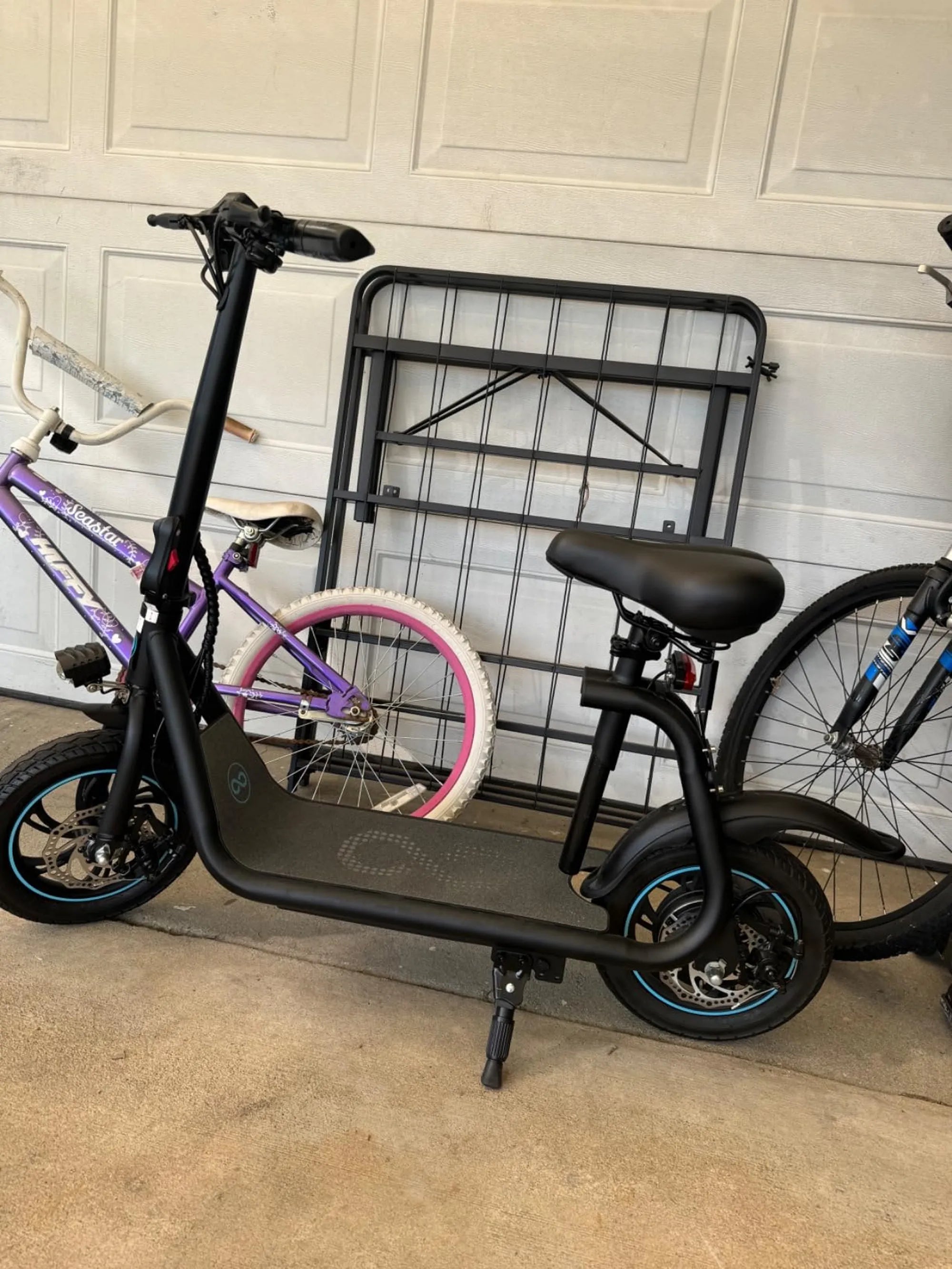
Few things are more frustrating than your mobility scooter losing power when you need it most. Whether you're running errands, enjoying the outdoors, or simply moving around your home, a sudden drop in performance can leave you stranded. Understanding the root causes and knowing how to address them can save you time, money, and stress.
Common Reasons for Mobility Scooter Losing Power
Several factors can contribute to a mobility scooter losing power. Identifying the issue early can prevent further damage and ensure your scooter remains reliable.
1. Battery Issues
The most common culprit behind a mobility scooter losing power is a failing or improperly charged battery. Over time, batteries lose their ability to hold a charge, especially if they aren't maintained correctly.
- Old or Worn-Out Batteries: Batteries typically last 12-18 months with regular use. If yours is older, it may need replacement.
- Insufficient Charging: Ensure your scooter is fully charged before use. Partial charging can reduce battery life.
- Corroded Terminals: Dirty or corroded battery terminals can disrupt power flow. Clean them regularly with a baking soda solution.
2. Motor Problems
The motor is the heart of your mobility scooter. If it's overheating or malfunctioning, your scooter may lose power unexpectedly.
- Overheating: Continuous use on steep inclines or rough terrain can overwork the motor, causing it to shut down temporarily.
- Worn Brushes: Motor brushes wear out over time and may need replacement.
- Faulty Wiring: Loose or damaged wires can interrupt power delivery to the motor.
3. Controller Malfunction
The controller regulates power distribution between the battery and motor. A faulty controller can cause erratic performance or sudden power loss.
- Water Damage: Exposure to moisture can damage the controller's circuitry.
- Electrical Surges: Power spikes can fry the controller, requiring professional repair.
4. Tire and Wheel Issues
Underinflated tires or misaligned wheels can increase resistance, forcing the motor to work harder and drain power faster.
- Low Tire Pressure: Check and inflate tires to the recommended PSI.
- Wheel Bearings: Worn bearings create friction, reducing efficiency.
How to Troubleshoot a Mobility Scooter Losing Power
Before calling a technician, try these troubleshooting steps to diagnose and fix the issue.
1. Check the Battery
Start by ensuring the battery is fully charged. If the scooter still loses power, test the battery with a multimeter. A healthy battery should read between 24V and 36V, depending on the model.
2. Inspect the Motor
Listen for unusual noises or grinding sounds when the motor runs. If the motor feels excessively hot, let it cool down before further use.
3. Examine the Controller
Look for visible damage or burnt components on the controller. If you suspect a problem, consult a professional for testing and replacement.
4. Test the Tires and Wheels
Spin the wheels to check for smooth rotation. If they feel stiff, inspect the bearings and tire pressure.
Preventive Maintenance to Avoid Power Loss
Regular maintenance can extend your scooter's lifespan and prevent unexpected power loss.
- Charge the Battery Properly: Follow the manufacturer's charging guidelines and avoid overcharging.
- Keep It Clean: Dirt and debris can clog moving parts. Wipe down your scooter regularly.
- Store Indoors: Extreme temperatures and moisture can damage batteries and electronics.
- Schedule Professional Inspections: Annual check-ups can catch issues before they become major problems.
Don't let a mobility scooter losing power disrupt your independence. By understanding the causes and taking proactive steps, you can keep your scooter running smoothly for years to come. Stay ahead of issues with regular maintenance, and enjoy the freedom of reliable mobility.
Best Electric Scooter Under 1000 Euro: Top Picks for Budget-Conscious Riders
Best Electric Scooter in Hoshiarpur: Top Picks for Eco-Friendly Commuting