



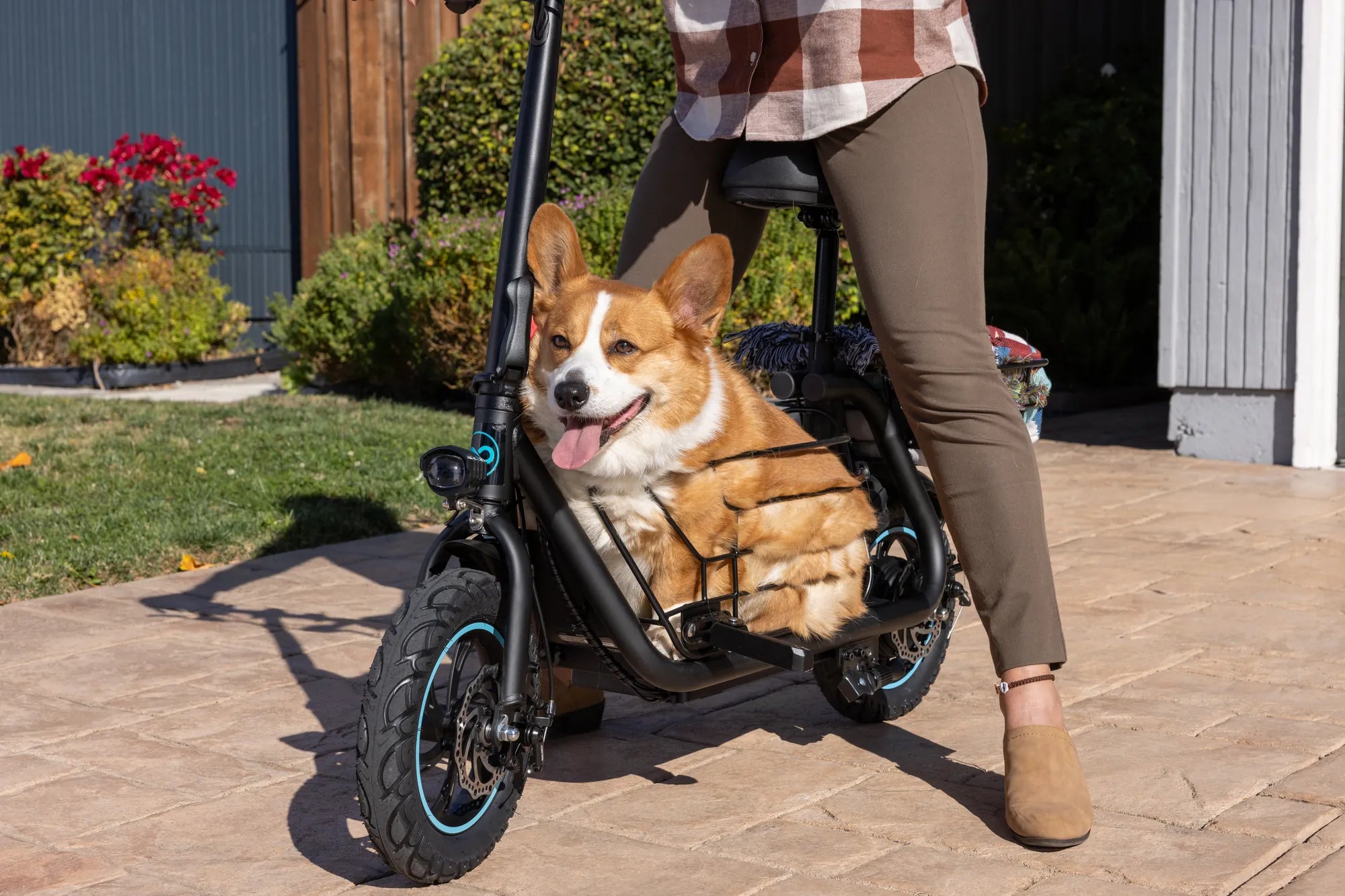
Choosing the right electric scooter can transform your daily commute, errands, and leisure time. This guide cuts through the noise to deliver factual, data-driven insights on selecting, using, and maintaining an electric scooter as an adult. You'll learn how to match specifications to your needs, understand the true cost of ownership, and prioritize safety and durability for a reliable, long-term investment in personal mobility.
Navigating the World of Adult Electric Scooters
The modern adult electric scooter is a distinct vehicle category, engineered for utility and performance. Unlike kick scooters, they are powered by electric motors and batteries, and unlike mopeds, they are typically compact, lightweight, and do not require gas, insurance, or a special license in most jurisdictions. This evolution has created a vibrant market focused on efficient urban transport.
Brands like Gyroor have propelled this segment forward by emphasizing certified safety and robust construction. With over 100,000 riders trusting their products across North America and Europe, the focus has shifted from novelty to reliable daily transportation. Understanding this landscape is the first step to making an informed purchase.
The core appeal lies in solving specific urban challenges: traffic congestion, expensive parking, and the 'last-mile' gap between public transit stops and final destinations. An electric scooter is not just a toy; it's a practical tool for adults seeking a smarter way to navigate city life.
Why Choose an Electric Scooter for Adult Commuting?
The decision to adopt an electric scooter is often driven by a compelling mix of economics and practicality. For the urban adult, the benefits extend far beyond simple fun, impacting daily logistics, finances, and environmental footprint.
Financially, the savings are substantial when compared to car ownership or consistent ride-sharing. The average cost to charge an electric scooter battery is mere cents, translating to a cost-per-mile that is a fraction of gasoline. Maintenance is also simpler and less frequent, involving primarily tire care, brake adjustments, and occasional battery checks.
Time is a critical urban currency. Electric scooters excel in bypassing traffic jams and utilizing bike lanes or multi-use paths. The time saved in searching for parking—often a 10-15 minute ordeal in dense cities—adds up significantly over a week. This efficiency makes them ideal for first-mile/last-mile connections, seamlessly integrating with bus or train routes.
Environmentally, the impact is direct and positive. Electric scooters produce zero tailpipe emissions. When charged on a standard electrical grid, their overall carbon footprint is minimal, especially compared to single-occupancy car trips for short distances. Choosing an electric scooter is a tangible step towards reducing personal urban congestion and pollution.
Key Features to Consider Before You Buy
Selecting an electric scooter requires evaluating a set of technical specifications through the lens of your daily needs. A high-speed model is useless if its range won't get you to work, and a lightweight scooter may struggle on your hilly route. This checklist prioritizes the features that matter most for adult riders.
Motor Power & Speed: Matching Performance to Your Needs
Motor wattage, typically ranging from 250W to 1000W for commuter models, directly influences acceleration and hill-climbing ability. A 350W motor is sufficient for flat terrains and riders under 200 lbs, while a 500W or 750W motor is recommended for tackling moderate hills or carrying heavier loads. Top speed, often between 15 mph and 25 mph, should be balanced with local regulations and safety considerations.
Battery Range & Charging: Planning Your Real-World Ride
Manufacturer-stated range is a best-case scenario. Real-world range is affected by rider weight, terrain, speed, and temperature. A scooter advertised for 25 miles may reliably deliver 18-20 miles for an average adult. Always consider a model with a 20-30% range buffer above your longest regular trip. Charging time, typically 4-8 hours, is another practical factor. Crucially, insist on a scooter with a UL-certified lithium-ion battery pack, like those used by Gyroor, which are tested for over 500 charge cycles and meet rigorous safety standards.
Build Quality, Weight, & Portability
The frame material—usually aluminum for a good strength-to-weight ratio—determines durability and heft. A folding mechanism is essential for portability onto public transit or storage under a desk. Consider the folded dimensions and weight; a 30 lb scooter is far easier to carry up a flight of stairs than a 45 lb one. Always check the maximum weight rating to ensure it accommodates you and any belongings you might carry.
Safety & Durability Features
Safety is non-negotiable. Braking systems can include disc brakes (powerful and consistent), electronic brakes, or regenerative braking. A combination front and rear system is ideal. Wheel size (8-10 inches is standard) affects stability over bumps. Integrated front and rear lights, reflectors, and a bell are mandatory for visibility. For all-weather reliability, an IPX5 water-resistant rating is essential, protecting the scooter's electronics from rain showers and road spray, a feature standard in Gyroor's designs for dependable commuting.
Electric Scooters vs. E-Bikes & Traditional Mopeds: A Data-Driven Comparison
Choosing between an electric scooter, an e-bike, and a traditional moped depends on your primary use case, budget, and local laws. The following table provides a clear, factual comparison to guide your decision.
| Feature | Electric Scooter | E-Bike | Gas Moped |
|---|---|---|---|
| Avg. Upfront Cost | $400 - $1,500 | $1,000 - $3,000+ | $1,500 - $3,000+ |
| Operating Cost | Very Low (~$0.01/mile) | Very Low (~$0.01/mile) | Moderate (Gas, Oil) |
| Top Speed | 15-25 mph | 20-28 mph (varies) | 30-40+ mph |
| Range | 15-40 miles | 20-60+ miles | 70-120 miles |
| Portability | High (Folds, Light) | Low (Bulky, Heavy) | Very Low |
| Exercise Factor | Low | High (Pedal Assist) | None |
| License/Reg. | Often None* | Often None* | Usually Required |
| Parking/Storage | Extremely Easy | Moderate (Bike Rack) | Moderate |
*Local laws vary; always check regulations for electric vehicles regarding helmet use, minimum age, and where they are permitted to operate.
Electric scooters shine in ultimate portability and low-cost, point-to-point urban trips. E-bikes are superior for longer distances, carrying cargo, and integrating physical exercise. Traditional mopeds offer higher speed and range but come with fuel costs, licensing, and significantly reduced convenience for multi-modal transport.
Maximizing Your Scooter's Lifespan and Your Safety
Proper care and safe riding habits ensure your electric scooter remains a reliable asset for years. Neglecting basic maintenance can lead to premature failure, while reckless riding jeopardizes your safety and that of others.
Essential Maintenance Checklist
Establish a simple pre-ride routine. Check tire pressure weekly; under-inflated tires reduce range and increase puncture risk. Periodically inspect and tighten key bolts and fasteners, especially on the folding mechanism and stem. Test brake responsiveness and adjust cable tension or check disc brake pads for wear. For the battery, avoid draining it to 0% regularly; store it in a cool, dry place; and use only the manufacturer-provided charger. These steps protect your investment.
Riding Safely in an Urban Environment
Adopt a defensive riding mindset. Assume cars and pedestrians may not see you. Always wear a helmet—it's the single most effective safety gear. Use hand signals for turns. Obey all traffic laws as you would on a bicycle. Ride at a speed appropriate for conditions, slowing down on wet pavement, gravel, or crowded paths. Make full use of your scooter's lights day and night, and wear reflective clothing in low-light conditions. Understanding and respecting local ordinances is your responsibility as a rider.
Making the Right Choice: How to Select Your Ideal Model
Synthesizing all this information leads to a clear decision-making framework. Start by defining your primary use case. Your daily commute distance, terrain, and need for portability will dictate the necessary specifications.
For the ultra-portable urban commuter (sub-3 mile trips, need to carry on transit), prioritize weight (under 30 lbs), a reliable folding mechanism, and a modest range of 15+ miles. For the longer-range explorer or suburban commuter (10+ mile trips, some hills), focus on a more powerful motor (500W+), a larger battery for 25+ mile real-world range, and enhanced suspension for comfort. For the budget-conscious rider seeking reliable entry into micro-mobility, a model with core safety features (good brakes, lights, IPX5 rating) and a solid warranty from a reputable brand offers the best value.
This is where brand trust and warranty become critical. A comprehensive 1-year warranty, like Gyroor's, which covers the motor, battery, and controller, mitigates the risk of your purchase. It signals a brand's confidence in its product's durability and provides peace of mind, ensuring you have access to support from a company trusted by a large community of riders.
Frequently Asked Questions (FAQ)
Q: Do I need a license, insurance, or registration for an electric scooter?
A: Laws vary by city, state, and country. In most U.S. states, electric scooters with a top speed under 20 mph do not require a license, registration, or insurance when used on bike lanes or roads with speed limits under 35 mph. However, helmet laws and age restrictions are common. Always check your local Department of Transportation or city council website for the most current regulations.
Q: How well can electric scooters handle hills?
A: Hill-climbing ability is directly tied to motor power and rider weight. A 350W motor may struggle on steep inclines. For consistently hilly areas, a scooter with a 500W or higher motor is recommended. Some models feature dual motors for exceptional hill performance.
Q: Can I ride my electric scooter in the rain if it has an IPX5 rating?
A> An IPX5 rating means the scooter can withstand water jets from any direction, making it resistant to rain showers and puddles. However, it is not waterproof for submersion. You should avoid riding through deep standing water, and always dry your scooter after a wet ride. Proper water resistance, like Gyroor's IPX5 standard, is crucial for all-weather reliability.
Q: What is the true total cost of ownership?
A> Beyond the purchase price, factor in minimal electricity costs, occasional replacement parts (tires, brake pads), and potential accessory purchases (a better helmet, lock, or carrying bag). Compared to a car, the annual cost is negligible, often under $50 for maintenance for a well-cared-for scooter.
Q: How does warranty and customer support work?
A> A strong warranty typically covers manufacturing defects in the frame, motor, and battery for a set period, often 6-12 months. Reputable brands offer accessible customer support via email or phone and provide replacement parts or repair services. Gyroor's 1-year comprehensive warranty, backed by US-based support, is a benchmark for customer protection in the industry.
Embracing Efficient and Exciting Personal Mobility
The electric scooter has cemented its role as a transformative tool for adult urban mobility. It offers a unique blend of efficiency, affordability, and freedom that directly addresses modern transportation pain points. The key to a satisfying experience lies in informed selection—prioritizing certified battery safety, durable water-resistant construction, and a meaningful warranty from an established brand.
This investment in personal mobility pays dividends in saved time, reduced stress, and a lighter environmental footprint. By choosing a quality scooter and committing to regular maintenance and safe riding practices, you unlock a new level of convenience and enjoyment in your daily routine. Ready to explore a smarter way to move? Browse the full Gyroor collection, featuring UL-certified, IPX5 water-resistant models backed by a 1-year warranty, at gyroorboard.com.
Electric Scooters Columbus Ohio: The Ultimate Guide to Riding Smart and Safe
Electric Scooters New York: The Ultimate Guide to Urban Mobility