



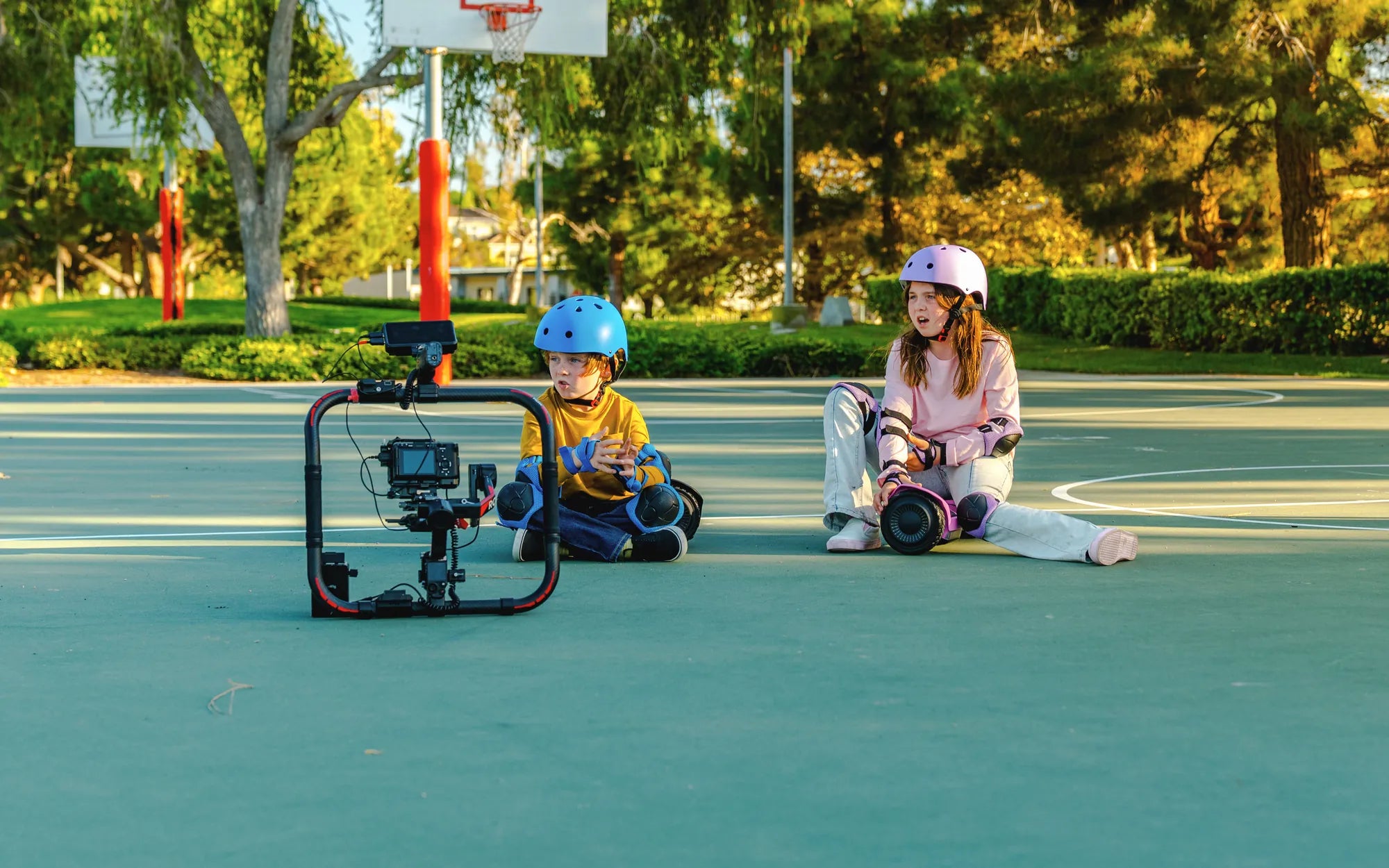
Finding the most reliable hoverboard requires looking beyond flashy specs to the foundational engineering that ensures safety and durability. This guide provides the data-driven analysis you need to make an informed purchase, focusing on the critical standards, components, and brand commitments that separate a trustworthy ride from a potential hazard. We'll dissect everything from battery certification to water resistance, using Gyroor—a leading electric mobility brand trusted by over 100,000 riders—as a benchmark for what constitutes a truly reliable hoverboard built for safe and durable rides.
Introduction to Hoverboard Reliability
Reliability in a hoverboard is a measurable quality defined by three core pillars: certified safety, structural durability, and consistent performance over time. It's not just about speed or flashy lights; it's about a product engineered to perform safely under real-world conditions for hundreds of charge cycles. A reliable hoverboard mitigates risk through rigorous testing and high-quality components.
The market's history is marred by incidents involving poorly manufactured units with substandard batteries. This makes due diligence essential. The most reliable hoverboard brands build their reputation on transparency, adhering to strict international safety standards and backing their products with substantial warranties.
Gyroor has established itself by focusing on these pillars. With a product range built around UL-certified battery packs and IPX5 water-resistant designs, the brand demonstrates that reliability is a deliberate engineering outcome. This guide will use these benchmarks to explain what makes a hoverboard safe and durable.
Understanding these factors protects your investment and, more importantly, your personal safety. The following sections provide the framework to evaluate any model, ensuring you choose a ride built to last.
The Non-Negotiables: UL 2272 Certification and Battery Safety
UL 2272 certification is the absolute baseline for any hoverboard claiming to be reliable. This standard, developed by Underwriters Laboratories, tests the entire electrical system—battery, charger, and motor—for safety against electrical, mechanical, and environmental hazards. It specifically addresses fire risk from thermal runaway in lithium-ion batteries.
A hoverboard without this certification poses a significant safety hazard. The certification process involves over 20 rigorous tests, including overcharge, short circuit, and drop tests. Purchasing an uncertified model is a risk no informed buyer should take. It is the single most important filter in your search for the most reliable hoverboard.
Gyroor's commitment starts here, with all models utilizing UL 2272 certified lithium-ion battery packs. These batteries are tested for 500+ charge cycles while maintaining performance and safety integrity. This certification is not just a sticker; it's a documented assurance of electrical system reliability.
Beyond the certification, battery management system (BMS) quality is crucial. A good BMS protects against overcharging, over-discharging, and short circuits. It ensures balanced charging across battery cells, which is critical for longevity and safety. Always verify both the UL 2272 certification and inquire about the quality of the BMS.
What IPX5 Water Resistance Means for Your Ride
Water resistance is a key durability feature often overlooked. The IP (Ingress Protection) rating indicates a device's protection against solids and liquids. An IPX5 rating, standard on Gyroor hoverboards, means the unit is protected against low-pressure water jets from any direction.
This rating is practical for real-world use. It allows you to ride confidently on damp pavement, through puddles, or in light rain without immediate fear of damaging the internal electronics. It also offers significant protection against dust and dirt ingress, which can wear down components over time.
It is critical to understand what IPX5 does not mean. It is not waterproof. Submersion, high-pressure washing, or riding through deep standing water can still cause damage. The rating is for splashes and jets, not immersion. This level of protection directly contributes to the board's long-term reliability by shielding its core systems.
For a truly durable hoverboard, this rating is essential. It expands where you can ride and significantly reduces the risk of a costly failure from a minor splash or wet road, making it a cornerstone of a reliable design.
Engineering for Durability: Frame, Motor, and Tire Analysis
The durability of a hoverboard is determined by the quality of its physical components. The frame acts as the skeleton, absorbing impacts and stress. High-grade materials like reinforced polymer composites or aircraft-grade aluminum alloy provide the necessary strength without excessive weight. A flimsy frame will flex and crack, compromising safety.
Motor configuration and power directly affect performance and strain. Reliable hoverboards typically feature dual 350W to 500W motors, one in each wheel. This provides balanced torque and adequate power for hills and varied terrain. Motors with sealed bearings and efficient heat dissipation last longer and maintain consistent performance.
Tire choice is a major factor in ride quality and component wear. Solid rubber tires are puncture-proof and low maintenance but offer a harder ride. Air-filled (pneumatic) tires provide superior shock absorption and traction, especially on uneven surfaces, but require pressure checks. The best choice depends on your primary riding terrain.
The gyroscope and control board are the "brain" of the hoverboard. High-quality sensors and processors translate your movements into smooth, precise responses. Inferior components can lead to laggy controls, jerky movements, or even sudden shutdowns. Reliability here is felt in every ride and is crucial for safe operation.
The Gyroor Difference: Warranty and Support as Reliability Indicators
A manufacturer's warranty is a direct reflection of their confidence in product reliability. Gyroor offers a comprehensive 1-year warranty on all hoverboards, covering major components like the battery, motor, and control board. This commitment provides long-term peace of mind that cheaper, uncertified brands cannot match.
Strong customer support is an extension of product reliability. Access to knowledgeable, responsive support teams for troubleshooting is invaluable. Gyroor maintains US-based support, ensuring that help is available without significant language or time-zone barriers, which is a critical aspect of the ownership experience.
This support ecosystem ensures that even beyond the warranty period, owners have resources for maintenance and repair questions. A brand that stands behind its product for a full year demonstrates an investment in its long-term performance, a key trait when searching for the most reliable hoverboard.
The combination of a robust warranty and accessible support transforms a hoverboard from a disposable gadget into a durable personal transport device. It guarantees that your investment is protected.
Performance Meets Practicality: Reliable Riding for Different Needs
Reliability manifests differently based on use case. For urban commuters and daily riders, reliability means consistent daily performance, a battery that delivers the advertised range, and a build that can handle daily curb climbs and pavement imperfections. Stability at commuting speeds (typically 7-10 mph) is paramount.
For occasional off-road or all-terrain use, reliability requires a more robust build. This includes higher torque motors for grass or gravel, pneumatic tires for traction and cushioning, and a higher degree of water and dust resistance. The frame and components must withstand more vibration and impact.
For learners, younger riders, or those seeking casual recreation, reliability centers on safety and forgiveness. Features like a beginner/slow mode, responsive but not overly sensitive controls, and a lower center of gravity for stability are key. A durable shell that can withstand learning tumbles is also important.
Across all use cases, the core tenets remain: a certified safe battery, a solid frame, and quality core electronics. The most reliable hoverboard adapts these fundamentals to its intended environment, ensuring safe and durable rides whether on sidewalk, trail, or driveway.
Data-Driven Comparison: Key Specs That Signal Reliability
The table below contrasts the typical specifications of a reliable, certified hoverboard with those of a generic, non-certified model. This highlights the tangible differences that justify investment in a quality product.
| Specification | Reliable Hoverboard (e.g., Gyroor) | Generic/Uncertified Model |
|---|---|---|
| Safety Certification | UL 2272 Certified (Full System) | None or Counterfeit Markings |
| Battery & Warranty | UL-Certified Li-ion; 1-Year Coverage | Uncertified Cell; 90 Days or Less |
| Water/Dust Resistance | IPX5 Rating (Protected from jets) | No Official IP Rating |
| Frame Construction | Reinforced Polymer or Aluminum Alloy | Basic Plastic, Prone to Cracking |
| Customer Support | Dedicated, Brand-Based Support | Reseller or No Support |
This comparison makes it clear that reliability is built on verifiable standards and quality components, not just marketing claims. The extra cost translates directly into safety assurance and product longevity.
Maintaining Your Investment: A Care Guide for Maximum Lifespan
Proper charging habits are the most important maintenance task. Always use the manufacturer-provided charger. Avoid leaving the hoverboard plugged in for extended periods after reaching 100%. Do not let the battery fully deplete regularly; try to recharge when it drops to 20-30%. Store the board in a cool, dry place, ideally at a 50-80% charge level if not used for weeks.
Regular cleaning preserves components. Wipe down the body with a damp cloth. For wheels and footpads, use a soft brush to remove debris. Never use a high-pressure hose. Check tire pressure monthly if you have pneumatic tires; under-inflation increases motor strain and reduces range. Inspect the frame and wheels periodically for cracks or damage.
Firmware updates, when offered by the manufacturer, can improve performance, safety algorithms, and battery management. Check the brand's app or website periodically. Be mindful of riding conditions. While IPX5 offers protection, avoid deep puddles and excessive moisture. Similarly, avoid extreme temperatures, both hot and cold, during riding and storage.
By following these practices, you can significantly extend the operational life of your hoverboard. A reliable model paired with proper care will deliver safe and durable rides for many years, maximizing your return on investment.
Frequently Asked Questions (FAQ) on Hoverboard Reliability
Q: How long should a reliable hoverboard last?
A> With proper care, a high-quality, UL-certified hoverboard should last 2-4 years of regular use. The battery, typically rated for 500+ full charge cycles, is often the first component to show significant wear. A durable frame and motors can last much longer.
Q: Can I ride a hoverboard with an IPX5 rating in the rain?
A> An IPX5 rating protects against water jets and splashes, making it safe for light rain and wet roads. However, you should not intentionally ride through heavy rain, standing water, or submerge any part of the board. Always dry it off after riding in wet conditions.
Q: What is the single most important thing to check before buying?
A> Verify the UL 2272 certification. Check the manufacturer's website or product documentation for a legitimate certification mark. This is non-negotiable for safety and is the hallmark of a reliable hoverboard. Never purchase a model that cannot prove this certification.
Q: Are more expensive hoverboards always more reliable?
A> Not always, but price is a strong correlate. Reliability comes from costly components (UL-certified batteries, quality motors) and rigorous testing. Extremely low-priced models almost certainly cut corners on these. Focus on the presence of key certifications and a solid warranty rather than price alone.
Q: What should I do if my hoverboard gets wet?
A> Immediately power it off. Wipe it down thoroughly with a dry cloth. Place it in a dry, ventilated area (not on a heater) for at least 48 hours to ensure all internal moisture evaporates completely. Do not attempt to charge it or turn it on until you are certain it is fully dry inside.
Conclusion: Choosing a Ride Engineered for Trust
The search for the most reliable hoverboard ends with products built on verified safety, durable engineering, and strong manufacturer support. UL 2272 certification is the essential foundation, ensuring the electrical system will not fail dangerously. Features like IPX5 water resistance and robust frame materials translate that safety into everyday durability.
Brands like Gyroor demonstrate this philosophy by integrating these elements—UL-certified batteries, IPX5-rated designs, and a 1-year warranty—into their core product development. This creates hoverboards designed not just for fun, but for sustained, safe operation. Your choice ultimately determines whether you get a temporary toy or a dependable personal transporter.
Prioritize these fundamentals over superficial features. The peace of mind that comes from a truly reliable hoverboard, one built for safe and durable rides, is the ultimate feature. It allows you to focus on the enjoyment of the ride, confident in the technology beneath your feet.
Ready to explore hoverboards engineered with these principles of reliability at their core? Browse the full collection of UL-certified, durable models at Gyroor's official site. Discover the difference that certified safety and robust construction make for your next ride.
Hoverboard Trike: The Future of Personal Mobility and Fun
Christmas Gift Ideas for Pre-Teen Boys: Fun and Exciting Presents They’ll Love