



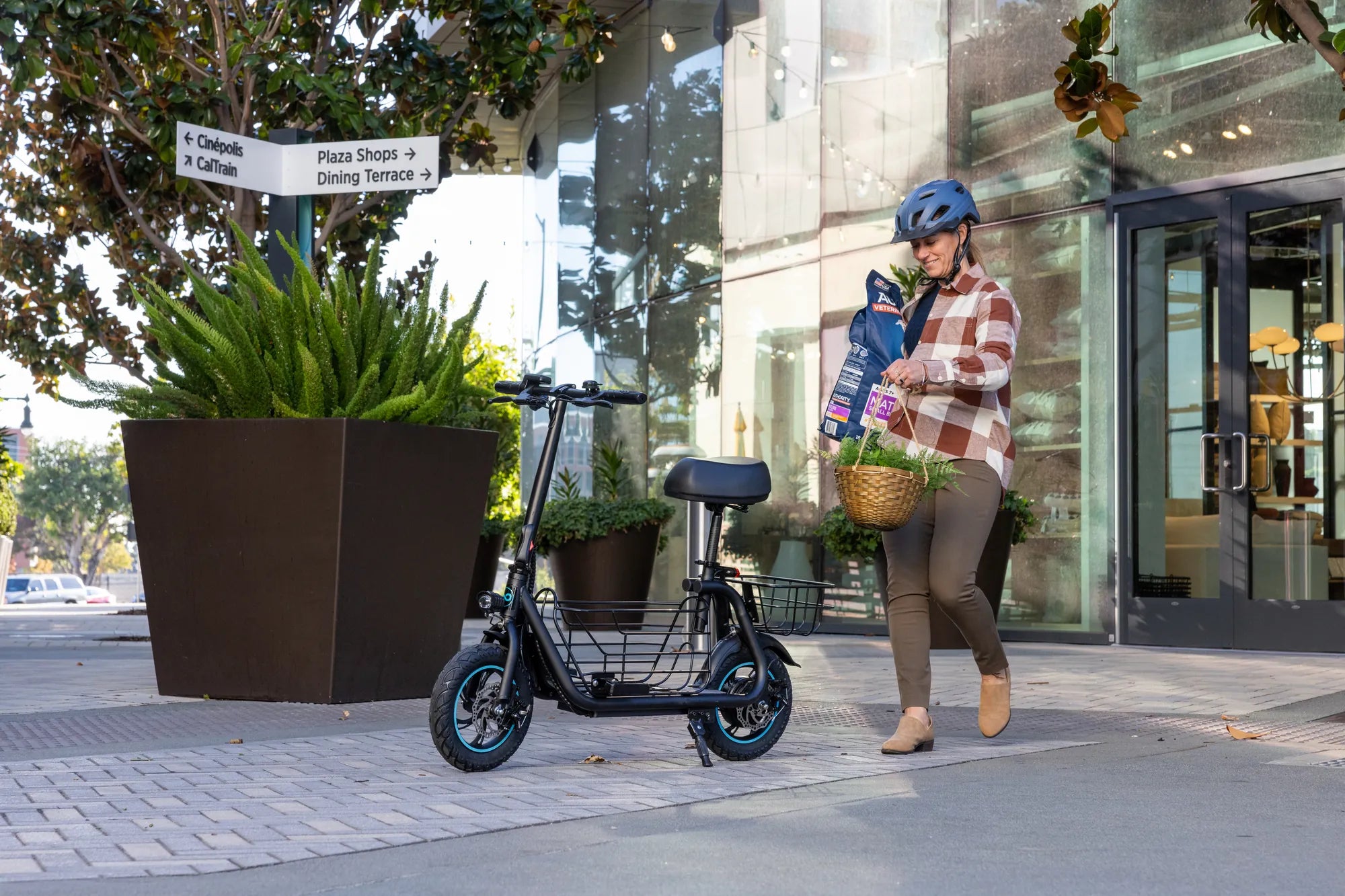
Nothing ruins your day faster than realizing your electric scooter won’t charge. Whether you rely on it for commuting or leisure, a dead battery can leave you stranded. But don’t panic—many charging issues have simple fixes. Let’s dive into the most common reasons why your electric scooter is not charging and how to resolve them.
Check the Power Source
Before blaming your scooter, ensure the power outlet is working. Plug another device into the same outlet to confirm it delivers power. If the outlet is dead, try a different one. Faulty power strips or extension cords can also cause charging problems, so test with a direct connection to the wall.
Inspect the Charger
A damaged or malfunctioning charger is a frequent culprit. Look for frayed wires, bent pins, or burn marks. If the charger’s LED light doesn’t turn on when plugged in, it may be defective. Borrow a compatible charger to test if yours is the issue. Avoid using off-brand chargers, as they can harm your battery.
Examine the Charging Port
Dirt, debris, or corrosion in the charging port can prevent a proper connection. Use a flashlight to inspect the port and gently clean it with a dry toothbrush or compressed air. Bent or broken pins inside the port may require professional repair.
Test the Battery
If your scooter’s battery is old or heavily used, it might not hold a charge. Check for visible damage like swelling or leaks. Some scooters have a battery indicator—press the button to see if it lights up. If the battery is removable, try charging it outside the scooter (if safe). A completely dead battery may need replacement.
Reset the Scooter
Like any electronic device, your scooter might need a reset. Turn it off, unplug the charger, and wait 10 minutes before reconnecting. Some models have a reset button; consult your manual for instructions. This can clear minor software glitches preventing charging.
Review the Charging Process
Ensure you’re following the correct charging steps. Some scooters require being turned off before charging, while others need to be in a specific mode. Overcharging can also damage the battery, so unplug it once fully charged.
Check for Firmware Issues
High-end scooters may have firmware that controls charging. Visit the manufacturer’s website for updates or troubleshooting guides. A firmware bug could disrupt charging, and an update might fix it.
When to Seek Professional Help
If you’ve tried all the above steps and your scooter still won’t charge, it’s time to consult a technician. Internal wiring issues, a faulty battery management system (BMS), or other electrical problems require expert diagnosis.
Don’t let a non-charging scooter derail your plans. With these troubleshooting tips, you’ll likely pinpoint the issue and get back to riding in no time. If all else fails, professional repair ensures your scooter stays reliable for miles to come.
Electric Scooter 250 lb Capacity: The Ultimate Guide for Heavy Riders
Fastest Electric Moped Scooter: The Ultimate Guide to Speed and Efficiency