



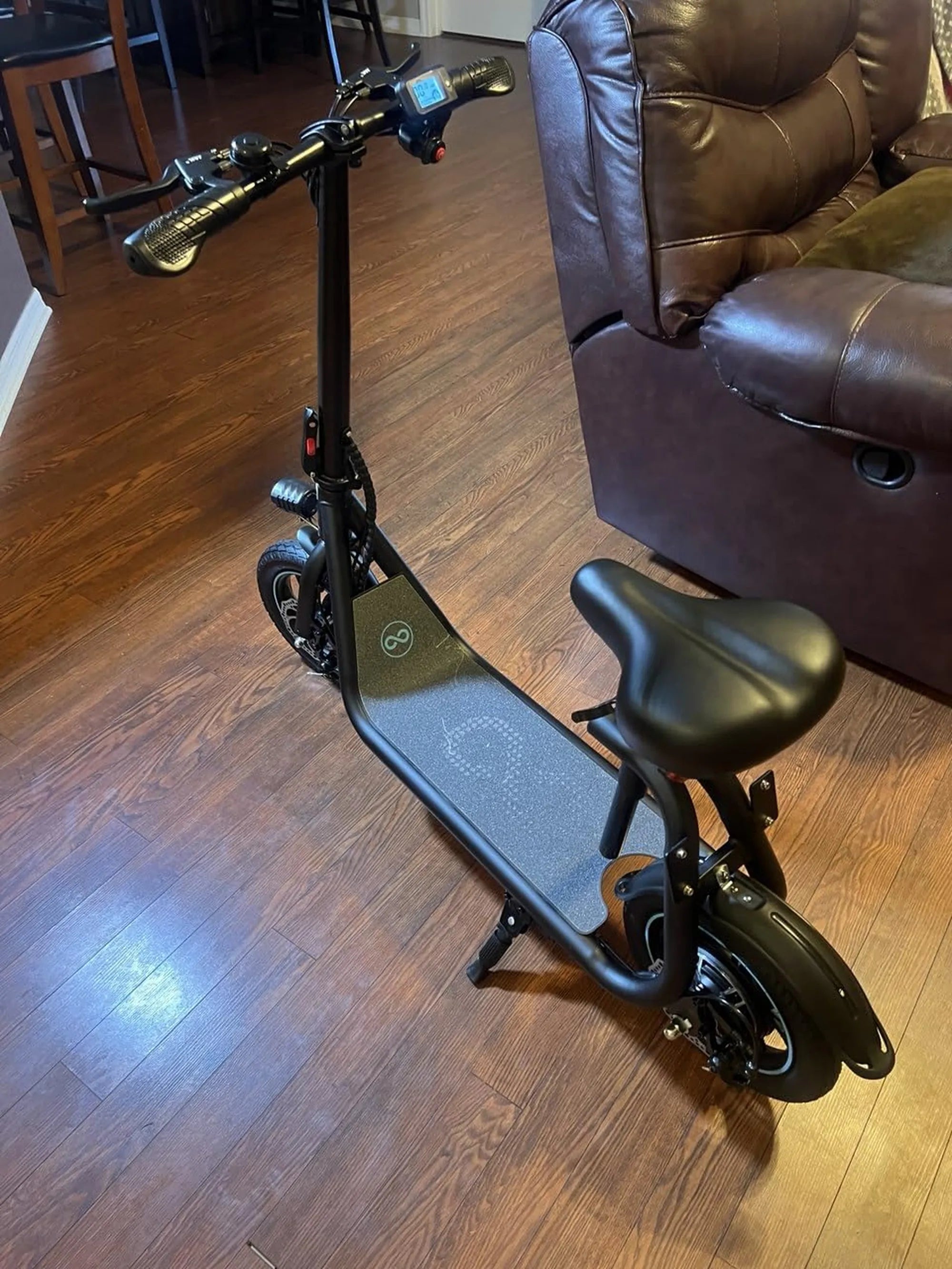
Introduction: The Dawn of a New Era in Urban Commuting
Urban centers worldwide are at a crossroads, choked by congestion and seeking sustainable alternatives to the private car. A new generation of personal electric vehicles is providing a compelling answer. At the forefront of this movement are new electric model scooters, engineered not as toys but as serious mobility solutions. These advanced devices are defining the future of urban mobility by merging cutting-edge technology with practical, everyday utility.
This article explores the engineering, safety, and economic shifts that make the latest e-scooters a transformative force. We will dissect the components that separate them from earlier iterations and quantify their impact on cities and commuters. As a leading innovator, Gyroor exemplifies this evolution, trusted by over 100,000 riders across North America and Europe for its focus on UL-certified safety and durable, performance-oriented designs.
What Defines a "New" Electric Scooter Model?
The term "new electric model scooters" signifies more than a simple cosmetic refresh. It marks a fundamental upgrade in core architecture, moving from basic electrified platforms to integrated, intelligent transportation systems. The latest models are defined by advancements in energy density, digital integration, and structural engineering that prioritize long-term reliability and rider experience over mere novelty.
These scooters are built around a philosophy of total vehicle design. Every component, from the battery management system to the folding mechanism, is optimized for the rigors of daily urban use. This represents a maturation of the category, shifting focus from early adopters to the mainstream commuter who demands dependable, safe, and efficient travel.
Beyond Speed: The Evolution of Core Components
The heart of any electric scooter is its powertrain, and new models feature significant improvements here. Modern brushless hub motors are more efficient, quieter, and offer superior torque management for smoother acceleration and better hill-climbing ability. This results in a more controlled and predictable ride, essential for navigating busy streets.
Equally critical is the advancement in battery technology. New models utilize high-grade lithium-ion cells with sophisticated Battery Management Systems (BMS). A quality BMS monitors cell voltage, temperature, and current, ensuring balanced charging and preventing dangerous conditions like overcharging or deep discharge. This is the foundational technology behind safety certifications like UL 2272, which has become a non-negotiable benchmark for new, reputable models.
Smarter Rides: Integrated Tech and Connectivity
Connectivity is a hallmark of the new electric scooter. Integrated digital dashboards now provide real-time data on speed, battery level, trip distance, and even selected riding mode. This information is no longer an estimate but a precise readout from the scooter's central controller, allowing for accurate trip planning.
Furthermore, many new models, including several in the Gyroor lineup, feature Bluetooth connectivity paired with a dedicated smartphone app. This transforms the scooter from a simple vehicle into a connected device. Riders can lock their scooter electronically, track ride history, diagnose potential issues, and customize performance settings like acceleration sensitivity and regenerative braking strength, personalizing the ride to their preference.
Key Features Shaping the Future: A Data-Driven Look
To understand the practical impact of new electric model scooters, we must examine the specific features that deliver tangible benefits. These features are responses to the documented pain points of early e-scooters—concerns about safety, range anxiety, and durability. The latest generation addresses these directly with engineered solutions.
The following table compares key specifications across different tiers of new electric scooters, illustrating how features align with user needs and price points.
| Feature Category | Entry-Level New Model | Mid-Range Commuter (e.g., Gyroor C1 Series) | High-Performance Urban |
|---|---|---|---|
| Motor Power | 250W - 350W | 350W - 500W Sustained | 500W - 1000W+ |
| Real-World Range | 10-15 miles | 18-25 miles | 25-40+ miles |
| Max Speed | 15 mph | 18-22 mph | 25+ mph |
| Battery Safety | Basic BMS | UL-Certified Pack | UL-Certified, Advanced BMS |
| Water Resistance | IPX4 (Splash Resistant) | IPX5 (Water Jet Resistant) | IPX5 or higher |
| Suspension | Solid or Air-Filled Tires | Front or Dual Spring Suspension | Full Hydraulic or Dual Spring |
| Smart Features | Basic LED Display | Digital Display, Bluetooth App | Full Color Display, Advanced App |
Safety First: Battery Certification and Water Resistance
Safety is the most critical advancement. UL 2272 certification for the battery pack and UL 2849 for the entire electrical system are now industry gold standards. This certification involves rigorous stress testing, including overcharge, short circuit, crush, and drop tests. For the rider, this translates to a dramatically reduced risk of battery fire—a paramount concern laid to rest by reputable brands.
Complementing electrical safety is physical resilience. An IPX5 water-resistance rating, a feature of Gyroor's commuter-focused models, means the scooter can withstand water jets from any direction. This allows commuters to ride confidently in light rain, through puddles, or on freshly washed streets without fear of damaging the scooter's core electronics. It’s a feature that directly expands the scooter's usability from a fair-weather option to a legitimate all-weather transport tool.
Performance Metrics That Matter for City Streets
Advertised range often differs from real-world results. New electric model scooters provide more honest metrics, with ranges calculated under standard load and realistic conditions. The key is the battery's watt-hour (Wh) rating—a more reliable indicator than voltage or amp-hours alone. A scooter with a 360Wh battery, for instance, will typically outlast one with a 280Wh battery under similar conditions.
Performance is also about controllability. Hill-climbing gradeability, expressed as a percentage, determines if a scooter can handle your city's inclines. A 15-20% gradeability is suitable for most urban hills. Furthermore, optimal urban speed is not about maximum velocity but about safe, legal cruising. Most cities regulate e-scooters to 15-20 mph, a range where new models excel in providing stable, efficient power delivery.
Portability and Durability: Built for the Daily Grind
The modern urban rider needs a scooter that transitions seamlessly from street to office or public transit. New models feature innovative folding mechanisms—often lever-based or magnetic—that secure the stem firmly with a single action, reducing wobble and increasing safety when folded. Weight is distributed intelligently, making a 30-40 lb scooter manageable to carry.
Durability comes from material science. Aerospace-grade aluminum alloys are standard for frames, offering an optimal strength-to-weight ratio. For the ride quality, suspension systems have evolved. A combination of larger, air-filled pneumatic tires and front or dual spring suspension effectively absorbs vibrations from cracked pavement and potholes, reducing rider fatigue and protecting the scooter's internal components from constant impact.
The Tangible Impact: Urban Mobility, Environment, and Your Wallet
The promise of new electric model scooters is realized in their measurable effects on urban systems and personal economics. They are not just convenient gadgets; they are tools for systemic change. By replacing short, inefficient vehicle trips, they alleviate pressure on crowded roads and public transit while offering a direct financial benefit to the rider.
Studies, such as those from the International Transport Forum, suggest that shared e-scooters can reduce overall carbon emissions when they directly replace car trips, especially those under three miles. Privately owned, high-quality scooters have an even greater potential impact, as they are maintained better and used for a more consistent, dedicated commute, maximizing their displacement of car usage.
Decongesting Cities and Reducing Carbon Footprints
A single car commuting five miles in stop-and-go traffic produces significantly higher emissions per passenger mile than an electric scooter charged on even a carbon-intensive grid. The scooter's efficiency is inherent in its design: it moves one person using minimal energy. Furthermore, it takes up a fraction of the road and parking space. Widespread adoption can contribute to less congested streets, quieter neighborhoods, and freed-up parking spaces for essential services.
The environmental benefit extends beyond tailpipe emissions. The latest models are designed for longevity with replaceable components. Coupled with responsible recycling programs for lithium-ion batteries, the lifecycle environmental footprint of a durable scooter used for years is far lower than the repeated production and disposal of cheaper, less reliable alternatives.
Cost-Per-Mile Analysis: Public Transit vs. Car vs. E-Scooter
The economic argument for new electric model scooters is compelling when analyzed over time. The following breakdown illustrates the stark differences in commuting costs.
Personal Car: Includes fuel, insurance, maintenance, parking, and depreciation. Even for a short 5-mile commute, this can easily exceed $0.50 per mile, or over $5.00 per day. Public Transit: A monthly pass in a major city can range from $60 to $150, offering good value but with fixed routes and schedules. New Electric Scooter: The primary cost is the initial purchase. After that, electricity to charge the battery costs pennies per day. Maintenance is minimal—primarily tire inflation and occasional brake pad replacement. For a $700 scooter used for a 5-mile round-trip commute 200 days a year, the cost per mile drops below $0.10 within the first year, and even lower over a 3-5 year lifespan.
Navigating Your Purchase: Warranty, Support, and Long-Term Value
Investing in a new electric model scooter is an investment in your daily life. Ensuring that investment is protected requires looking beyond the spec sheet to the company behind the product. The warranty and customer support structure are direct reflections of a brand's confidence in its manufacturing quality and commitment to its customers.
A brand with a strong, accessible support network ensures that your scooter remains operational. This is where established brands with a track record, like Gyroor, which offers a comprehensive 1-year warranty and US-based customer support, provide significant peace of mind compared to unknown brands selling through third-party marketplaces.
Why the Warranty is Your Most Important Spec
A robust warranty typically covers the frame, motor, battery, and controller against manufacturing defects. It is your guarantee that the advanced components inside your scooter are built to last. A one-year warranty is now a standard expectation for quality models. It protects you from inherent faults, allowing you to fully test the scooter's capabilities in your daily routine without financial risk.
Always read the warranty terms carefully. Reputable brands honor their warranties through straightforward processes. This support is crucial for complex electromechanical devices and is a key differentiator that sustains the scooter's value over time, making it a true asset rather than a disposable commodity.
Choosing the Right Model for Your Urban Terrain
Matching a scooter to your environment is essential. For flat city grids with bike lanes, a 350W motor, a 15-mile range, and solid or air-filled tires may suffice. For hilly cities, prioritize a motor of 500W or more and check the manufacturer's stated gradeability. Suspension becomes critical on rough or cobblestone streets; look for models with front and rear springs and pneumatic tires.
Consider your multimodal commute. If you need to carry the scooter on a bus or train, weight (under 35 lbs) and a secure, easy fold are paramount. For a door-to-door commute, range and comfort can be prioritized over extreme portability. Assessing your specific route and challenges will lead you to the ideal model from the spectrum of new electric scooters available.
Frequently Asked Questions (FAQ)
Q1: Are new electric scooters with UL-certified batteries significantly safer?
A1: Absolutely. UL certification involves destructive testing for electrical, thermal, and mechanical failure points. A UL 2272-certified battery pack has passed stringent tests for overcharge, short circuit, impact, and crush hazards, making it the single most important safety feature on any e-scooter and a defining trait of responsible new models.
Q2: How does IPX5 water resistance benefit an urban commuter practically?
A2: IPX5 rating allows you to ride in light to moderate rain and through wet streets without immediately damaging the scooter. It protects against water jets from any direction, meaning road spray from puddles or wet conditions won't compromise the electronics. This transforms the scooter from a fair-weather option into a reliable, all-weather commuting vehicle.
Q3: What is the real-world lifespan of a quality new electric scooter?
A3: With proper maintenance, a well-built scooter from a reputable brand can last 3-5 years or more of daily use. The lithium-ion battery is typically rated for 500+ full charge cycles (as with Gyroor's UL-certified packs) before it degrades to about 80% of its original capacity. The motor and frame, if cared for, can last significantly longer.
Q4: Can I legally ride a new electric scooter on the road or bike lane?
A4: Laws vary by city, state, and country. Generally, in most US and European cities, e-scooters are permitted in bike lanes and on roads with speed limits at or below 25-30 mph. They are typically prohibited on sidewalks. It is crucial to check your local regulations regarding maximum power, speed, helmet requirements, and minimum rider age before riding.
Q5: What maintenance does a new electric scooter require?
A5: Regular maintenance is simple but vital: keep tires properly inflated, regularly check and tighten bolts (especially on folding mechanisms), clean the scooter with a damp cloth (avoiding direct water spray on ports), and store it in a dry place. Periodically inspect brake pads for wear and have them replaced as needed. Always follow the manufacturer's specific guidelines.
Conclusion: Your Next Commute, Redefined
The evolution encapsulated in new electric model scooters represents a fundamental shift in how we conceptualize short-distance urban travel. They are no longer niche gadgets but sophisticated, safe, and efficient personal transportation devices. By prioritizing certified safety, connected technology, and durable construction, these scooters solve real urban problems—congestion, cost, and carbon footprint—while delivering a direct benefit to the rider's quality of life.
Choosing the right model means investing in a tool engineered for the future of your city. It means selecting a partner like Gyroor, where innovation is backed by rigorous safety standards, reliable customer support, and a proven track record with a global community of riders. The future of urban mobility is here, and it is personal, electric, and intelligent.
Ready to redefine your daily journey? Explore the engineering and design of the latest models built for the modern commuter. Browse the full Gyroor collection at gyroorboard.com to find the scooter that matches your city's terrain and your commute's demands.
Find More About Electric Scooters: The Ultimate Guide to Eco-Friendly Commuting
Lightweight Electric Scooters for Women: The Ultimate Urban Commuting Solution