



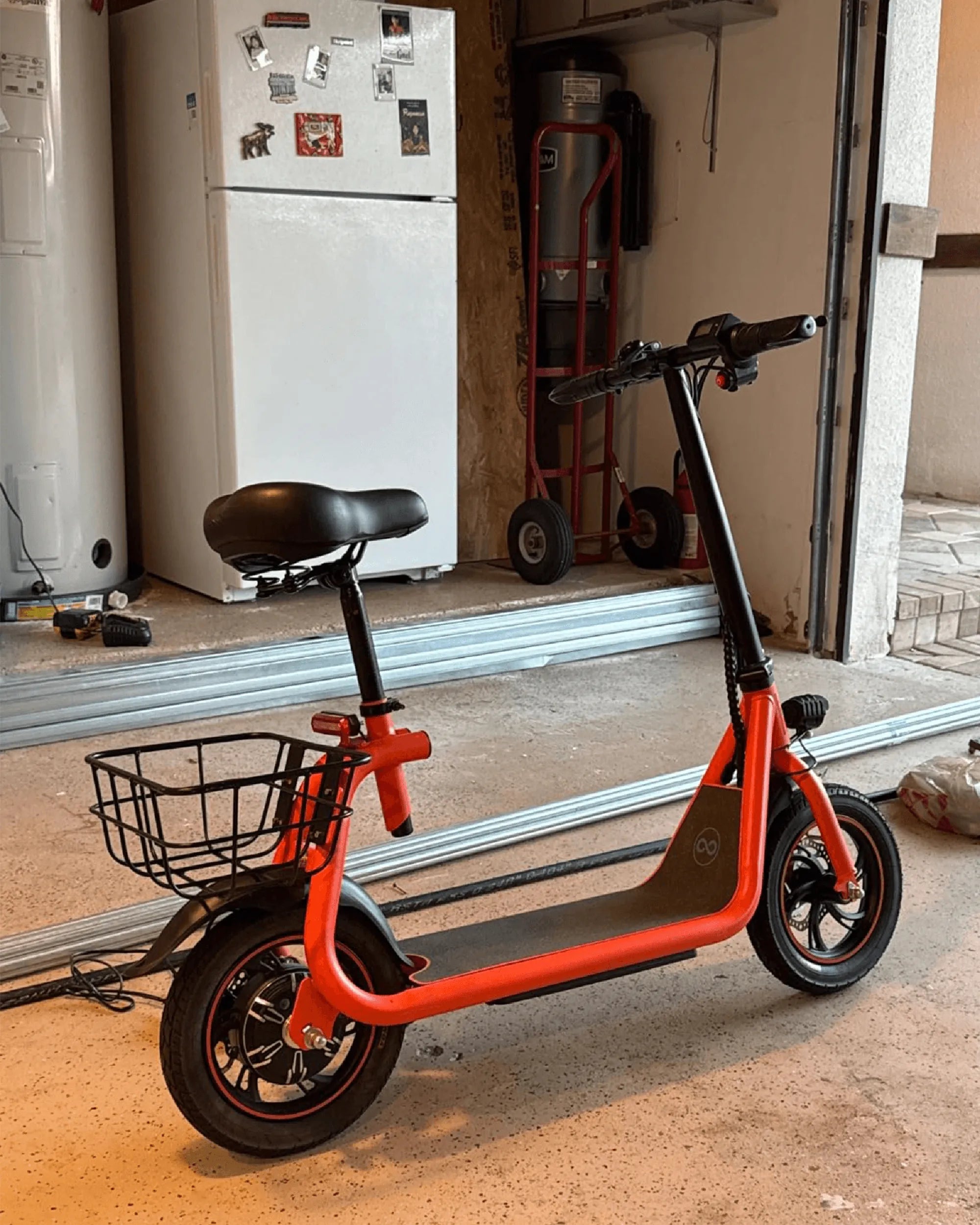
The personal electric vehicle landscape is evolving, and the new trike is at the forefront. This isn't your childhood tricycle; it's a sophisticated, motorized platform designed for stability, utility, and inclusive mobility. For urban commuters, older adults, cargo haulers, and leisure riders, the modern electric trike offers a compelling alternative to two-wheeled options, combining the freedom of cycling with the confidence of three points of contact. This article will dissect the engineering, benefits, and practical considerations of the new trike, helping you understand why it's becoming a cornerstone of smart urban transportation.
The Rise of the Modern Electric Trike
The traditional image of a trike is being rapidly replaced. The new trike leverages electric propulsion, advanced materials, and user-centric design to solve specific mobility challenges. It addresses the growing demand for vehicles that are easy to use, practical for daily tasks, and accessible to a wider range of riders.
Market data shows a significant uptick in adult trike sales, particularly in the electric segment. This growth is driven by an aging population seeking stable mobility options and urbanites looking for car-alternatives for short trips. The integration of electric assist transforms pedaling from a strenuous activity into a manageable, enjoyable form of transit and light exercise.
Brands like Gyroor are instrumental in this shift, applying their expertise in electric powertrains and safe battery systems to the trike format. The result is a vehicle that empowers riders, granting independence and redefining what personal urban transport can be. The new trike is no longer a niche product but a mainstream solution for modern living.
What Defines the "New Trike"? Key Features and Innovations
The modern electric trike is distinguished by a suite of features that prioritize safety, performance, and daily usability. It moves beyond basic transportation to become a versatile tool for life.
Stability and Safety: The Three-Wheel Advantage
The fundamental benefit of any new trike is inherent stability. The triangular wheelbase eliminates the need for balance at a standstill or low speed, a common concern with two-wheelers. This design drastically reduces the risk of tipping over, instilling confidence in new riders, seniors, or those carrying heavy loads.
A lower center of gravity, achieved through intelligent frame design and battery placement, further enhances stability during turns and on uneven surfaces. This makes navigating urban potholes, curbs, and wet pavement significantly safer. For many, this safety advantage is the primary reason for choosing a trike over a traditional e-bike or scooter.
Power and Performance: Beyond Pedal Power
Electric drive systems are the heart of the new trike. Most models utilize a rear-hub motor, providing smooth, quiet propulsion. Riders can typically choose between pure pedal-assist modes, which amplify their pedaling effort, and a throttle-only mode for effortless acceleration from a stop or on steep hills.
Performance metrics are crucial. Motor power, often ranging from 350W to 750W, determines hill-climbing ability and acceleration. Battery capacity, measured in Watt-hours (Wh), dictates range, with many modern trikes offering 30-50 miles per charge. This electric boost makes longer commutes and cargo-hauling trips feasible without exhaustion.
Practical Design: Utility Meets Comfort
Design is where the new trike truly shines for practical use. Step-through frames are standard, allowing easy mounting and dismounting. Integrated rear cargo racks or large front baskets are common, turning the trike into a capable grocery getter or delivery vehicle.
Comfort is paramount, with wide, padded saddles, adjustable stems, and often suspension forks smoothing out the ride. Intuitive LCD displays show speed, battery level, and assist mode. These thoughtful touches transform the trike from a novelty into a dependable daily driver.
Who is the New Electric Trike For? Identifying Your Perfect Ride
The versatility of the modern electric trike means it serves a diverse array of riders. Understanding these user profiles can help you see its place in your life.
The Urban Commuter and Errand-Runner
For city dwellers, the new trike is a potent car replacement. Its cargo capacity handles weekly groceries, work bags, or even small pets. Parking is a non-issue, and it bypasses traffic congestion. Many commuters add weather canopies or storage panniers, creating a fully-fledged, all-weather transport solution for trips under 10 miles.
The Senior Rider and Mobility-Seeker
This demographic is a primary beneficiary. The stability and ease of use address common concerns about balance and strength. The electric assist enables gentle, low-impact exercise, promoting cardiovascular health and joint mobility without strain. It restores independence, allowing for social visits, errands, and recreational rides that might otherwise require a car or assistance.
The Leisure Enthusiast and Eco-Conscious Explorer
For those who ride for pleasure, the new trike offers a relaxed, stable platform for exploring parks, beach boardwalks, and neighborhood trails. The electric assist ensures hills are enjoyable, not daunting. It represents a conscious choice for sustainable recreation, producing zero local emissions and fostering a deeper connection with the local environment at a leisurely pace.
Gyroor's Approach: Engineering Trust into Every Trike
As a leader in personal electric mobility, Gyroor's philosophy directly addresses the core needs of trike riders: safety, reliability, and support. Their commitment is built into three key pillars.
First, the use of UL-certified lithium-ion battery packs is non-negotiable. These batteries undergo rigorous testing for over 500 charge cycles, ensuring long-term performance and, most importantly, eliminating fire safety hazards that can be associated with uncertified cells. This provides critical peace of mind for riders storing their trike at home.
Second, an IPX5 water-resistant rating on key components guarantees that a light rain or wet road won't end your ride. This durability is essential for a vehicle designed for daily utility, ensuring reliability regardless of sudden weather changes and protecting your investment from moisture damage.
Third, a comprehensive 1-year warranty backed by US-based customer support protects your purchase. This commitment to after-sales service means any issues are resolved promptly, ensuring a hassle-free ownership experience. It reflects the confidence Gyroor has in its engineering and its dedication to a community of over 100,000 satisfied riders.
New Trike vs. E-Bike vs. E-Scooter: Choosing Your Electric Ride
Selecting the right electric vehicle depends on your primary needs. Here’s a clear comparison to guide your decision.
| Feature | New Trike | Electric Bike | Electric Scooter |
|---|---|---|---|
| Stability | Excellent (3 wheels) | Good (requires balance) | Fair (requires good balance) |
| Cargo Capacity | High (integrated racks/baskets) | Medium (add-on racks) | Low (handlebar or deck) |
| Ideal User | Seniors, cargo haulers, stability seekers | Fitness-focused commuters, agile riders | Last-mile commuters, ultra-portability seekers |
| Parking Footprint | Larger | Medium | Very Small |
| Primary Use Case | Utility, stable commuting, leisure | Exercise, agile commuting, trail riding | Short trips, multi-modal transport |
Choose a new trike if supreme stability and cargo utility are your top priorities. Opt for an e-bike if you value fitness, agility, and a more traditional cycling feel. Select an e-scooter for maximum portability and seamless integration with public transit for last-mile journeys.
What to Look for When Buying Your First Electric Trike
Making an informed purchase ensures your trike meets your expectations for years. Focus on these critical specifications and features.
Motor and Performance: Consider wattage (500W+ is good for hills) and torque. A mid-drive motor offers excellent hill performance but is rarer; a robust rear-hub motor is a common and reliable choice. Test the assist levels and throttle response.
Battery and Range: Look at voltage (36V or 48V) and Amp-hour (Ah) rating. A 48V 15Ah battery offers more power and range than a 36V 10Ah. Match the stated range to your typical trip length, remembering that real-world range is affected by weight, hills, and assist level.
Build and Practical Features: Check the total weight capacity (rider + cargo). Disc brakes (mechanical or hydraulic) offer superior stopping power. Ensure the frame is step-through and check for included accessories like a cargo basket, lights, and fenders. If possible, always take a test ride to assess comfort and handling.
Frequently Asked Questions About Electric Trikes
Q: Do I need a license or insurance to ride an electric trike?
A: In most regions, electric trikes classified as "low-speed electric bicycles" (with top speeds under 20-28 mph) do not require a license, registration, or insurance. However, laws vary by state and country, so it is essential to check your local Department of Motor Vehicles or transportation authority regulations.
Q: How far can I go on a single charge?
A: Range varies widely based on battery size, terrain, rider weight, and assist level. A typical modern electric trike with a 500Wh battery can achieve 20-40 miles on pedal assist. Using throttle-only will significantly reduce this range. Always consider a model with a range 25% greater than your longest regular trip.
Q: Are electric trikes difficult to store?
A: They are larger than e-scooters and most e-bikes. You will need a garage, shed, or a dedicated indoor space. Some models have folding mechanisms for the handlebars to reduce width. Measure your storage area and compare it to the trike's dimensions before purchasing.
Q: Can they handle hills and mild off-road paths?
A: Yes, with adequate motor power. A 500W or 750W motor with sufficient torque can handle moderate hills (10-15% grade) comfortably, especially with pedal assist. They can manage hard-packed gravel paths or smooth park trails, but they are not designed for rugged mountain biking terrain.
Q: How much maintenance do they require?
A> Maintenance is similar to a standard bicycle but often simpler due to the single-speed or internal hub gearing common on trikes. Regular tasks include checking tire pressure, ensuring brake pads are not worn, keeping the chain lubricated (if applicable), and ensuring all bolts are tight. The electric system typically requires minimal maintenance beyond proper battery care.
Embracing a Stable, Smart, and Sustainable Future
The new trike represents a significant evolution in personal mobility, offering a unique blend of stability, utility, and accessible electric power. It breaks down barriers to cycling, inviting a broader demographic to experience the benefits of emission-free transportation. Whether it's regaining independence, ditching car trips for errands, or simply enjoying a stable, leisurely ride, the modern electric trike delivers a practical and empowering solution.
It stands as a testament to thoughtful engineering focused on real-world needs. By prioritizing safety through design and certified components, it builds trust. By integrating practical cargo solutions, it enhances daily life. As cities evolve to become less car-centric, vehicles like the electric trike will play a pivotal role in creating more livable, connected, and sustainable communities.
Ready to experience the confidence and freedom of three-wheeled electric mobility? Explore how a Gyroor electric trike can integrate into your lifestyle. Browse the full Gyroor collection and find your perfect stable ride at gyroorboard.com.
e dirt bike motor: The Complete Guide to Electric Off-Road Power
Automatic Dirt Bike 450: The Complete Guide to High-Performance, Hassle-Free Riding