

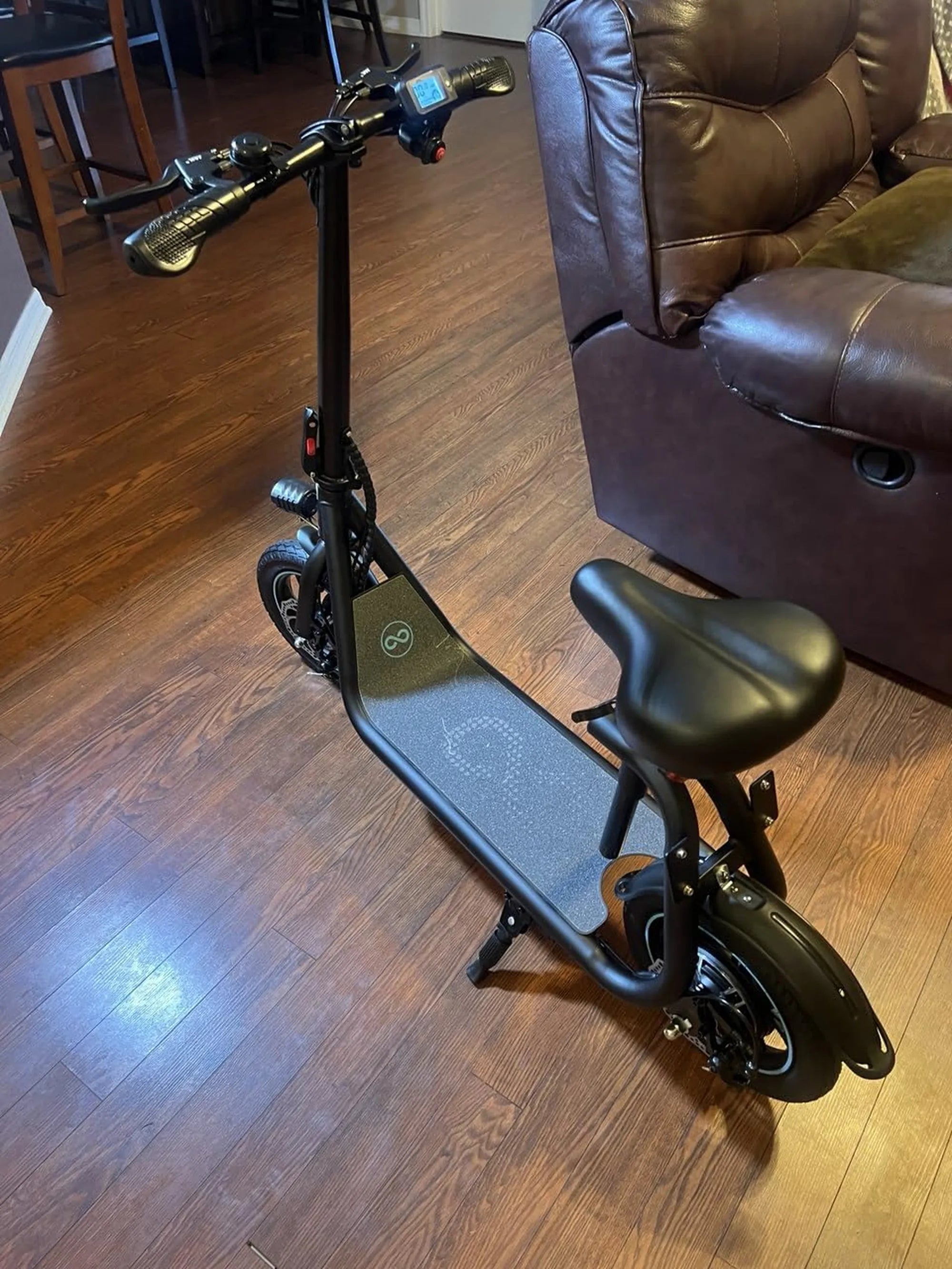
New York City has long been a hub of innovation and change, and the recent legalization of electric scooters is no exception. For years, these zippy, eco-friendly vehicles have been a common sight in cities worldwide, but New York's strict regulations kept them off the streets—until now. With the new law in place, the city is poised to embrace a new era of urban mobility. But what does this mean for commuters, traffic congestion, and the environment? Let’s dive in.
The Road to Legalization
For years, electric scooters existed in a legal gray area in New York. While some riders took the risk, others avoided them altogether due to the threat of fines. The turning point came after years of advocacy from transportation groups, environmentalists, and tech enthusiasts who argued that e-scooters could reduce traffic and carbon emissions. After extensive debates and pilot programs in other boroughs, lawmakers finally gave the green light.
Benefits for Commuters
Electric scooters offer a convenient, affordable, and efficient way to navigate the city. For short trips, they can be faster than cars or buses, especially in congested areas. Commuters can now avoid subway delays or the hassle of finding parking, making them an attractive alternative for daily travel. Plus, with the rise of shared scooter programs, users can rent them on-demand, further reducing the need for personal vehicle ownership.
Impact on Traffic and Infrastructure
While e-scooters promise to ease traffic, their sudden influx raises questions about infrastructure. Will bike lanes be sufficient, or will scooters clog sidewalks and create new hazards? Cities like Los Angeles and Paris have faced similar challenges, with mixed results. New York must invest in dedicated lanes and clear regulations to ensure a smooth transition.
Environmental Advantages
One of the biggest selling points of electric scooters is their environmental benefit. They produce zero emissions and consume far less energy than cars. As New York strives to meet its climate goals, promoting e-scooters could play a key role in reducing the city’s carbon footprint. However, their sustainability also depends on responsible manufacturing and disposal practices.
Challenges and Safety Concerns
Safety remains a top concern. Without proper training or helmet laws, accidents could rise. Additionally, the sharing economy model raises issues like vandalism and improper parking. Cities that have embraced scooters early on have learned hard lessons—New York must enforce strict rules to avoid similar pitfalls.
The Future of Urban Mobility
New York’s decision to legalize electric scooters is just the beginning. As technology evolves, so will the ways we move around the city. From e-bikes to autonomous vehicles, the transportation landscape is changing rapidly. By embracing these innovations, New York can set an example for other cities to follow.
With electric scooters now legal, the streets of New York are about to get a lot more interesting. Whether you’re a daily commuter or just curious about the future of transportation, one thing is clear: the city’s mobility revolution is just getting started. Are you ready to hop on?
E Scooter 15 MPH: The Ultimate Guide to Speed, Safety, and Fun
E Scooter 15 MPH: The Ultimate Guide to Speed, Safety, and Fun