



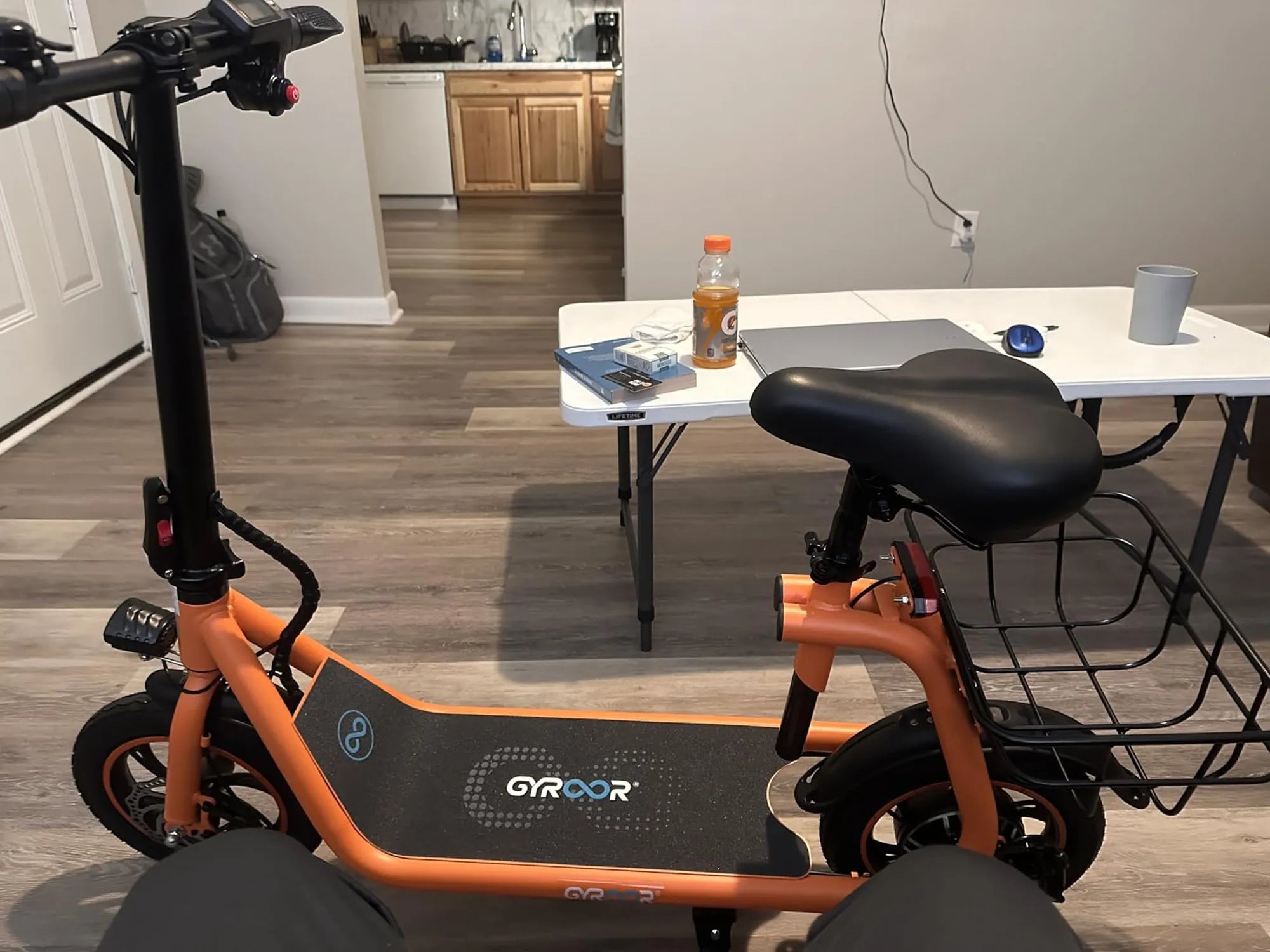
Ever wondered how fast you can go on a bike? Whether you're a casual rider or a cycling enthusiast, understanding normal bike speed can help you set realistic goals and improve your performance. Let's dive into the factors that determine how fast you can pedal and how to make the most of your rides.
What Is Normal Bike Speed?
Normal bike speed varies depending on several factors, including the rider's fitness level, bike type, terrain, and weather conditions. On average, a casual cyclist rides at a speed of 10 to 14 mph (16 to 22.5 km/h). However, experienced riders on road bikes can easily reach 15 to 20 mph (24 to 32 km/h) or more on flat terrain.
Factors Affecting Bike Speed
1. Rider Fitness and Experience
A rider's physical condition plays a significant role in determining speed. Experienced cyclists with strong leg muscles and cardiovascular endurance can maintain higher speeds for longer periods. Beginners, on the other hand, may struggle to sustain speeds above 10 mph (16 km/h).
2. Bike Type and Weight
Lightweight road bikes are designed for speed, while heavier mountain bikes are built for durability and off-road performance. The bike's weight, tire type, and gear ratios all influence how fast you can go.
3. Terrain and Elevation
Flat, smooth surfaces allow for faster speeds, while uphill climbs or rough terrain slow you down. Wind resistance also becomes a factor at higher speeds, especially on open roads.
4. Weather Conditions
Headwinds can significantly reduce your speed, while tailwinds may give you a boost. Rain or wet roads can also affect traction and braking, forcing you to ride more cautiously.
How to Improve Your Bike Speed
1. Train Regularly
Consistent cycling builds endurance and strength. Incorporate interval training and hill climbs to boost your speed over time.
2. Optimize Your Bike Setup
Ensure your bike is properly tuned, with inflated tires and well-lubricated chains. A well-maintained bike reduces friction and improves efficiency.
3. Use Proper Riding Techniques
Maintain an aerodynamic posture to reduce wind resistance. Shift gears efficiently to match the terrain and pedal at a steady cadence.
4. Monitor Your Progress
Use a bike computer or fitness tracker to measure your speed and distance. Tracking your rides helps identify areas for improvement.
Safety Considerations at Higher Speeds
Riding at faster speeds increases the risk of accidents. Always wear a helmet, obey traffic laws, and stay alert to your surroundings. Avoid sudden braking or sharp turns at high speeds to maintain control.
Ready to push your limits? Whether you're aiming for a personal best or just enjoying the ride, understanding normal bike speed can help you ride smarter and faster. Happy cycling!
Foldable 3 Wheel Scooter: The Ultimate Urban Commuting Solution
Do You Need a License for a Class 3 Ebike? Here’s What You Should Know