



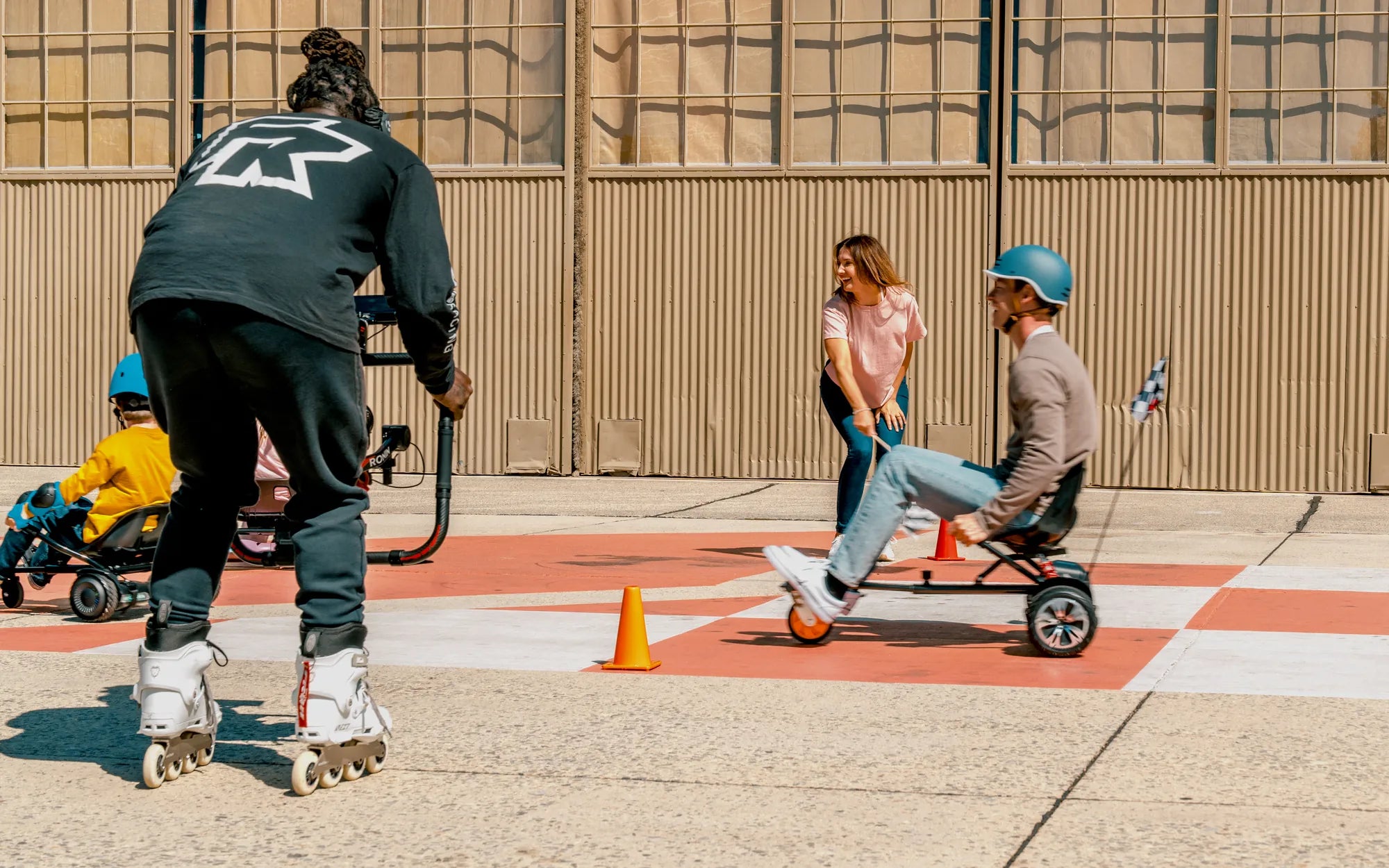
Imagine gliding through the streets of New York City on a sleek, self-balancing hoverboard—only to be stopped by a police officer handing you a ticket. This scenario is now a reality after NYC officially banned hoverboards from sidewalks, parks, and public spaces. The decision has left many commuters and tech enthusiasts wondering: Is this the end of the hoverboard era, or just the beginning of a smarter approach to urban mobility?
Why Did NYC Ban Hoverboards?
The New York City Council cited multiple reasons for the hoverboard ban, with safety concerns topping the list. Reports of fires caused by faulty lithium-ion batteries, collisions with pedestrians, and reckless riding in crowded areas forced lawmakers to take action. The ban aligns with similar restrictions in other major cities, where hoverboards have been deemed a public nuisance.
The Safety Debate
Hoverboards, once hailed as the future of short-distance travel, have faced scrutiny over their safety record. Incidents of spontaneous combustion, especially with cheaper, uncertified models, have made headlines worldwide. Additionally, their high speeds and lack of braking systems pose risks in densely populated areas like NYC.
Impact on Commuters and Businesses
For many New Yorkers, hoverboards were a convenient last-mile solution, bridging the gap between subway stations and final destinations. The ban disrupts this routine, forcing riders to seek alternatives like electric scooters or bikes—though these too face growing regulatory challenges. Small businesses selling hoverboards are also feeling the pinch, with some now stuck with unsold inventory.
Legal Alternatives and the Future of Urban Mobility
While hoverboards are off the table, other personal electric vehicles (PEVs) remain legal in NYC, including certain e-scooters and e-bikes. Cities worldwide are experimenting with dedicated lanes and speed limits to accommodate these devices safely. The hoverboard ban may push innovators to develop safer, more regulated versions that could eventually make a comeback.
Public Reaction and Advocacy
The ban has divided opinions. Some applaud it as a necessary step for public safety, while others argue it stifles innovation and punishes responsible riders. Advocacy groups are pushing for clearer regulations instead of outright bans, suggesting licensing requirements or mandatory safety certifications.
As cities grapple with the rise of personal electric vehicles, NYC's hoverboard ban serves as a cautionary tale. Will this move make streets safer, or will it simply delay the inevitable integration of new mobility tech? One thing's certain: The conversation about how we navigate urban spaces is far from over—and the next chapter could redefine transportation as we know it.
How Much Does a Floating Hoverboard Cost? A Complete Price Guide
Are All Hoverboards Electric? Exploring the Technology Behind Modern Hoverboards