



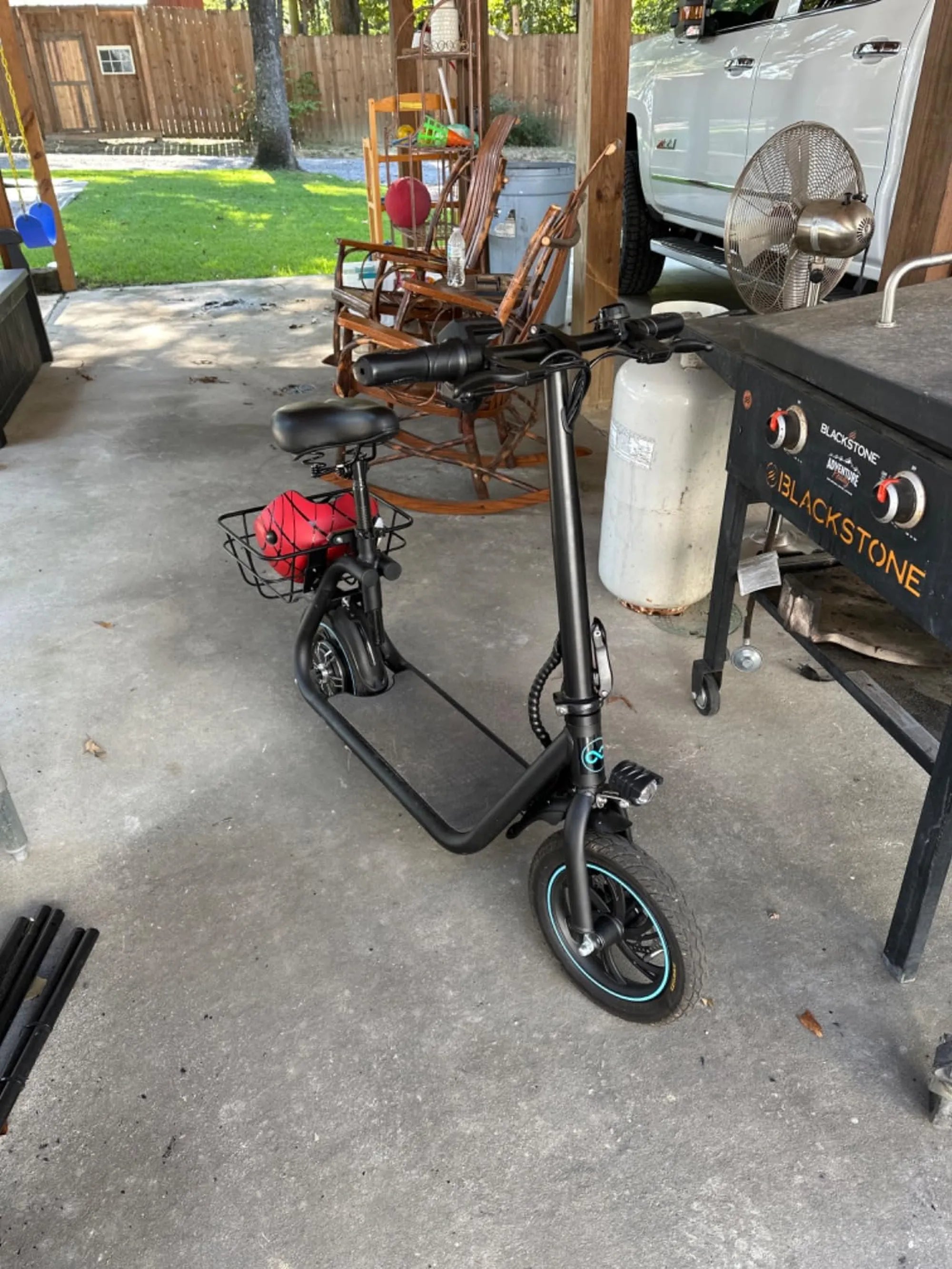
An offroad balance bike is the ultimate first step to mountain biking, designed to build a young rider's confidence and skills on natural terrain. This guide will detail why this specialized bike surpasses traditional models, what critical features to look for, and how to choose and use one to foster a lifelong love for adventure cycling. You'll learn how it accelerates development, ensures safety, and seamlessly transitions your child to pedal bikes.
What Is an Off-Road Balance Bike?
An offroad balance bike is a pedal-less bicycle specifically engineered for young children, typically aged 2 to 5, to navigate uneven, natural surfaces. Unlike standard balance bikes built for smooth pavements, these models feature robust construction, air-filled tires, and often a hand brake to handle dirt paths, grass, gravel, and gentle slopes. The core principle remains: children propel themselves with their feet, focusing solely on mastering balance, steering, and speed control without the complexity of pedals.
This tool is foundational for developing future mountain bikers. By starting on variable terrain, children learn to read the trail, adjust their body position for stability, and build core strength organically. The offroad balance bike transforms a basic skill-learning toy into an adventure vehicle, making early cycling experiences more engaging and physically beneficial. It's the most effective method for building genuine bike handling intuition before introducing gears and chains.
The design philosophy prioritizes durability and capability. Frames are built to withstand bumps and drops, while components are chosen for reliability in outdoor conditions. This focus on ruggedness does not compromise the lightweight nature essential for a small child to control the bike. The result is a tool that grows with the rider's skill, from a first push on a grassy hill to confident descents on forest paths.
Why Choose an Off-Road Balance Bike Over a Traditional Model?
Choosing an offroad balance bike over a standard pavement model offers significant advantages for skill development and longevity. The primary difference lies in capability: an off-road model is built for a wider range of surfaces, while a traditional model is limited to smooth, hard ground. This expanded capability directly translates to faster, more comprehensive skill acquisition as the rider learns to adapt to challenges.
The most critical upgrade is the tire system. Off-road models use pneumatic (air-filled) tires with pronounced tread patterns, whereas many traditional bikes use solid foam or plastic wheels. Air tires provide essential traction on loose dirt and grass, absorb shocks from roots and rocks, and offer a more stable, confident ride. This cushioning effect reduces fatigue and fear, encouraging longer, more adventurous play sessions.
Frame geometry and braking systems are also enhanced. Off-road balance bikes often feature a slightly more aggressive stance and always include a hand brake, usually on the rear wheel. A hand brake is a crucial teaching tool for speed control on descents, a skill not practiced when a child only uses their feet to stop on flat ground. This early introduction to lever braking creates a safer, more prepared rider when they transition to a pedal bike with hand brakes.
Finally, an offroad balance bike offers better value and engagement. It can be used anywhere—park, pavement, backyard trail—making it a versatile, year-round toy. The challenge of natural terrain keeps children interested far longer than circling a driveway, fostering a deeper connection to outdoor activity and building resilience through manageable, progressive obstacles.
Key Developmental Benefits for Young Riders
The developmental benefits of an offroad balance bike are profound and multi-layered. First and foremost, it builds superior dynamic balance and coordination. Navigating uneven terrain requires constant micro-adjustments in body weight and steering input, strengthening neural pathways and muscle memory far more effectively than riding on flat, predictable surfaces.
It develops critical risk assessment and decision-making skills. A child learns to scan the path ahead, choose a line around an obstacle, and judge the speed needed for a small slope. This cognitive engagement improves focus, spatial awareness, and confidence in their own abilities. They learn cause and effect in a tangible, immediate way: too much speed on loose gravel leads to a skid, requiring a corrective lean.
Physically, it builds exceptional core, leg, and arm strength. Maintaining stability on bumps requires active engagement of the entire body. The action of striding and gliding on grass or dirt provides more resistance than pavement, offering a better cardiovascular and muscular workout. This holistic physical development lays a strong foundation for all future sports.
Perhaps the most significant benefit is the seamless transition to a pedal bike. Children who master an offroad balance bike typically skip training wheels entirely. They have already learned the hardest part of cycling—balance—under challenging conditions. Adding pedals becomes a simple new skill on top of a solid foundation, often leading to a frustration-free transition in a single afternoon.
Essential Features to Look for in an Off-Road Balance Bike
Selecting the right offroad balance bike requires careful attention to specific features that dictate safety, performance, and longevity. A well-chosen bike will fit the child properly, inspire confidence, and withstand years of rugged use. This checklist prioritizes functional components over aesthetic add-ons.
The most important feature is the tire and wheel system. Look for genuine pneumatic (air-filled) tires with a knobby, multi-surface tread pattern. Tire width is also crucial; a wider tire (e.g., 3.5 inches) offers more stability and flotation on soft ground than a narrow one. Avoid any model with solid foam or plastic wheels, as they provide no shock absorption or traction on loose surfaces, defeating the purpose of an off-road bike.
The frame must be lightweight yet durable. Aluminum alloy is the ideal material, offering an excellent strength-to-weight ratio. The geometry should feature a low stand-over height, allowing the child to stand flat-footed over the frame for safety and confidence. Check the overall weight: a good benchmark is that the bike should weigh no more than 30% of the child's body weight. A bike that is too heavy will be difficult to control and maneuver.
A hand brake is non-negotiable for a true off-road balance bike. A rear hand brake allows the child to learn modulated speed control, which is essential for descending hills safely. Look for a brake lever designed for small hands, with an adjustable reach if possible. This component should be from a reputable manufacturer to ensure consistent, reliable performance.
Adjustability ensures the bike grows with your child. The seat post should have a wide range of height adjustment via a simple quick-release or easy-access bolt. Some premium models also offer adjustable handlebar height. This extendibility can provide two to three seasons of use, making it a sound investment. Finally, examine the finishing details: sealed bearings in the wheels for smooth rolling, capped ends on all bolts for safety, and a steering limiter to prevent dangerous over-rotation.
Gyroor's Approach to Youth Off-Road Readiness
Gyroor applies its core engineering principles—durability, safety, and rider-centric design—to the concept of youth off-road readiness. As a brand trusted by over 100,000 riders for personal electric transport, Gyroor understands that building confidence begins with reliable equipment. The philosophy is to create products that empower the youngest adventurers by removing mechanical worries and focusing purely on skill development.
This approach translates into balance bikes that mirror the robustness expected from Gyroor's adult e-scooters and e-bikes. It means prioritizing the features that matter: a reliable braking system a child can depend on, a frame that can take repeated impacts, and components that won't fail during play. The goal is to provide parents with peace of mind, knowing the bike is a safe and durable tool for learning.
Gyroor's experience with UL-certified battery systems and IPX5 water-resistant designs informs a broader culture of quality control and safety-first manufacturing. While a balance bike doesn't have a motor or battery, the same attention to detail is applied to weld integrity, material selection, and component testing. This ensures the product is not just a toy, but a well-engineered piece of sporting equipment for a child's first adventures.
Safety and Durability: A Parent's Peace of Mind
For parents, the paramount concerns are safety and durability. Gyroor addresses these by building offroad balance bikes with features that prevent common failure points and promote safe riding habits. The inclusion of a responsive, child-sized hand brake is a primary safety feature, teaching controlled stopping from the very beginning, which is far safer than dragging feet on steep or rocky terrain.
Durability is engineered into the frame and components. Using high-grade aluminum alloys prevents rust and keeps weight down, while robust construction at the headset and fork ensures the bike remains stable and rattle-free even after repeated bumps. These design choices mean the bike can be passed down to siblings, representing long-term value and reducing waste.
Safety extends to design details: rounded edges, no pinch points, and a steering limiter to prevent the handlebars from turning too far and causing a fall. By preemptively solving these common issues, Gyroor creates an environment where children can test their limits without undue risk, and parents can feel comfortable encouraging exploration. This commitment turns the balance bike from a simple purchase into an investment in a child's confident, active development.
Getting Started: First Rides and Trail Tips
Introducing an offroad balance bike correctly sets the stage for a positive, enthusiastic experience. Begin with the right gear: a properly fitted bicycle helmet is absolutely mandatory. Consider additional protective gear like knee and elbow pads for early trail sessions, as falls are part of the learning process on uneven ground.
Start on a gentle, grassy slope. Grass provides a soft landing and enough resistance to help control speed. Have the child sit on the seat with their feet flat on the ground. Encourage them to walk the bike while sitting, then progress to longer strides. Let them discover the glide phase naturally as they gain confidence. Avoid holding the bike or the child; support them verbally instead. Holding the bike interferes with their natural sense of balance.
As skills develop, introduce mild obstacles. A slight downhill encourages gliding. A gentle uphill builds strength. Use natural features like smooth dirt paths, small leaf piles, or safe, rounded curbs. Always scout the trail first for hidden hazards like large rocks, holes, or broken glass. Keep early sessions short, fun, and pressure-free. The goal is to build association between the bike and enjoyable outdoor play.
Progress to more challenging terrain like hard-packed dirt trails, forest paths, or gravel areas as the child's control improves. Teach them to scan the trail ahead and choose their line. Practice using the hand brake on a gentle decline until it becomes instinctive. Celebrate milestones, no matter how small. The progression from walking to gliding to navigating a twisty path is a huge accomplishment that builds immense self-esteem.
Off-Road vs. Pavement Balance Bikes: A Detailed Comparison
| Feature | Off-Road Balance Bike | Traditional Pavement Balance Bike |
|---|---|---|
| Primary Use | Uneven terrain: dirt, grass, gravel, trails. | Smooth, hard surfaces: pavement, asphalt, indoor floors. |
| Tires | Pneumatic (air-filled) with aggressive tread. | Often solid foam, plastic, or thin pneumatic with smooth tread. |
| Shock Absorption | Excellent, due to air tires and sometimes frame design. | Poor to minimal; vibrations transfer directly to rider. |
| Braking System | Hand brake (rear) standard for speed control. | Rarely includes a hand brake; stopping is feet-only. |
| Frame & Build | Robust, often aluminum alloy, built for impacts. | Lighter construction, can be steel or lower-grade aluminum. |
| Skill Development | Dynamic balance, trail reading, obstacle negotiation. | Basic balance and steering on predictable surfaces. |
| Longevity & Value | Higher; versatile for all terrains, longer engagement. | Lower; limited to smooth areas, often outgrown quickly. |
Frequently Asked Questions (FAQ)
What is the ideal age and height to start?
Most children are ready between 18 months and 2.5 years old, once they can walk and run confidently. Height is a more accurate gauge than age. The child should be able to sit on the saddle with their feet flat on the ground and a slight bend in their knees. An inseam of 12-14 inches is typically the minimum for the smallest balance bikes.
How do I know if the bike fits correctly?
A proper fit is crucial for safety and control. When seated, the child should have a slight bend (about 15 degrees) in their knees with feet flat. They should be able to stand over the frame with both feet flat, not on tiptoes. If the seat is at its lowest setting and the child is still on their toes, the bike is too large. Their arms should be comfortably extended to the handlebars without locking elbows.
Is a hand brake necessary for a 2-year-old?
While a very young 2-year-old may not have the hand strength to operate a brake immediately, its presence is still important. It allows them to grow into the feature. You can teach them to use it gradually, starting with walking the bike and squeezing the lever. Having it from the start normalizes its function, making it an integral part of biking rather than a scary new addition later.
Can an off-road balance bike be used on pavement?
Absolutely. An offroad balance bike performs perfectly on pavement, though the knobby tires may create a bit more rolling resistance and a gentle hum. Its versatility is a key advantage. A pavement-specific balance bike, however, cannot be safely or effectively used on true off-road terrain due to its lack of traction and suspension.
How does this prepare my child for a pedal bike?
It teaches the single most important skill: balance. By removing the need to pedal, children concentrate on steering, leaning, and controlling speed with their body and a brake. When they transition to a pedal bike, they already know how to balance, so they can focus entirely on learning the pedaling motion. Most children who master a balance bike transition to a pedal bike without ever needing training wheels, often in one session.
Building a Foundation for a Lifetime of Adventure
An offroad balance bike is far more than a toy; it's an investment in a child's physical literacy, confidence, and future passion for the outdoors. The skills learned—balance, risk assessment, resilience, and vehicle control—form a cornerstone of development that extends beyond cycling. It fosters independence, problem-solving, and a love for active, adventurous play in nature.
Choosing the right tool is critical to this positive experience. A well-constructed bike with appropriate features ensures safety, durability, and sustained engagement. It allows the child to progress at their own pace, turning challenges into achievements. This early success builds a powerful association between effort, skill, and joy—a foundation for all future athletic pursuits.
The journey from tentative first steps on grass to carving down a dirt path represents a monumental leap in capability. By providing a capable, reliable offroad balance bike, you are not just giving a gift for today; you are opening a door to a lifetime of exploration on two wheels. You are building the first and most important link in a chain of confidence that leads to mountain biking, trail riding, and a healthy, active lifestyle.
Ready to start your child's adventure? Explore rugged, child-engineered options designed for real-world exploration. Browse the full Gyroor collection at gyroorboard.com to find the balance bike that will build confidence from the ground up.
Best Portable Scooter for Seniors: The Ultimate Guide to Safe, Easy Mobility
Scooter Inner Tube Replacement: The Complete DIY Guide for Every Rider