



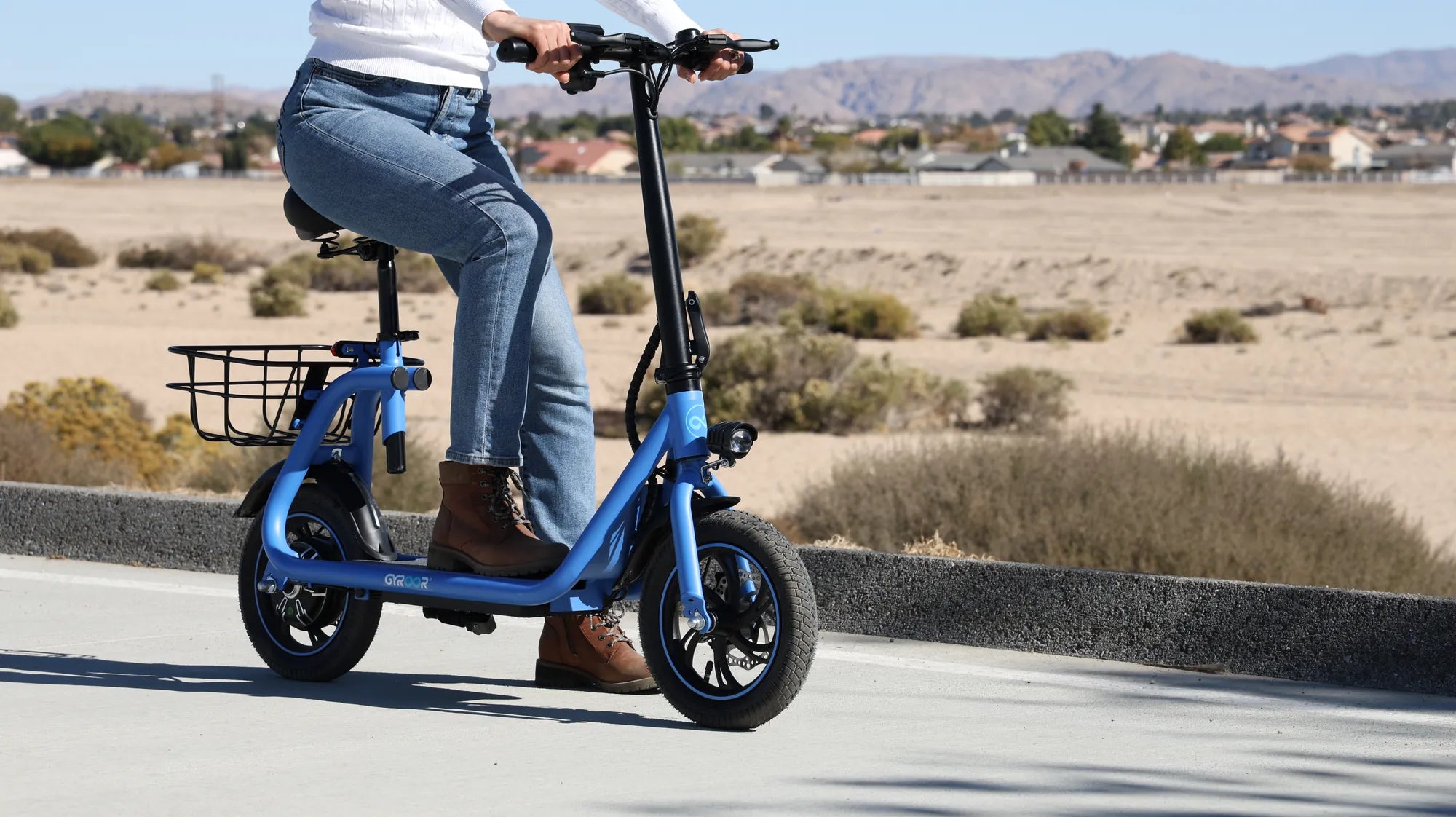
Introduction: Unleashing the Outdoors with Electric Freedom
Outdoor electric scooters for adults have evolved from novelty gadgets into powerful, practical vehicles for modern mobility. They offer an unparalleled blend of freedom, efficiency, and fun, transforming daily commutes, weekend park visits, and light trail exploration. This guide serves as your comprehensive resource for navigating the market, cutting through marketing jargon, and making an informed decision based on your specific outdoor needs and lifestyle.
Choosing the right outdoor electric scooter requires understanding how key specifications interact with real-world conditions. We will dissect motor power, battery technology, build durability, and terrain suitability. You'll learn not just what the numbers mean, but how they translate to performance on pavement, gravel, and hills.
This ultimate guide prioritizes factual, data-driven advice to help you invest in a ride that is safe, reliable, and perfectly matched to your adventures. We'll explore why brand trust, evidenced by certifications like UL for batteries and IP ratings for water resistance, is non-negotiable for outdoor use where reliability is paramount.
Understanding Your Riding Terrain: Matching Scooter to Surface
Your primary riding environment is the single most important factor in choosing an outdoor electric scooter. A scooter built for smooth city streets will struggle and potentially become unsafe on rough trails, and vice-versa. Performance, comfort, and safety are directly tied to how well your scooter's design handles the surface beneath its wheels.
Key specifications that must align with your terrain include motor power, wheel size and type, suspension system, and ground clearance. Ignoring this match can lead to poor battery life, increased wear and tear, and a disappointing riding experience. We will break down the requirements for the most common outdoor scenarios.
Paved Paths & City Commuting
For asphalt, concrete, and well-maintained bike paths, efficiency and portability are king. A motor in the 350W to 500W range provides ample power for urban acceleration and moderate inclines. Pneumatic (air-filled) tires, typically 8.5 to 10 inches, offer the best shock absorption for sidewalk cracks and uneven pavement.
Suspension, while beneficial for comfort, can be a single front system or omitted on premium models with large pneumatic tires to maintain a lighter, more foldable design. Reliable braking—a combination of electronic and disc—is critical for stop-and-go traffic. Integrated front and rear lights, along with a bell or horn, are essential safety features for commuting.
Gravel, Grass & Light Off-Road Adventures
Venturing onto packed gravel, dirt paths, or dry grass demands a more robust machine. Motor power should start at 500W and go up to 800W or more for consistent torque on loose surfaces. Larger wheels (10 inches+) with deeper, knobby tread patterns on pneumatic tires provide necessary traction and roll over obstacles more easily.
Here, a full suspension system—front and rear—becomes highly recommended. It maintains wheel contact with the ground for control and absorbs impacts that would otherwise travel to the deck and rider. Higher ground clearance prevents the undercarriage from scraping on roots or ruts. These features add weight, trading some portability for vastly superior off-pavement capability.
Conquering Hills: Torque, Power, and Battery Drain
Hill climbing is a rigorous test of an electric scooter's powertrain. Wattage alone doesn't tell the full story; torque is the rotational force that gets you up the incline. A 500W motor with high torque can outperform a 600W motor with poor torque. For consistent hill climbing, look for motors rated at 500W continuous power or higher.
Steep grades (15%+) will benefit from dual-motor configurations, which provide exceptional torque but significantly reduce range. It's crucial to understand that hill climbing drastically increases battery consumption. A route with frequent hills may cut your advertised range by 30-40%. Always factor this in when assessing a scooter's battery capacity for hilly areas.
Key Specifications Decoded: What the Numbers Really Mean
Manufacturer spec sheets can be overwhelming. This section translates technical jargon into practical riding implications, focusing on the metrics that matter most for outdoor performance and longevity.
Motor Power & Performance (Wattage)
Motor wattage indicates power output, but you must distinguish between continuous and peak ratings. Continuous wattage is the power the motor can sustain indefinitely under normal load. Peak wattage is a short-term burst for acceleration or steep hills. For outdoor reliability, base your decision on the continuous rating.
A 350W motor is suitable for flat to moderately hilly paved terrain. A 500W motor offers confident acceleration and better hill-climbing for most urban and light trail use. For riders tackling significant hills, rougher terrain, or higher rider weights, 800W and above provides the necessary reserve power. More power also typically means a higher top speed, but always prioritize torque for outdoor versatility.
Battery & Range: Separating Myth from Reality
Battery capacity, measured in Watt-hours (Wh) or Amp-hours (Ah), is the fuel tank of your scooter. A higher number generally means more range. However, the advertised "max range" is almost always achieved under ideal laboratory conditions: a light rider on flat, smooth terrain at low speed.
Real-world range is affected by rider weight, terrain, wind, temperature, hill frequency, and riding style (aggressive acceleration). It's prudent to estimate your usable range at 60-70% of the advertised figure. For outdoor use, battery safety is paramount. UL-certified battery packs, like those used by Gyroor, undergo rigorous testing for short-circuit, overcharge, and thermal stability, preventing fire hazards—a critical consideration for any vehicle.
Build, Safety, and Weather Resistance
The frame material is almost exclusively aluminum alloy, prized for its strength-to-weight ratio. The quality of welding and component integration defines durability. Braking systems are a key safety pillar. Disc brakes offer strong, consistent stopping power in varied conditions. Electronic brakes use motor resistance to slow down and regenerate small amounts of power.
The IP (Ingress Protection) rating is non-negotiable for an outdoor electric scooter. It defines protection against solids (dust) and liquids (water). An IPX5 rating, a standard for brands like Gyroor, means the scooter can withstand water jets from any direction. This allows you to ride confidently on wet paths, through puddles, or in light rain without worrying about electrical damage, making it essential for unpredictable outdoor conditions.
Brand Trust & After-Sales: The Gyroor Advantage for Outdoor Riders
Beyond specifications, the brand behind the scooter dictates long-term satisfaction, safety, and support. A reputable manufacturer invests in quality control, certified components, and customer service, ensuring your investment is protected.
Why Certification and Warranty Matter
Safety certifications are your first line of defense. UL certification for the battery pack is the industry gold standard, verifying it has passed stringent tests for electrical and fire safety. For outdoor electric scooters for adults, this is not a luxury but a necessity. A comprehensive warranty, typically one year for reputable brands, covers defects in materials and workmanship.
Accessible customer support, including US-based service for North American customers, resolves issues efficiently. Gyroor, for instance, backs its products with a 1-year warranty and has built trust with over 100,000 riders by focusing on these pillars of reliability.
Designed for the Real World: IPX5 and Durability
Engineering for real-world conditions separates dedicated outdoor scooters from basic models. An IPX5 water-resistant rating is a deliberate design choice that protects the scooter's vital electronics from moisture ingress. This feature directly addresses the reality of outdoor riding, where weather can change quickly.
This practical durability is reflected in overall build quality—reinforced stems, secure folding mechanisms, and robust deck construction. When a brand's reputation is built on a large, satisfied customer base across North America and Europe, it signals a proven track record of creating products that endure the demands of daily outdoor use.
Making Your Decision: A Practical Comparison Framework
To synthesize this information, let's compare two common rider profiles. Use this framework to evaluate models based on your primary use case.
| Feature | Urban Explorer (Commute/Parks) | Trail Adventurer (Light Off-Road) |
|---|---|---|
| Primary Terrain | Paved roads, bike paths, sidewalks | Gravel, packed dirt, grass, uneven trails |
| Motor Power | 350W - 500W (Continuous) | 500W - 800W+ (Continuous, High Torque) |
| Wheels & Tires | 8.5"-10" Pneumatic (for comfort) | 10"+ Pneumatic, Knobby Tread |
| Suspension | Front or None (rely on tires) | Front & Rear (Dual) Recommended |
| Key Priority | Portability, Range, Commute Safety | Durability, Traction, Shock Absorption |
| Must-Have Spec | Reliable Brakes, Lights, UL Battery | IPX5 Rating, High Ground Clearance, UL Battery |
Your decision should start by identifying which column most closely aligns with 80% of your riding. If you are a hybrid rider, prioritize the specs from the more demanding terrain (e.g., if you commute but also hit gravel trails weekly, lean toward Trail Adventurer specs).
Frequently Asked Questions (FAQ)
Q: Can I legally ride an electric scooter on bike trails or in parks?
A: Laws and regulations vary significantly by city, county, and state. Many bike trails explicitly prohibit motorized vehicles, while some cities allow e-scooters in bike lanes. Parks often have their own rules. Always check local ordinances before riding on any public path or trail. When in doubt, assume it's prohibited unless clearly posted otherwise.
Q: How do I maintain my scooter for outdoor use?
A: Regular maintenance is key for longevity. Check and maintain proper tire pressure weekly. Clean the scooter with a damp cloth after riding on dirt or wet paths, avoiding direct water jets on ports. Store and charge the battery in a dry, temperate environment. Periodically check and tighten bolts, especially on the stem and folding mechanisms. Follow the manufacturer's specific lubrication guidelines for the brake system.
Q: Is an electric scooter with suspension necessary?
A> For perfect, smooth pavement, large pneumatic tires may provide sufficient comfort. However, for any outdoor riding involving cracks, cobblestones, or uneven surfaces, front or dual suspension is highly recommended. It improves control by keeping wheels grounded, reduces fatigue by absorbing vibrations, and minimizes stress on the scooter's frame and components, enhancing safety and durability.
Q: How does rider weight affect performance?
A: Rider weight (combined with any cargo) is a major factor. Heavier riders will experience reduced acceleration, lower top speed, decreased hill-climbing ability, and significantly shorter range. Always check the manufacturer's maximum weight rating and consider choosing a scooter with a motor and battery capacity rated higher than the minimum you think you need to ensure adequate performance.
Q: What's the difference between solid, honeycomb, and pneumatic tires?
A> Solid tires are puncture-proof but offer a very harsh ride and poor traction. Honeycomb (airless) tires provide some cushioning and are puncture-resistant, a good middle ground. Pneumatic (air-filled) tires offer the best shock absorption, traction, and comfort but require pressure checks and are susceptible to punctures. For outdoor comfort and grip, pneumatic tires are generally the preferred choice.
Conclusion: Your Path to Outdoor Adventure Awaits
Selecting the perfect outdoor electric scooter for adults is a process of aligning engineering with your personal adventure map. Begin by honestly assessing your dominant terrain, then match it to the necessary motor power, tire type, and suspension. Prioritize safety and durability through UL-certified batteries, robust braking, and a meaningful IPX water-resistance rating. Finally, anchor your choice in a brand that demonstrates commitment through certification, warranty, and proven customer trust.
This informed approach ensures your scooter is a reliable partner, not a liability. It transforms the scooter from a simple purchase into a key that unlocks new routes, errands without traffic, and a fresh perspective on your surroundings. The right ride amplifies freedom, injects fun into daily routines, and opens the door to countless outdoor experiences.
Ready to explore the models built with these principles in mind? Browse the full Gyroor collection at gyroorboard.com to see scooters engineered with UL-certified batteries, IPX5 water-resistant designs, and the durability trusted by a community of over 100,000 riders. Your ultimate ride awaits.
Electric Scooters Downtown Memphis: The Future of Urban Mobility
Electric Scooters in Nottingham: The Future of Urban Mobility