


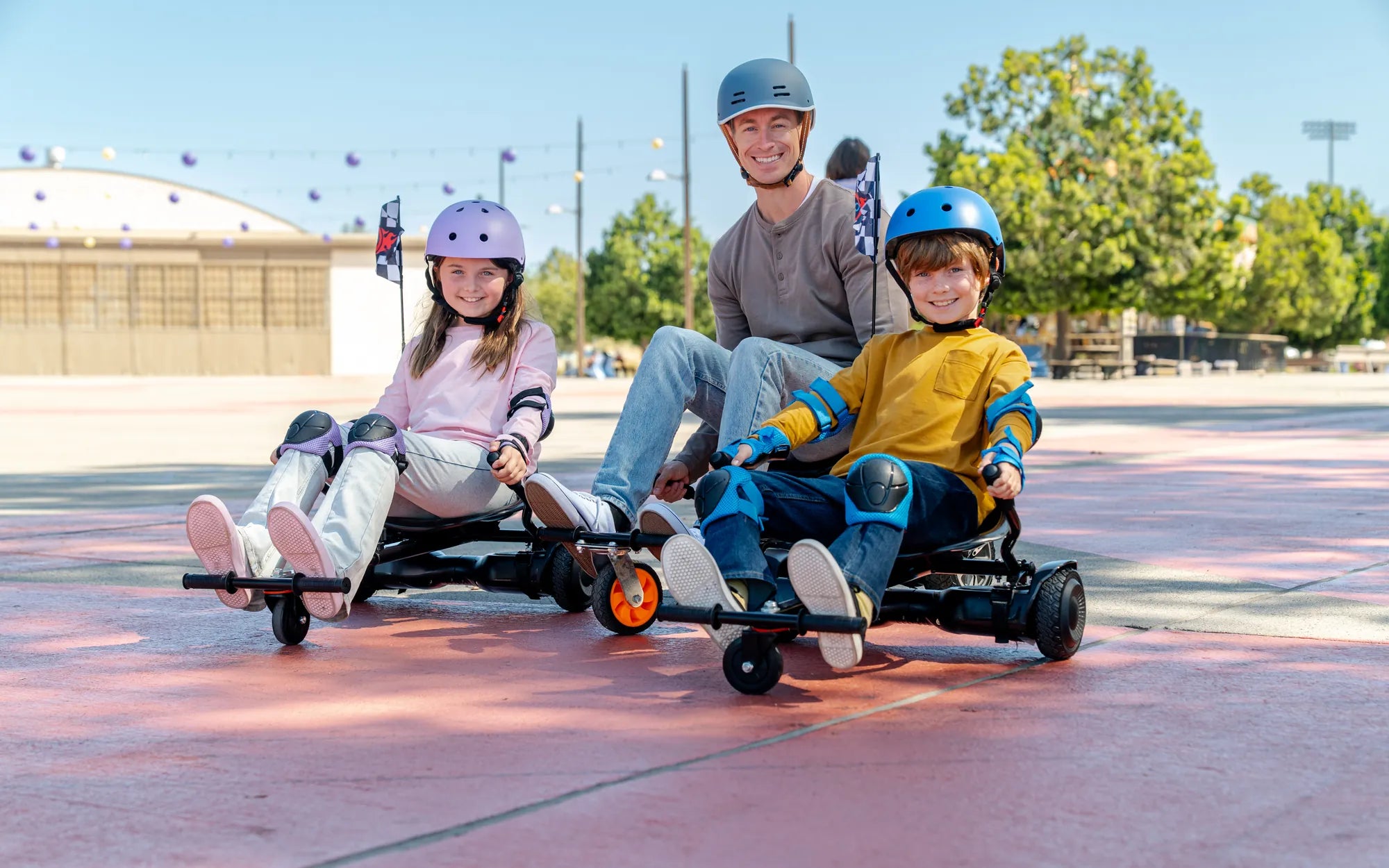
An outdoor hoverboard for kids unlocks a world of exploration, transforming a simple driveway into a racetrack and a backyard into an off-road adventure. Modern self-balancing scooters are engineered for the real world, offering a thrilling gateway to active, outdoor play. This guide serves as your definitive resource for selecting the perfect outdoor hoverboard for your child, prioritizing safety and durability without sacrificing fun. You'll learn to identify key features, understand non-negotiable safety standards, and make an informed choice that empowers confident, unforgettable rides.
Why Outdoor Hoverboards are a Gateway to Adventure
Outdoor hoverboards for kids represent a significant evolution from their indoor-only predecessors. They are designed to handle varied terrain, encouraging physical activity, balance development, and outdoor exploration. The sense of freedom and accomplishment a child gains from mastering an outdoor ride is unparalleled.
Unlike stationary screen time, riding a hoverboard engages core muscles, improves coordination, and promotes spatial awareness. It's an active hobby that gets children outside, exploring their neighborhood, parks, and trails. The social aspect is also key, as group rides become a shared adventure.
The key is selecting a board built for this environment. A true outdoor hoverboard for kids is not merely a toy; it's a piece of personal electric mobility engineered with specific components to ensure performance, safety, and longevity outside the living room. This guide will detail those critical components.
Understanding this distinction is the first step toward a safe and enjoyable experience. The right board turns potential hazards like bumps, slopes, and puddles into part of the fun, rather than obstacles that end the ride prematurely or compromise safety.
What Makes a Hoverboard "Outdoor" Ready? Key Features Decoded
An outdoor-ready hoverboard is defined by a suite of engineering features that work in concert. These features address traction, power, durability, and endurance—elements that are less critical for smooth, indoor floors. Ignoring any one of these can lead to a frustrating or unsafe experience.
Parents should evaluate these specifications carefully, as they directly impact where and how safely the board can be ridden. The term "all-terrain" is often used, but true capability depends on the combination of the following factors. A board excelling in one area but lacking in another may not perform as expected outdoors.
Tire Type and Size: Air-Filled vs. Solid Rubber
Tire choice is the most visible differentiator. For outdoor use, larger air-filled (pneumatic) tires are essential. Typically 8.5 inches or larger in diameter, these tires provide crucial shock absorption over cracks, gravel, and grass.
The air cushion smooths out vibrations that would otherwise travel to the rider's feet and the board's internal electronics. This not only improves comfort but also protects the board's sensitive gyroscopes and circuitry from repeated impacts. Solid rubber tires, common on basic models, offer no give and are unsuitable for anything but perfectly smooth pavement.
Furthermore, pneumatic tires feature deeper, more aggressive tread patterns. This tread provides the necessary grip on loose surfaces like dirt paths, wet pavement, and dry grass. The increased surface contact area prevents slipping, especially during turns or on mild slopes, giving the rider greater control and confidence.
Motor Power and Hill Climbing Ability
Outdoor terrain demands more torque. Dual motor wattage is the key metric here. For effective outdoor use, a combined power output of at least 500W (e.g., 250W x2) is a practical minimum, with 600W or more being ideal for handling hills and rougher ground.
This power translates directly to hill-climbing ability. A board with sufficient torque can maintain speed and stability on a 15-20 degree incline, common in driveways and park paths. An underpowered board will slow dramatically, strain its motors, and drain the battery rapidly, potentially stalling and causing a fall.
Power also affects acceleration and the ability to correct balance on uneven surfaces. When a wheel hits a bump, a robust motor can quickly adjust to keep the board level. This responsive power delivery is a critical safety feature for maintaining control in dynamic outdoor environments.
IP Water Resistance Rating: Understanding Durability
The IP (Ingress Protection) rating is a standardized code indicating a device's resistance to solids and liquids. For an outdoor hoverboard for kids, this is non-negotiable. At a minimum, look for an IPX4 rating, which protects against water splashes from any direction.
For true peace of mind, an IPX5 rating, like those found on Gyroor hoverboards, is superior. It means the board can withstand low-pressure water jets from a nozzle, making it resistant to puddles, wet grass, and light rain. This protection prevents water from seeping into the battery compartment, control board, or motors, which can cause short circuits, corrosion, and failure.
This rating is about durability and safety. A board that can handle damp conditions is less likely to suffer a sudden electrical fault during a ride. It ensures the investment lasts longer, surviving the inevitable encounters with morning dew or unexpected sprinklers.
Battery Life and Range for Extended Play
Outdoor exploration requires range. Battery capacity, measured in Watt-hours (Wh) or often inferred from voltage (V) and amp-hours (Ah), determines how far a single charge will go. A larger battery (e.g., 36V, 4.0Ah or higher) is essential for outdoor hoverboards.
Manufacturers state a maximum range, but real-world outdoor use typically reduces it by 30-40%. Factors like frequent acceleration, hill climbing, and riding on grass or dirt increase power consumption. A board advertised for 10 miles might achieve 6-7 miles of active outdoor play.
Therefore, selecting a board with a robust battery ensures the fun isn't cut short. It allows for longer adventures and reduces charge cycles, extending the overall lifespan of the battery. Look for models using quality, name-brand lithium-ion cells, which offer better energy density and longevity.
Top Safety Must-Haves for Kids' Outdoor Hoverboards
Fun is entirely dependent on safety. When selecting an outdoor hoverboard for kids, certain safety features are absolute requirements, not optional extras. These features are designed to prevent accidents and mitigate risks associated with higher speeds and more challenging terrain.
Prioritizing these elements protects your child and provides you with essential peace of mind. A safe hoverboard is a reliable one, built to consistent standards that prevent catastrophic failures. This section outlines the non-negotiable benchmarks.
UL 2272 Certification: The Non-Negotiable Standard
UL 2272 is the definitive safety certification for self-balancing scooters, established by the globally recognized safety science company UL Solutions. It is not a mere suggestion; it is a critical requirement.
This certification involves over 100 rigorous tests on the entire electrical system—battery pack, charger, and circuitry. Tests simulate extreme conditions like overcharging, short circuits, vibration, impact, and temperature extremes to ensure the product will not catch fire or explode. A hoverboard without UL 2272 certification poses a significant fire risk and should never be purchased.
Always verify this certification independently. Reputable brands like Gyroor design their products to meet and exceed this standard from the outset, using UL-certified battery packs as a core component of their engineering philosophy.
Learning Modes and Speed Limiters
A beginner mode is essential for any child, especially on a powerful outdoor model. This software feature limits the top speed (often to 4-7 mph) and softens the acceleration curve, making the board less twitchy and more predictable.
This allows young riders to build muscle memory, balance, and confidence in a controlled manner. As skills improve, parents can unlock higher speed modes via a companion app or button sequence. This graduated approach prevents intimidation and reduces the likelihood of high-speed falls during the learning phase.
Some advanced models also feature different riding modes (e.g., Eco, Normal, Sport) that adjust performance characteristics, allowing the board to grow with the child's ability and adapt to different terrains intentionally.
Build Quality and Weight Limit
A sturdy, well-constructed frame is the foundation of safety. The housing should be made of high-impact ABS plastic or reinforced materials that can withstand the bumps and minor crashes of outdoor use without cracking.
Equally important is adhering to the manufacturer's stated maximum weight limit. Exceeding this limit strains the motors, overheats the battery, and compromises the structural integrity of the board. It can lead to premature failure, reduced range, and unpredictable behavior. Always choose a board with a weight limit that comfortably exceeds your child's current weight, allowing room for growth while ensuring optimal performance and safety.
Gyroor's Commitment to Outdoor Fun and Peace of Mind
As a leading electric scooter and e-bike brand trusted by over 100,000 riders across North America and Europe, Gyroor applies its expertise in personal electric mobility directly to its hoverboard line. Their design philosophy centers on delivering robust outdoor performance without compromising on the safety standards that parents demand.
Gyroor's hoverboards are engineered from the ground up for adventure, integrating the key features discussed previously into a cohesive and reliable package. This commitment translates into products that empower kids to explore while giving parents confidence.
Engineered for Adventure: Rugged Design Meets Smart Tech
Gyroor hoverboards are built with outdoor terrain in mind. Key models feature 8.5-inch pneumatic tires with deep treads, providing excellent shock absorption and traction on grass, gravel, and pavement. The dual motor systems, often totaling 600W or more, deliver the necessary torque for hill climbing and responsive control.
The IPX5 water resistance rating is a standout feature, offering a higher level of protection against the elements than many basic models. This ensures the board can handle puddles and damp conditions reliably. Integrated features like bright LED headlights and ambient wheel lights enhance visibility for safer riding during dusk or in shaded areas, extending playtime safely.
Safety Built-In: UL-Certified Batteries and Beyond
Safety is not an afterthought at Gyroor; it's integrated into the core design. Every Gyroor hoverboard utilizes UL-certified lithium-ion battery packs that have undergone rigorous testing for stability and longevity over 500+ charge cycles. This directly addresses the primary safety concern surrounding hoverboards.
This commitment extends to the overall electrical system design, which is engineered to meet stringent safety standards. Coupled with essential features like beginner learning modes and robust battery management systems, Gyroor boards are designed to be as safe as they are fun, ensuring reliable performance ride after ride.
Warranty and Support: Riding with Confidence
Gyroor stands behind the durability of its outdoor products with a comprehensive 1-year warranty. This warranty covers manufacturing defects and provides assurance that the company supports its claims of quality and performance.
Accessible customer support is crucial for troubleshooting or questions. This support network means parents aren't left alone if an issue arises, ensuring a positive ownership experience. This combination of warranty and support underscores the brand's confidence in its products' ability to withstand the rigors of outdoor use.
Choosing the Right Model: A Practical Comparison for Parents
Selecting the ideal outdoor hoverboard for kids involves matching the board's capabilities to the child's age, skill level, and intended riding environment. The following table provides a clear, at-a-glance comparison to guide this decision. Remember, the Outdoor Hoverboard for Kids: The Ultimate Guide to Fun and Safety emphasizes that these are general guidelines, and parental supervision is always recommended.
| Factor | For Beginners & Young Riders (Ages 6-9) | For Experienced Kids & Off-Road (Ages 10+) |
|---|---|---|
| Primary Use | Smooth pavements, driveways, flat park paths | Grass, dirt trails, steeper slopes, longer adventures |
| Key Feature: Tires | Larger solid rubber or smaller pneumatic (≥8.5") | Large pneumatic tires (8.5" or 10") with deep tread |
| Key Feature: Motor | Dual 250W (500W total) sufficient | Dual 300W+ (600W+ total) recommended for torque |
| Key Feature: Speed | Must have a beginner mode (≤7 mph) | Multiple speed modes, with a top speed of 10-12 mph |
| Safety Priority | UL 2272 certification, learning mode, sturdy frame | UL 2272, high weight limit, advanced stability control |
| Ideal Model Traits | Lightweight, easy to carry, very intuitive controls | Longer range battery, IPX4/IPX5 rating, rugged build |
For Beginners & Young Riders (Ages 6-9)
For this group, control and confidence-building are paramount. Look for models that emphasize stability and have a dedicated, easy-to-activate beginner mode that caps speed. A lower deck height can make mounting and dismounting easier for smaller children.
While outdoor capability is desired, the focus should be on mastering the basics on flat, hard surfaces first. A board with moderate power and good tire cushioning will handle sidewalk cracks and smooth pathways perfectly. The build quality must withstand learning-curve tumbles.
For Experienced Kids & Off-Road Terrain (Ages 10+)
Older or more experienced riders ready for varied terrain need a more capable machine. Prioritize high-torque motors (600W total or more) for consistent power on hills and through grass. Large pneumatic tires (8.5-inch or larger) are mandatory for true off-pavement exploration.
Battery range becomes critical, as adventures will cover more ground. An IPX5 rating ensures the board won't be sidelined by wet conditions. At these higher capabilities, pairing the board with full safety gear—helmet, knee pads, elbow pads, and wrist guards—is an absolute necessity.
Key Comparison Factors: A Quick-Reference Checklist
- Age & Skill: Match motor power and speed modes to the rider's experience.
- Tire Type: Pneumatic tires (≥8.5") are essential for any real outdoor use.
- Motor Power: Minimum 500W total output; 600W+ for hills/grass.
- IP Rating: IPX4 is the minimum; IPX5 (like Gyroor's) is recommended.
- Safety Certification: UL 2272 is non-negotiable. Verify it.
- Battery & Range: Check voltage and Ah; expect real-world range to be less than advertised.
- Warranty: A 1-year comprehensive warranty indicates manufacturer confidence.
Essential Maintenance and Care for Longevity
Proper maintenance ensures your outdoor hoverboard for kids remains safe and functional for years. Regular care is simple but crucial, especially after riding on dirt, through puddles, or on abrasive surfaces.
Start with a basic post-ride routine. Wipe down the board with a slightly damp cloth to remove mud, dust, and debris. Avoid spraying water directly on it, even with a good IP rating. Check the tires for proper inflation (if pneumatic) and look for embedded stones or significant wear on the tread.
Battery care is paramount. Always use the manufacturer-provided charger. Store and charge the board in a dry, cool place, away from direct sunlight or extreme temperatures. Avoid draining the battery completely before recharging; periodic top-ups are better for lithium-ion health than full discharge cycles.
Listen and feel for changes. Unusual noises from the motors, wobbling at speed, or inconsistent power delivery can indicate an issue. Address these signs promptly by consulting the user manual or contacting customer support. Regular inspection of the wheel hubs, footpads, and casing for cracks is also a good practice.
FAQ: Your Outdoor Hoverboard Questions Answered
What is the best age for a child to start riding an outdoor hoverboard?
Most manufacturers recommend a starting age of 6-8 years old. This guideline is based on the average child's developed balance, coordination, and ability to follow safety instructions. The critical factor is not just age, but the individual child's maturity, physical size (meeting the minimum weight requirement), and willingness to wear safety gear. Always start with a board that has a robust beginner mode.
Can these hoverboards really ride on grass and dirt paths?
Yes, but with important caveats. A true outdoor hoverboard for kids with large pneumatic tires (8.5" or larger) and sufficient dual motor power (600W total or more) can handle short, dry grass, packed dirt paths, and gentle gravel. It is not designed for deep mud, loose sand, or rocky mountain trails. Performance on grass will be slower and drain the battery faster than on pavement. The rider should approach unfamiliar terrain cautiously.
How do I ensure my child's hoverboard battery stays safe?
First, only purchase a board with UL 2272 certification. For daily care, always use the provided charger, never leave the board charging unattended or overnight, and store it in a temperature-stable environment. Avoid exposing the battery to extreme heat or cold. Do not attempt to open or modify the battery compartment. Following the manufacturer's specific charging and storage instructions is the best practice for safety and battery longevity.
What safety gear is absolutely essential?
A properly fitted CPSC-certified bicycle helmet is the absolute minimum requirement for every ride. For outdoor use where higher speeds and harder surfaces are involved, a full set of protective gear is strongly recommended: knee pads, elbow pads, and wrist guards. Wrist guards are particularly important, as falls often involve putting hands out to brace. Closed-toe shoes should always be worn.
How does the IPX5 rating on Gyroor boards benefit outdoor use?
An IPX5 rating means the hoverboard is protected against low-pressure water jets from any direction. In practical terms, this allows the board to safely traverse wet pavement, ride through shallow puddles, handle damp morning grass, and survive a sudden light rain shower without water ingress damaging the electrical components. It significantly enhances the board's durability and reliability for real-world outdoor conditions compared to non-rated or lower-rated models.
Conclusion: Empowering Safe, Unforgettable Outdoor Adventures
Choosing the right outdoor hoverboard for kids is an investment in active, imaginative play. The thrill of exploration and the development of balance and confidence are tremendous benefits. By prioritizing the key pillars of safety—UL 2272 certification, appropriate motor and tire specs, water resistance, and built-in learning features—you can mitigate risks and maximize fun.
This guide has provided the framework to make an informed decision. Focus on quality construction, verified safety standards, and features that match your child's environment. Brands that stand behind their products with strong warranties and clear safety engineering, like Gyroor, offer a path to peace of mind. Equip your young adventurer with the right board and proper safety gear, and unlock a world of outdoor excitement.
Ready to find the perfect outdoor hoverboard that combines thrilling performance with uncompromising safety? Browse the full Gyroor collection at gyroorboard.com to explore models engineered for adventure and built to last.
Self Balancing Scooter Mexico: The Future of Urban Mobility
Self Balancing Scooter Best Price: How to Find the Perfect Deal