



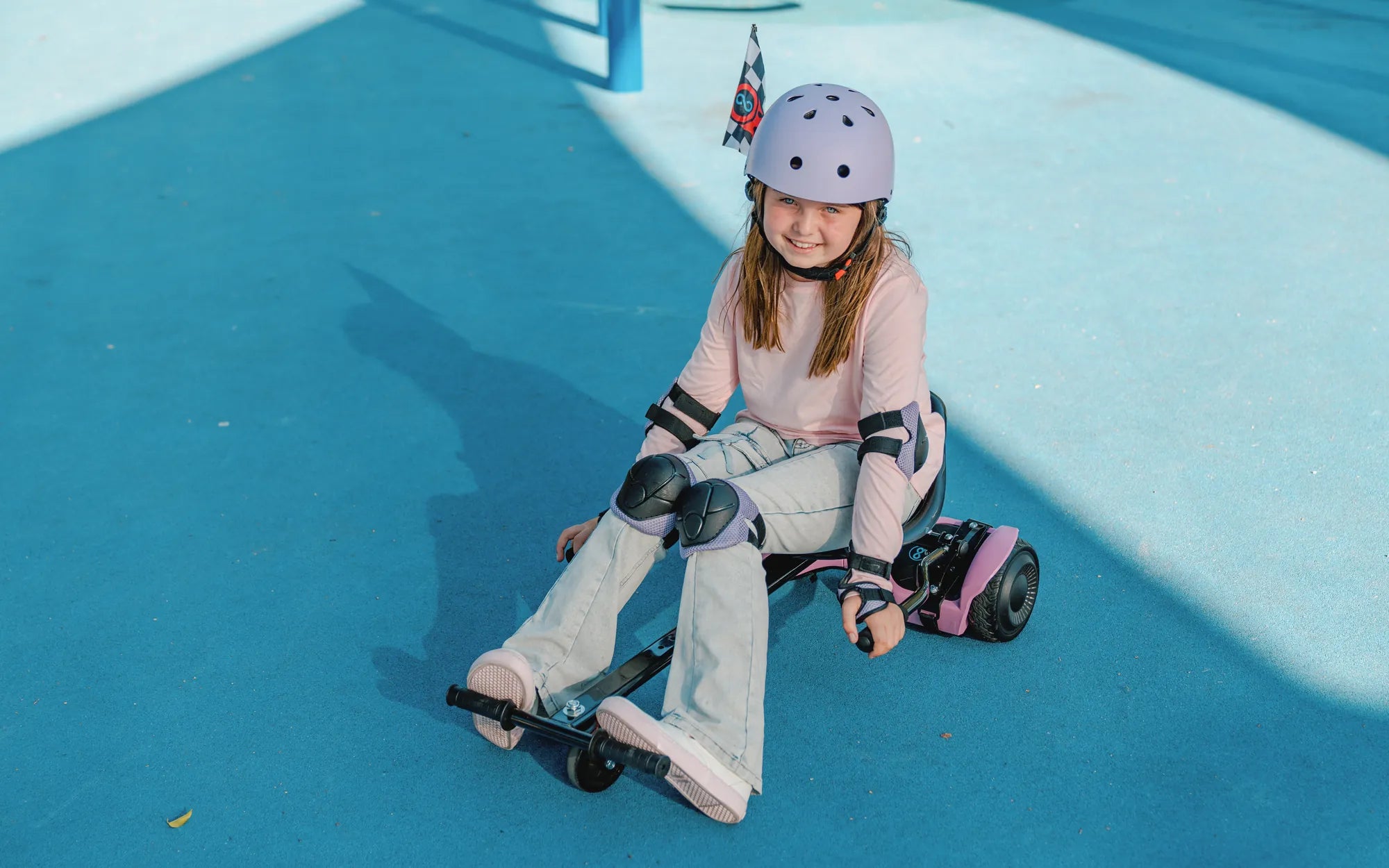
Introduction: Unleashing the Outdoors with an Outdoor Hoverboard
An outdoor hoverboard is a specialized electric personal transporter designed to conquer environments far beyond smooth indoor floors. Unlike basic models, these are engineered with robust motors, durable tires, and water-resistant construction to handle pavement, grass, dirt trails, and even light off-roading. This guide is your comprehensive resource for understanding, choosing, and safely mastering these vehicles for adventure. You'll learn what separates a true adventure-ready board from a toy, how to tackle various terrains, and the critical safety and maintenance protocols. For over 100,000 riders, brands like Gyroor have set the standard with UL-certified batteries and IPX5 water-resistant designs, proving that with the right equipment, the world truly becomes your playground.
What Makes a Hoverboard "Outdoor-Ready"? Key Features to Look For
Not all self-balancing scooters are created equal for outdoor use. An outdoor hoverboard is defined by specific engineering features that provide power, durability, and safety on unpredictable surfaces. These components work in tandem to transform a novelty ride into a legitimate vehicle for exploration.
The core difference lies in its ability to manage impact, traction, and moisture. Choosing a board without these features for outdoor use can lead to poor performance, quick breakdowns, and even safety hazards. Understanding these specifications is the first step to a thrilling and reliable adventure experience.
Tire Technology: Air-Filled vs. Solid Rubber
Tire choice is the most critical factor for ride quality and terrain capability. Solid rubber tires, common on indoor models, offer low maintenance but provide almost no shock absorption, making for a jarring ride on anything but perfect pavement.
True outdoor hoverboards utilize large, air-filled (pneumatic) tires, typically 10 inches or larger. These tires act as natural shock absorbers, smoothing out bumps, cracks, and uneven ground. The air cushion also provides superior grip and traction on loose surfaces like dirt, gravel, and wet grass.
For example, many Gyroor outdoor models feature 10.5-inch pneumatic tires with deep tread patterns. This combination ensures stability and control where it's needed most, directly translating to a safer and more comfortable ride across diverse landscapes.
Motor Power and Hill Climbing Ability
Outdoor terrain demands significant power. Look for a board with a strong dual-motor system, often expressed as total wattage (e.g., 700W, 800W). Higher wattage provides the torque needed to climb hills, accelerate on rough paths, and maintain speed with heavier riders.
A powerful motor system enables a board to tackle inclines up to a 30-degree slope, depending on the model. This hill-climbing ability is what unlocks true exploration, allowing you to navigate park landscapes, trail systems, and neighborhood hills with confidence.
Insufficient power will cause the board to strain, overheat, or simply stop on an incline. Therefore, investing in a board with a robust motor is non-negotiable for any meaningful outdoor adventure beyond flat, smooth surfaces.
IP Water Resistance Rating: Your Shield Against the Elements
The IP (Ingress Protection) rating is a standardized code that indicates a device's resistance to dust and water. For an outdoor hoverboard, this is your primary defense against puddles, wet grass, morning dew, and light rain.
An IPX5 water-resistant rating is the benchmark for outdoor readiness. This means the board's electronics are protected against water jets from any direction, making it capable of handling wet conditions you'll inevitably encounter. It's a critical feature that prevents short circuits and corrosion, ensuring long-term reliability.
Riding a non-water-resistant board outdoors risks immediate and catastrophic damage from minimal moisture. Always verify the IP rating; reputable brands like Gyroor clearly specify this protection, giving riders the freedom to explore without constant worry about the weather.
Battery Range and Terrain Impact
Advertised range is typically measured under ideal laboratory conditions. Real-world outdoor range is affected by terrain, rider weight, temperature, and incline. A board rated for 12 miles on pavement may only achieve 8 miles on hilly, grassy terrain due to the increased motor load.
Look for models with high-capacity, quality battery cells. More importantly, prioritize boards with UL-certified lithium-ion battery packs. This certification is the gold standard for safety, indicating the battery has passed rigorous testing for electrical, mechanical, and fire hazards. It ensures reliability over 500+ charge cycles and is a hallmark of trustworthy manufacturers.
For planning adventures, it's wise to consider the advertised range a maximum and plan a route that uses only 60-70% of that distance to ensure a safe return, especially when exploring new, challenging terrain.
Top Terrain Types Conquered by Outdoor Hoverboards
The right outdoor hoverboard redefines your landscape, transforming obstacles into opportunities for fun. Its capability spectrum is broad, allowing for varied types of adventures based on its core design features.
Understanding how your board performs on different surfaces enhances both safety and enjoyment. Each terrain type presents unique challenges that the board's tires, power, and stability are designed to meet.
Pavement & City Exploration
This is the most accessible terrain and where many riders start. Smooth asphalt, concrete bike paths, and boardwalks are ideal for cruising at higher speed settings. Pavement provides maximum efficiency, offering the longest possible range from the battery.
For city exploration, stability and responsive controls are key for navigating around pedestrians, crossing streets cautiously, and handling minor curbs or driveway transitions. The shock absorption from pneumatic tires makes even weathered pavement comfortable to ride.
This use case is perfect for short commutes, running errands in the neighborhood, or leisurely rides through urban parks. It showcases the hoverboard's utility as a fun, compact personal transport device.
Grass, Dirt Trails & Light Off-Roading
This is the core domain of the true outdoor hoverboard. Well-maintained grass fields, packed dirt trails, and hard-packed gravel paths are where the vehicle's off-road capabilities shine. The large, treaded pneumatic tires provide the necessary traction to prevent slipping and digging in.
The dual motors supply consistent power to push through slightly resistant surfaces. Riding on grass or dirt is noticeably slower and consumes more battery than pavement, but the experience of gliding across a field or through a wooded trail is unparalleled.
It's crucial to scout the trail first for major obstacles like large roots, rocks, or deep mud. This terrain offers a fantastic blend of adventure and accessibility, bringing a sense of exploration to local parks and trails.
Gravel, Sand & Beach Cruising
These loose surfaces represent the most challenging common terrain. Success depends heavily on tire tread design, rider skill, and surface compaction. Hard-packed sand or fine gravel is often manageable, while deep, soft sand or loose pebbles can be problematic.
Wider tires with an aggressive tread pattern help to "float" over the top of loose material rather than sink. Rider technique is also vital: maintaining a steady, moderate speed and avoiding sharp turns helps prevent loss of traction.
Beach cruising along the damp, firm sand near the water's edge is a iconic and thrilling outdoor hoverboard experience. Always ensure your board has a high IPX5 rating to protect against sand and salt spray, and thoroughly clean it after a beach ride to prevent corrosion.
Safety First: Essential Gear and Riding Practices for Outdoor Adventures
The excitement of outdoor riding comes with increased responsibility. Uneven terrain and higher potential speeds elevate the risk of falls. A comprehensive safety mindset is not a suggestion—it is the foundation of every enjoyable adventure.
This protocol combines protective equipment, pre-ride preparation, and smart riding techniques. Adhering to these practices minimizes risk and maximizes confidence, allowing you to focus on the thrill of the ride.
Mandatory Protective Gear
Never ride an outdoor hoverboard without a full set of protective gear. A multi-impact certified helmet is absolutely non-negotiable to protect against head injuries. Wrist guards are equally critical, as falls often involve instinctually putting hands out to brace.
Knee and elbow pads provide essential protection for joints during tumbles on abrasive surfaces like asphalt or gravel. Outdoor terrain is far less forgiving than indoor floors, making this gear your primary safety system.
Investing in high-quality, comfortable gear ensures you'll wear it every time. View it as part of the essential cost of owning an outdoor hoverboard, not an optional accessory.
Pre-Ride Checklist and Maintenance
A quick pre-ride inspection takes one minute but can prevent accidents and breakdowns. Check tire pressure for proper inflation (prevents rim damage and improves ride). Ensure the battery has adequate charge for your planned route.
Visually inspect the board for any cracks in the body, loose foot pads, or debris stuck in the wheel wells. Listen for any unusual sounds from the motors when powering on. This routine maintenance directly correlates with the board's longevity and safe operation.
This diligence is supported by a strong warranty. For instance, Gyroor's 1-year comprehensive warranty with US-based support provides peace of mind, but proper care is the first line of defense in keeping your adventure vehicle ready.
Smart Riding Techniques for Uneven Ground
Technique adapts to terrain. On uneven ground, bend your knees to act as secondary shock absorbers, improving stability and control. When approaching slopes, lean your body weight gradually in the direction of the climb or descent—never make sudden, jerky movements.
Always scout your path ahead for potential hazards like potholes, large rocks, or slippery surfaces. Reduce speed in unfamiliar or obviously challenging areas. On loose terrain like gravel, practice slow, wide turns to maintain traction.
Mastering these techniques transforms you from a passive rider into an active pilot, significantly enhancing both safety and your ability to tackle more exciting landscapes.
Gyroor Outdoor Hoverboards: Engineered for Adventure and Reliability
When the criteria for true outdoor performance are applied, specific brands stand out through dedicated engineering. Gyroor has built its reputation by designing personal transporters that meet and exceed the rigorous demands of outdoor riding, focusing on safety, power, and durability.
By integrating the essential features discussed—high-power motors, pneumatic tires, IPX5 resistance, and UL-certified batteries—into their design philosophy, they deliver products that are trustworthy for adventure. This focus on certified quality and robust construction defines the brand's approach.
Model Spotlight: Built for the Challenge
Examining a specific model, like the Gyroor H20, illustrates how theory translates to practice. This model features an 800W dual-motor system capable of tackling steep inclines. Its 10.5-inch pneumatic all-terrain tires provide stability on grass, dirt, and pavement.
Critically, it carries an IPX5 water-resistant rating, allowing rides in damp conditions. With a range of up to 12 miles and a weight capacity supporting most adult riders, it encapsulates the outdoor hoverboard ideal. Such a model is the direct result of targeting the needs of exploratory riders from the ground up.
The Importance of Certification and Support
The use of UL-certified battery packs is a major differentiator, addressing the foremost safety concern with electric mobility devices. This certification provides verified protection against overheating and electrical fire risks.
Coupling this with a 1-year warranty demonstrates a commitment to product longevity and customer confidence. It signals that the brand stands behind the durability of its components under real-world outdoor stress. This combination of verified safety and guaranteed support is what separates a serious adventure tool from a disposable gadget.
Outdoor Hoverboard Comparison: Key Specifications
The following table compares general specifications for typical outdoor hoverboards across different capability levels, highlighting how features align with intended use. Always check the specific model's official specs before purchase.
| Feature | Entry-Level Outdoor | Performance All-Terrain | Premium Adventure |
|---|---|---|---|
| Typical Motor Power | 500W - 600W Dual | 700W - 800W Dual | 800W+ Dual |
| Tire Type & Size | 8.5" - 10" Solid/Pneumatic | 10" Pneumatic All-Terrain | 10.5"+ Pneumatic, Heavy Tread |
| Max Hill Grade | 15-20 degrees | 25-30 degrees | 30+ degrees |
| Water Resistance | IPX4 (Splash Resistant) | IPX5 (Water Jet Resistant) | IPX5 or Higher |
| Battery Certification | Varies | UL-Certified | UL-Certified |
| Ideal Terrain | Pavement, Dry Grass | Trails, Grass, Gravel | All-Terrain, Beach, Rough Trails |
Frequently Asked Questions (FAQs) About Outdoor Hoverboards
Q: Can I really ride an outdoor hoverboard on wet surfaces or in the rain?
A: Boards with an IPX5 rating, like many Gyroor models, are designed to withstand water jets from any direction. This means you can safely ride through puddles, on wet grass, and in light rain. However, avoid submersion in water (e.g., deep puddles) and torrential downpours. Always dry the board after a wet ride.
Q: How much weight can a typical outdoor model carry?
A: Most quality outdoor hoverboards support riders between 44 lbs and 265 lbs. Always check the manufacturer's specified maximum load capacity. Exceeding this limit can damage the motors, reduce battery life, and compromise safety, especially on inclines.
Q: What's the learning curve like compared to an indoor hoverboard?
A> If you can ride an indoor model, you can ride an outdoor one. The core balancing mechanics are identical. The primary differences are adapting to the slightly higher ride height from larger tires and learning to trust the board's stability on rougher terrain. Most riders adapt within minutes.
Q: Are outdoor hoverboards legal to ride on public paths and parks?
A: Laws vary significantly by city, state, and country. They are often classified as "Personal Electric Mobility Devices." Common regulations include age restrictions (often 16+), prohibitions on riding on roads with speed limits above a certain threshold, and requirements to yield to pedestrians. Always check your local ordinances before riding in public spaces.
Q: How do I maintain my outdoor hoverboard for maximum lifespan?
A> Key maintenance includes: keeping tires properly inflated, cleaning dirt and debris from the wheel wells and underside after off-road rides, storing in a cool, dry place, avoiding complete battery discharge, and not overcharging. Following the manufacturer's guidelines and leveraging their warranty support for any issues is crucial.
Conclusion: Your Gateway to Exploration Awaits
An outdoor hoverboard represents more than a toy; it's a key to a new perspective on your surroundings. It transforms mundane commutes into joyful glides and opens up local parks and trails for fresh exploration. The thrill of seamlessly navigating from pavement to grass to a dirt path is a unique form of freedom.
This freedom, however, is built on a foundation of informed choice. Prioritizing a board with proven features—sufficient motor power, air-filled tires, proper water resistance, and certified battery safety—is what separates a fleeting novelty from a durable adventure companion. Brands that stand behind their products with strong warranties demonstrate the confidence born from this quality engineering.
The path to thrilling adventures is clear. Equip yourself with knowledge, prioritize safety, and choose a vehicle built for the challenge. Your next adventure is waiting just outside your door. Browse the full Gyroor collection at gyroorboard.com to find the outdoor hoverboard engineered for your journey.
How Long Should a Hoverboard Charge: The Ultimate Guide to Battery Life
What Is the Best Hoverboard to Buy – A Complete 2024 Buyer’s Guide