


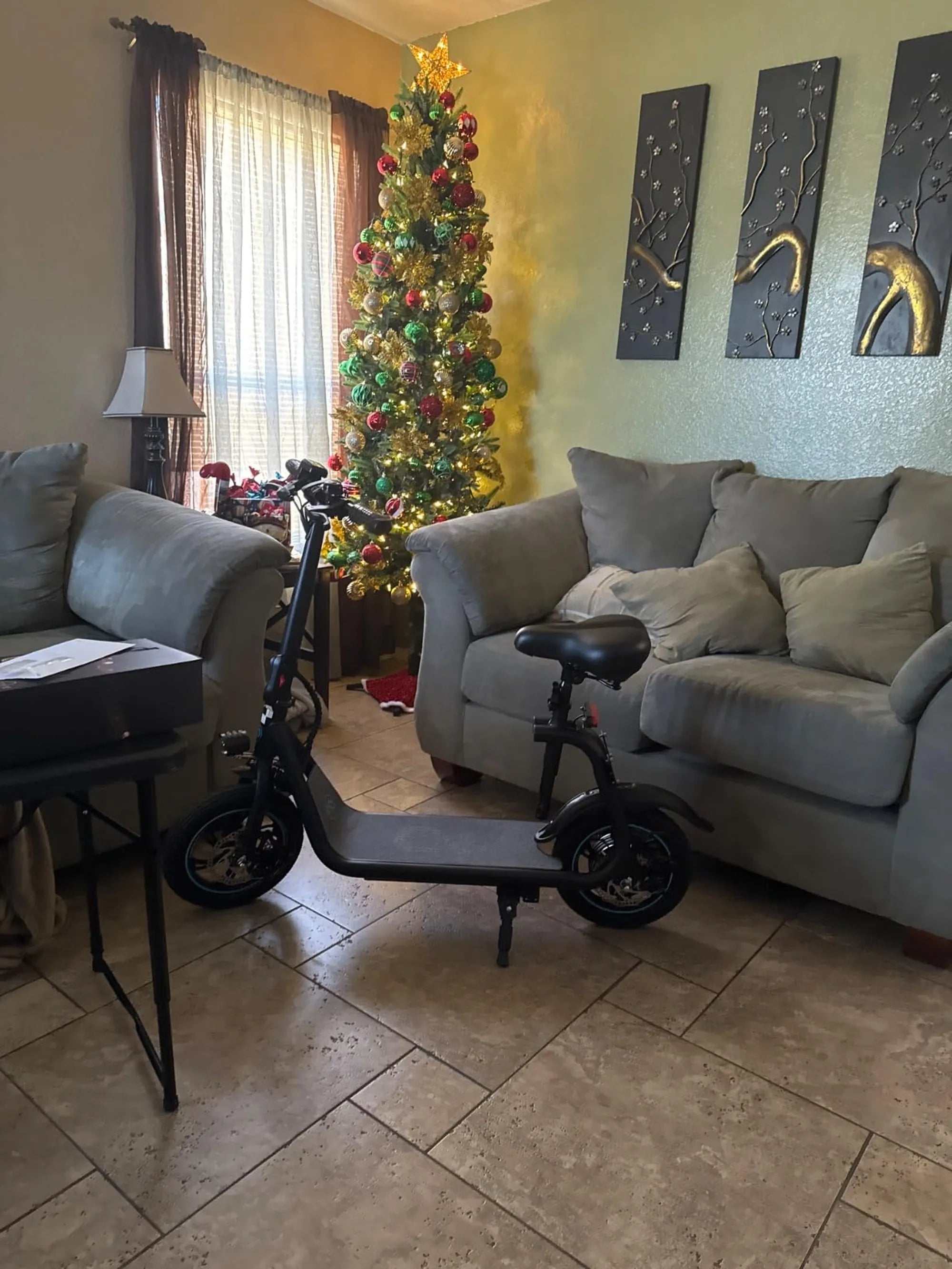
Electric scooters have revolutionized urban mobility, offering a convenient and eco-friendly way to navigate crowded streets. But what happens when the rider is overweight? An overweight electric scooter isn’t just about the rider’s weight—it’s about ensuring the scooter can handle the extra load safely and efficiently. In this guide, we’ll explore the key factors to consider, from weight limits to battery life, so you can ride with confidence.
Understanding Weight Limits for Electric Scooters
Most electric scooters come with a manufacturer-specified weight limit, typically ranging from 220 to 330 pounds. Exceeding this limit can strain the motor, reduce battery life, and even compromise safety. For overweight riders, it’s crucial to choose a scooter designed for higher weight capacities. Look for models with reinforced frames, powerful motors, and durable tires to ensure stability and longevity.
How Weight Affects Performance
An overweight electric scooter rider may notice several performance differences compared to lighter riders. Acceleration might be slower, top speed could decrease, and battery drain may occur faster. These issues arise because the motor has to work harder to propel the additional weight. To mitigate these effects, opt for scooters with higher wattage motors (preferably 500W or more) and larger battery capacities.
Safety Considerations for Heavier Riders
Safety should always be a top priority. Overweight riders must pay extra attention to:
- Braking systems: Disc brakes are more effective than drum or mechanical brakes for heavier loads.
- Tire durability: Pneumatic (air-filled) tires provide better shock absorption but require more maintenance. Solid tires are puncture-proof but offer a rougher ride.
- Suspension: A robust suspension system can improve comfort and control, especially on uneven terrain.
Choosing the Right Scooter for Overweight Riders
When shopping for an electric scooter, prioritize these features:
- High weight capacity: Aim for scooters rated for at least 300 pounds.
- Powerful motor: A 500W or higher motor ensures better performance under load.
- Long battery life: Look for scooters with extended range to compensate for increased energy consumption.
- Sturdy build: Aluminum or steel frames offer better durability than plastic.
Maintenance Tips for Overweight Electric Scooters
Regular maintenance is essential to keep your scooter running smoothly. Check tire pressure frequently, inspect brakes for wear, and ensure the battery is charged properly. Heavier riders may need to replace tires and brake pads more often due to increased wear and tear.
The Future of Electric Scooters for Heavy Riders
As demand grows, manufacturers are developing more robust scooters tailored to overweight riders. Innovations like dual motors, reinforced frames, and advanced suspension systems are making electric scooters accessible to a broader audience. The future looks bright for riders of all sizes.
Riding an overweight electric scooter doesn’t have to be a challenge. With the right knowledge and equipment, you can enjoy a smooth, safe, and efficient ride every time. Whether you’re commuting or exploring, these tips will help you make the most of your electric scooter experience.
Dual Two 2 Wheels Self Balancing Smart Electric Mini Scooter: The Future of Urban Mobility
Electric Scooter Side Stand: The Unsung Hero of Stability and Safety