

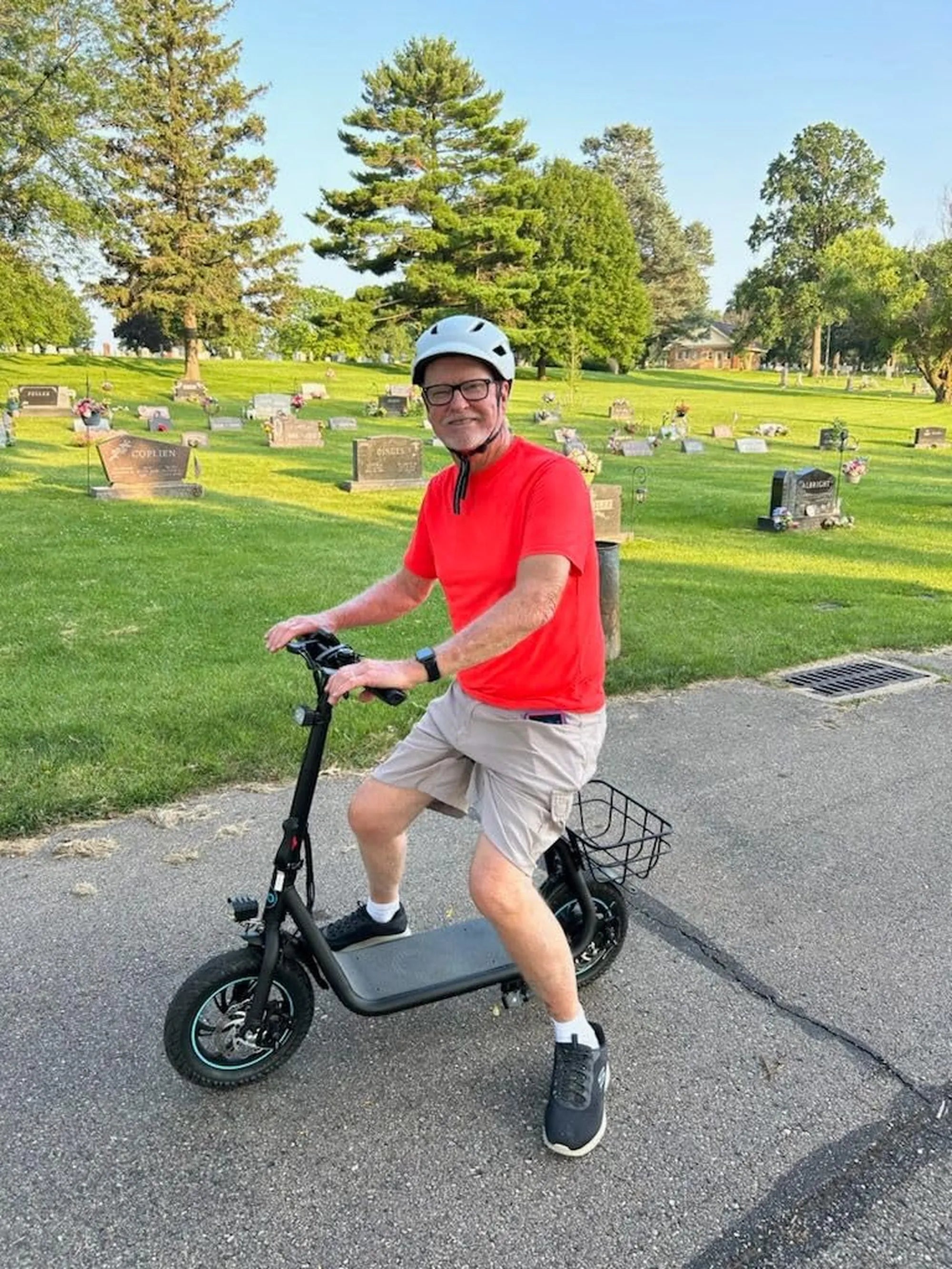
Imagine gliding through city streets with ease, feeling the wind in your hair while effortlessly covering long distances. A pedal assist electric bike makes this dream a reality, blending the best of traditional cycling with cutting-edge technology. Whether you're a daily commuter, a fitness enthusiast, or someone looking to reduce their carbon footprint, these bikes are transforming the way we move.
What Is a Pedal Assist Electric Bike?
A pedal assist electric bike, often referred to as an e-bike, is a bicycle equipped with an electric motor that provides additional power as you pedal. Unlike throttle-based e-bikes, which rely solely on motor power, pedal assist models require rider input, making them feel more like traditional cycling while offering a helpful boost. This seamless integration of human and electric power makes them ideal for tackling hills, long commutes, or simply reducing fatigue.
How Does Pedal Assist Work?
The magic of pedal assist lies in its sensors. Most modern e-bikes use either torque sensors or cadence sensors to detect your pedaling effort. Torque sensors measure how hard you're pushing the pedals and adjust the motor's output proportionally, offering a natural riding feel. Cadence sensors, on the other hand, activate the motor as soon as you start pedaling, providing a consistent level of assistance. Many bikes allow you to adjust the assistance level, letting you choose how much help you want from the motor.
Benefits of Pedal Assist Electric Bikes
Pedal assist e-bikes offer numerous advantages over traditional bicycles and other forms of transportation:
- Eco-Friendly: They produce zero emissions, making them a green alternative to cars and public transport.
- Cost-Effective: With no fuel costs and minimal maintenance, e-bikes save money in the long run.
- Health Benefits: While the motor provides assistance, riders still get a workout, improving cardiovascular health and stamina.
- Accessibility: They make cycling accessible to people of all fitness levels, including those recovering from injuries or with limited mobility.
- Speed and Efficiency: E-bikes allow you to cover longer distances faster, making them perfect for urban commuting.
Choosing the Right Pedal Assist Electric Bike
Selecting the perfect e-bike depends on your needs and preferences. Consider the following factors:
- Battery Life: Look for a bike with a battery that suits your daily mileage. Most modern e-bikes offer ranges between 20-80 miles per charge.
- Motor Power: Motors typically range from 250W to 750W. Higher wattage provides more assistance but may be regulated in some areas.
- Frame Design: Choose between step-through, mountain, or hybrid frames based on your riding style.
- Weight and Portability: If you need to carry your bike upstairs or on public transport, lighter models are preferable.
Maintenance Tips for Your E-Bike
To keep your pedal assist electric bike running smoothly, follow these maintenance tips:
- Regularly check tire pressure and brake performance.
- Keep the battery charged between 20-80% to prolong its lifespan.
- Clean the bike after rides, especially in wet or muddy conditions.
- Schedule annual professional servicing to ensure all components are in top condition.
The Future of Pedal Assist Electric Bikes
As cities become more congested and environmental concerns grow, pedal assist e-bikes are poised to play a pivotal role in urban mobility. Advances in battery technology, lighter materials, and smart connectivity features are making them even more appealing. Governments worldwide are also investing in cycling infrastructure, further boosting their popularity.
Ready to join the e-bike revolution? A pedal assist electric bike isn't just a mode of transportation—it's a lifestyle upgrade. Whether you're looking to save time, money, or the planet, these innovative bikes deliver on all fronts. The road ahead has never looked smoother.
Electric Bike for 5 Year Old: A Safe and Fun Way to Ride
Best Motorized Scooter for 7 Year Old: A Parent's Guide to Safe and Fun Rides