



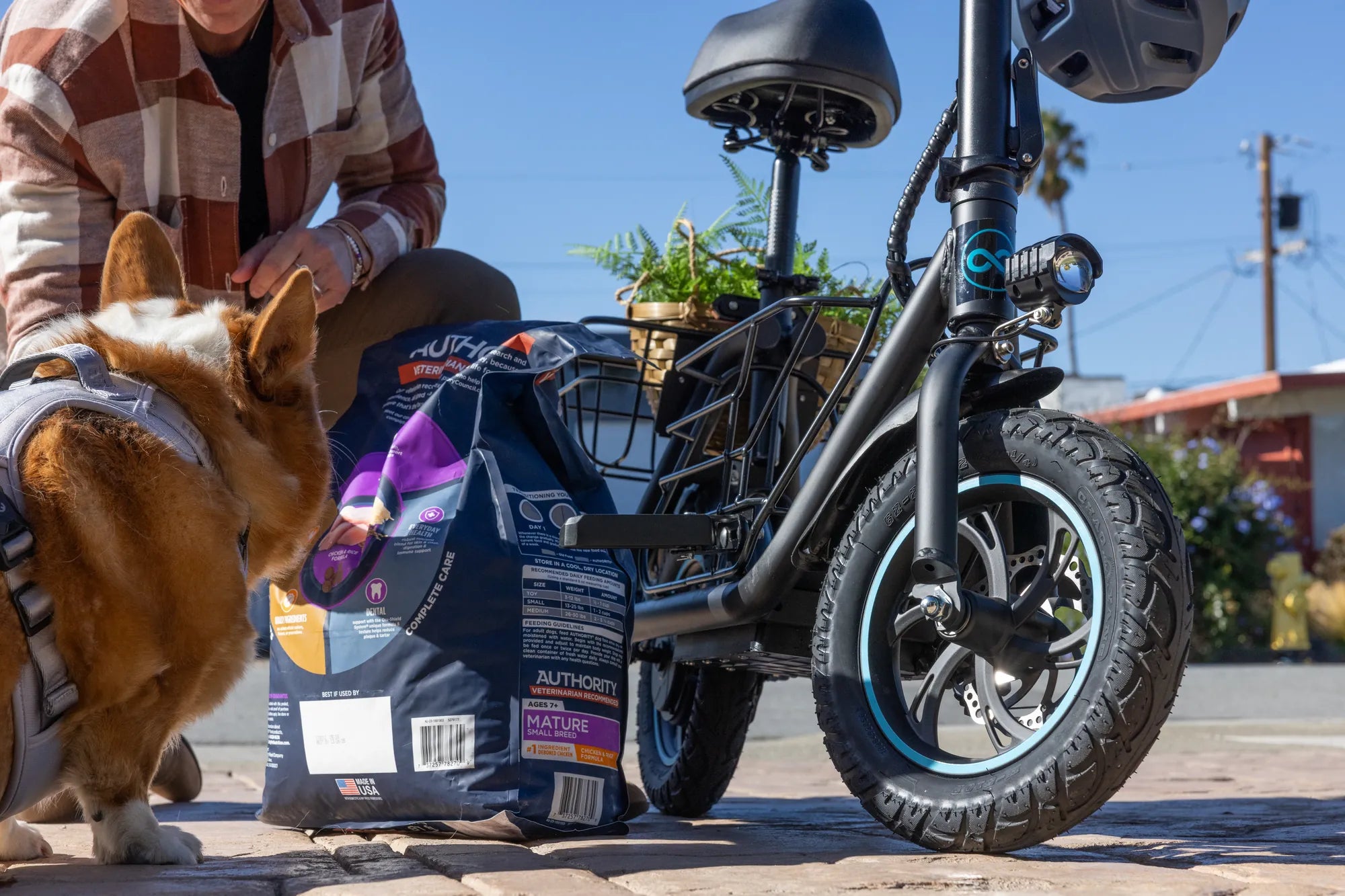
Forget traffic jams and crowded parking lots. The portable foldable scooter has emerged as a legitimate solution for urban mobility, blending compact engineering with electric power. This guide will dissect what makes a great model, from its folding hinge to its battery management system. You'll learn to identify critical features that separate a durable daily driver from a disposable gadget, understand the real-world applications that make it indispensable, and discover how to choose a scooter that offers safety, reliability, and long-term value.
Understanding Portable Foldable Scooters
A portable foldable scooter is a compact, electric-powered personal transporter designed for easy storage and multi-modal travel. Its core function is to provide efficient, space-saving transportation for the 'first and last mile' of a journey. The evolution from simple kick scooters to today's advanced models represents a significant leap in battery technology, motor efficiency, and material science.
Modern portable foldable scooters integrate a lithium-ion battery pack, an electric motor (often in the hub of a wheel), and a control system into a frame that collapses in seconds. This transformation addresses the primary pain points of urban living: congestion, cost, and convenience. The best models are not just toys but serious transportation tools engineered for daily use.
The market has matured from basic, low-range models to sophisticated vehicles with suspensions, digital displays, and app connectivity. This progression mirrors the growing demand for sustainable, personal micro-mobility options. A high-quality portable foldable scooter can seamlessly integrate with public transit, fitting under a desk or in a car trunk, thereby extending a rider's effective range without the hassles of traditional vehicles.
Choosing the right one requires looking beyond the basic 'folds and goes' premise. Key differentiators lie in the quality of the folding mechanism, the safety and longevity of the battery, the robustness of the frame, and the manufacturer's commitment to support. These factors directly impact safety, performance, and total cost of ownership.
Key Features to Look for in a Top-Tier Model
Selecting a portable foldable scooter requires evaluating a suite of specifications that collectively determine its utility and lifespan. Performance is more than top speed; it's about reliable acceleration, safe braking, and consistent range. Durability isn't just about a sturdy feel; it's proven through water resistance ratings and warranty terms.
Ignoring these details can lead to premature failure, safety hazards, or a disappointing riding experience. A top-tier model balances portability with performance, ensuring it remains a reliable asset rather than a temporary novelty. The following sections break down the non-negotiable features that define quality in this category.
Portability & Folding Mechanism
The folding mechanism is the heart of a portable foldable scooter's design. Common systems include triple-folding (stem, handlebars, and sometimes footrest), one-step latch releases, and lever-based clamps. The ideal mechanism is fast, intuitive, and secure, with no wobble in the stem when locked in the riding position.
Folded dimensions and weight are critical portability metrics. A scooter that folds into a compact rectangle, ideally with self-locking mechanisms to keep it folded, is easier to carry onto a bus or store in a tight space. Weight is a major factor; models under 30 lbs are manageable for most adults to carry short distances, such as up a flight of stairs.
Engineering quality is evident in the latch or clasp design. High-grade steel latches with positive engagement feedback are essential for safety. Cheaper plastic mechanisms can wear out or fail, posing a significant risk. The fold should also protect critical components like the brake lines and display from pinching or damage during the process.
Finally, the speed of the fold matters for real-world use. A commuter needing to catch a train requires a mechanism that can be deployed or stowed in under 10 seconds. The best systems achieve this without requiring tools or excessive force, making the scooter genuinely practical for daily multi-modal travel.
Performance & Range
Performance is defined by motor power, typically measured in watts (W), and battery capacity, measured in watt-hours (Wh) or amp-hours (Ah). A 350W motor is sufficient for flat city streets and moderate inclines, while 500W or higher provides better acceleration and hill-climbing ability. Real-world speed is often capped between 15-20 mph for safety and regulatory reasons.
The battery is the most critical component. Its capacity directly determines range. Manufacturers often list a 'maximum' range under ideal conditions (light rider, flat ground, slow speed). A more practical expectation is 60-70% of that figure. For example, a scooter rated for 25 miles might reliably deliver 16-18 miles for an average commuter.
Beyond capacity, battery safety and chemistry are paramount. Lithium-ion cells should be housed in a robust pack with a proper Battery Management System (BMS) to prevent overcharging, deep discharge, and overheating. This is where certification matters immensely. A UL-certified battery pack has undergone rigorous independent testing for safety and reliability, often rated for 500+ charge cycles while maintaining performance.
Range anxiety is common, so consider your daily distance. For a 5-mile round-trip commute, even a scooter with a 15-mile real-world range leaves a comfortable buffer. Charging time is another factor; most quality scooters charge fully in 4-6 hours. Some models offer swappable battery options for extended travel.
Durability & Build Quality
Durability starts with the frame. Aerospace-grade aluminum alloy is the industry standard for top models, offering an excellent strength-to-weight ratio. The welding at joints should be clean and consistent. The stem, which bears significant dynamic load, must have no play and be reinforced at the folding point.
Tire choice impacts ride quality and maintenance. Pneumatic (air-filled) tires offer better shock absorption and traction but risk punctures. Solid (airless) tires eliminate flats but provide a harsher ride. Some premium models use honeycomb-style solid tires or pair solid tires with a suspension system to improve comfort.
Suspension, whether in the front wheel, rear wheel, or both, dramatically improves ride comfort on uneven pavement, cobblestones, or brick paths. It also reduces stress on the frame and components. For a portable foldable scooter meant for daily urban use, a basic spring or hydraulic suspension is a valuable feature.
Water resistance is crucial for an all-weather commuter. An IP rating indicates protection against solids and liquids. An IPX5 rating, for example, means the scooter can withstand water jets from any direction. This protects the electrical components from rain, puddles, and street spray, greatly enhancing the scooter's versatility and longevity. A scooter without a clear IP rating should be considered for fair-weather use only.
The Gyroor Advantage: Engineering for the Real World
Gyroor's approach to the portable foldable scooter market is defined by a commitment to safety, durability, and rider-centric design. With over 100,000 riders across North America and Europe, the brand's philosophy centers on building vehicles that perform reliably in daily use, not just in controlled tests. This translates into specific engineering choices that address common pain points.
Every Gyroor scooter is built around a rigid, lightweight aluminum frame with a focus on secure folding mechanisms. The goal is a rock-solid feel when riding, with no stem flex, coupled with a quick and reliable fold. This balance is achieved through robust latch systems and precision machining, ensuring the scooter is both a stable ride and a truly portable object.
Performance specifications are designed for practical urban environments. Motors provide ample torque for city hills, and battery systems are sized to deliver reliable real-world range, factoring in stops, starts, and variable terrain. The integration of features like LED lighting, digital displays, and multiple braking modes (electronic and disc or drum) is executed with an emphasis on intuitive use and safety.
Perhaps most importantly, Gyroor views the scooter as a long-term investment. This perspective is reflected in the build quality, the component selection, and the post-purchase support offered. It’s an advantage that becomes clear when comparing the total ownership experience against cheaper, specification-focused alternatives.
Safety as a Standard: The UL-Certification Promise
In an industry where battery fires are a noted concern, Gyroor makes safety non-negotiable. Every Gyroor portable foldable scooter uses a UL-certified battery pack. This certification from Underwriters Laboratories is an independent verification that the battery cells, BMS, and enclosure have passed stringent tests for electrical, mechanical, and environmental safety.
A UL-certified battery is designed to prevent catastrophic failures. Its BMS carefully manages cell voltage and temperature, preventing overcharging—a common cause of lithium-ion battery issues. The cells themselves are sourced from reputable manufacturers and assembled into packs that can withstand the vibrations and impacts of daily riding.
This certification is more than a marketing bullet point; it's a core component of risk mitigation. It provides peace of mind that the most energy-dense and potentially hazardous part of the scooter has been engineered and tested to the highest consumer safety standards. For a rider storing their scooter in a home or office, this is an invaluable feature.
Gyroor's commitment extends to the electrical system overall, with protected wiring, sealed connectors, and robust controllers that manage power delivery smoothly. This holistic approach to electrical safety ensures that the scooter remains reliable and safe throughout its lifespan, which is typically rated for 500+ charge cycles on the battery.
Built to Last: Warranty and Water-Resistance
Durability is proven through testing and backed by warranty. Gyroor supports its products with a comprehensive 1-year warranty, covering defects in materials and workmanship. This warranty is backed by US-based customer support, simplifying the process for riders in North America should a rare issue arise. This stand behind their product demonstrates confidence in its construction.
The IPX5 water-resistant rating is a key feature for practical durability. This engineering standard means the scooter's critical components are protected against low-pressure water jets from any direction. In practice, this allows a rider to confidently commute in light to moderate rain, ride through urban puddles, or wash the scooter without fear of water damage to the motor, battery, or electronics.
This level of protection involves careful design: sealed deck enclosures, gasketed display units, and waterproofed wire connectors. It prevents corrosion and electrical shorts, which are leading causes of failure in lesser models. An IPX5-rated portable foldable scooter transitions from a fair-weather option to a true all-weather transportation tool.
Combined with the sturdy frame and quality components, the warranty and water resistance ensure a lower total cost of ownership. Riders avoid the frequent repairs and premature replacements associated with poorly built scooters, making a brand like Gyroor a smarter long-term investment for serious commuters.
Practical Applications: Who Needs a Portable Foldable Scooter?
The versatility of a well-made portable foldable scooter opens it up to a wide range of users, each with distinct needs. It solves specific transportation gaps, offering a unique blend of efficiency, convenience, and fun. Understanding these use cases helps in selecting a model with the right feature set, whether priority is given to ultra-portability, maximum range, or all-weather capability.
For some, it's a primary commuting vehicle. For others, it's a supplement to a car or public transit. Students, professionals, urban explorers, and even residents of large complexes like airports or corporate campuses can benefit from the mobility and freedom it provides. The following segments illustrate the most common and impactful applications.
The Urban Commuter
The urban commuter represents the core demographic. For them, a portable foldable scooter is the ultimate 'last-mile' solution. It bridges the gap between a home or office and public transit hubs like subway stations or bus stops. This combination can cut a multi-modal commute time significantly, avoiding traffic snarls and the hunt for parking.
Key needs for the commuter include reliability for daily use, a range that exceeds their one-way distance with a safety margin, and a quick, clean folding mechanism for carrying on transit. Weather resistance is also critical, as commutes happen rain or shine. Features like bright headlights and taillights are essential for visibility in early morning or evening travel.
Beyond time savings, the cost benefit is substantial. Compared to ride-sharing, parking fees, or fuel costs, the scooter's electricity cost is negligible. It also offers a consistent, predictable travel time unaffected by traffic congestion. For commutes under 10 miles, it can often be faster than a car in dense city centers.
The ideal commuter scooter has a robust build to handle daily pavement imperfections, a comfortable ride (often aided by suspension), and enough power to maintain speed on slight inclines. Portability weight is balanced against these performance needs, with models around 30-35 lbs being a common sweet spot.
The Student & Campus Navigator
University campuses are ideal environments for portable foldable scooters. They cover large areas with sprawling pathways, and parking for cars is often expensive and limited. A scooter allows a student to zip from a dorm to a lecture hall, the library, and the dining commons with ease, often faster than walking or waiting for a campus shuttle.
For students, ultra-portability and ease of storage are paramount. The scooter must be light enough to carry up stairs and compact enough to store under a lecture hall seat or in a dorm room corner without being an obstacle. A simple, tool-free folding mechanism is a must for frequent transitions between riding and carrying.
Durability is also key, as campus life can be tough on equipment. The scooter needs to handle curbs, uneven pathways, and occasional rough handling. A moderate range is usually sufficient for campus travel, but a battery that holds a charge for a few days between charging is convenient. The fun factor shouldn't be underestimated—it's an enjoyable way to navigate campus life.
Safety features like reliable braking and good lighting are important for navigating crowded campus paths at night. For this user, a balance of affordability (as an initial investment) and durability (to last through college years) is the primary purchasing decision driver.
The Adventure & Leisure Seeker
Not all riding is utilitarian. The portable foldable scooter has become a popular tool for recreation and exploration. Leisure riders use them to explore parks, beach boardwalks, urban greenways, and scenic trails. The electric assist makes longer explorations possible without excessive exertion, opening up new areas for adventure.
For this user, ride comfort and range may take priority over ultra-compact folding. Suspension and larger, pneumatic tires can make a multi-hour ride on varied surfaces much more enjoyable. A longer-range battery allows for extended exploration without worrying about the return trip. The ability to handle gentle off-road paths like packed gravel or dirt is a plus.
The portability factor remains relevant for this group, as it allows the scooter to be easily transported in a car trunk to a trailhead or vacation destination. The fun and freedom of gliding silently through a park or along a waterfront provide a unique recreational experience, combining outdoor activity with the thrill of personal mobility.
Features like a comfortable deck for standing, intuitive controls, and a smooth power delivery enhance the enjoyment. For families, it can be a shared activity. This application highlights the scooter's role beyond pure transportation, serving as a platform for enjoyment and discovery.
Making the Right Choice: A Quick Comparison Guide
Choosing between models can be overwhelming. This comparison guide simplifies the decision by highlighting key differentiators across three categories: Budget, Mid-Range, and Premium (exemplified by Gyroor's standards). The table focuses on the factors that most impact safety, durability, and real-world satisfaction.
| Feature | Typical Budget Scooter | Common Mid-Range Model | Gyroor Standard / Premium |
|---|---|---|---|
| Battery Certification | Uncertified or unknown | May claim certifications | UL-Certified pack (tested 500+ cycles) |
| Warranty & Support | 90 days or less; offshore support | 6-12 months; mixed support | 1-Year Comprehensive; US-based support |
| Water Resistance | None specified (IPX0) | IPX4 (splash-resistant) | IPX5 (water jet resistant) |
| Frame & Build | Basic aluminum; potential for stem wobble | Good aluminum; secure fold | Aerospace-grade aluminum; robust, wobble-free latch |
| Motor Power (Typical) | 250W | 350W | 350W - 500W+ |
| Real-World Range | 8-10 miles | 12-18 miles | 15-25+ miles |
| Primary Advantage | Low upfront cost | Better features for price | Safety, durability, long-term value |
As the table illustrates, the premium category invests in verified safety (UL), robust weatherproofing (IPX5), and strong post-purchase support. While the initial investment is higher, the reduced risk of failure, longer product lifespan, and safer operation provide greater value over time, especially for daily riders.
Frequently Asked Questions (FAQ)
Q: How long does it take to fully charge a portable foldable scooter?
A: Charging time depends on battery capacity. Most quality scooters with batteries in the 10-15Ah range take between 4 to 6 hours for a full charge from empty. Using the manufacturer-provided charger is crucial to avoid damaging the battery management system.
Q: Can I ride a foldable scooter in the rain?
A> It depends entirely on the scooter's IP rating. A model with an IPX5 rating, like those from Gyroor, is designed to withstand rain and street spray. Scooters with no rating or a lower rating (like IPX4) should not be ridden in wet conditions, as water can damage electronics and create safety hazards.
Q: Is it difficult to carry when folded?
A> Carrying ease depends on weight and design. Most quality portable foldable scooters weigh between 26-35 lbs. Many feature a folded design that allows them to be rolled on one wheel like suitcase luggage or have a carry handle. For short distances (across a lobby, onto a train), they are manageable for most adults.
Q: What is the average lifespan of an electric scooter?
A> Lifespan is measured in mileage and charge cycles. A well-built scooter with a quality battery can last 2,000-3,000 miles or more. The battery is often the first component to degrade. A UL-certified battery rated for 500+ full charge cycles can typically provide 2-3 years of daily use before a noticeable reduction in range.
Q: How do I maintain my foldable scooter for longevity?
A> Regular maintenance is simple but vital. Keep tires properly inflated (if pneumatic). Check and tighten bolts (especially around the folding mechanism and stem) periodically. Keep the scooter clean, and avoid storing it in extreme heat or cold. Avoid draining the battery to 0%; try to recharge when it hits 20-30%. Have the brakes inspected if they become less responsive.
Conclusion: Redefining Personal Mobility
The portable foldable scooter has evolved from a novelty into a sophisticated tool for modern life. It solves real problems—congestion, cost, and the first/last-mile challenge—with elegant engineering. The key to a positive experience lies in choosing a model built with safety and durability as core principles, not afterthoughts.
Prioritizing features like UL-certified batteries, IPX5 water resistance, and a robust warranty from a reputable brand ensures your investment is protected. Whether you're a daily commuter, a campus student, or a weekend explorer, the right scooter offers unparalleled freedom and efficiency. It represents a shift towards smarter, more sustainable personal transportation.
Ready to experience the difference that engineering-focused design and certified safety make? Explore the full range of reliable, high-performance models designed for real-world use. Browse the full Gyroor collection at gyroorboard.com and find the perfect portable foldable scooter to transform your daily travel.
Trike Tires: The Ultimate Guide to Stability, Safety, and Performance
52v 25ah ebike battery: The Ultimate Power and Range Solution