

When it comes to eco-friendly urban transportation, the debate between power-assisted bicycles and e-scooters is heating up. Both offer a convenient, cost-effective, and sustainable way to navigate city streets, but which one is right for you? Let’s dive into the details to help you make an informed decision.
What Is a Power-Assisted Bicycle?
A power-assisted bicycle, often referred to as an e-bike, combines traditional pedaling with an electric motor to provide a boost. Unlike a full electric bike, it requires some pedaling effort, making it a hybrid between manual and motorized cycling. The motor typically assists up to a certain speed, usually around 20-28 mph, depending on local regulations.
What Is an E-Scooter?
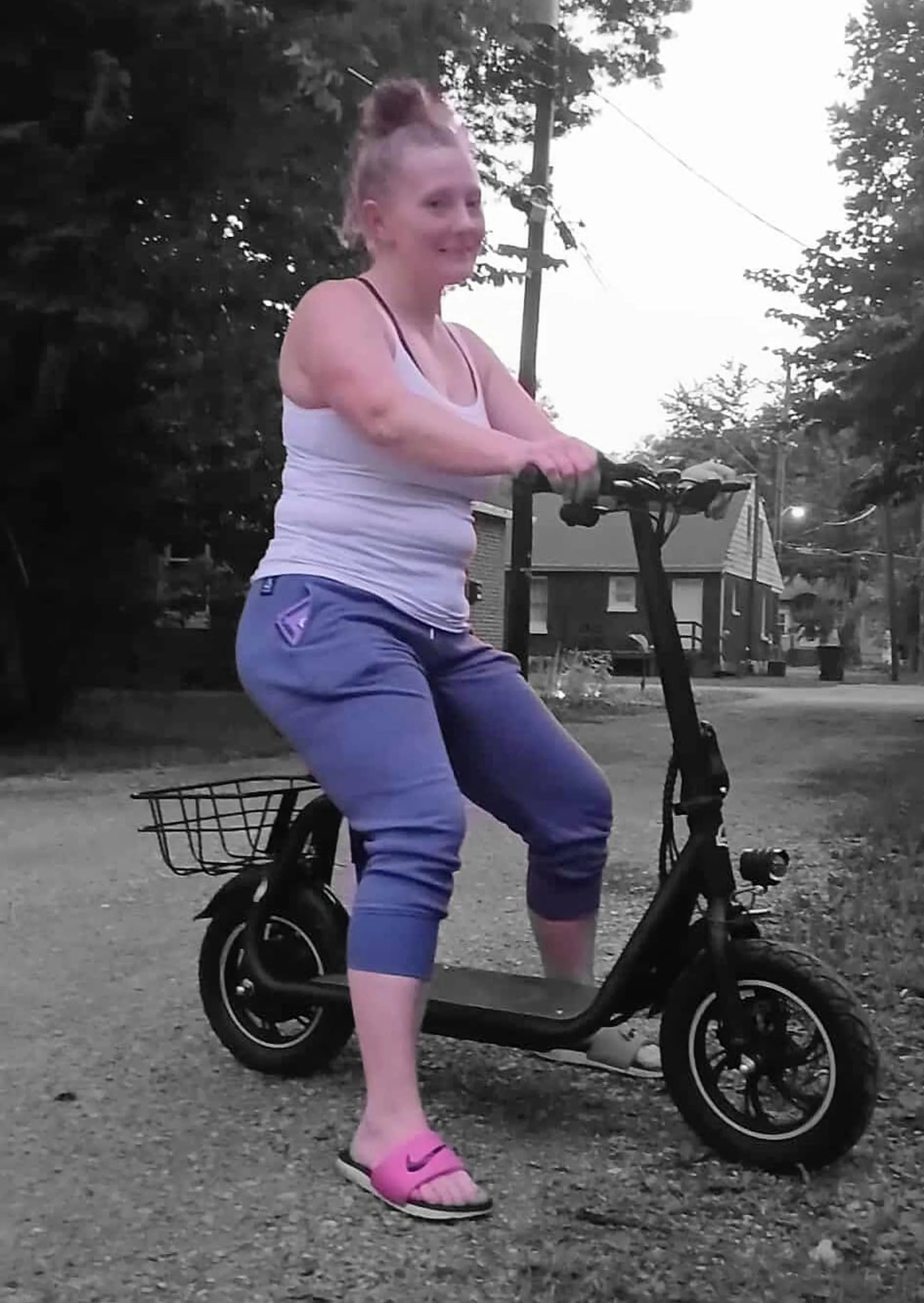
An e-scooter is a compact, electric-powered vehicle with a standing platform, handlebars, and small wheels. It’s designed for short-distance travel and is often used for commuting or last-mile transportation. E-scooters are throttle-operated, meaning you don’t need to pedal—just hop on and go.
Key Differences Between Power-Assisted Bicycles and E-Scooters
1. Riding Experience
Power-assisted bicycles offer a more traditional cycling experience with the added benefit of motor assistance. You still get exercise while enjoying a smoother ride, especially on hills. E-scooters, on the other hand, provide a hands-free, standing ride, which can be less tiring but may feel less stable for some users.
2. Speed and Range
E-bikes generally have a higher top speed and longer range compared to e-scooters. While e-scooters are great for short trips, e-bikes can handle longer commutes and varied terrains more efficiently.
3. Portability
E-scooters win in terms of portability. They are lightweight, foldable, and easy to carry or store in tight spaces. E-bikes, while more robust, are bulkier and harder to transport without a rack or storage space.
4. Cost and Maintenance
E-scooters are usually cheaper upfront but may require more frequent maintenance due to their smaller wheels and exposed components. E-bikes, though pricier, are built for durability and often come with longer-lasting batteries and frames.
5. Legal Regulations
Laws vary by location, but e-scooters often face stricter regulations, including speed limits and restricted riding areas. E-bikes are more widely accepted on bike lanes and roads, making them a more versatile option in many cities.
Pros and Cons of Power-Assisted Bicycles
Pros
- Provides exercise while reducing effort
- Longer range and higher speed
- Better for varied terrains and longer commutes
- More stable and comfortable for extended rides
Cons
- Higher initial cost
- Bulkier and harder to store
- Requires some pedaling effort
Pros and Cons of E-Scooters
Pros
- Lightweight and portable
- No pedaling required
- Affordable and easy to use
- Ideal for short trips and last-mile travel
Cons
- Shorter range and lower speed
- Less stable on rough terrain
- More frequent maintenance needs
- Stricter legal restrictions in some areas
Which One Should You Choose?
The choice between a power-assisted bicycle and an e-scooter depends on your needs. If you prioritize exercise, longer commutes, and versatility, an e-bike is the way to go. For quick, short trips and easy portability, an e-scooter might be the better fit.
Ready to revolutionize your commute? Whether you opt for the pedal-assisted ease of an e-bike or the zippy convenience of an e-scooter, both options offer a greener, smarter way to get around town. The best ride is the one that fits your lifestyle—so choose wisely and enjoy the journey!
What Is the Best Electric Bike Company? Top Picks and Buying Guide
Electric Scooter for Adults Max Weight: What You Need to Know Before Buying