



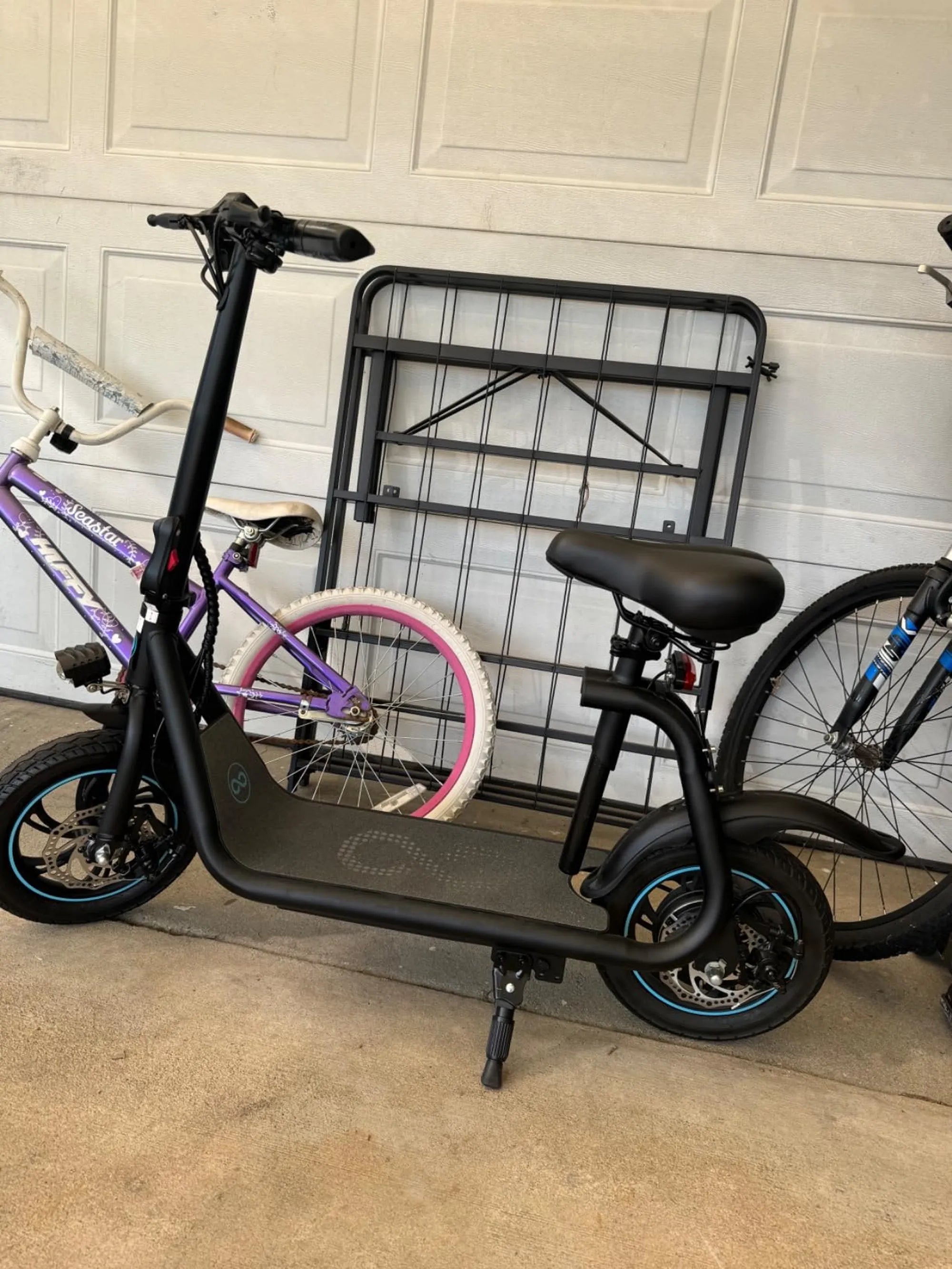
Traffic gridlock wastes hours and fuels urban frustration daily. The solution isn't wider roads or more cars; it's personal, electric, and fast. High-speed electric scooters are emerging as the definitive answer, transforming commutes by offering car-rivaling speeds with zero emissions and minimal footprint. This article delves into the world of really fast electric scooters: the future of urban mobility, examining the technology that powers them, the safety considerations they demand, and how they are reshaping city transit. We'll explore why brands like Gyroor, with over 100,000 riders globally, are leading this shift by prioritizing UL-certified safety and robust engineering for performance you can trust daily.
Defining 'Really Fast': Understanding Electric Scooter Speed Tiers
Not all electric scooters are built for speed. The market segments into distinct performance categories, each serving different rider needs and legal frameworks. Understanding these tiers is crucial for matching expectations with reality and local regulations.
Entry-level scooters typically max out between 15-20 mph (24-32 km/h). They are designed for short, casual trips and are often subject to fewer regulatory restrictions. Commuter-class models, the workhorses of urban mobility, operate in the 20-25 mph (32-40 km/h) range. This speed bracket balances efficiency with practical urban travel times, often making them the sweet spot for daily use.
The high-performance tier begins at 25+ mph (40+ km/h), with some models exceeding 40 mph (64 km/h). These really fast electric scooters are engineered for riders who prioritize minimizing commute time or seek a more thrilling ride. It's in this category that the future of urban mobility is being written, as they offer a viable alternative to cars for distances of 5-15 miles.
Legally, speed limits vary widely. In many European cities, e-scooters are limited to 15.5 mph (25 km/h) on public pathways. In the United States, regulations are often local, but many jurisdictions cap speeds at 20-25 mph for street-legal operation. Purchasing a scooter capable of higher speeds necessitates responsibility—using lower speed modes where required and always riding safely.
The Engineering Behind the Speed: Motor, Battery, and Frame
The exhilarating feel of acceleration on a fast e-scooter is a direct result of sophisticated engineering. Three core components work in concert: the motor, the battery, and the frame.
Motor power, measured in watts, is the primary determinant of acceleration and hill-climbing ability. While 250-350W motors suffice for entry-level speeds, truly fast scooters feature dual motors or single motors rated from 500W to over 1000W. This power allows for rapid acceleration from a stop and maintains speed on inclines, which is critical for practical urban commuting with varied terrain.
The battery is the energy reservoir. Voltage (typically 36V, 48V, or 52V) influences top speed and torque, while capacity (measured in Amp-hours, Ah, or Watt-hours, Wh) dictates range. High-speed operation demands high discharge rates. This is where battery quality and safety are non-negotiable. Gyroor utilizes UL-certified battery packs, rigorously tested for over 500 charge cycles, to ensure stable, safe power delivery even under the high demand of sustained top speeds, preventing overheating and potential failure.
The frame is the unsung hero of stability. Aluminum alloy frames provide a lightweight yet strong foundation. At high speeds, geometry becomes critical—a longer wheelbase and lower center of gravity enhance stability. Advanced suspension systems (spring or hydraulic) and wide, pneumatic (air-filled) tires are essential for absorbing road imperfections, maintaining traction, and ensuring the rider remains in control, transforming raw speed into a confident, smooth ride.
Top Considerations Before Buying a High-Speed E-Scooter
The allure of speed is powerful, but a responsible purchase requires a holistic view. Performance is just one factor in a matrix that includes safety, practicality, legality, and total cost of ownership.
Safety First: Braking Systems, Lighting, and Stability
Speed amplifies the need for absolute control. A comprehensive braking system is paramount. Look for dual braking—typically a combination of disc brakes and electronic regenerative braking. Disc brakes offer consistent, powerful stopping power in all conditions, while regenerative braking helps recharge the battery slightly and reduces wear on mechanical parts.
Lighting is not just for seeing; it's for being seen. A bright LED headlight (500 lumens or more), a rear brake light, and side reflectors are minimum requirements. Integrated turn signals, found on advanced models, significantly improve communication with other road users. Furthermore, an IPX5 water-resistant rating, a standard in Gyroor's design philosophy, ensures the electrical components are protected against water jets from any direction, making the scooter reliable in sudden rain—a key feature for a daily commuter vehicle.
Range vs. Speed: Managing Expectations and Battery Life
There is a direct trade-off between speed and range. Riding consistently at top speed consumes battery power at a much higher rate than cruising at a moderate pace. Manufacturers often advertise a maximum range based on ideal conditions (light rider, flat terrain, eco mode).
Realistically, expect your range to drop by 30-40% when frequently using top-speed capabilities. Efficient battery management systems (BMS), like those used by Gyroor, help optimize this balance by regulating discharge and protecting cells. The table below illustrates a typical range-speed relationship for a commuter scooter with a 48V 15Ah (720Wh) battery.
| Riding Mode | Average Speed | Estimated Range | Primary Use Case |
|---|---|---|---|
| Eco Mode | 15 mph (24 km/h) | 35-40 miles (56-64 km) | Maximizing distance, leisure rides |
| Standard Mode | 22 mph (35 km/h) | 25-30 miles (40-48 km) | Balanced daily commuting |
| Sport/Turbo Mode | 28+ mph (45+ km/h) | 18-22 miles (29-35 km) | Fast commuting, performance riding |
Legal and Practical Urban Navigation
Owning a really fast electric scooter comes with the responsibility of knowing where and how to use it. Always research local laws regarding maximum allowable power, speed, and where e-scooters can be ridden (bike lanes, roads, sidewalks). Invest in protective gear: a certified bicycle or motorcycle helmet is essential, and consider knee/elbow pads, especially when learning.
Rider etiquette is vital for the future of urban mobility. Signal your intentions, yield to pedestrians, avoid sudden maneuvers, and be hyper-aware of road conditions and car blind spots. Your behavior on a high-speed scooter impacts public perception and the evolution of micro-mobility laws.
Gyroor's Approach to High-Performance, Reliable Mobility
In a market filled with options, Gyroor has established itself as a leader by anchoring its high-performance models in three core principles: safety, durability, and rider trust. This approach directly addresses the critical needs of speed-focused commuters.
Safety is engineered in from the cell level. Every Gyroor scooter uses UL-certified battery packs. This certification is a rigorous independent validation of safety, ensuring protection against overcharging, short-circuiting, and thermal runaway—risks that are heightened during the high discharge rates of fast riding. This isn't just a feature; it's a foundation.
Durability is built for the real world. The IPX5 water-resistance rating means a Gyroor scooter won't fail in a downpour or when navigating wet streets. This reliability transforms the scooter from a fair-weather toy into a legitimate daily transportation tool, which is the true benchmark for the future of urban mobility. Coupled with robust motor and frame construction, this durability is backed by a clear 1-year comprehensive warranty, protecting the rider's investment and ensuring long-term satisfaction among its community of over 100,000 riders.
The Future Trajectory: How Fast E-Scooters Are Shaping Cities
The proliferation of really fast electric scooters is not just changing how individuals move; it's prompting a re-evaluation of urban infrastructure and technology roadmaps. The trajectory points toward smarter, more integrated, and even more capable personal electric vehicles.
Battery technology continues to advance. The shift towards higher-energy-density cells (like those using silicon-anode or solid-state electrolytes) promises longer ranges for fast scooters without increasing weight or charge times significantly. This will further erode 'range anxiety' and solidify the e-scooter's place for longer urban and suburban trips.
Connectivity and smart features are becoming standard. App integration for ride tracking, firmware updates, anti-theft geofencing, and customizable performance profiles (e.g., setting a speed limit for a beginner rider) enhance both utility and security. This digital layer turns the scooter into a connected device, integrating it into the user's broader mobility ecosystem.
Finally, city infrastructure is slowly adapting. The success of micro-mobility is driving the creation of more protected bike lanes and dedicated 'slow streets.' As fast, reliable e-scooters from trusted brands become more common, they provide the data and user base necessary to advocate for and justify these infrastructure investments, creating a positive feedback loop for safer, cleaner, and more efficient cities.
FAQ: Your High-Speed Electric Scooter Questions, Answered
Q: Are high-speed electric scooters safe for daily commuting?
A: When designed with robust safety features and ridden responsibly, yes. Key safety elements include dual braking systems, bright lighting, wide pneumatic tires, and a stable frame. Rider responsibility—wearing a helmet, obeying traffic laws, and maintaining situational awareness—is equally crucial. Brands like Gyroor build safety into the core with UL-certified batteries and IPX5 water-resistant construction.
Q: How does speed affect the scooter's warranty and maintenance?
A> Using your scooter at its designed top speed within the manufacturer's guidelines does not void the warranty. Gyroor's 1-year warranty covers defects in materials and workmanship under normal use. However, maintenance intervals may shorten with high-speed use, as brakes and tires experience more wear. Regular checks of tire pressure, brake pad thickness, and bolt tightness are essential.
Q: Can I use a fast e-scooter in the rain?
A> Scooters with a high IPX5 water-resistance rating, like those from Gyroor, are designed to withstand rain and wet roads. However, safe wet-weather riding requires extra caution: reduce speed, avoid sharp turns or hard braking, and beware of slick surfaces like painted road markings and metal grates. Always dry your scooter after riding in the rain.
Q: What's the real-world range I can expect at top speed?
A> Expect a significant reduction. If a scooter is rated for 40 miles at 15 mph in eco mode, you might achieve only 22-25 miles when riding consistently at its 28+ mph top speed in sport mode. Factors like rider weight, hills, wind, and temperature also play a major role. Always plan your commute with a range buffer.
Q: Do I need a special license or insurance to ride a fast e-scooter?
A> Regulations vary by country, state, and city. In most U.S. jurisdictions, e-scooters under a certain power (often 750W) and speed (often 20-28 mph) are treated as bicycles and require no license or insurance. However, for the fastest models or in some European countries, a license, registration, or insurance may be required. It is the rider's responsibility to know and comply with local laws.
Embracing a Faster, Smarter Commute
The evidence is compelling: really fast electric scooters are more than a trend; they are a pragmatic evolution in urban mobility. By offering a blend of car-competitive speed, zero direct emissions, minimal spatial footprint, and lower operational cost, they present a formidable solution to chronic urban congestion. The future belongs not to the fastest scooter in isolation, but to those that master the balance of thrilling performance, unwavering safety, and everyday reliability. This is the standard that defines the next generation of urban transport. Brands that prioritize UL-certified safety, durable water-resistant design, and clear warranties are engineering that future today, making the dream of a faster, smarter, and cleaner commute a tangible reality for city dwellers worldwide.
Ready to experience the future of urban mobility for yourself? Explore engineering that puts safety and performance first. Browse the full Gyroor collection at gyroorboard.com to find the high-speed electric scooter built for your commute and engineered for your trust.
Can You Ride Electric Scooters on the Sidewalk? The Ultimate Guide
Electric Scooters for 8 Year Olds: A Safe and Fun Way to Ride