



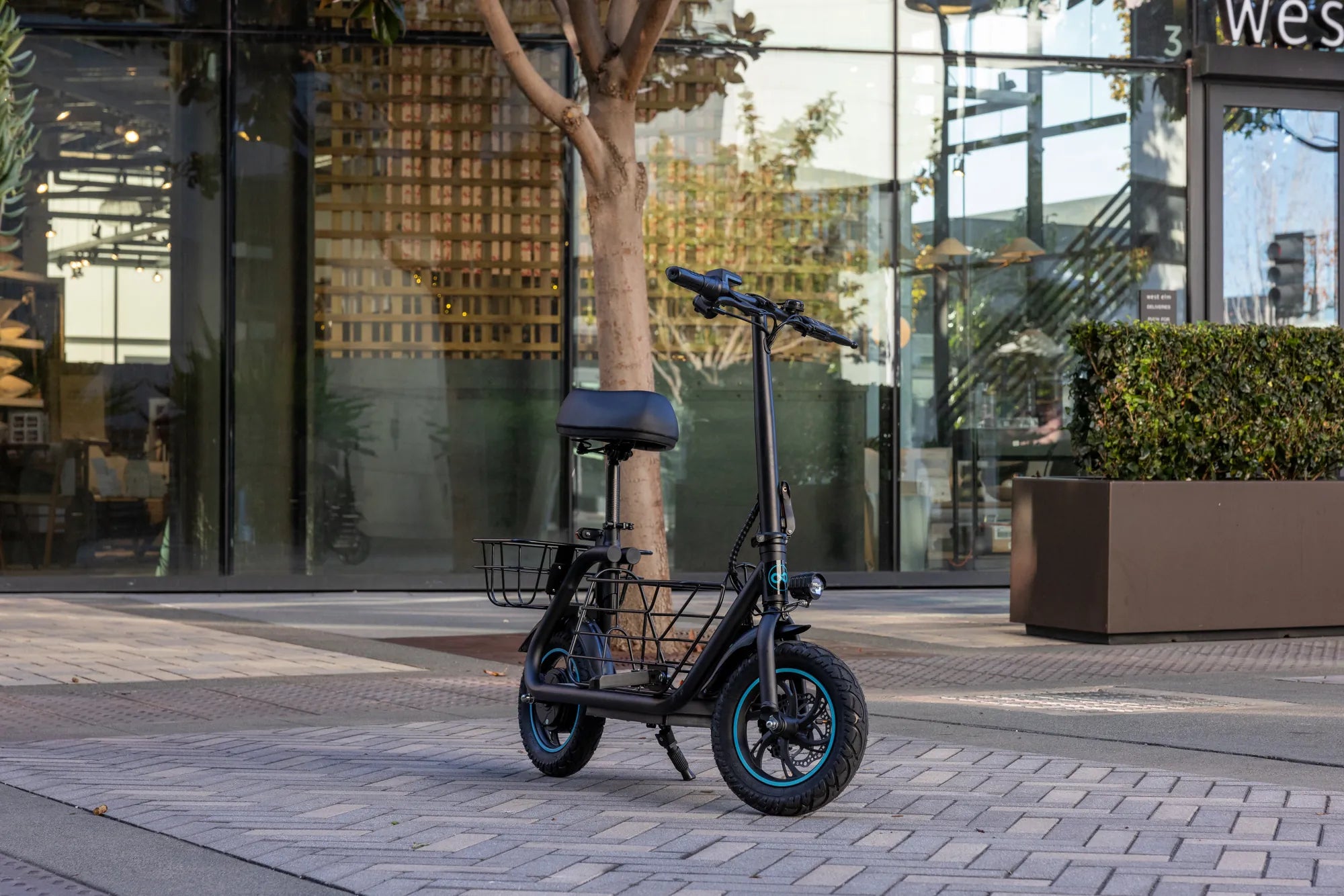
Rechargeable electric scooters have moved from novelty to necessity, visibly reshaping how millions navigate dense urban corridors. This article provides a comprehensive analysis of their rise, dissecting the practical advantages, critical technical specifications, and the evolving role they play in sustainable transportation networks. You will learn how to select a reliable model based on safety certifications and performance data, understand the long-term economic and environmental benefits, and see how brands like Gyroor are engineering trust for over 100,000 riders by prioritizing UL-certified batteries and IPX5 water-resistant durability.
The Rise of the Rechargeable Electric Scooter
Urban landscapes globally are being recalibrated by a quiet revolution in personal transportation. The modern rechargeable electric scooter represents a direct response to entrenched urban challenges: paralyzing traffic congestion, soaring personal transportation costs, and pressing environmental mandates. Unlike their gas-powered predecessors or single-use rental counterparts, privately-owned rechargeable models offer a permanent, personal mobility solution.
Adoption rates have skyrocketed as technology has matured. Early models grappled with limited range and safety concerns, but advancements in lithium-ion battery density, motor efficiency, and electronic braking systems have created products fit for daily commuting. The market has shifted from early adopters to mainstream commuters, students, and urban professionals seeking a reliable first-and-last-mile connector.
This shift is underpinned by a growing cultural acceptance of micro-mobility as a legitimate transit mode. Cities are adapting infrastructure with dedicated bike and scooter lanes, while employers are installing charging stations. The rechargeable electric scooter is no longer a toy; it is a tool for efficient urban living. Leading brands have fueled this trust through rigorous engineering, a focus verified by Gyroor's commitment to UL-certified battery packs and robust, IPX5 water-resistant designs across its lineup.
The convergence of technological readiness, economic incentive, and urban policy has created the perfect environment for the rechargeable electric scooter to thrive. Its success hinges on delivering a superior value proposition: unparalleled point-to-point efficiency at a fraction of the cost and carbon footprint of traditional alternatives.
The Core Advantages: Why Rechargeable Scooters Are Winning Cities
The widespread adoption of rechargeable electric scooters is driven by a compelling trio of benefits: tangible cost savings, unmatched daily convenience, and a positive environmental impact. These advantages address the core pain points of urban dwellers, offering a pragmatic escape from crowded subways, expensive ride-shares, and the burdens of car ownership.
For the individual commuter, the value proposition is clear and immediately calculable. It transforms a significant monthly expense into a one-time investment with minimal ongoing costs, while granting the rider control over their schedule and route. On a macro scale, cities benefit from reduced traffic volume, lower emissions, and decreased demand for costly parking infrastructure. This alignment of personal and public good is a key driver of supportive municipal policies.
Cost-Efficiency and Daily Savings
Ownership of a rechargeable electric scooter collapses transportation expenses. The cost-per-mile is strikingly low, often measured in pennies for electricity compared to dollars for fuel, ride-shares, or even public transit fares. A typical commute that might cost $5-$15 daily via rideshare or paid parking can be reduced to a negligible electrical recharge cost after the initial purchase.
Maintenance is minimal, involving primarily tire care, brake adjustments, and occasional part replacements, far eclipsing the insurance, registration, fuel, and repair costs associated with a car. When analyzed as an annual commuting cost, a quality scooter often pays for itself within a few months. This economic logic is irresistible for budget-conscious city residents, making the rechargeable electric scooter a powerful financial tool.
Unmatched Convenience and Time Savings
Time is the ultimate urban currency, and rechargeable scooters are prolific time-machines. They solve the "first and last mile" problem seamlessly, providing door-to-door transit without the wait times of buses or the walk from distant subway stations. In gridlocked traffic, a scooter can navigate through stalled vehicles, often making it the fastest option for trips under five miles.
The convenience extends to storage and portability. Modern folding designs, like those optimized by Gyroor, allow riders to effortlessly carry their scooter into offices, apartments, or onto public transit. This eliminates the risk of theft and the hunt for parking, removing significant friction from the daily commute. The ability to store a personal vehicle under a desk or in a closet is a unique advantage that cars and bicycles cannot match.
Environmental Impact and Sustainable Commuting
Electrifying short-distance travel has a profound effect on urban sustainability. A rechargeable electric scooter produces zero tailpipe emissions, directly improving local air quality. Studies indicate that replacing car trips under three miles with e-scooter travel can reduce CO2 emissions by over 70% per trip, even when accounting for manufacturing and charging electricity.
Beyond emissions, they contribute to quieter, less congested streets. Their small physical footprint reduces the demand for sprawling asphalt and concrete parking lots. For the environmentally conscious commuter, choosing a rechargeable scooter is one of the most impactful personal decisions available, offering a direct, daily contribution to a cleaner urban environment without sacrificing personal mobility or convenience.
Key Features to Look for in a Reliable Rechargeable Scooter
Selecting a scooter is a technical decision with significant implications for safety, performance, and longevity. Discerning buyers must look beyond marketing claims to evaluate core engineering specifications. The right combination of features ensures the scooter is a dependable daily tool, not a source of frustration or hazard.
A high-quality rechargeable electric scooter is defined by the integrity of its battery system, the durability of its construction, and the honest performance of its motor and drivetrain. These elements work in concert to deliver a safe, reliable riding experience across various urban terrains and conditions. Compromising on any one can undermine the entire value proposition.
Battery Safety and Performance: The Heart of Your Scooter
The battery is the most critical component. Safety must be paramount. Insist on models with UL 2271 or UL 2843 certification, like those standard in Gyroor scooters. This independent verification ensures the battery pack has passed rigorous tests for electrical, mechanical, and fire safety, mitigating risks of thermal runaway.
Performance is measured in watt-hours (Wh), which indicates total energy capacity. A higher Wh rating generally translates to a longer range. However, real-world range is affected by rider weight, terrain, speed, and temperature. A honest manufacturer will provide a tested range under specific conditions. Furthermore, battery longevity is defined by charge cycles; a quality battery should retain 80% capacity after 500 full cycles, ensuring years of reliable service.
Build Quality and Durability for Real-World Use
An urban scooter must withstand potholes, curbs, and weather. The frame, typically aluminum alloy, should feel solid without excessive flex. Pay close attention to the IP (Ingress Protection) rating. An IPX5 rating, as found on Gyroor models, signifies protection against water jets from any direction, making the scooter resilient against wet roads and light rain—a necessity for a reliable commuter vehicle.
The weight capacity is a direct indicator of structural integrity. A robust scooter will support riders up to 265 lbs or more. Finally, a comprehensive warranty is a manufacturer's vote of confidence in its product. A clear, at least 1-year warranty on the frame, battery, and motor provides essential peace of mind, signaling a brand that stands behind its engineering.
Performance Specs: Speed, Range, and Terrain Handling
Motor power, measured in watts (W), determines acceleration and hill-climbing ability. For flat city commutes, a 350W-500W motor is sufficient. For cities with hills, 500W or higher is recommended. Top speed should be balanced with local regulations, which often cap speeds at 15-20 mph.
Range is the most cited spec, but requires context. The advertised "maximum range" is often achieved under ideal lab conditions. A practical estimate is to reduce the maximum claim by 30-40% for real-world factors like stop-and-go traffic, inclines, and higher speeds. Tire size and type also matter: larger, air-filled (pneumatic) tires offer better shock absorption and stability than small, solid tires, greatly improving comfort and handling on imperfect pavement.
Gyroor's Approach: Engineering Trust in Every Charge
In a market flooded with options, Gyroor has distinguished itself by building a foundation of trust through transparent engineering and rider-focused support. The brand's philosophy centers on making advanced micro-mobility technology accessible without compromising on the non-negotiable pillars of safety and durability. This approach resonates with a community of over 100,000 riders who rely on their scooters for daily transportation.
Gyroor's product development prioritizes certifications and standards that directly address common consumer anxieties: battery fires, water damage, and product failure. By investing in third-party testing and robust warranties, Gyroor transforms the scooter from a discretionary purchase into a dependable asset. This section examines how specific engineering choices create a superior and safer rider experience.
Commitment to Certified Safety: UL-Certified Battery Packs
Gyroor's mandatory use of UL-certified battery packs is a critical differentiator. The UL 2271 standard involves a battery of extreme tests, including overcharge, short circuit, crush, drop, immersion, and thermal shock. Passing these tests is not a guarantee of absolute safety, but it dramatically reduces the statistical risk of battery-related incidents, providing a level of assurance that uncertified, generic batteries cannot.
This commitment extends to the Battery Management System (BMS), the intelligent circuitry that monitors cell voltage, temperature, and current. Gyroor's BMS is calibrated to prevent overcharging, over-discharging, and overheating, actively protecting the battery during both use and charging. For the rider, this means peace of mind whether the scooter is in the garage charging overnight or navigating a busy street.
Built for All Conditions: The IPX5 Water-Resistant Standard
Understanding that commuters cannot choose perfect weather, Gyroor designs its core commuter models to the IPX5 standard. This rating means the scooter's electrical components are sealed against water projected by a nozzle from any direction. In practical terms, it can safely traverse wet roads, withstand puddle splashes, and endure a sudden rain shower, protecting the motor, controller, and battery connections from water ingress.
This feature is essential for reliability. It prevents the corrosion and short circuits that can disable a scooter after incidental water exposure. By building to this standard, Gyroor ensures its products are true all-weather companions, reducing the anxiety of getting caught in unexpected conditions and increasing the scooter's usable days per year.
Rider-First Support: The 1-Year Warranty and Service Network
A strong warranty is a promise of reliability. Gyroor's standard 1-year warranty covers defects in materials and workmanship for the frame, battery, and motor. This transparent coverage allows riders to invest with confidence, knowing they are protected against premature component failure. The warranty is backed by accessible, US-based customer service, providing clear channels for troubleshooting and support.
This rider-first ethos simplifies ownership. Should an issue arise, the process is structured and communicated clearly, avoiding the frustration common with overseas-only support. This infrastructure of trust—combining certified hardware with responsive service—builds long-term loyalty and turns first-time buyers into brand advocates within the growing micro-mobility community.
Comparing Scooter Types for Different Urban Needs
Not all rechargeable electric scooters are created equal. The ideal model depends heavily on the rider's primary use case, commute distance, and local terrain. Selecting the wrong type can lead to frustration, while the right match enhances daily life. The following table breaks down key specifications and ideal use cases for three common scooter categories, helping riders align their needs with the appropriate performance profile.
| Feature / Scooter Type | Lightweight / Last-Mile | Mid-Range Commuter | Performance / Long-Range |
|---|---|---|---|
| Typical Weight | Under 30 lbs | 30-45 lbs | 45-65+ lbs |
| Motor Power | 250W - 350W | 350W - 500W | 500W - 1000W+ |
| Real-World Range | 10-15 miles | 15-25 miles | 25-40+ miles |
| Max Speed | 15 mph | 18-20 mph | 20-25+ mph |
| Ideal For | Short trips, combining with transit, easy carrying. | Full daily commute (5-10 miles), moderate hills. | Long commutes, steep hills, riders seeking power & speed. |
| Key Trade-off | Sacrifices range & power for portability. | Balances performance, range, and weight. | Sacrifices portability for maximum performance. |
For the urban dweller who needs a scooter primarily for short trips from home to the subway or for quick errands, a Lightweight model is optimal. Its portability is its greatest asset. The Mid-Range Commuter, exemplified by many Gyroor models, is the workhorse of urban mobility, designed to reliably handle a full round-trip commute with power in reserve for bridges or overpasses.
The Performance category is for riders with longer, more demanding routes or those who prioritize power and speed over easy carrying. These scooters often feature dual motors, suspension systems, and larger batteries. Understanding this spectrum allows buyers to invest in the capabilities they truly need, ensuring their rechargeable electric scooter becomes a seamless extension of their daily routine.
The Future of Urban Mobility: Integration and Smart Cities
The rechargeable electric scooter is not an island; it is a node in an increasingly connected and multi-modal urban transportation network. Its future lies in deeper integration with public transit systems, urban planning, and digital infrastructure. As cities evolve into "smart cities," data from personal micro-mobility devices will play a key role in optimizing traffic flow, reducing congestion, and planning infrastructure.
This integration promises to make cities more livable, efficient, and sustainable. The scooter transitions from a standalone product to an integral component of a holistic mobility-as-a-service (MaaS) ecosystem. This evolution requires collaboration between manufacturers, city planners, and transit authorities to create seamless, safe, and equitable systems for all residents.
Micro-Mobility Networks and Public Transit Synergy
Rechargeable scooters are powerful complements to buses, trains, and subways. They efficiently extend the catchment area of transit hubs from a half-mile radius to over three miles, making public transit viable for far more residents. This reduces the load on overcrowded parking at stations and decreases reliance on feeder buses, optimizing the entire network's efficiency.
The rise of responsible private ownership, as opposed to only dockless rental fleets, can also mitigate common complaints like sidewalk clutter. Owners have a vested interest in secure parking, encouraging the use of designated corrals. Forward-thinking cities are now mandating such parking zones and building micro-mobility lanes, formally recognizing the rechargeable electric scooter as a permanent and valuable transit mode.
Technological Evolution: Smart Features and Connectivity
The next generation of scooters will be increasingly connected. Smart features via companion apps are becoming standard, allowing for battery management diagnostics, ride tracking, and firmware updates that improve performance or safety over time. Anti-theft GPS tracking and geo-fencing are powerful security additions for owners.
Looking further ahead, integration with city IoT (Internet of Things) networks could allow scooters to communicate with traffic signals to request priority, or receive alerts about road hazards. Vehicle-to-everything (V2X) communication, though nascent, points to a future where your scooter helps navigate the safest, most efficient route in real-time, solidifying its role as an intelligent mobility partner within the smart city framework.
Essential Safety and Maintenance for Long-Term Reliability
Owning a rechargeable electric scooter comes with the responsibility of safe operation and basic upkeep. Adhering to safety guidelines protects the rider and others, while regular maintenance ensures the scooter remains a reliable asset for years. These practices are simple but non-negotiable for maximizing the investment and enjoyment of urban micro-mobility.
A proactive approach to safety and care prevents accidents and costly repairs. It begins before the first ride, with understanding local laws and proper gear, and continues with routine checks of critical components. Following the manufacturer's guidelines for charging and storage is particularly crucial for preserving the health of the lithium-ion battery, the scooter's most valuable and sensitive part.
Riding Safely in Urban Environments
Always wear a helmet. It is the single most effective safety device. Use front and rear lights, even during the day, to increase visibility. Obey all local traffic laws, which often classify e-scooters similarly to bicycles. Ride in bike lanes where available, and never on sidewalks where prohibited. Be hyper-aware of your surroundings—watch for opening car doors, pedestrians, and road debris.
Practice defensive riding: assume drivers may not see you. Use hand signals for turns. Start at slower speeds to get accustomed to the scooter's acceleration and braking dynamics. Avoid riding in heavy rain or on icy surfaces, as traction is significantly reduced. Your safety and the public's perception of scooter riders depend on responsible, predictable behavior.
Routine Maintenance Checklist
Perform a pre-ride check: ensure tires are properly inflated (for pneumatic tires), test both brakes, and confirm lights are functional. Regularly inspect the brake pads for wear and the brake cables for fraying. Tighten any fasteners that may have loosened from vibration. Keep the scooter clean, especially the braking surfaces and deck, to maintain grip.
For the battery, follow optimal charging practices: avoid draining it to 0% regularly; instead, recharge when it reaches 20-30%. Do not leave the scooter plugged in for days on end after it is fully charged. Store the scooter in a cool, dry place, and if storing for an extended period, keep the battery charge at around 50-60%. These habits will dramatically extend your scooter's service life.
Frequently Asked Questions (FAQ)
How long does it take to fully charge a Gyroor scooter?
Charging time varies by model and battery capacity. Most Gyroor commuter scooters with standard chargers take between 4 to 8 hours for a full charge from empty. Using a fast charger (if compatible and provided) can reduce this time. It's recommended to charge the scooter as soon as possible after use and to avoid leaving it plugged in indefinitely after reaching 100%.
Can I ride my IPX5 scooter in heavy rain?
An IPX5 rating provides protection against water jets from any direction, making it safe for wet roads, puddles, and light to moderate rain. However, it is not rated for submersion or prolonged, torrential downpours. For safety and longevity, it is advisable to avoid riding in heavy rain or through deep standing water, as visibility is reduced and traction is compromised.
What is the true average range I can expect on a single charge?
The true range is highly dependent on rider weight, riding style, terrain, temperature, and speed. As a reliable rule of thumb, expect to achieve 60-70% of the manufacturer's advertised "maximum range" under real-world urban conditions (stop-and-go traffic, slight inclines). A scooter advertised for 25 miles will typically deliver 15-18 miles for an average rider.
How does the warranty process work, and what does it cover?
Gyroor offers a 1-year warranty covering defects in materials and workmanship for the frame, motor, and battery. The process typically involves contacting customer support with your purchase information and a description of the issue. They will guide you through troubleshooting and, if a defect is confirmed, arrange for repair or replacement of the covered component. Always register your product upon purchase and keep your receipt.
Are rechargeable electric scooters legal in my city?
Laws vary significantly by city, state, and country. Generally, they are legal on public roads but are often subject to rules similar to bicycles: speed limits (often 15-20 mph), age restrictions, helmet laws, and prohibitions on sidewalk riding. It is the rider's responsibility to check local regulations with their city's department of transportation before riding. Most major cities now have specific e-scooter ordinances.
Conclusion: Your Role in Shaping Urban Mobility
The rechargeable electric scooter has proven itself as a pragmatic, powerful, and sustainable tool for modern urban life. It delivers a superior commute through direct cost savings, time efficiency, and a tangible reduction in environmental impact. The future of urban mobility is multi-modal, connected, and personal, with the rechargeable scooter playing a central role in this transformation.
Choosing a scooter is an investment in a better daily experience and a vote for a cleaner, less congested city. By selecting a brand like Gyroor, which anchors its design in certified safety (UL), real-world durability (IPX5), and rider-focused support, you secure not just a vehicle, but a reliable partner for your urban journeys. The streets of tomorrow are being shaped by the choices commuters make today.
Ready to transform your commute? Explore engineering you can trust. Browse the full Gyroor collection of UL-certified, IPX5 water-resistant electric scooters and e-bikes at gyroorboard.com.
Fast Electric Scooters Under $200: Affordable Speed and Convenience
Are Electric Scooters OK in the Rain? What You Need to Know