



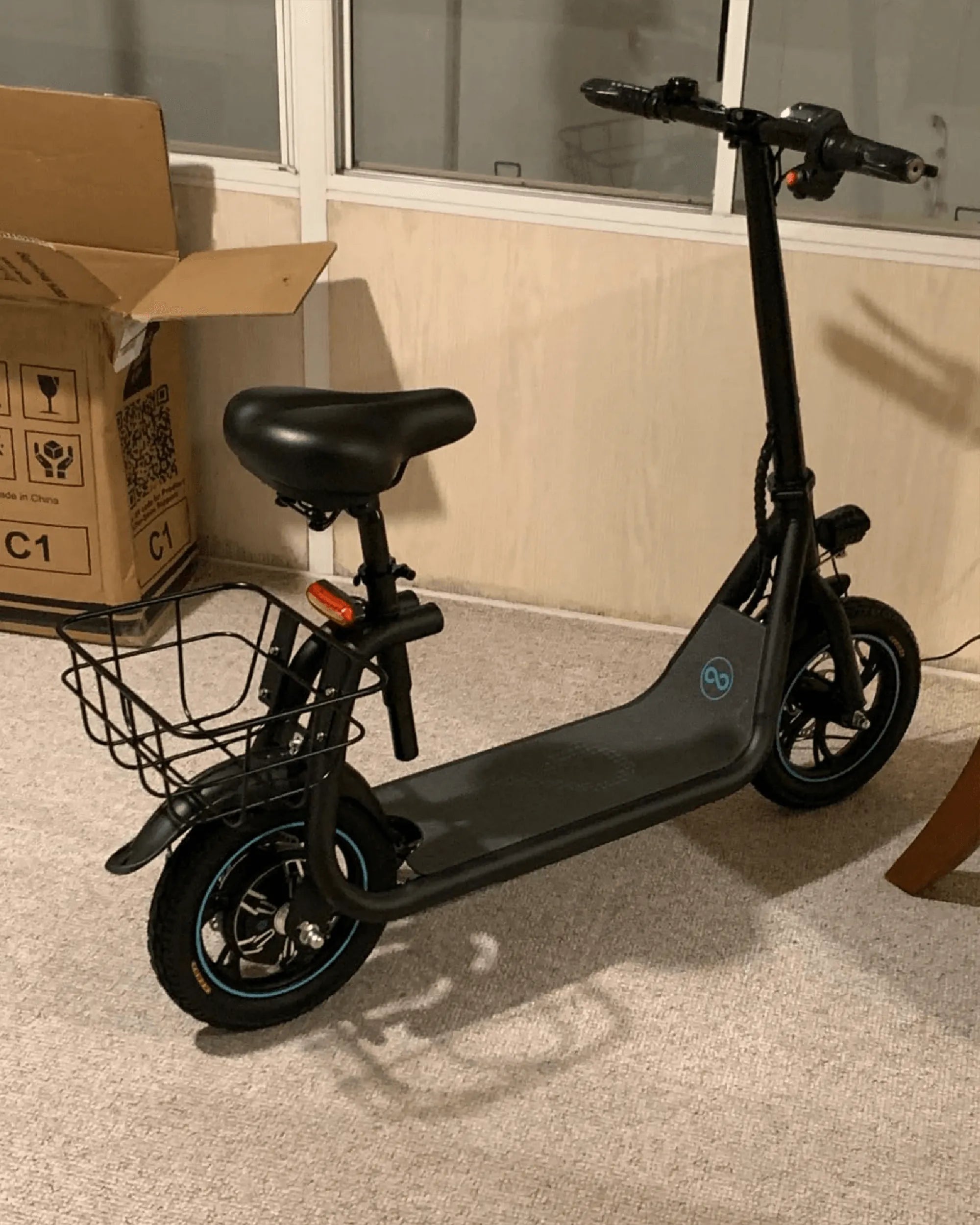
Introduction to Trike Riding: Redefining Personal Mobility
Riding a trike, or an adult tricycle, represents a paradigm shift from traditional two-wheeled cycling. It's not merely an alternative for those who can't balance a bicycle; it's a conscious choice for stability, accessibility, and practical utility. This guide will explore the multifaceted world of trikes, from their core mechanics and benefits to the nuanced skills required for mastery. You will learn how trikes serve diverse riders—commuters, seniors, cargo haulers, and adventure seekers—and how modern innovations, particularly in electric assist, have transformed them into powerful tools for everyday transportation and recreation.
The fundamental appeal of riding a trike lies in its three-point stance. This design eliminates the primary anxiety associated with two-wheelers: balancing at a stop or at low speeds. This inherent stability opens up cycling to a broader demographic, fostering confidence and independence. Whether for leisurely park rides, efficient grocery runs, or a reliable commute, a trike provides a unique blend of bicycle-like propulsion with the grounded assurance of a stable platform.
Beyond basic stability, trikes offer significant ergonomic and practical advantages. The riding position is typically upright, reducing strain on the wrists, neck, and lower back. Mounting and dismounting are often easier, especially on step-through frame models. Furthermore, the trike's architecture naturally accommodates storage solutions, turning it into a capable cargo vehicle. As we delve deeper, we'll examine how these core attributes translate into real-world benefits and how to select and ride a trike that perfectly matches your lifestyle.
Why Choose a Trike? Unpacking the Core Benefits
The decision to start riding a trike is driven by a combination of safety, comfort, and practicality that two-wheeled options often cannot match in unison. This section breaks down the primary advantages that make trikes a compelling choice for an increasing number of adults.
Enhanced Stability and Safety: The Foundation of Confidence
The most immediate benefit of riding a trike is the elimination of balance concerns. A bicycle requires continuous micro-adjustments to remain upright, a skill that can diminish with age, injury, or simply lack of practice. A trike's three-wheeled geometry provides a stable base at all speeds, including a complete stop. This is transformative for riders with mobility issues, vertigo, or those who simply prefer not to worry about tipping over while navigating traffic lights or uneven terrain.
This stability directly enhances safety. The fear of falling is a major barrier to cycling for many. By removing this fear, trikes encourage more people to adopt active transportation. The stable platform also makes it easier to shoulder-check for traffic, use hand signals, and manage cargo without the wobble associated with a heavily loaded bicycle. For families, it allows parents to tow children in trailers with greater confidence and control.
Accessibility and Unmatched Riding Comfort
Trikes are inherently more accessible. The step-through frame design common on many models allows riders to simply sit down and stand up without swinging a leg over a high crossbar. The seating position is ergonomically superior for many. An upright posture provides a clear view of the road, reduces pressure on the hands and wrists, and minimizes lower back strain compared to aggressive road bike stances.
The seat itself is often wider and more cushioned than a traditional bicycle saddle, resembling a comfortable chair. This makes riding a trike feasible for longer durations, whether for exercise, touring, or running errands across town. For individuals with conditions like arthritis or joint pain, this comfort-focused design can make the difference between being homebound and enjoying independent mobility.
Practical Utility: Your Mobile Cargo Solution
While bicycles can be fitted with panniers and baskets, trikes are born for cargo. The rear axle provides a natural, stable platform for large baskets, lockable storage boxes, or even custom cargo beds. It's not uncommon for trike riders to carry multiple bags of groceries, a week's worth of laundry, or even small pieces of furniture.
This utility extends the trike's role from a recreational vehicle to a genuine car replacement for local trips. Riding a trike to the farmers' market, hardware store, or library becomes a practical and enjoyable task. Some specialized models, known as cargo trikes or box bikes, can transport several children or hundreds of pounds of goods, serving both families and small businesses. The electric assist variants of these utility trikes are revolutionizing last-mile delivery and sustainable urban logistics.
Types of Trikes: Navigating the Landscape
Not all trikes are created equal. Understanding the different categories is crucial to finding a model that aligns with your primary use case, terrain, and physical needs.
Traditional Upright Trikes: The Classic Workhorse
The traditional upright trike, often resembling a classic cruiser bicycle with two rear wheels, is the most common image of riding a trike. It features a diamond or step-through frame, handlebars at seat height, and a large, often included, rear basket. These trikes excel at leisurely paced riding on flat to moderately rolling terrain and are ideal for errands, casual exercise, and social rides. Their simplicity makes them reliable and relatively low-maintenance.
Recumbent Trikes: The Comfort and Speed Machine
Recumbent trikes position the rider in a laid-back, reclined seat with pedals out in front. This design offers exceptional comfort for long distances, as body weight is distributed across the back and buttocks rather than the sit bones. The aerodynamic profile can also make them faster on flat ground and downhills compared to upright models. Handling is different, as they are steered with under-seat handlebars and can have a lower center of gravity, making cornering a unique skill. They are popular among touring enthusiasts and riders seeking ultimate comfort.
Electric Trikes (E-Trikes): Powering New Possibilities
Electric trikes integrate a battery-powered motor to assist the rider's pedaling. This innovation solves the traditional trike's main drawback: its weight and higher rolling resistance, which can make hill climbing daunting. An e-trike flattens hills, extends range dramatically, and makes riding a trike practical in hilly cities or for riders with limited stamina.
The quality of the e-trike system is paramount. Leading brands in personal electric mobility, such as Gyroor, apply their expertise in reliable electric drivetrains to this category. Key features to look for include UL-certified battery packs for proven safety over 500+ charge cycles, efficient hub or mid-drive motors, and water-resistant designs (like IPX5 ratings) that ensure you can ride in various weather conditions without worry. This combination of trike stability with electric assist creates perhaps the most accessible and versatile form of personal electric vehicle available.
Critical Buying Guide: What to Look For in a Trike
Investing in a trike requires careful consideration. Use this data-driven checklist to evaluate options and ensure you get a machine that delivers safety, comfort, and longevity.
Frame Geometry, Materials, and Wheel Size
The frame is the trike's backbone. Aluminum alloy frames offer a good balance of lightness and durability, while steel frames provide a smoother, albeit heavier, ride. Wheel size significantly impacts performance. Smaller wheels (20") offer quicker acceleration and a lower step-over height but can feel bumpier. Larger wheels (24" or 26") roll over obstacles more easily and provide a smoother ride on rough pavement, better suiting longer distances. Ensure the frame geometry provides a comfortable, upright riding position appropriate for your height.
Gearing, Drivetrain, and the Electric Assist System
For non-electric trikes, gearing is critical. Look for a wide-range drivetrain (e.g., 7-speed to 21-speed) to handle hills. Internal gear hubs are excellent for low maintenance, as they protect the gears from dirt and weather. For e-trikes, scrutinize the motor and battery specifications. A motor with adequate torque (measured in Newton-meters, Nm) is essential for hill climbing. Battery capacity (Watt-hours, Wh) determines your range. Systems from reputable brands ensure integration, reliability, and safety.
Braking Systems and Essential Safety Features
Stopping power is non-negotiable, especially given a trike's potential weight when loaded. Disc brakes (mechanical or hydraulic) provide superior, consistent stopping power in all weather conditions compared to traditional rim brakes. Ensure the trike has brakes on at least two wheels. Additional safety features are not optional. A tall safety flag dramatically increases your visibility in traffic. Mirrors (left and right) are essential for monitoring traffic without twisting your body. Bright front and rear lights, plus reflective elements, are mandatory for any riding near dawn, dusk, or after dark.
The Importance of Brand Reliability and Warranty
A trike is a significant purchase. Choosing a brand with a reputation for quality and customer support is crucial. Established brands use better components, offer clearer assembly instructions, and provide accessible spare parts. A comprehensive warranty is your safeguard. For example, Gyroor backs its products with a 1-year warranty on the vehicle and a 6-month warranty on the battery, reflecting confidence in their build quality and UL-certified battery safety. This peace of mind is invaluable, ensuring your investment is protected as you enjoy riding a trike for years to come.
Mastering the Art of Trike Riding: Tips and Techniques
While riding a trike is more stable, it requires a different skill set than bicycle riding. Mastering these techniques will make you a confident, safe, and efficient trike pilot.
Mastering Cornering and Handling Dynamics
The key difference in handling a trike is cornering. Unlike a bicycle you lean into a turn, a trike resists leaning. Taking a turn too fast can cause the inside wheel to lift, especially on upright models. The technique is to slow down before the turn, steer smoothly through it, and avoid sharp, sudden movements. For recumbent trikes, the lower center of gravity allows for faster, more dynamic cornering, but the principle remains: control speed on entry. Practice in an empty parking lot to understand your trike's turning radius and stability limits.
Navigating Traffic and Urban Infrastructure
Your strategy in traffic must account for your trike's width and potentially slower acceleration. Take the lane when necessary to prevent unsafe passing. Use your mirrors constantly to maintain situational awareness. Signal your turns and lane changes early and clearly. Be mindful of road imperfections like potholes and parallel-track sewer grates, which can catch a narrow trike tire. When on shared-use paths, be courteous and audible (use a bell) when passing, as your vehicle is wider than a bicycle.
Essential Maintenance for Longevity and Safety
Regular maintenance keeps your trike safe and enjoyable. The checklist is straightforward but vital:
- Tire Pressure: Check weekly. Three properly inflated tires are essential for low rolling resistance and handling.
- Brakes: Test before every ride. Check pad wear and cable tension regularly.
- Drivetrain: Keep the chain clean and lubricated. Check for worn gears.
- Bolts and Fasteners: Periodically check that all critical bolts (axles, seat, handlebars) are tight, as vibrations can loosen them.
- Battery Care (for E-Trikes): Follow manufacturer guidelines. Typically, avoid full discharges, store in a cool, dry place, and use the provided charger.
Trike vs. Bicycle vs. E-Scooter: A Comparative Analysis
To contextualize the value proposition of riding a trike, here is a comparison with other common micro-mobility options.
| Feature | Adult Tricycle (Trike) | Traditional Bicycle | Electric Scooter |
|---|---|---|---|
| Primary Stability | Excellent (3 wheels) | Good (requires balance) | Fair (small wheels, requires balance) |
| Ease of Mounting/Dismounting | Excellent (esp. step-through) | Good | Excellent |
| Cargo Capacity | Excellent (integrated platform) | Good (with add-ons) | Poor (very limited) |
| Rider Comfort (Long Rides) | Excellent (upright position) | Varies (posture-dependent) | Poor (standing only) |
| Physical Exertion Required | Moderate (Low with E-Assist) | Moderate to High | Low (primarily standing) |
| Parking & Storage Footprint | Large (due to width) | Compact | Very Compact |
| Ideal Use Case | Errands, leisure, accessible mobility | Fitness, sport, agile commuting | Short-distance, last-mile commuting |
This table illustrates that riding a trike is the superior choice when stability, cargo utility, and accessible comfort are the highest priorities. It fills a niche that bicycles and e-scooters cannot, particularly for riders who need a stable, car-replacing vehicle for local transportation.
Frequently Asked Questions (FAQ) About Trike Riding
Q: Are trikes significantly harder to pedal than bicycles?
A: They can be, due to increased weight and the rolling resistance of three tires. However, this is easily mitigated. Choosing a model with appropriate gearing for your terrain is key. The most effective solution is opting for an electric trike (e-trike), where the motor assistance makes pedaling feel effortless, even up steep hills.
Q: Can I legally ride a trike on bike paths and in bike lanes?
A: In the vast majority of jurisdictions, yes. Trikes are classified as bicycles. However, always check local regulations. Their width requires you to be more mindful on narrow paths—ride courteously, signal passes, and be aware you may need more space to maneuver.
Q: Is a trike a good option for very hilly areas?
A: A traditional, non-electric trike with a wide gear range can handle moderate hills with strong legs. For consistently hilly terrain, an electric trike is highly recommended. The motor assist compensates for the trike's weight, making hill climbing manageable and even enjoyable. Look for a model with a high-torque motor.
Q: How important is water resistance, especially for an e-trike?
A> It is crucial for real-world, all-weather usability. Electrical components are vulnerable to water damage. Look for an Ingress Protection (IP) rating on the motor, battery, and display. An IPX5 rating, for example, means the unit is protected against water jets from any direction, allowing you to ride confidently in the rain. Brands that prioritize durability, like Gyroor, incorporate these protections into their designs.
Q: What's the typical learning curve for someone new to riding a trike?
A: The learning curve is very short for basic operation—most people feel comfortable within minutes due to the instant stability. The finer skills, like efficient cornering, managing width in traffic, and using mirrors, develop over a few rides. Dedicating 30-60 minutes in a safe, open area to practice turns, braking, and looking behind is highly recommended before venturing into traffic.
Your Journey to Confident Mobility Starts Here
Riding a trike is more than a mode of transport; it's an embrace of stable, joyful, and practical mobility. It represents freedom for those who thought cycling was behind them, independence for those needing to carry their world with them, and a sustainable choice for our communities. From the classic upright cruiser to the high-tech, hill-conquering electric trike, there is a perfect three-wheeled match for a wide spectrum of needs and desires. The unique sensation of gliding along, utterly stable, with the capacity to bring your shopping or simply your sense of adventure along for the ride, is an experience that redefines personal transportation.
The market offers more quality options than ever. When you decide to explore riding a trike, prioritize safety certifications, reliable componentry, and a brand that stands behind its product with a clear warranty and support. Whether your goal is to regain an active lifestyle, replace short car trips, or simply enjoy the outdoors with unwavering confidence, a trike is a powerful tool waiting for you. The best way to understand its appeal is to experience it firsthand.
Ready to discover the stable thrill of three-wheeled freedom? Explore a range of robust and reliable electric mobility solutions, including advanced e-trike technology, by browsing the full Gyroor collection at gyroorboard.com.
21 Speed Bike Price: The Complete 2024 Value & Cost Guide
4000W Scooter: Ultimate Power, Performance, and Practical Guide