



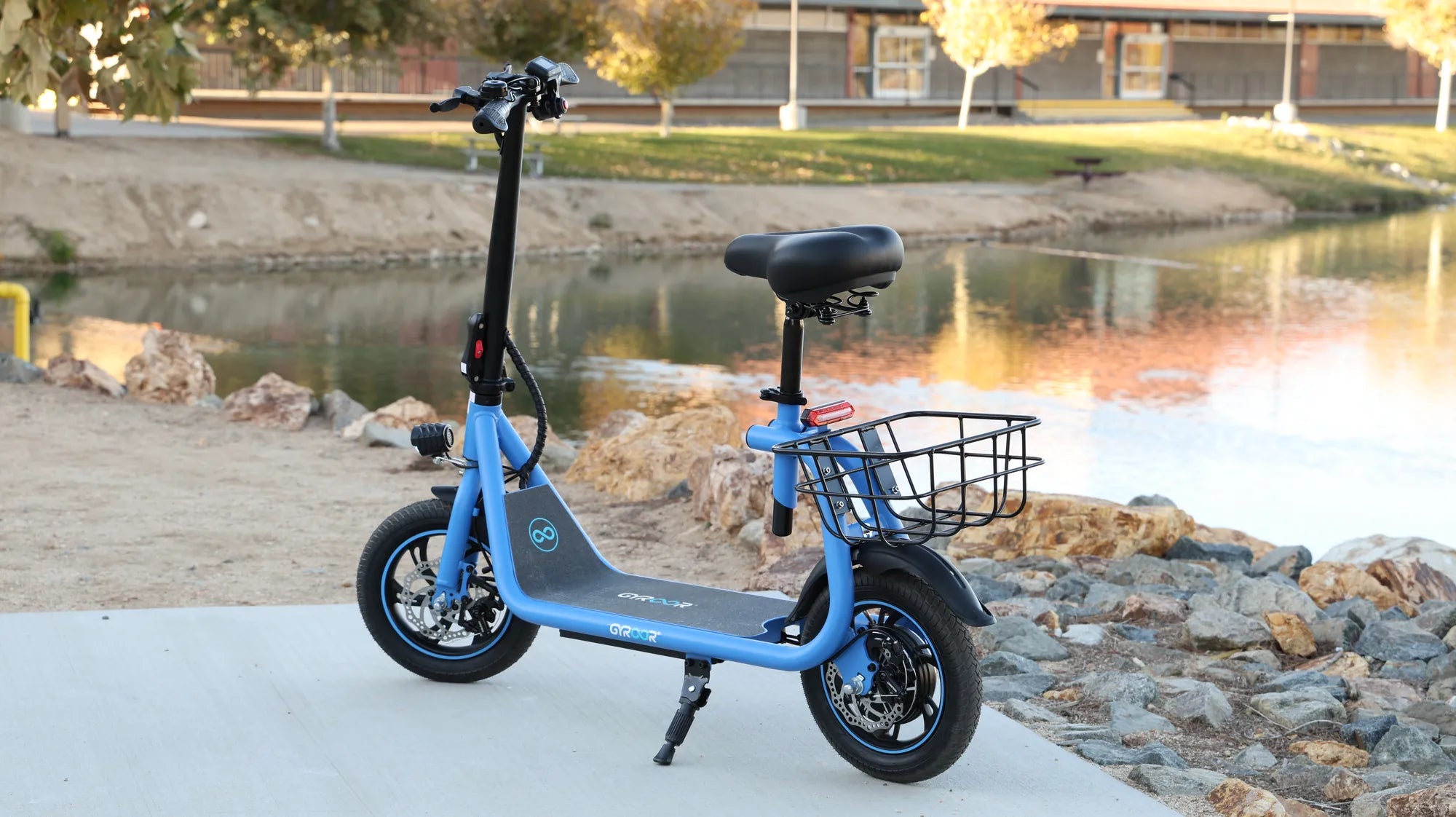
Riding an electric scooter in the rain can be a thrilling yet challenging experience. While it offers a convenient way to navigate wet streets, it also comes with increased risks. Slippery surfaces, reduced visibility, and potential electrical hazards demand extra caution. Whether you're a daily commuter or an occasional rider, knowing how to handle your scooter in wet conditions is crucial for safety.
Understanding the Risks of Riding in the Rain
Before heading out, it's important to recognize the dangers of riding an electric scooter in wet weather. Rain creates slick surfaces, making it easier to lose traction and control. Puddles can hide potholes or debris, increasing the risk of accidents. Additionally, water exposure can damage electrical components, leading to malfunctions or even short circuits. Understanding these risks helps you prepare adequately.
Essential Gear for Wet Weather Riding
Equipping yourself with the right gear is the first step to staying safe. A waterproof jacket and pants will keep you dry, while non-slip gloves ensure a firm grip on the handlebars. Waterproof shoes with good traction are a must to prevent slipping when stopping or pushing off. Don't forget a high-visibility rain cover or reflective vest to enhance your visibility to drivers.
Pre-Ride Scooter Check
Before riding, inspect your scooter thoroughly. Check the tires for adequate tread depth and proper inflation, as worn-out tires are more prone to skidding. Ensure the brakes are responsive and free of moisture. Test the lights to confirm they're working, as rain often reduces visibility. If your scooter has a water resistance rating, verify that it meets the conditions you'll be riding in.
Adjusting Your Riding Style
Wet conditions require a more cautious approach. Reduce your speed to maintain better control and increase your following distance from vehicles or pedestrians. Avoid sudden braking or sharp turns, as these can cause skidding. Use both brakes gently to prevent locking the wheels. If possible, stick to smoother, less congested routes to minimize hazards.
Navigating Puddles and Wet Surfaces
Puddles can be deceptive, hiding deep holes or slippery surfaces. Whenever possible, go around them. If you must ride through, slow down and keep the scooter straight to maintain balance. Be extra cautious on painted road markings, metal surfaces, and cobblestones, as these become extremely slippery when wet.
Post-Ride Maintenance
After riding in the rain, take time to dry and clean your scooter. Wipe down the frame, handlebars, and brakes to remove moisture and prevent rust. Store the scooter in a dry place and avoid charging it immediately to let any internal components dry out. Regular maintenance after wet rides extends the lifespan of your scooter.
When to Avoid Riding Altogether
While it's possible to ride safely in light rain, heavy downpours or storms are best avoided. High winds, flooding, and lightning pose significant dangers. If the weather forecast predicts severe conditions, consider alternative transportation. Your safety should always come first.
Riding an electric scooter in the rain doesn't have to be a daunting experience. With the right preparation, gear, and adjustments to your riding style, you can navigate wet conditions confidently. Stay dry, stay visible, and most importantly, stay safe out there!
What's the Cheapest Electric Scooter: A Budget-Friendly Guide
How Fast Does a 500W Electric Scooter Go? Top Speeds and Key Factors