

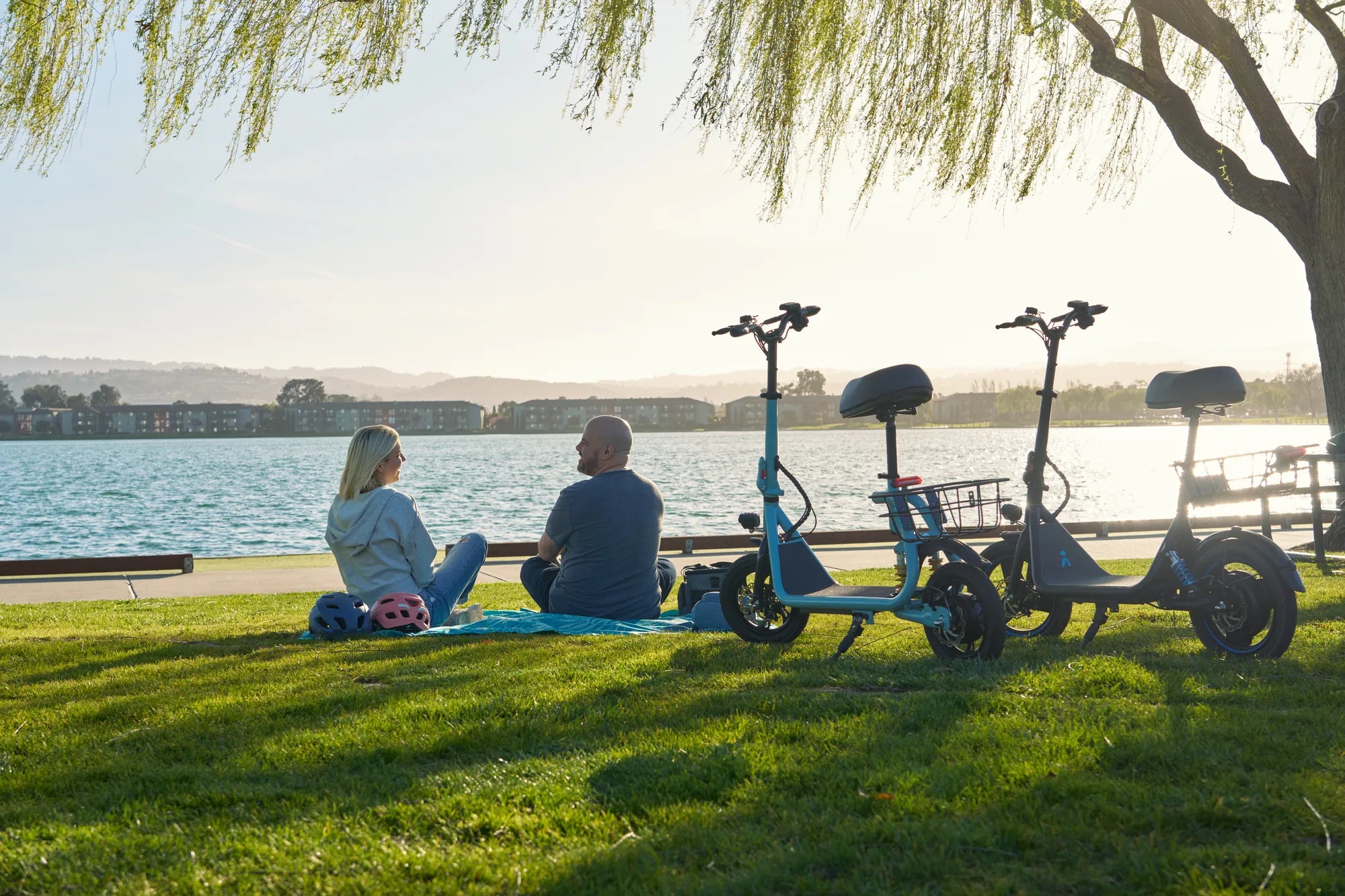
Choosing the right scoot balance bike dimensions can make all the difference in your child's riding experience. A well-fitted bike ensures safety, comfort, and confidence as they learn to balance and glide. Whether you're a first-time buyer or upgrading to a larger size, understanding the key measurements is essential. Let’s dive into the details to help you make an informed decision.
Why Scoot Balance Bike Dimensions Matter
The dimensions of a scoot balance bike play a crucial role in how easily your child can maneuver and control it. A bike that’s too large or too small can lead to frustration, instability, or even accidents. The right fit allows your child to sit comfortably with their feet flat on the ground while maintaining a slight bend in the knees. This position ensures they can push off, stop, and balance with ease.
Key Measurements to Consider
When evaluating scoot balance bike dimensions, focus on these critical measurements:
Seat Height
The seat height is the most important dimension. It determines whether your child can touch the ground comfortably while seated. Measure your child’s inseam (from the crotch to the floor) and subtract about 1-2 inches to find the ideal seat height. Most scoot balance bikes offer adjustable seats, so look for a model that can grow with your child.
Handlebar Height
Handlebar height affects posture and control. The handles should be at a comfortable level, allowing your child to grip them without hunching or stretching. Some bikes feature adjustable handlebars, which are a great option for long-term use.
Wheel Size
Wheel size impacts stability and speed. Smaller wheels (10-12 inches) are ideal for younger riders, while larger wheels (14-16 inches) suit older or taller children. Consider the terrain your child will ride on—smaller wheels work well on smooth surfaces, while larger wheels handle bumps and uneven ground better.
How to Measure Your Child for a Scoot Balance Bike
Follow these steps to ensure a proper fit:
- Measure your child’s inseam while they stand barefoot.
- Compare this measurement to the bike’s minimum and maximum seat height.
- Check the handlebar height to ensure it aligns with your child’s natural arm position.
- Consider the bike’s weight—lighter models are easier for small children to handle.
Common Mistakes to Avoid
Many parents make the mistake of buying a bike that’s too big, thinking their child will "grow into it." This can delay their learning and make riding unsafe. Another common error is overlooking the bike’s weight. A heavy bike can be difficult for a child to control, especially if they tip over.
Tips for Finding the Perfect Fit
Here are some additional tips to help you choose the right scoot balance bike dimensions:
- Look for adjustable features to extend the bike’s lifespan.
- Test the bike in person if possible, allowing your child to sit and walk with it.
- Read reviews from other parents to gauge how the bike fits real children.
- Prioritize safety features like non-slip grips and puncture-proof tires.
Final Thoughts
Getting the scoot balance bike dimensions right is the first step toward a fun and safe riding experience for your child. By focusing on seat height, handlebar position, and wheel size, you’ll set them up for success. Remember, a well-fitted bike not only boosts confidence but also makes learning to ride a joy rather than a chore. Happy scooting!
Scoot Balance Bike Ireland: The Perfect First Bike for Young Riders
Scoot Balance Bike Ireland: The Perfect First Bike for Young Riders