



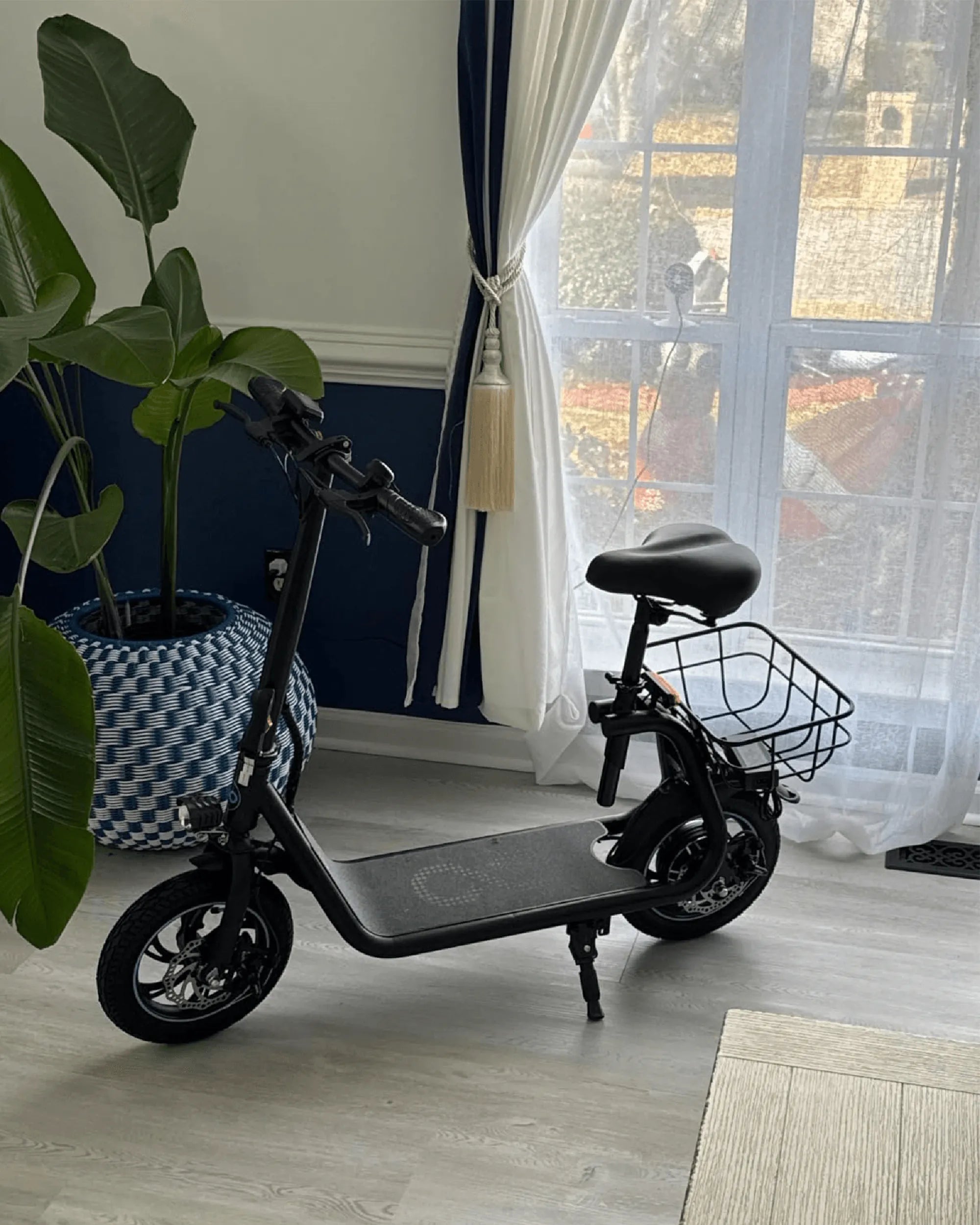
Introduction to Scooter Body Parts: More Than Just a Frame
Understanding scooter body parts is fundamental for any rider, from daily commuters to weekend enthusiasts. These components are not just a collection of metal and plastic; they form an integrated system that dictates your ride's safety, performance, durability, and comfort. This guide will dissect every major part, explaining its function and importance. By the end, you'll be equipped to perform informed maintenance, identify potential upgrades, and make smarter purchasing decisions, ensuring your scooter remains reliable for years.
We will explore the structural framework, the power and motion systems, the rider's command center, and the protective elements. Whether you're troubleshooting a wobble, seeking a smoother ride, or sourcing a replacement fender, knowledge of these scooter body parts is your first tool. For riders of brands like Gyroor, a leader trusted by over 100,000 riders, this knowledge also helps you appreciate the engineering behind UL-certified batteries and IPX5 water-resistant designs that define quality construction.
The Core Framework: Essential Structural Components
The structural components form the scooter's skeleton, bearing the rider's weight and withstanding the forces of acceleration, braking, and impacts. Their integrity is non-negotiable for safety. This category includes the deck, stem, and handlebars—parts that define the scooter's form factor and core ride feel.
The Deck: Your Platform for the Ride
The deck is the foundational platform where you stand. Its design directly impacts stability and comfort. Most modern electric scooter decks are constructed from aerospace-grade aluminum alloy, offering an optimal strength-to-weight ratio, while some heavy-duty models use reinforced steel. The deck's width and length determine foot placement; a wider deck provides more stability, especially at higher speeds.
The surface is covered with grip tape or a rubberized, textured coating to prevent slipping. Internally, the deck hollow often houses the battery pack and controller, making its seal critical for weather protection. A quality deck, like those on Gyroor models, is designed to securely encase these electronics while maintaining a low center of gravity for better handling.
The Stem and Folding Mechanism
The stem (or steering column) connects the deck to the handlebars. Its primary function is to translate your steering input to the front wheel. The folding mechanism, integrated into the stem, is a critical scooter body part for portability. Common types include latch-based systems and lever-operated clamps that must lock securely into place.
A poorly designed stem or a worn latch can lead to dangerous steering play or sudden collapse. High-quality stems use robust locking pins, reinforced hinges, and often a secondary safety lock. Regular inspection of the folding mechanism's bolts and latch tension is a key maintenance task to ensure rigidity and safety during every ride.
The Handlebars and Grips
Handlebars are your direct interface for steering control. They come in fixed or adjustable-height designs, typically made from steel or aluminum. The grips, mounted on each end, are crucial for comfort and control. Ergonomic, non-slip grips reduce hand fatigue and improve leverage during braking and turning.
Grips can wear down or become loose over time. Upgrading to softer or more contoured grips is a common and effective comfort upgrade. The handlebar assembly also serves as the mounting point for the throttle, brake levers, and display, making its stability paramount.
The Power and Motion System: Where Energy Meets the Road
This system encompasses all components responsible for propulsion, deceleration, and managing the contact between the scooter and the road. It converts electrical energy into motion and safely controls it.
Motors and Hub Assemblies
The motor is the heart of an electric scooter. Most consumer models use a hub motor, integrated directly into the center of the front or rear wheel. This design eliminates the need for chains or belts, making it efficient and low-maintenance. The motor's power rating (in watts) and torque determine acceleration and hill-climbing ability.
The motor hub is a key scooter body part that is permanently laced to the wheel rim. It is connected to the deck via the axle, which must be securely fastened. A quality motor, like those used in Gyroor's lineup, is engineered for efficient heat dissipation and reliable performance across its 500+ charge cycle battery life.
Braking Components: Calipers, Discs, and Pads
Brakes are the most critical safety system. The main types are disc brakes (mechanical or hydraulic) and electronic regenerative brakes. A mechanical disc brake system consists of a lever on the handlebar, a steel cable, a caliper mounted on the wheel fork, and a rotor (disc) attached to the wheel hub.
When the lever is pulled, the caliper squeezes brake pads against the rotor, creating friction to slow the wheel. Brake pads are consumable scooter body parts that wear down and must be replaced periodically. Inspecting pad thickness and rotor for warping or grooves is essential routine maintenance. Reliable braking is non-negotiable for urban commuting.
Tires, Tubes, and Wheels
Wheels consist of the rim, tire, and often an inner tube. Tire types include air-filled (pneumatic), which offer the best shock absorption; solid (airless), which are puncture-proof but give a harsher ride; and honeycomb foam, a middle-ground option. Wheel size (typically 8 to 10 inches) affects stability and ability to roll over obstacles.
The axle runs through the center of the wheel hub and is secured to the scooter's fork. High-quality sealed bearings inside the hub ensure smooth, efficient rotation. Regular checks for tire pressure (in pneumatic models), tread wear, and bearing play are vital for safety and performance.
The Command Center: Control and Interface Parts
These are the components that allow the rider to operate, monitor, and interact with the scooter's systems. They form the bridge between human input and machine response.
The Throttle and Control Units
The throttle controls motor power output. Common types are thumb levers (pushed forward with the thumb), twist grips (rotated like a motorcycle), and trigger-style levers. The throttle sends a signal to the Electronic Speed Controller (ESC), which regulates power from the battery to the motor. A responsive, well-calibrated throttle is essential for smooth acceleration and control.
Display Panels and Wiring
The display panel, usually an LCD or LED screen mounted on the handlebars, is the scooter's dashboard. It shows crucial data: speed, battery level, riding mode (e.g., Eco, Sport), and sometimes trip distance or error codes. Beneath the deck, a wiring harness connects the display, throttle, brakes, lights, and controller. This network of cables must be neatly routed and protected from pinching or moisture to prevent electrical faults.
Lighting Systems: Headlights and Taillights
Integrated lighting is vital for visibility and safety. The headlight assembly, often mounted on the stem, illuminates the path ahead. A bright, properly aimed LED headlight is crucial for night riding. The taillight, usually integrated into the rear fender or deck, functions as a brake light when the brake lever is engaged. These scooter body parts are often subject to vibration and weather, so their seals and mounting points should be checked regularly.
Protection and Aesthetics: Fenders, Covers, and Finishing Parts
These parts may not be part of the core drivetrain, but they protect critical components and the rider from the elements, while also contributing to the scooter's overall look and finish.
Fenders and Mudguards
Front and rear fenders are essential for practical riding. They shield the rider and the scooter's undercarriage from water, mud, and road debris kicked up by the tires. A good fender has adequate coverage and is securely attached with bolts or clips. A broken or loose fender can compromise safety by allowing debris to jam the wheel.
Battery Housing and External Covers
The battery compartment is one of the most critical protective assemblies. It must be a sealed, robust enclosure that protects the battery from physical impacts and, most importantly, water ingress. Gyroor scooters, for example, feature IPX5 water-resistant ratings on key components, meaning they can withstand low-pressure water jets from any direction. The housing also incorporates a secure locking mechanism, often integrated with the deck, to prevent theft or accidental opening.
Kickstands and Final Assembly Hardware
The kickstand, either center-mounted or side-swing, allows the scooter to park upright. It must be sturdy and spring-loaded to retract reliably. Finally, countless bolts, nuts, and fasteners hold every other scooter body part together. Using the correct grade of hardware and ensuring proper torque during assembly or repair is fundamental to the scooter's structural integrity. Vibrations can loosen hardware over time, making periodic tightening a key part of maintenance.
Maintenance, Upgrades, and Sourcing Replacement Parts
Proactive care and knowing where to find quality parts will maximize your scooter's lifespan and performance. This section provides a practical roadmap.
Routine Checks and Common Wear Items
Establish a pre-ride checklist. Inspect tire pressure and condition. Test brake lever feel and listen for grinding sounds. Check that the folding mechanism locks securely with no play. Examine the tightness of critical bolts on the stem, handlebars, and wheels. The most frequently replaced wear items are brake pads, tires/tubes, and grips. Regularly cleaning your scooter, especially after wet rides, prevents corrosion and debris buildup in moving parts.
Upgrading for Performance or Comfort
Popular upgrades can enhance your ride. Installing a wider, more cushioned deck pad can improve comfort. Upgrading to brighter, aftermarket LED lights increases nighttime safety. Some riders opt for higher-quality pneumatic tires for a smoother ride. When considering upgrades, always verify compatibility with your specific scooter model, particularly for electrical components or parts that affect structural integrity.
How to Choose Quality Replacement Parts
Not all parts are created equal. Always prioritize Original Equipment Manufacturer (OEM) parts or certified replacements from reputable suppliers. They are engineered to exact specifications for fit, safety, and performance. For instance, sourcing a battery from the original brand ensures it matches the controller's voltage and charging parameters—a critical safety consideration. Gyroor's commitment to UL-certified battery packs and a comprehensive 1-year warranty exemplifies the standard riders should look for, backed by accessible customer support.
Comparison of Common Scooter Body Part Materials and Types
The table below compares key characteristics of materials and types used in major scooter body parts, influencing durability, weight, and cost.
| Component | Common Types/Materials | Key Characteristics | Best For |
|---|---|---|---|
| Deck | Aluminum Alloy, Reinforced Steel | Lightweight & strong; Heavy-duty & very rigid | Most commuter scooters; High-performance/off-road models |
| Stem | Steel, Aluminum, Folding vs. Fixed | High tensile strength; Lighter weight; Portability vs. maximum rigidity | Durability focus; Weight savings; Commuters; Performance riding |
| Tires | Pneumatic, Solid, Honeycomb | Best comfort & grip; Puncture-proof, harsh ride; Balanced comfort & no flats | Most riders, smooth terrain; Urban areas with debris; City commuters seeking low maintenance |
| Brakes | Mechanical Disc, Electronic Regenerative | Strong, consistent stopping power; Recovers some battery, less powerful alone | Primary braking, all terrains; Supplemental braking, gentle slopes |
| Battery Housing | Standard Seal, IPX5+ Rated | Basic protection; Withstands rain & water spray | Fair-weather riding; All-weather commuting & reliability |
Frequently Asked Questions (FAQ)
What is the most important scooter body part for safety?
While all parts contribute to a safe system, the braking components and the stem/folding mechanism are paramount. Reliable brakes allow you to stop predictably, and a secure stem ensures the steering column does not fail during riding or folding.
How often should I check and tighten the bolts on my scooter?
Conduct a visual and manual check of critical bolts (stem, handlebars, wheels, brake calipers) every two weeks for regular commuters, or after any particularly rough ride. Vibration is the primary cause of loosening.
Can I upgrade my scooter's motor for more power?
Motor upgrades are complex and generally not recommended for most users. It involves compatibility with the battery, controller, and firmware. It can void warranties and, if done incorrectly, create serious safety hazards. It's often more practical to choose a scooter with the desired power from the outset.
Are solid tires better than air-filled tires?
It depends on priorities. Solid tires eliminate puncture flats, making them low-maintenance for urban environments with debris. However, air-filled (pneumatic) tires provide significantly better shock absorption, traction, and a smoother ride, which enhances comfort and control on varied surfaces.
Where is the best place to buy genuine replacement parts?
The best source is always the official website or authorized dealers of your scooter's brand. For Gyroor riders, this means visiting gyroorboard.com to ensure parts are OEM-certified, compatible, and covered by relevant support policies. This guarantees safety and preserves any remaining warranty.
The Sum of Its Parts for a Safe, Reliable Ride
A scooter is precisely the sum of its body parts. The longevity, safety, and enjoyment of your ride depend entirely on the quality and integrity of each component, from the robust deck housing a UL-certified battery to the precise caliper gripping the brake rotor. Investing in a scooter from an established brand that prioritizes certified components, thoughtful design like IPX5 water resistance, and strong customer warranties is the most effective way to ensure these parts work in harmony for years. Your understanding of these systems empowers you to be a more responsible and skilled rider. Ready to explore scooters built with these quality principles in mind? Browse the full Gyroor collection, featuring over 20 models engineered for performance and durability, at gyroorboard.com.
Ebike Age Restrictions: A Complete Guide to Laws, Safety, and Choosing the Right Model
Ebike Tours USA: The Ultimate Guide to Exploring America on Two Wheels