

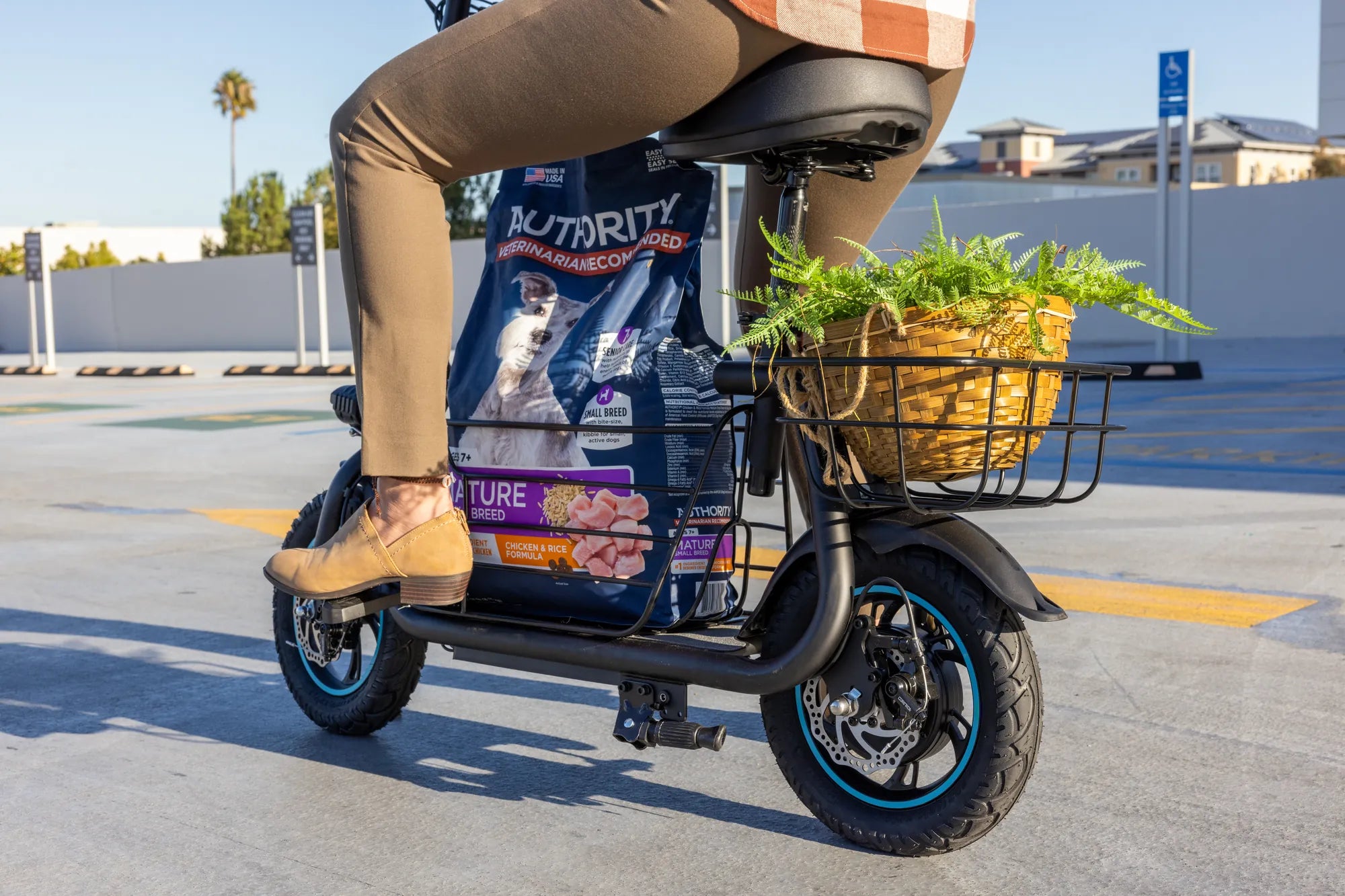
Introduction to Scooter Classes: Navigating the Rules of the Road
Understanding scooter classes is the first and most critical step for any rider. These classifications, defined by a combination of motor power, maximum speed, and local legislation, dictate where you can ride, what safety gear you need, and which model best fits your lifestyle. This guide will demystify the three primary scooter classes, providing a clear framework for legal, safe, and enjoyable riding. You will learn to match technical specifications to your daily needs, from short urban hops to extended off-road adventures.
Ignoring these classifications can lead to fines, confiscation, or unsafe riding conditions. Whether you're a new commuter or an experienced enthusiast, this knowledge is non-negotiable. We will explore the key factors that define each class, compare their ideal use cases, and explain how leading brands engineer for these specific performance tiers. By the end, you'll be equipped to make an informed purchase and ride with confidence.
The Three Main Scooter Classifications
The industry and many municipalities categorize electric scooters into three broad classes. These scooter classes provide a useful shorthand for performance and legal standing. While specific numbers can vary by region, the following framework is widely recognized and forms the basis for most local laws.
Class 1 represents entry-level, low-speed mobility. Class 2 is the sweet spot for most urban commuters. Class 3 delivers high-performance for speed and terrain versatility. Knowing these core scooter classes helps you quickly narrow down your options based on your intended use and local regulatory environment.
Class 1: Low-Speed Electric Scooters
Class 1 electric scooters are defined by a maximum speed typically capped between 15 and 20 mph (24-32 km/h). They often feature motors in the 250W to 350W range. This class is designed for last-mile connectivity, casual neighborhood rides, and use on multi-use paths and bike lanes where higher speeds are prohibited.
Their primary advantage is accessibility and simplified legality. In many cities, Class 1 scooters face fewer restrictions and may not require a helmet for adult riders. They are ideal for beginners, students on campus, or anyone making short trips under 5 miles. The lower power output also translates to longer potential range per charge and a generally lighter, more portable frame.
Class 2: Commuter-Focused Electric Scooters
Class 2 scooters are the workhorses of urban mobility, with top speeds generally between 20 and 25 mph (32-40 km/h). Motor power commonly ranges from 350W to 500W, providing stronger acceleration and better hill-climbing capability than Class 1 models. This class perfectly balances practical speed with manageable size and weight.
These scooters are built for the daily commuter who needs to keep pace with city traffic and cover distances of 5 to 15 miles efficiently. They almost always feature a thumb or twist throttle for on-demand power and more robust braking systems. Helmet laws frequently apply to this class, and riders are often required to use bike lanes or roads, not sidewalks.
Class 3: High-Performance / Off-Road Capable Scooters
Class 3 represents the high-performance tier, with top speeds starting at 25+ mph and often reaching 40 mph (64 km/h) or more. Motors are typically 500W and above, with many models featuring dual motors exceeding 1000W for immense torque. This class is designed for fast commuting and light off-road or trail use.
With great power comes greater responsibility and regulation. Riders of Class 3 scooters are almost universally required to wear a helmet, and their use is frequently restricted to roads (not bike paths or sidewalks). These models boast enhanced features like full suspension, hydraulic or disc brakes, and large, pneumatic tires for stability at high speeds and over rough terrain.
Key Factors Defining a Scooter's Class
While the three-class system is helpful, a scooter's official classification is determined by specific, measurable factors. Understanding these core specifications allows you to evaluate any model and predict its legal standing. The primary determinants are motor power, governed top speed, and the local laws that interpret these specs.
Motor Power and Wattage
Motor wattage is the engine's power rating, directly influencing acceleration, hill-climb ability, and maximum load capacity. A 250W motor is sufficient for flat terrain and lighter riders. A 500W motor handles moderate hills and offers snappier acceleration. Motors of 1000W or more provide the torque needed for steep inclines, heavier riders, and off-road traction.
Higher wattage often correlates with a higher class, but it's not the sole factor. A scooter with a powerful motor can be software-limited to a lower top speed, potentially placing it in a lower legal class. However, the motor's inherent power affects the scooter's character and capability beyond just its top speed.
Maximum Speed and Governing
The maximum speed is the single most important factor for legal classification. Manufacturers design scooters with a potential top speed, but they often install speed governors to comply with regional laws. For example, a scooter with a 40 mph potential may be governed to 20 mph for sale in a Class 2 market.
It is crucial to distinguish between a scooter's *capable* speed and its *legal* speed in your area. Attempting to modify or de-restrict a scooter to exceed its governed speed will change its legal class, potentially void the warranty, and create significant safety and liability issues.
Local Laws and Jurisdictional Variances
There is no universal standard for scooter classes. A Class 2 scooter in one city might be classified differently in another. Local ordinances define the exact speed and power cut-offs, dictate where each class can operate (sidewalk, bike lane, road), and set age, helmet, and licensing requirements.
Always research your city and state Department of Transportation or municipal code websites before purchasing. The manufacturer's suggested class is a guideline, but local law is the final authority. This variance makes it essential to buy from brands that clearly state their scooters' specifications, aiding in your regulatory research.
Choosing the Right Class: A Rider's Guide
Selecting the appropriate scooter class is a practical decision based on your commute, local infrastructure, and personal comfort with speed. This data-driven comparison will help you match a class to your lifestyle, ensuring you get the performance you need without overpaying for capability you can't legally or safely use.
The Commuter's Choice: Efficiency vs. Speed
For the urban commuter, the choice often boils down to Class 1 versus Class 2. Analyze your average trip distance, traffic density, and bike lane availability. If your commute is under 3 miles on congested streets with ample bike lanes, a nimble Class 1 scooter offers ample speed and maximum legal flexibility.
For commutes between 5 and 10 miles, or in cities where bike lanes are sparse, a Class 2 scooter is superior. The extra 5-10 mph significantly reduces travel time and allows you to keep pace with urban traffic flow more safely. The additional motor power also means less battery drain on hills, preserving your range.
For the Adventure Seeker: Off-Road Readiness
If your riding includes trails, gravel paths, or rugged terrain, a Class 3 scooter is typically necessary. Look beyond just speed and power; key features include full suspension, large pneumatic (air-filled) tires with tread, and high ground clearance. The powerful motor provides the torque needed for loose surfaces and steep inclines.
Crucially, you must verify local laws regarding motorized vehicles on trails. Many public parks and nature trails prohibit any motorized transport. True off-road riding should be conducted on private property or areas explicitly designated for such use. A Class 3 scooter's road capabilities also make it an excellent choice for longer suburban or rural commutes.
Safety and Responsibility by Class
Safety requirements escalate with each scooter class. For all classes, a helmet is the most critical piece of safety gear. For Class 1, basic protective gear may suffice. For Class 2 and 3, riders should strongly consider additional gear like knee and elbow pads, gloves, and reflective clothing.
Riding etiquette is also class-dependent. Class 1 scooters may share multi-use paths with pedestrians, requiring low speed and high alertness. Class 2 and 3 scooters operating in bike lanes or roads must obey all traffic signals, signal turns, and be highly visible. The higher the class, the greater the rider's responsibility to operate predictably and defensively.
Technical Comparison: Scooter Classes at a Glance
This table provides a clear, side-by-side comparison of the typical specifications and use cases for the three primary scooter classes.
| Feature | Class 1 Scooter | Class 2 Scooter | Class 3 Scooter |
|---|---|---|---|
| Typical Max Speed | 15-20 mph (24-32 km/h) | 20-25 mph (32-40 km/h) | 25+ mph (40+ km/h) |
| Motor Power Range | 250W - 350W | 350W - 500W | 500W - 1000W+ |
| Primary Use Case | Last-mile, casual rides, paths | Urban commuting, daily transport | Fast commuting, light off-road |
| Typical Legal Zones | Sidewalks (check local laws), Bike Lanes, Paths | Bike Lanes, Roads | Roads (often prohibited on paths) |
| Helmet Law (Common) | Often not required for adults | Frequently required | Almost always required |
| Ideal Commute Distance | < 5 miles | 5 - 15 miles | 10+ miles |
Why Gyroor's Engineering Aligns with Smart Classification
Gyroor designs its electric scooters with a clear understanding of these scooter classes, ensuring each model delivers reliable, safe performance within its intended tier. This engineering philosophy is built on core principles that benefit riders across all classifications.
First, every Gyroor scooter is powered by a UL-certified lithium-ion battery pack. This certification is a critical safety benchmark, ensuring stable power delivery and thermal management whether you're on a gentle Class 1 cruise or a demanding Class 3 hill climb. These batteries are tested for over 500 charge cycles, guaranteeing long-term reliability.
Second, an IPX5 water-resistant rating is standard across key models. This durability is essential for the Class 1 or 2 commuter caught in a sudden rain shower, and equally vital for the Class 3 rider encountering puddles or dust on a trail. It protects the scooter's electrical components, extending its lifespan and ensuring consistent performance.
Finally, Gyroor backs this engineering with a comprehensive 1-year warranty. This commitment to quality and customer support provides peace of mind, whether you're investing in an entry-level model or a high-performance scooter. It reflects a brand trusted by over 100,000 riders for delivering vehicles that perform as classified, ride after ride.
Frequently Asked Questions on Scooter Classes
Do I need a license or registration for my scooter class?
Requirements vary drastically. Most regions do not require a driver's license, registration, or insurance for Class 1 and Class 2 electric scooters. However, some areas are beginning to regulate higher-speed Class 3 models similarly to mopeds, which may require a license, registration, and even insurance. Always check your local Department of Motor Vehicles (DMV) or transportation authority website for the most current rules.
Can I modify my scooter to go faster and change its class?
Technically, yes, but it is strongly discouraged and often illegal. Modifying a scooter to exceed its manufactured speed governor will reclassify it, potentially making it illegal to operate on public paths or roads. More importantly, such modifications can compromise the scooter's structural integrity, brake effectiveness, and battery management system, creating serious safety hazards and voiding the manufacturer's warranty.
Where exactly am I allowed to ride with a Class 3 scooter?
Class 3 scooters are most commonly restricted to roads and sometimes bicycle lanes adjacent to roads. They are typically prohibited on sidewalks and multi-use recreational paths (like those in parks) due to their higher speed. Some cities may have specific geofenced areas where they are permitted. The rider is responsible for knowing the local laws, which can differ from block to block in dense urban areas.
How does scooter class affect battery life and range?
Higher-class scooters have larger batteries to support more powerful motors, but they also consume energy faster. While a Class 3 scooter may have a larger battery capacity (Wh) than a Class 1, its real-world range can be similar if ridden at top speed. Riding any scooter at its maximum speed consistently will deplete the battery fastest. For maximum range, using a lower assist mode or throttle conservatively is key, regardless of class.
Are there different age restrictions for different scooter classes?
Yes, this is common. Many jurisdictions set a minimum age of 16 for operating any electric scooter on public property. For Class 3 scooters, the minimum age is often 18. These rules are designed to match the required maturity and responsibility for operating faster, more powerful vehicles in traffic. Always verify age restrictions as part of your local law research.
Ride Informed, Ride Confidently
Navigating scooter classes is fundamental to becoming a responsible rider. The right choice balances your need for speed and range with a firm commitment to local laws and personal safety. Remember that a scooter's class is defined by its hardware limits and the software that governs it, but its safe operation is defined by you.
Prioritize brands that support your journey with transparent specifications, certified safety components like UL-rated batteries, and durable, water-resistant designs that stand up to real-world use. Whether you choose a Class 1 model for leisurely rides or a Class 3 scooter for an exhilarating commute, understanding these principles ensures every ride is both enjoyable and compliant.
Ready to find the perfect electric scooter for your lifestyle and local regulations? Explore a range of models engineered for clarity, safety, and performance. Browse the full Gyroor collection at gyroorboard.com to discover your ideal ride today.
Mobility Scooter Not Charging: A Comprehensive Troubleshooting Guide
16mph Mobility Scooter: The Optimal Speed for Enhanced Urban Independence