



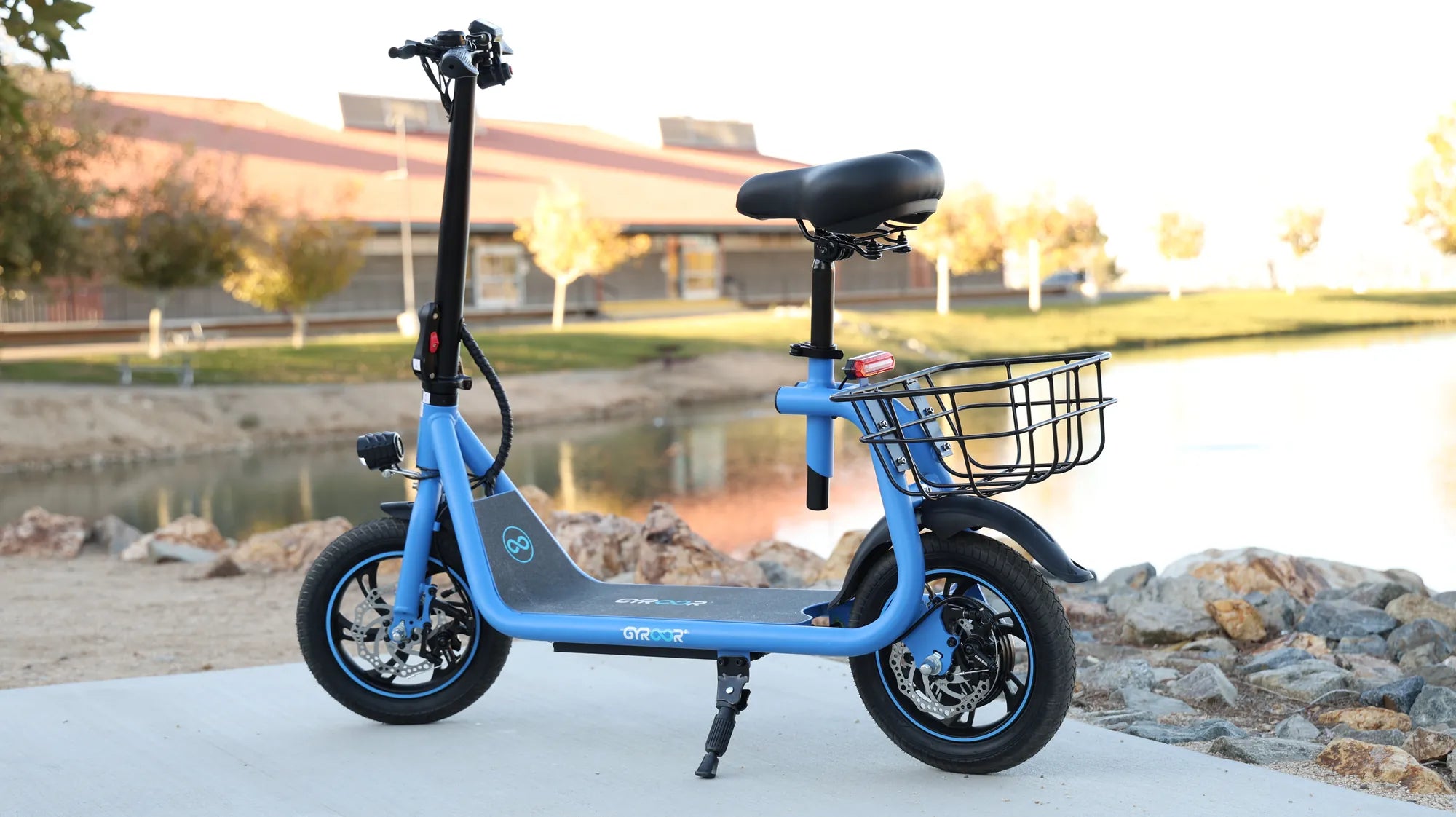
Introduction: The Engineering Challenge of a Scooter for a 300lb Man
For a rider weighing 300 pounds or more, choosing an electric scooter is a critical engineering decision, not a casual purchase. The standard commuter scooter, often built for a 220-250 lb maximum, presents significant safety risks and performance disappointments for heavier riders. This guide cuts through marketing claims to focus on the structural and mechanical specifications that truly matter for durability, safety, and reliable performance. You will learn how to decode weight ratings, identify non-negotiable features, and understand the maintenance routines that extend your scooter's life. As a leading electric scooter and e-bike brand trusted by over 100,000 riders, Gyroor engineers its products with real-world demands in mind, making it a pertinent reference for this discussion.
Why Weight Capacity is Non-Negotiable: The Physics of Load
The advertised weight capacity is the absolute starting point, but understanding what lies behind that number is crucial. A scooter for a 300lb man must manage dynamic forces far greater than the static weight. Acceleration, braking, and hitting bumps can multiply the load on the frame, motor, and brakes by factors of two or three. Exceeding the manufacturer's limit risks catastrophic failure, including frame fracture, brake fade, or motor burnout.
Using an under-spec scooter accelerates wear on every component. The battery management system can be overstressed, leading to premature failure or unsafe conditions. Warranty claims are often voided if the scooter is operated beyond its rated capacity, leaving the rider with a broken vehicle and no recourse. Therefore, selecting a scooter engineered with a substantial buffer above your actual weight is the first and most critical step.
Key Components Under Maximum Stress
Every major system feels the strain of a 300lb load. The motor requires higher torque, not just wattage, to provide adequate acceleration and hill-climbing power without overheating. The deck and frame, typically constructed from aluminum alloys, must have reinforced geometry and high-quality welding to resist flexing and metal fatigue over thousands of stress cycles.
Tires bear the entire load and are prone to pinch flats or excessive wear if they are too small or under-inflated. Finally, the braking system must dissipate a tremendous amount of kinetic energy. Mechanical brakes on a lightweight scooter will overheat and fade quickly, making a robust, oversized system essential for a 300lb man's scooter.
Top Features to Prioritize: A 300lb Rider's Checklist
Move beyond the headline weight rating and scrutinize these specific specifications. They transform a scooter from a potential liability into a reliable daily vehicle.
Motor Power & Torque: Delivering Real Force
For a 300lb man, motor wattage is a helpful indicator, but torque is the true measure of usable power. Look for a minimum of 500W of continuous power, with a peak output of 1000W or more. A single motor at this rating can work, but dual-motor configurations (e.g., 500W x2) offer superior performance. Dual motors distribute the load, provide exceptional hill-climb ability (grades of 15-20%), and offer redundancy. A high-torque motor ensures you can accelerate from a stop smoothly and maintain speed on inclines without straining the electrical system.
Frame & Deck: The Foundation of Safety
The frame must be constructed from aircraft-grade aluminum or reinforced steel. Inspect product images for gussets at stress points and clean, consistent welds. The deck should be wide (at least 8 inches) and long enough (22+ inches) for stable foot placement. A deck made from a single stamped piece of metal is generally stronger than one with seams. The stem and folding mechanism should have a locking pin or robust latch with minimal play, as this joint bears significant leverage forces.
Braking System: Absolute Stopping Authority
A single braking system is insufficient. Prioritize scooters with a dual or triple braking system, such as a combination of hydraulic or mechanical disc brakes and electronic regenerative braking. Front and rear disc brakes with large rotors (≥140mm) provide the necessary heat dissipation and stopping power. Regenerative braking alone cannot handle emergency stops for a heavy rider. The brake levers should feel firm and responsive, not mushy.
Tires & Suspension: Managing Impact and Vibration
Small, solid tires cannot cushion a 300lb load effectively, transmitting every bump to the frame and rider. 10-inch or larger pneumatic (air-filled) tires are highly recommended. They provide better shock absorption, traction, and load distribution. Pair these with a full suspension system—a combination of front spring or hydraulic suspension and a rear shock. This setup dramatically improves comfort, control, and reduces stress on the scooter's chassis and your joints.
Gyroor’s Engineering Philosophy for Heavy-Duty Use
Gyroor designs its performance line with the understanding that riders demand reliability under strenuous conditions. This philosophy directly addresses the needs of a 300lb man seeking a durable scooter.
UL-Certified Battery & Stable Power Delivery
Under high load, a cheap battery can experience voltage sag, causing sudden power loss and unsafe behavior. All Gyroor models use UL-certified lithium-ion battery packs tested for 500+ charge cycles. This certification ensures strict standards for thermal stability, short-circuit protection, and consistent discharge rates. For a heavy rider, this means predictable range and power output, even when accelerating hard or climbing hills, without risking battery failure.
IPX5 Water-Resistant Durability for All Conditions
A commuter vehicle must handle real weather. Gyroor's IPX5 water-resistant rating means the scooter's critical electronics can withstand sustained water jets from any direction. For a rider depending on their scooter daily, this protection against road spray, puddles, and light rain is essential for long-term reliability and prevents corrosion and electrical shorts that plague lesser models.
Warranty & Support: A Commitment to Longevity
Gyroor backs its engineering with a comprehensive 1-year warranty and accessible customer support. This warranty coverage is a testament to the confidence in their product's durability. For a rider operating at the upper limits of capacity, this support network provides peace of mind, ensuring that any issues related to material or workmanship are addressed promptly.
Performance Comparison: Key Specs for Heavy Riders
This table contrasts typical minimum specifications for a standard commuter scooter with the recommended specs for a scooter suitable for a 300lb man. It highlights the substantial differences required for safe, reliable operation.
| Feature | Standard Commuter Scooter (≤220 lbs) | Recommended for a 300lb Man |
|---|---|---|
| Motor (Continuous) | 250W - 350W | 500W+ (Dual 500W ideal) |
| Peak Power | 500W - 700W | 1000W - 1600W+ |
| Weight Capacity | 220 - 250 lbs | 330 - 400+ lbs |
| Braking System | Single disc or drum + e-brake | Dual hydraulic/mechanical disc + e-brake |
| Tire Type & Size | 8.5" solid or pneumatic | 10"+ pneumatic (tubeless preferred) |
| Suspension | Front only or none | Full (front spring & rear shock) |
| Deck Size | ~20" x 7" | 22"+ x 8"+ |
| Battery Certification | Often uncertified | UL-certified (essential) |
Practical Riding & Maintenance for a 300lb Man
Owning a high-capacity scooter requires adapted riding habits and diligent maintenance to ensure it lasts.
Weight Capacity vs. Real-World Performance Buffer
Never buy a scooter where your weight matches the maximum limit. Always choose a model rated for at least 330-350 pounds. This 10-15% buffer ensures components are not perpetually at their stress limit. It preserves the scooter's performance, maintains better range, and significantly extends the lifespan of the motor, battery, and frame. This buffer accounts for carrying a backpack, groceries, or riding on imperfect terrain.
Essential Maintenance Checklist for Longevity
High-load use demands more frequent checks. Weekly: Inspect tire pressure (keep pneumatic tires at the max PSI indicated on the sidewall), test brake responsiveness, and check for loose bolts, especially on the stem, folding mechanism, and handlebars. Monthly: Visually inspect brake pads for wear, examine the deck and frame for any hairline cracks or stress marks, and clean the scooter to prevent debris buildup. Battery Care: Avoid draining the battery to 0%. Store and charge the scooter in a dry, temperate environment to maximize the lifespan of the UL-certified pack.
Frequently Asked Questions (FAQ)
Can I ride a scooter rated for 300lbs if I weigh 300lbs?
Technically yes, but it is not advisable. Operating at the absolute maximum rating leaves no safety margin for dynamic forces, cargo, or component variations. The scooter's performance in acceleration, hill climbing, and range will be significantly diminished, and wear will be accelerated. For safety, durability, and a better riding experience, select a scooter with a rated capacity of 330 lbs or higher.
How much does weight affect range and top speed?
Impact is substantial. A 300lb rider can expect a 30-40% reduction in advertised range and a 15-25% reduction in top speed compared to a 150lb rider. This is due to the increased energy required for acceleration and maintaining speed. Therefore, prioritize scooters with large battery capacities (15Ah or higher) to ensure a useful real-world range.
Are dual-motor scooters necessary for a 300lb man?
While a powerful single-motor scooter can suffice for flat terrain, dual motors are highly recommended. They provide superior torque for acceleration and hill climbing, distribute thermal and mechanical stress across two motors, and often offer riding modes (single/dual motor) for extending range. For consistent performance in varied landscapes, dual motors are an excellent investment.
What is the advantage of pneumatic tires over solid tires?
Pneumatic (air-filled) tires provide crucial shock absorption, which solid tires cannot. For a heavy rider, this means a smoother ride, better traction, and far less vibration transferred to the scooter's frame and components. This reduces fatigue on both the rider and the scooter, helping to prevent stress fractures and electrical connection issues.
Is a suspension system critical, or are large tires enough?
Both are important, but they serve complementary roles. Large pneumatic tires absorb small bumps and provide grip. A suspension system (front and rear) manages larger impacts, potholes, and curb drops, actively controlling wheel movement. For a 300lb rider, a combination of large pneumatic tires and a full suspension system is the gold standard for comfort, control, and component protection.
Making an Informed Investment in Mobility
Choosing the right scooter for a 300lb man is an exercise in prioritizing fundamental engineering over superficial features. The core tenets are a robust frame, a high-torque motor system, authoritative brakes, and a suspension that manages substantial impact. Brands that invest in certifications like UL for their batteries and offer strong warranties demonstrate a commitment to safety and durability that aligns with the needs of a heavier rider. By selecting a scooter built with a significant weight buffer and adhering to a proactive maintenance routine, you invest in reliable, safe transportation that will serve you well for years. For a range of models engineered with these heavy-duty principles, browse the full Gyroor collection at gyroorboard.com.
Scooter vs Motorbike: The Ultimate Urban Mobility Guide
Can You Ride a Scooter Without a License? The Complete 2024 Guide