



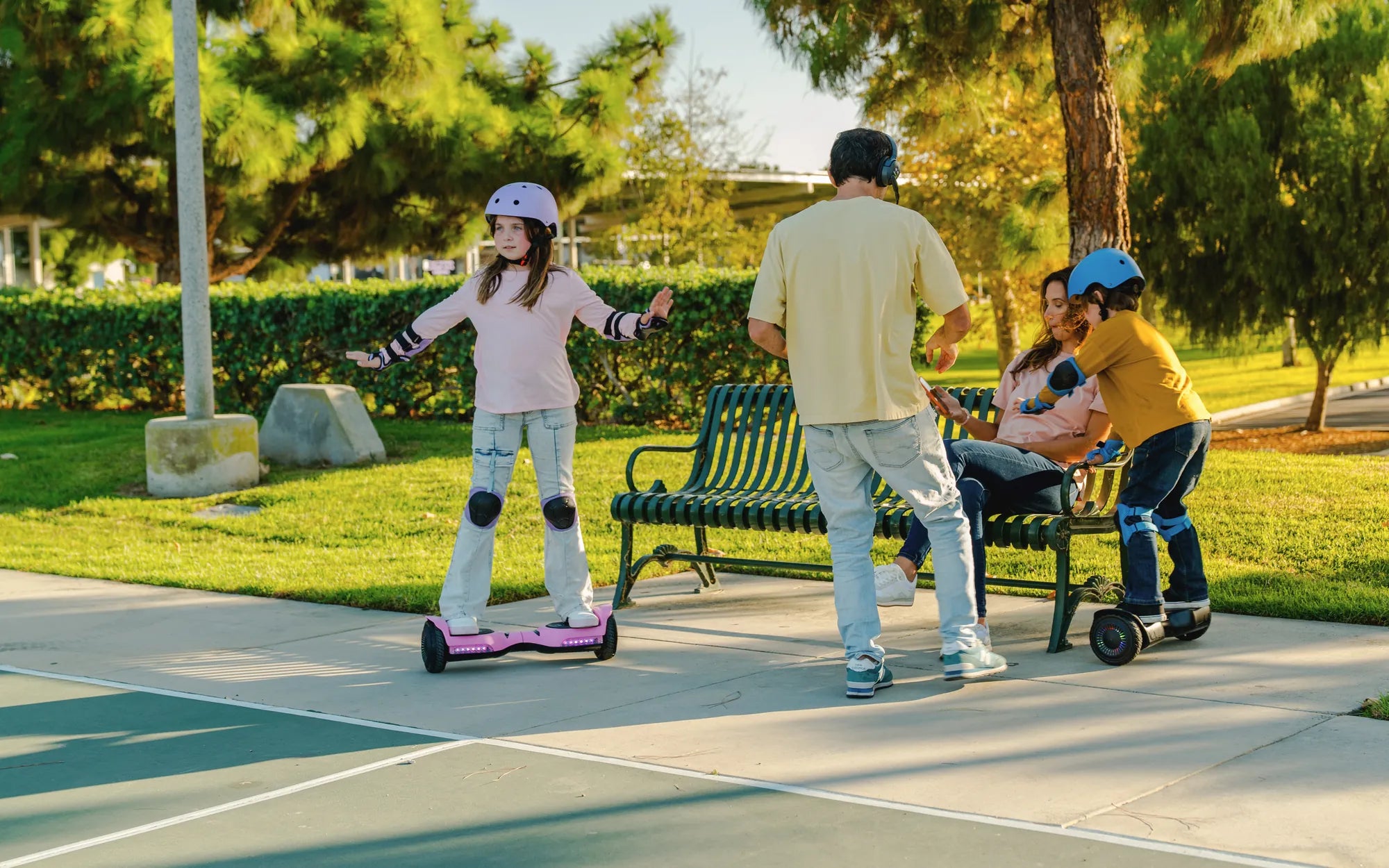
Choosing the right scooter for a 12-year-old is a significant decision that balances fun, freedom, and safety. At this pivotal age, kids seek more independence and adventure, requiring a ride that matches their growing skills and physical capabilities. This ultimate guide will provide you with a data-driven framework to evaluate key features, understand safety essentials, and select a scooter that delivers lasting enjoyment and reliability. You'll learn how to match scooter types to your child's lifestyle, decode technical specifications, and implement crucial maintenance routines.
Introduction: Why the Right Scooter Matters for Your 12-Year-Old
A 12-year-old is at a unique developmental stage, no longer a young child but not yet a teenager. Their coordination, strength, and judgment are rapidly evolving. The ideal scooter for kids 12 years old must therefore be more than a toy; it's a vehicle for exploration, social interaction, and developing responsibility.
Selecting an inappropriate model can lead to frustration, disuse, or even safety incidents. A scooter that's too small or underpowered will be quickly outgrown, while one that's excessively fast or complex can be dangerous. The goal is to find a ride that empowers their growing independence while providing parents with peace of mind through robust safety engineering.
This guide focuses on objective criteria: weight limits, motor power, brake systems, and build quality. We move past marketing claims to examine what truly matters for daily use on neighborhood streets, park paths, and light trails. The right choice fosters confidence and provides a foundation for safe riding habits that can last a lifetime.
Ultimately, investing in a well-engineered scooter for kids 12 years is an investment in active, outdoor play. It encourages physical activity, navigational skills, and a sense of responsibility for maintaining their own gear. The following sections provide the toolkit you need to make that investment wisely.
Key Considerations Before Buying: Safety, Skill, and Terrain
Before comparing models, establish three foundational pillars: the rider's profile, the intended riding environment, and non-negotiable safety features. These factors will narrow your search significantly and ensure a compatible match.
First, assess your child's height, weight, and riding experience. Most manufacturers provide a recommended rider height and a maximum weight capacity. A common mistake is buying a scooter your child will "grow into" that is currently too large or powerful for safe handling. An experienced rider who has mastered a kick scooter may be ready for an electric model, while a beginner might need a more stable, slower option.
Second, analyze the primary terrain. Will riding be mostly on smooth pavement in a suburban neighborhood, on bumpy sidewalks, or on packed dirt paths? This directly dictates wheel size, tire type (air-filled vs. solid), and the need for suspension. Smooth surfaces allow for smaller, harder wheels, while rougher terrain demands larger, air-filled tires for comfort and control.
The third pillar is an honest evaluation of your child's responsibility level. Are they likely to adhere to speed limits and safety rules? This assessment helps determine if features like adjustable speed modes controlled by a parent PIN or remote are necessary. The riding environment's safety—traffic density, availability of bike lanes—also plays a crucial role in scooter selection.
Prioritizing Safety Features
Safety is paramount and should be the primary filter for any scooter for kids 12 years. Begin with the braking system. A dual-brake system, combining a front electronic brake and a rear foot or disc brake, offers redundancy and controlled stopping power. Test the brake responsiveness; it should be smooth, not jerky, to prevent ejection.
Next, examine the deck. It must be long and wide enough for a stable footing, with a pronounced, non-slip surface. Check the folding mechanism (if present) for secure locking to prevent accidental collapse. The construction should feel solid, with no excessive wobble in the stem or handlebars, which are often made from reinforced aluminum alloy.
Beyond the scooter itself, proper safety gear is non-negotiable. A certified bicycle helmet is essential. Consider additional gear like knee and elbow pads, especially for new riders or those using higher-speed electric models. High-visibility elements on the scooter, such as reflectors or built-in lights, are critical for dawn, dusk, or overcast days.
Finally, for electric scooters, scrutinize the battery and electrical safety. Look for certifications like UL 2272 for the battery system, which indicates rigorous testing for fire and electrical safety. A battery management system (BMS) that prevents overcharging and overheating is a key feature of reputable brands.
Breaking Down the Types: Electric, Kick, and Off-Road Scooters
The market primarily offers three categories suitable for 12-year-olds, each with distinct advantages and ideal use cases. Understanding these differences is the first step in matching a scooter to your child's lifestyle.
Traditional Kick Scooters: Propelled by foot, these are excellent for developing coordination and providing exercise. They are typically the most affordable, lightweight, and low-maintenance option. Their speed is limited by the rider's effort, making them inherently safer for beginners. However, they are less suitable for longer distances or hilly areas due to rider fatigue.
Electric Scooters: These battery-powered models offer assisted propulsion via a throttle. They provide greater range and speed with less physical effort, perfect for commuting to a friend's house or exploring the neighborhood. Key considerations include battery life, motor power, and speed controls. They are generally heavier and require charging and basic electrical maintenance.
Off-Road/All-Terrain Scooters: Built with larger, often air-filled tires, enhanced suspension, and more powerful motors, these are designed for unpaved paths, grass, and gravel. They offer the most adventure but are also the heaviest, most expensive, and require the most maintenance. They are best for a confident rider with access to appropriate terrain.
The Electric Scooter Advantage for Pre-Teens
For many 12-year-olds, an electric scooter represents the perfect balance of excitement and utility. It transforms a scooter from a playground tool into legitimate personal transportation. The core advantage is extended range; a typical model with a 10-15 mile range allows for significant exploration without parental chauffeuring.
Modern electric scooters for this age group come with crucial parental controls. Speed can often be limited via a companion app or PIN, allowing parents to cap top speed at a safe 10-12 mph for beginners, with the option to increase it as skills improve. This feature directly addresses a primary parental concern.
Motor power, measured in watts, determines hill-climbing ability and acceleration. A 250W motor is sufficient for most suburban inclines, while a 350W motor offers more confident performance. Importantly, brands that prioritize safety, like Gyroor, integrate these motors with UL-certified battery packs and robust electronic braking systems, ensuring power is delivered safely and controllably.
The convenience factor is significant. An electric scooter makes trips to the library, sports practice, or local store feasible and fun. It encourages independence while keeping the child within a reasonable, parent-defined radius. When chosen with attention to safety specs and durability, an electric scooter for kids 12 years becomes a tool for responsible growth.
Top Features to Compare: A Buyer's Checklist
Arm yourself with this detailed checklist when evaluating specific models. Comparing scooters feature-for-feature turns a subjective decision into an objective analysis.
| Feature | What to Look For | Why It Matters |
|---|---|---|
| Max Weight Capacity | At least 30-50 lbs above your child's current weight. | Ensures durability, stability, and room for growth. |
| Motor Power (E-Scooters) | 250W minimum for flats; 350W+ for moderate hills. | Determines acceleration and hill-climbing ability. |
| Battery & Range | UL-certified battery; range (miles) based on real-world tests, not ideal conditions. | Safety against fire hazards; indicates actual travel distance. |
| Top Speed & Modes | Adjustable speed modes (e.g., 7 mph, 10 mph, 15 mph). | Allows controlled skill progression; essential for safety. |
| Braking System | Dual brakes preferred (e.g., electronic + disc or foot brake). | Provides reliable stopping power and safety redundancy. |
| Tire Type | Air-filled (pneumatic) for comfort/traction; solid for low maintenance. | Impacts ride smoothness, grip, and puncture risk. |
| Deck Size & Grip | Wide, textured deck with non-slip surface. | Provides stable footing, essential for control and safety. |
| Water Resistance | IPX4 rating (splash-proof) minimum; IPX5 for better protection. | Protects electronics from puddles and light rain, enhancing durability. |
| Warranty & Support | Minimum 1-year comprehensive warranty on frame, motor, battery. | Indicates manufacturer confidence and protects your investment. |
Use this table as a starting point for comparisons. A scooter that scores well across these categories represents a balanced, well-engineered product. Pay particular attention to the safety-critical items: braking, battery certification, and speed controls.
Weight and portability are also key. A scooter weighing 25-30 lbs is manageable for a 12-year-old to carry up a few stairs but may be cumbersome for extended carrying. Folding mechanisms should be intuitive and lock securely. Consider where the scooter will be stored and transported.
Finally, don't overlook the human factor: ease of assembly, clarity of the user manual, and accessibility of customer service. A brand that provides clear instructional videos and responsive support demonstrates commitment to the user experience beyond the point of sale.
Decoding Specifications: Weight, Speed, and Range
Manufacturer specifications can be misleading if not interpreted correctly. Understanding the real-world implication of these numbers is crucial.
Scooter Weight: Heavier scooters (35+ lbs) are often more stable and durable but are difficult to carry. Lighter models (under 25 lbs) sacrifice some stability for portability. The ideal weight for a 12-year-old’s electric scooter is typically between 26 and 32 lbs, offering a good compromise.
Speed: Advertised maximum speed is often measured under ideal conditions (light rider, fully charged battery, smooth flat surface). More important is the presence of multiple speed modes. A beginner mode at 7-8 mph is safe for learning, while a 12-15 mph mode offers excitement for skilled riders. Parental control over these modes is a critical feature.
Range: This is the most frequently overstated spec. A claim of "15-mile range" usually assumes ideal conditions. Real-world range can be 40-60% less due to rider weight, hills, frequent stops/starts, and temperature. For a 12-year-old, a real-world range of 6-10 miles is more than sufficient for most adventures and ensures the battery isn't overly stressed.
Motor Power (Wattage): Higher wattage generally means more torque for acceleration and hill climbing. However, a well-designed 250W motor can be more than adequate for a 120 lb rider on moderate inclines. The quality of motor construction and its integration with the battery management system is as important as the raw number.
Why Gyroor Stands Out: Engineered for Growing Riders
In a crowded market, Gyroor has established itself as a leader by focusing on the specific needs of young riders and the safety concerns of their parents. With over 100,000 riders across North America and Europe and a 4.5/5 average rating, their approach is validated by user experience.
The cornerstone of Gyroor's philosophy is battery safety. Every model uses UL-certified battery packs subjected to over 500 charge cycle tests. This certification, often missing from lower-cost models, is a non-negotiable for preventing electrical hazards and ensuring long-term battery health, directly addressing a top parental worry for any electric scooter for kids 12 years.
Durability is engineered for real-world use. Gyroor scooters feature IPX5 water-resistant designs, meaning they can withstand water jets from any direction. This level of protection allows riders to confidently navigate wet sidewalks or encounter unexpected puddles without damaging the scooter's electrical components, a common point of failure in less robust models.
Beyond hardware, Gyroor supports its products with a reliable 1-year warranty and accessible customer service. This commitment provides peace of mind, knowing that any issues will be resolved. Their models often include thoughtful features for this age group, such as intuitive thumb throttles, bright headlights and brake lights for visibility, and adjustable speed settings that balance fun with safety.
Maintenance and Safety Tips for Long-Lasting Fun
Proper care extends the life of the scooter and, most importantly, keeps your child safe. Establish a simple maintenance routine from day one.
Pre-Ride Check: Before every ride, perform a quick inspection. Check tire pressure for air-filled tires (they should be firm). Test both brakes for proper engagement. Ensure the folding mechanism (if applicable) is fully locked and the handlebars are tight. Verify that lights are functional if riding near dusk.
Regular Maintenance: Every few weeks, conduct a more thorough check. Tighten any bolts on the stem, handlebars, and wheels. Inspect the brake pads for wear and replace them if they are thin. For electric scooters, keep the battery charged between 30-80% for optimal longevity when not in use for extended periods, and store it in a cool, dry place.
Safety Rules to Enforce: Always wear a helmet—no exceptions. Ride on sidewalks, bike paths, or quiet streets, never in traffic. Obey all pedestrian traffic signals. Use hand signals for turns. Avoid riding in the dark, but if necessary, ensure the scooter's lights are on and the rider wears reflective clothing. Never allow a passenger.
Post-Ride Care: Wipe down the scooter, especially after riding on wet or dirty surfaces. For electric models, allow the scooter and battery to cool to room temperature before charging. Store the scooter in a secure, dry location to prevent theft and weather damage. These habits instill responsibility in the rider and protect your investment.
Frequently Asked Questions (FAQs)
Q1: What is a safe and appropriate top speed for a 12-year-old's electric scooter?
A: For most 12-year-olds, a maximum speed of 12-15 mph is sufficient and exciting. The critical feature is adjustable speed modes, allowing parents to set a lower limit (e.g., 8-10 mph) for beginners and increase it as the child's skill and judgment improve. Control is more important than raw top speed.
Q2: How important is water resistance (IP rating) really?
A> It is very important for durability. An IPX4 rating protects against splashes from any direction, suitable for damp roads. An IPX5 rating, like on many Gyroor models, means the scooter can handle low-pressure water jets, making it safe to ride in light rain or through puddles. It prevents costly water damage to electronics.
Q3: Can a scooter for a 12-year-old handle hills?
A: It depends on the motor power and rider weight. A scooter with a 250W continuous motor can typically handle gentle slopes. For moderate hills, a 350W motor is recommended. Always check the manufacturer's specifications for gradeability (the maximum incline it can climb), which is a more accurate measure than wattage alone.
Q4: What's the difference between solid and air-filled tires?
A: Solid (airless) tires are puncture-proof and require zero maintenance, but they provide a harder, less comfortable ride and less traction, especially on wet surfaces. Air-filled (pneumatic) tires offer a much smoother, more comfortable ride and superior grip but require periodic pressure checks and are susceptible to punctures.
Q5: What should a good warranty cover?
A: A comprehensive warranty for an electric scooter should cover the frame for defects (often 1 year), the motor (1 year), and most importantly, the battery (6 months to 1 year). Reputable brands stand behind their products. Gyroor, for instance, offers a 1-year warranty, reflecting confidence in their build quality and UL-certified components.
Conclusion: Empowering Independence with the Right Choice
Selecting the perfect scooter for a 12-year-old is a meaningful decision that supports their journey toward independence. By prioritizing verified safety features like UL-certified batteries, robust braking systems, and adjustable speed controls, you provide a platform for fun that is fundamentally secure. Matching the scooter's capabilities to your child's skill level and your local terrain ensures it will be used and enjoyed for years.
The data-driven approach outlined in this guide—focusing on specifications, construction quality, and brand reputation—removes guesswork from the process. Remember, the best scooter for kids 12 years isn't necessarily the fastest or flashiest; it's the one that offers the optimal blend of durability, safety, and age-appropriate performance. It's a vehicle for creating memories, building confidence, and enjoying the freedom of the ride.
For a range of scooters engineered with these precise principles in mind, featuring UL-certified safety, IPX5 water resistance, and reliable performance trusted by over 100,000 riders, explore the collection designed for growing adventurers. Browse the full Gyroor collection at gyroorboard.com to find the ideal ride for your 12-year-old's next adventure.
Beginner Hoverboard for Kids: Ultimate Guide to Safe Riding
Top Rated Kids Hoverboard: The Ultimate Guide for Parents